Cuban President Miguel Diaz-Canel opens talks with Trump administration amid crippling fuel shortages
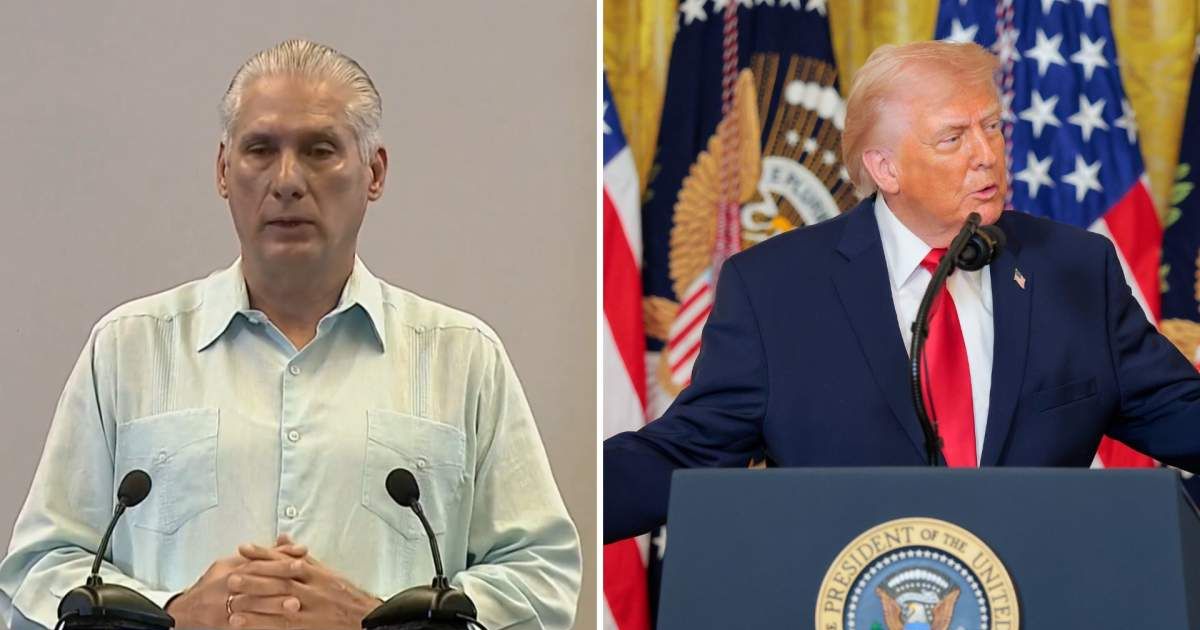
HAVANA, CUBA: Cuban President Miguel Diaz-Canel has said that his government is talking to people in the Trump administration as the island struggles to secure enough energy due to a US fuel blockade.
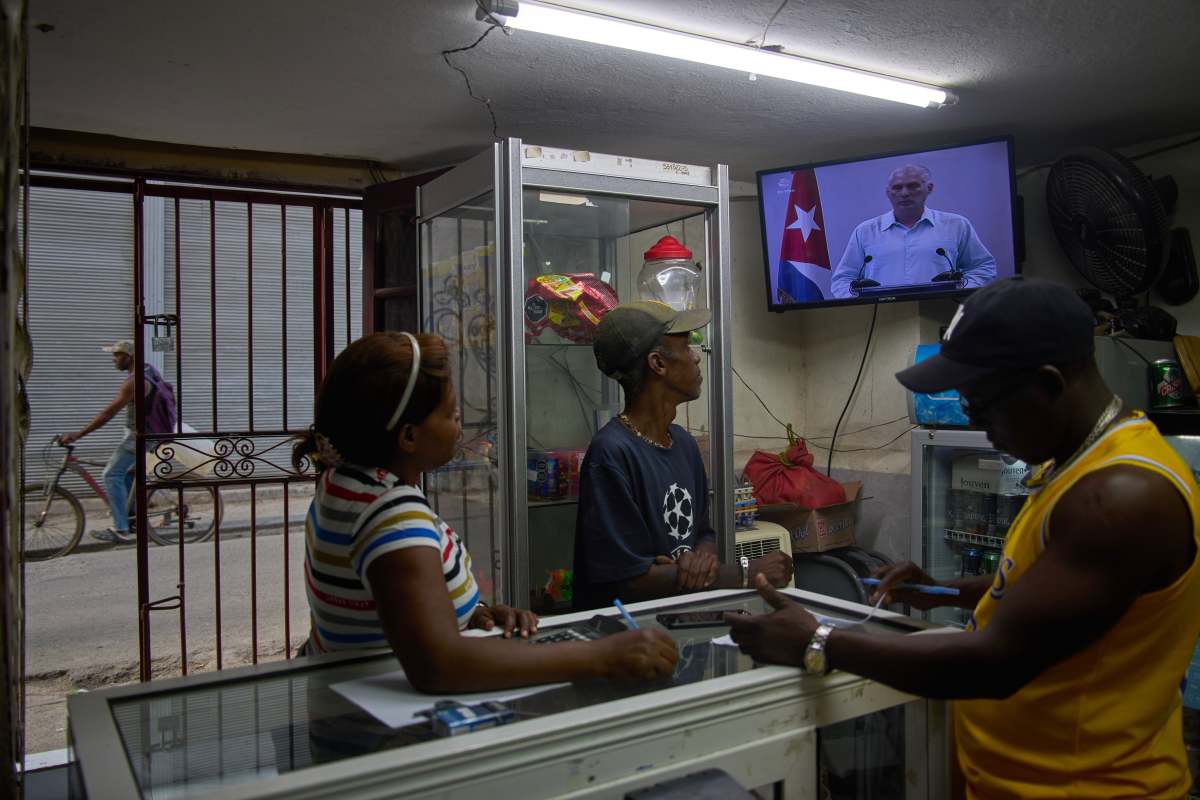
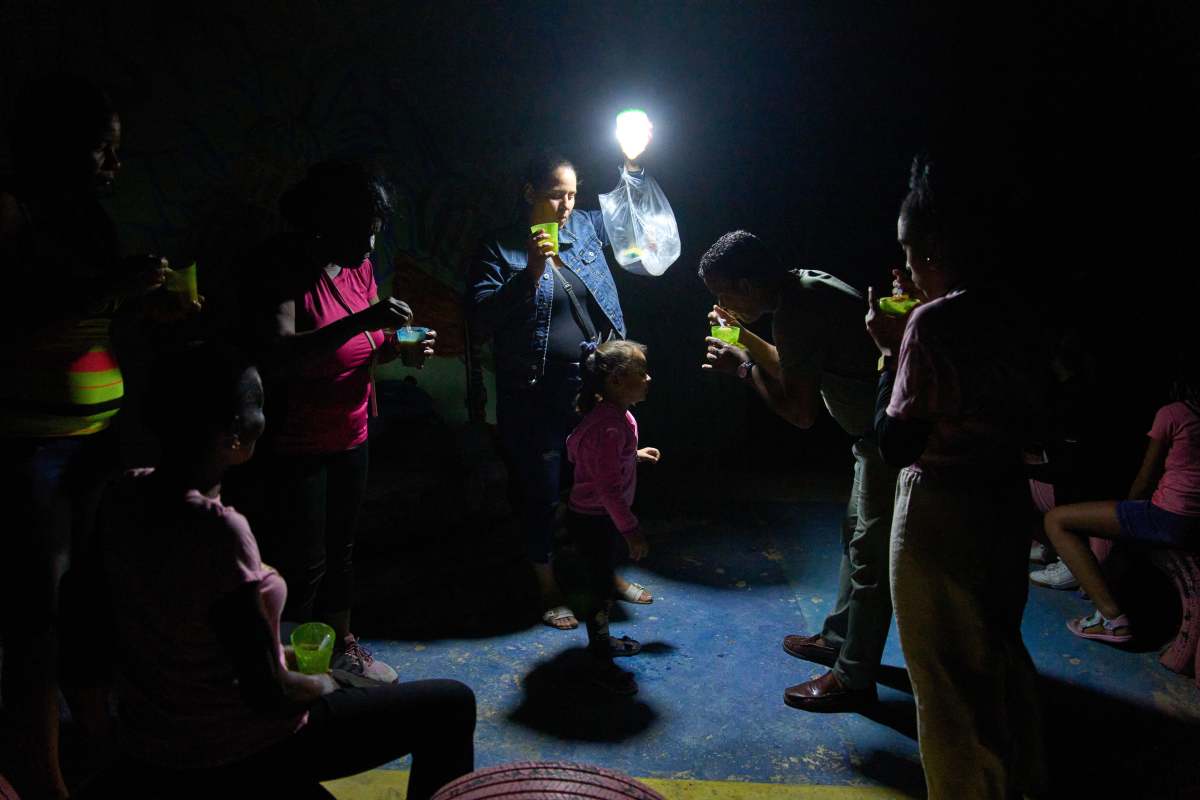
Diaz-Canel told Cuban state television that the talks were meant to find ways to solve the country's growing economic and energy problems, which have led to widespread fuel shortages and power outages.
Fuel shortages deepen economic crisis
In a 90-minute news conference broadcast by state media, Diaz-Canel said talks with Washington were aimed at finding solutions to the political differences that divide the communist island and the United States, The New York Times reported.
🔥🚨BREAKING: The dictator of Cuba, Miguel Díaz Canel, announced on a national broadcast that Cuba has submitted to Trump and are now negotiating with the United States. This is historic.
— Dom Lucre | Breaker of Narratives (@dom_lucre) March 13, 2026
pic.twitter.com/kdNBP0PFO8
However, changes to Cuba's political system are off-limits, Lianys Torres Rivera, Cuba’s chief of mission in the United States, told Politico in an interview.
Since the US cut off Venezuelan oil shipments to Cuba earlier this year, the island's economy has faced mounting difficulties. Torres Rivera said that essential services such as transportation, health, and education are under severe stress, with as many as 11,000 children awaiting surgeries and other medical procedures.
"They have no money. They have no anything right now," President Donald Trump said in February. "Maybe we’ll have a friendly takeover of Cuba."
Dialogue amid political pressure
Despite the pressure campaign, Diaz-Canel said Havana remains open to negotiations with Washington, provided the talks respect Cuba’s sovereignty and political system.
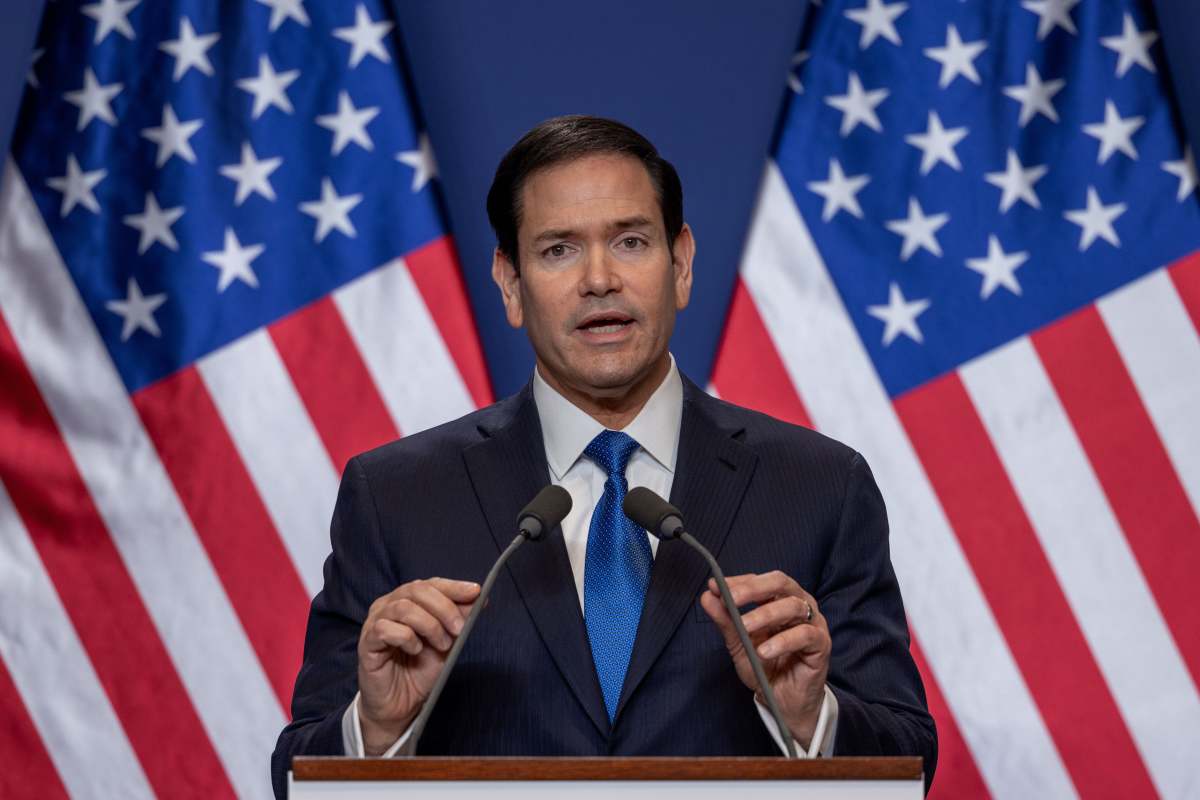
Trump has said a deal with Havana "would be very easily made." In January, he declared a national emergency over Cuba, accusing the regime of aligning with hostile foreign powers and terrorist groups. Last week, he said Cuba was "negotiating with [Secretary of State] Marco [Rubio] and myself and some others," and added that a deal "would be made very easily."
Diaz-Canel said the talks with the United States were needed, in part, "to determine the willingness of both sides to take concrete actions," The New York Times reported. He also added that he would soon welcome an FBI team to investigate 10 Cubans who previously lived in the United States and clashed with the Cuban coast guard last month.
"Agendas are built, negotiations and conversations take place and agreements are reached. Things we are still far from because we are in the initial phases of this process," Diaz-Canel said.