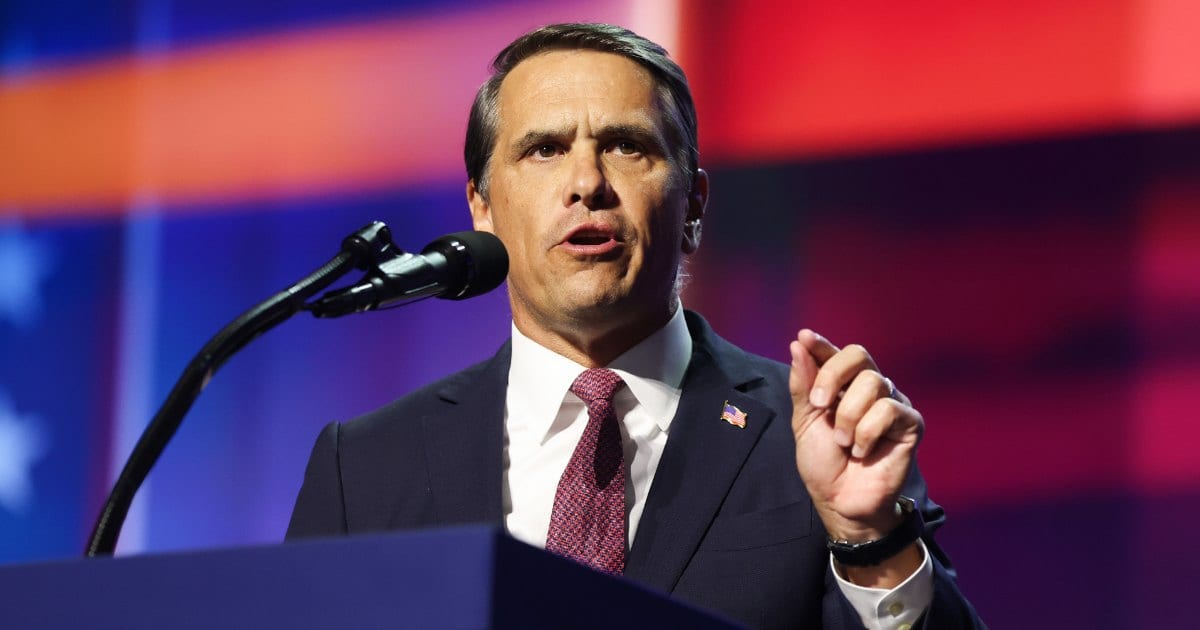
DOJ admits reviewing less than 1% of Epstein records after legal deadline lapses

WASHINGTON, DC: The Department of Justice conceded late Monday that it has reviewed less than 1 percent of the records tied to Jeffrey Epstein, confirming that millions of documents remain locked away weeks after a firm statutory deadline expired.
In a filing submitted to US District Judge Paul Engelmayer, the DOJ disclosed that it has released just 12,285 documents, totaling roughly 125,575 pages. By its own admission, however, more than 2 million potentially responsive records are still stuck in “various phases of review,” a revelation that immediately fueled accusations of stonewalling.
The disclosure stems from litigation surrounding the Epstein Files Transparency Act, passed in mid-November, which required the department to release the records by mid-December.
The Trump administration has argued that the deadline was unrealistic, citing the “sheer volume” of material that includes FBI emails, subpoenas, digital media, and other investigative records.
Chuck Schumer says deliberate attempt to coverup damaging material
BREAKING: Trump’s DOJ has failed to submit a report to Congress, which is required to include a list of all government officials and politically exposed persons named or referenced in the released materials, without redactions.
— Chuck Schumer (@SenSchumer) January 5, 2026
What are they trying to hide?
It’s been 17 DAYS…
The admission detonated outrage among congressional Democrats, who accused the DOJ of openly defying the law. Senate Minority Leader Chuck Schumer charged that the department is deliberately keeping the most damaging material out of public view.
“What are they trying to hide?” Schumer demanded in a post on X on Monday.
He accused the administration of outright lawlessness, noting that the DOJ has failed to provide Congress with a legally required unredacted list of all government officials and politically exposed persons referenced in the Epstein files.
“It’s been 17 DAYS since the Trump DOJ first broke the law and failed to release all the Epstein files,” Schumer wrote, dismissing the material released so far as heavily redacted and stripped of “key documents” related to Epstein’s alleged network of co-conspirators.
DOJ cites ‘sheer volume’ defense over Epstein files delay
The Department of Justice previously stated we will bring charges against anyone involved in the trafficking and exploitation of Jeffrey Epstein’s victims. We reaffirm this commitment, and ask any victim to please come forward with any information pertaining to any individuals…
— Attorney General Pamela Bondi (@AGPamBondi) December 21, 2025
Attorney General Pam Bondi pushed back in a five-page status update to Judge Engelmayer, co-signed by Deputy Attorney General Todd Blanche and US Attorney Jay Clayton. The DOJ framed the delays as a necessary safeguard to protect victims, not an attempt to shield powerful figures.
Bondi claimed that more than 400 DOJ attorneys and 100 FBI document analysts are working “around the clock” to review and redact sensitive material. The department also revealed that on Christmas Eve, it uncovered more than one million additional documents that had not been included in the original tally, warning the court that processing them could take “a few more weeks.”
Under the statute, prosecutors are allowed to redact victims’ personal information. Judge Engelmayer has further ordered DOJ officials to personally certify that any grand jury material is “rigorously reviewed” before release, adding another layer to the process.
Bipartisan threats of contempt lawsuit over delay
The frustration is not confined to Democratic leadership. Last month, Rep Ro Khanna (D-CA) and Rep Thomas Massie (R-KY) signaled they were weighing an inherent contempt lawsuit against Bondi, a rare and aggressive move aimed at forcing compliance.
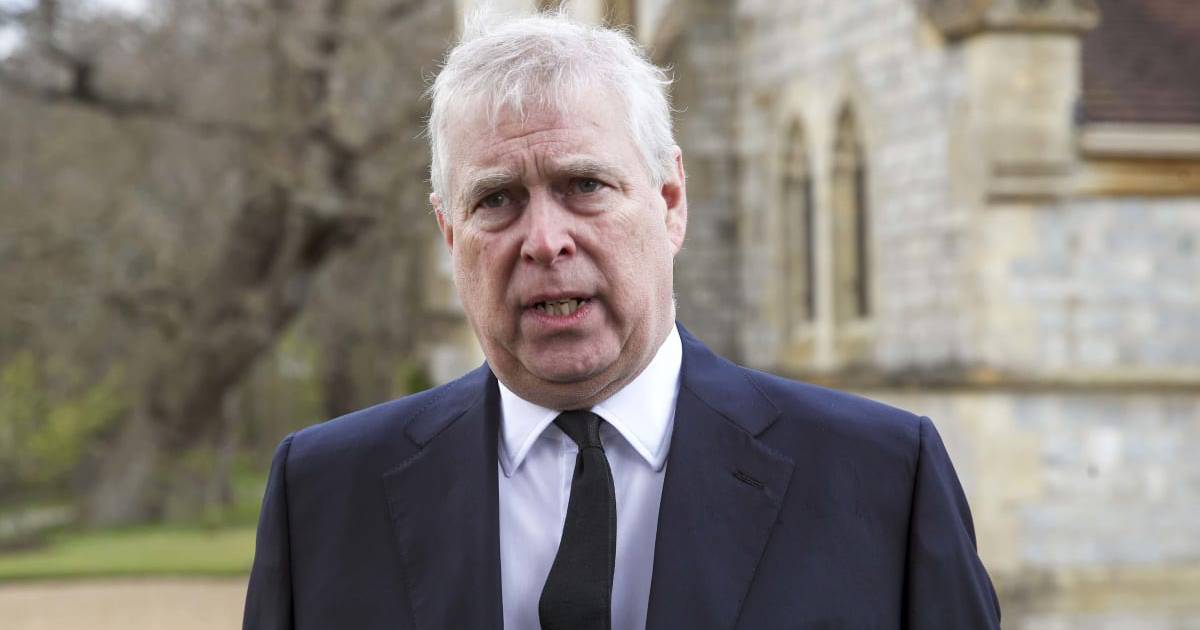
While the DOJ has suggested that a “meaningful portion” of the unreleased records may be duplicates, survivors and advocates have grown increasingly impatient. Marina Lacerda, who said she met Epstein at age 14, told The Guardian she wants to see powerful associates - including Andrew Mountbatten-Windsor, formerly Prince Andrew - held accountable.