Voting rights, executive authority and DOJ actions: Key legal battles in 2026

WASHINGTON, DC: As President Donald Trump enters the second year of his second term, the courts remain a central arena for disputes over elections, executive authority and accountability.
Judges have already ruled in several cases that the administration has exceeded legal limits, even as the Supreme Court has expanded aspects of presidential power.
Heading into 2026, multiple lawsuits and appeals are expected to shape voting rules, federal governance and individual rights. Legal observers are closely tracking several cases with potentially far-reaching consequences.

Voting rights and Justice Department retribution under scrutiny
One of the most closely watched legal battles in 2026 involves redistricting and voting rights ahead of the midterm elections.
At the president’s urging to help preserve Republican control of Congress, Texas lawmakers enacted a new congressional map.
A lower-court panel led by a Trump-appointed judge blocked the map, finding it was likely an illegal racial gerrymander.
The Supreme Court, however, intervened and allowed the map to take effect, concluding that the redistricting was motivated by political considerations rather than race.
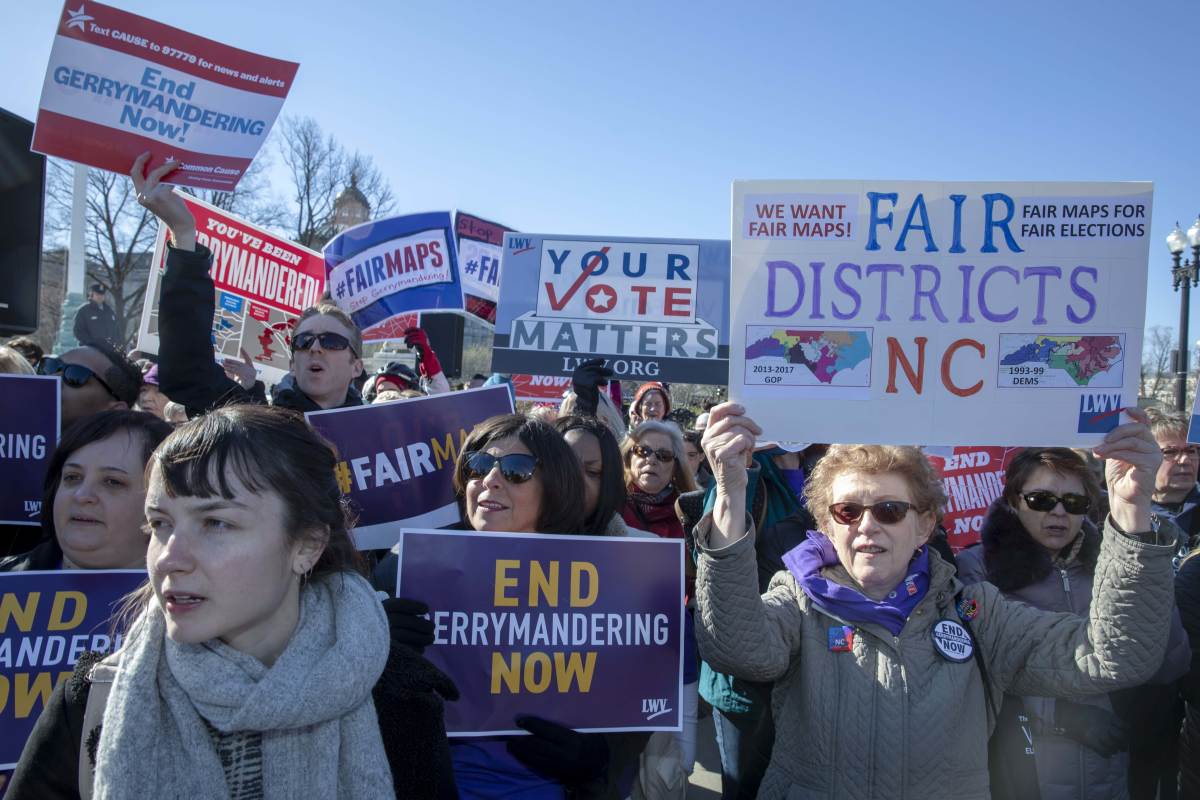
Other states have followed with their own redistricting efforts.
California approved a new congressional map that is now facing legal challenges. When the Supreme Court sided with Texas, the justices suggested they could take a similar approach if California’s Democratic-backed map reaches the high court.
That possibility raises questions about whether the court will apply the same legal standard to redistricting efforts by both parties.
Separately, the justices are expected to rule on a Louisiana redistricting case that could significantly weaken what remains of the Voting Rights Act.

Another major legal storyline centers on the Trump Justice Department and allegations of political retaliation.
The president campaigned on promises to pursue those who investigated him and his allies, including figures connected to probes of the 2020 election and the January 6, 2021, Capitol attack.
Early in his second term, Trump issued broad clemency to January 6 defendants and removed officials involved in past investigations of his conduct.
Justices weigh overturning longstanding limits on agency independence
Beyond election-related disputes, the Supreme Court is preparing to address several cases defining the scope of presidential power.
After granting Trump broad criminal immunity before his return to office, the court has continued to expand executive authority through emergency rulings.
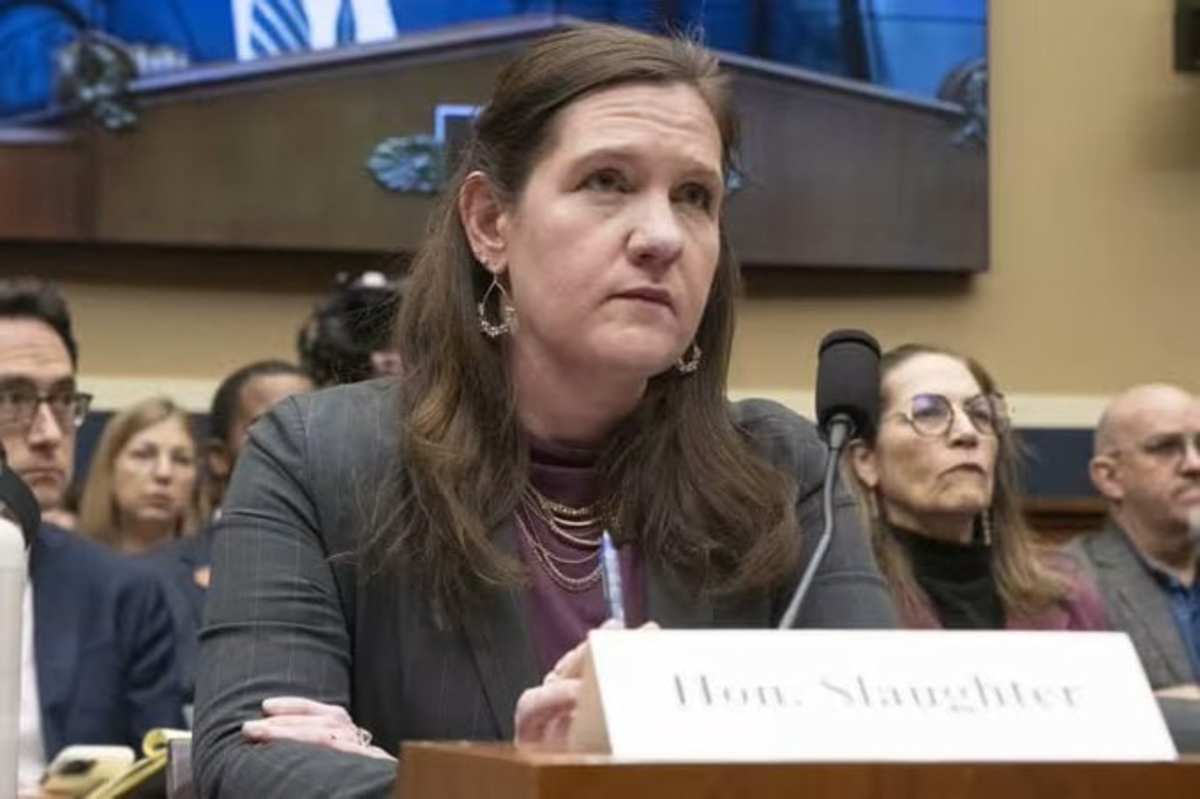
The court is also considering whether to overturn a nearly 90-year-old precedent that has limited presidential control over independent federal agencies.
During arguments in Trump v Slaughter, Justice Sonia Sotomayor warned of the implications, telling Solicitor General John Sauer that he was “asking us to destroy the structure of government and to take away from Congress its ability to protect its idea that the government is better structured with some agencies that are independent.”
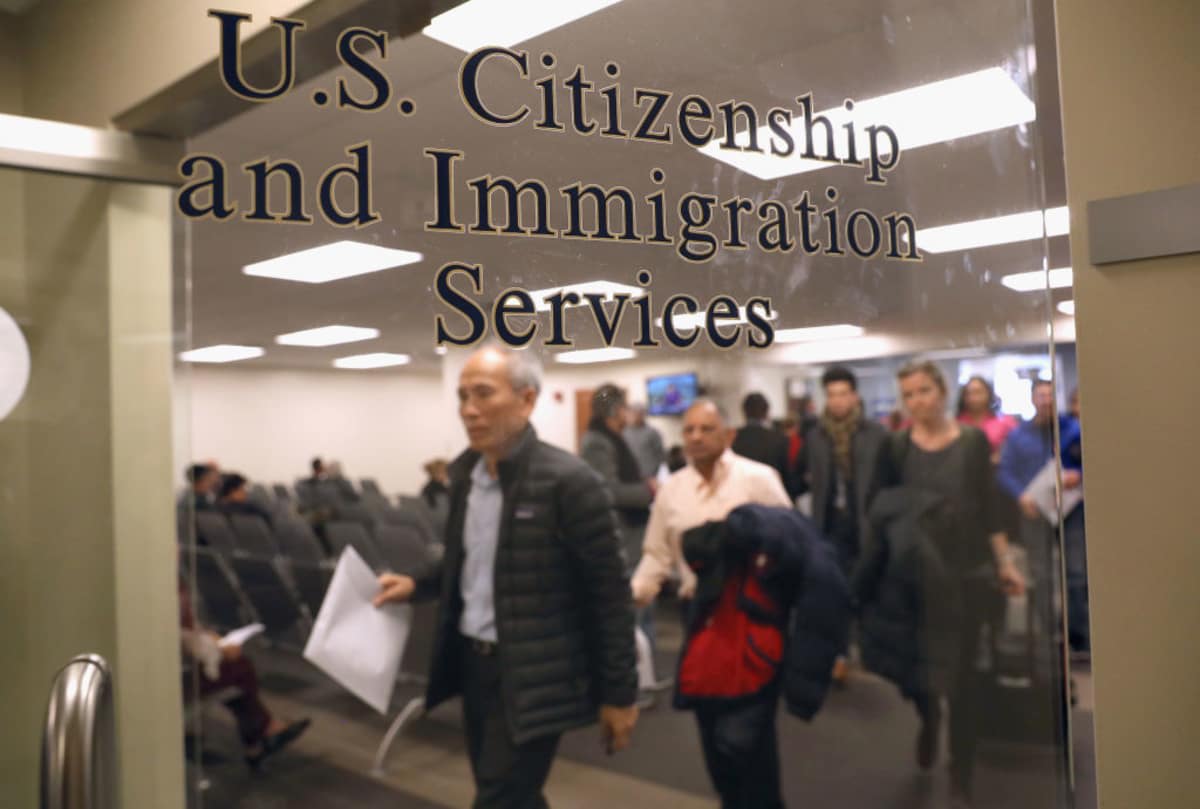
Finally, the Supreme Court is set to hear a landmark case on birthright citizenship. The administration is asking the court to allow an end to automatic citizenship for people born in the United States, despite the 14th Amendment and longstanding precedent affirming that right.
The decision, expected in 2026, could have sweeping implications for immigration law and constitutional interpretation.