Elon Musk and Trump administration blast EU over $140M fine on X: 'Should be abolished'
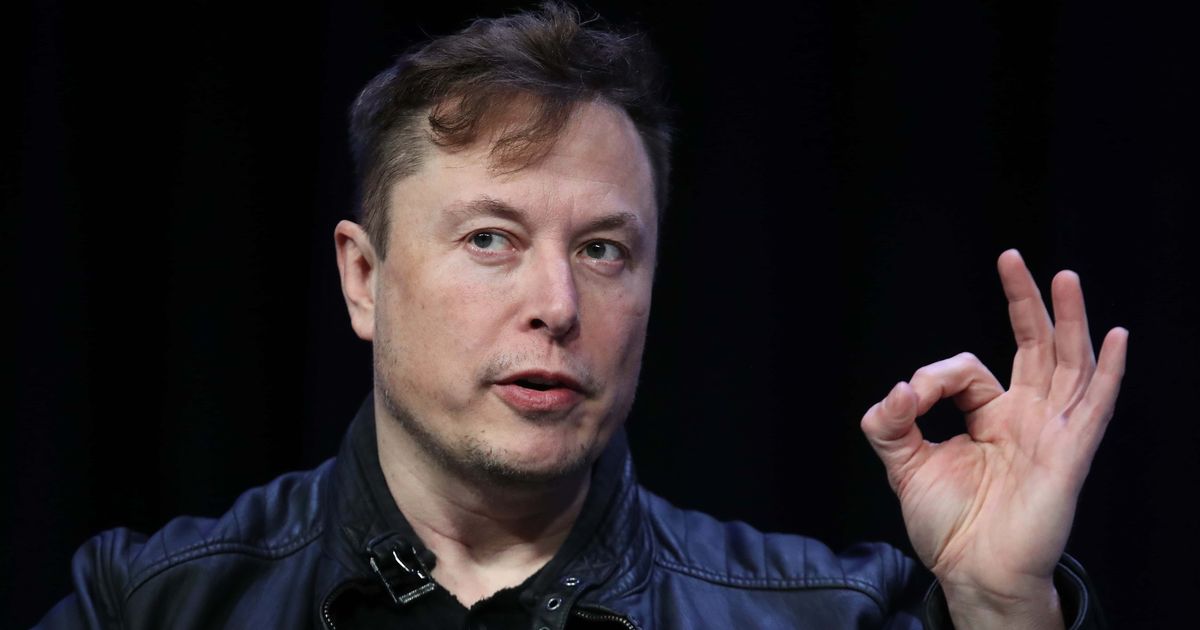
The EU should be abolished and sovereignty returned to individual countries, so that governments can better represent their people
— Elon Musk (@elonmusk) December 6, 2025
WASHINGTON, DC: Elon Musk and top officials from the Trump administration launched a blistering counterattack against the European Union on Saturday, December 6, after the bloc hit social media platform X with a staggering $140 million fine.
The European Commission’s executive branch leveled the penalty on Friday, citing "non-compliance with transparency obligations" under the Digital Services Act (DSA).
Musk, who has forged a close alliance with President Donald Trump, did not mince words in his response, taking to his platform to call for the dismantling of the entire political union.
"The EU should be abolished and sovereignty returned to individual countries, so that governments can better represent their people," Musk wrote, adding the hashtag "#AbolishTheEU."
He also dismissed the fine itself as "bulls***."

Trump team rallies behind Elon Musk
The penalty has sparked a diplomatic firestorm, with key figures in the Trump orbit framing the fine as an assault on American values and free speech.
Vice President JD Vance weighed in shortly before the fine was officially announced, characterizing the EU's regulatory actions as ideological warfare.
"The EU should be supporting free speech not attacking American companies over garbage," Vance stated.
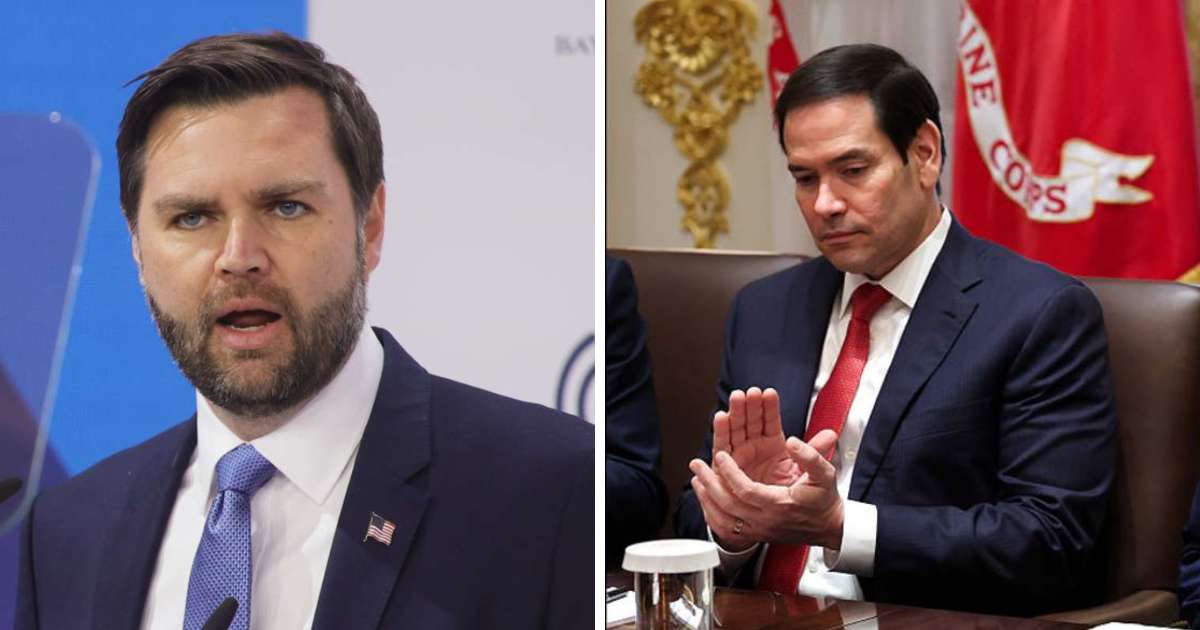
Secretary of State Marco Rubio echoed this sentiment, expanding the scope of the grievance beyond just one company.
"This isn’t just an attack on X, it’s an attack on all American tech platforms and the American people by foreign governments," Rubio wrote on X.
The European Commission’s $140 million fine isn’t just an attack on @X, it’s an attack on all American tech platforms and the American people by foreign governments.
— Secretary Marco Rubio (@SecRubio) December 5, 2025
The days of censoring Americans online are over.
Commerce Secretary Howard Lutnick also joined the fray, asserting that the Digital Services Act is "designed to stifle free speech and American tech companies."
"We have made our position clear to our counterparts in Europe," Lutnick warned.
Elon Musk claims the fine targets him 'personally'
The controversy intensified after Senator Ted Cruz (R-Texas) called the fine an "abomination" and urged President Trump to impose sanctions until the decision is reversed.
In response to Cruz, Musk revealed that he believes the targeting is specific to him rather than just corporate oversight.
"The ‘EU’ imposed this crazy fine not just on X, but also on me personally, which is even more insane!" Musk replied.
"Therefore, it would seem appropriate to apply our response not just to the EU, but also to the individuals who took this action against me," he added.
EU claims to target deceptive blue checks
The European Commission maintains that the fine is strictly about enforcing transparency laws, not content moderation.
Regulators specifically took issue with X's "blue checkmark" system, arguing that allowing anyone to pay for verification "deceives users."
"On X, anyone can pay to obtain the ‘verified' status without the company meaningfully verifying who is behind the account," the commission said in a statement.
They argued this design exposes users to scams and manipulation by malicious actors who can easily purchase perceived authenticity.
The commission also cited a "lack of transparency" in X's advertising repository and a failure to provide public data access to researchers.
Brendan Carr claims Europe is taxing Americans
Federal Communications Commission (FCC) Chair Brendan Carr framed the fine as a desperate economic move by a stagnant continent.
"Once again, Europe is fining a successful US tech company for being a successful US tech company," Carr said.
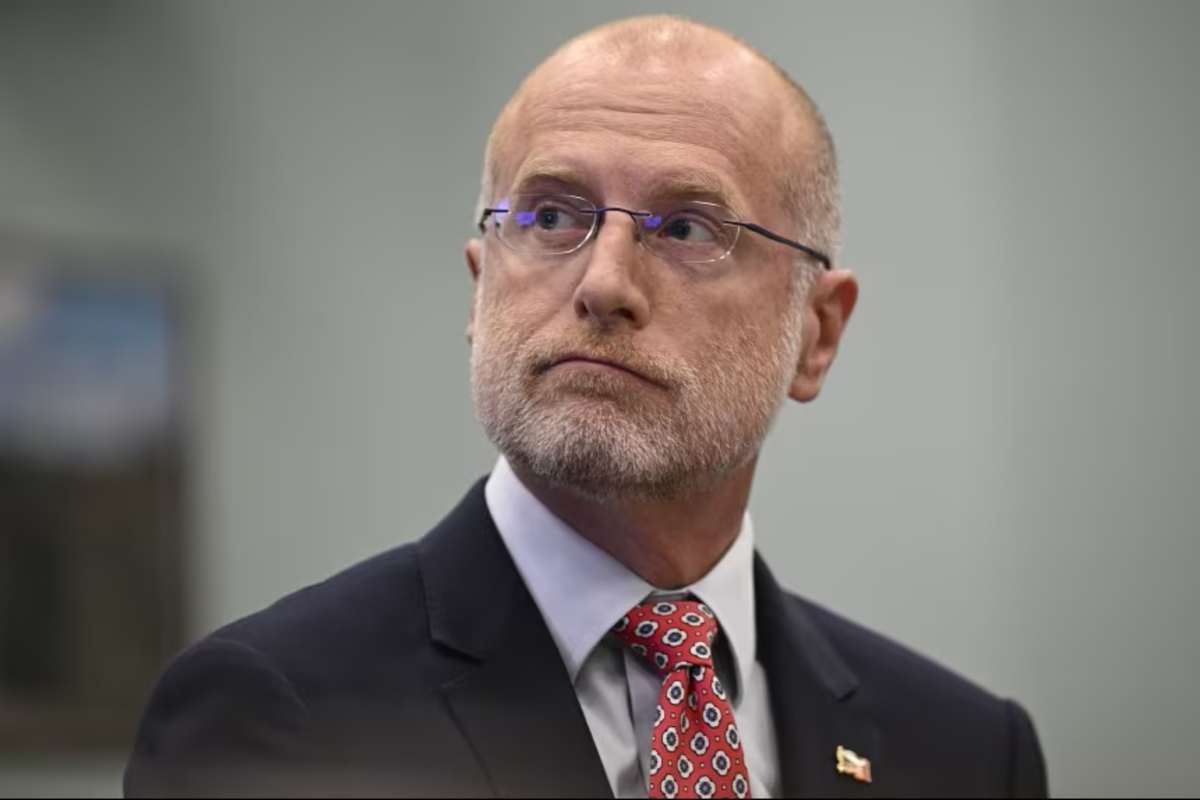
"Europe is taxing Americans to subsidize a continent held back by Europe’s own suffocating regulations," he added.
Senator Rick Scott (R-Fla) added that the US is "done looking the other way" while foreign governments attempt to "bully our companies."
Despite the uproar from Washington, EU officials insist the ruling is a matter of law.
"Today’s decision has nothing to do with content moderation," said Thomas Reigner, a commission spokesperson. "It’s about transparency provisions for citizens here in the European Union."