Exiled Iranian crown prince Reza Pahlavi urges Trump to ‘finish the job’ in Iran
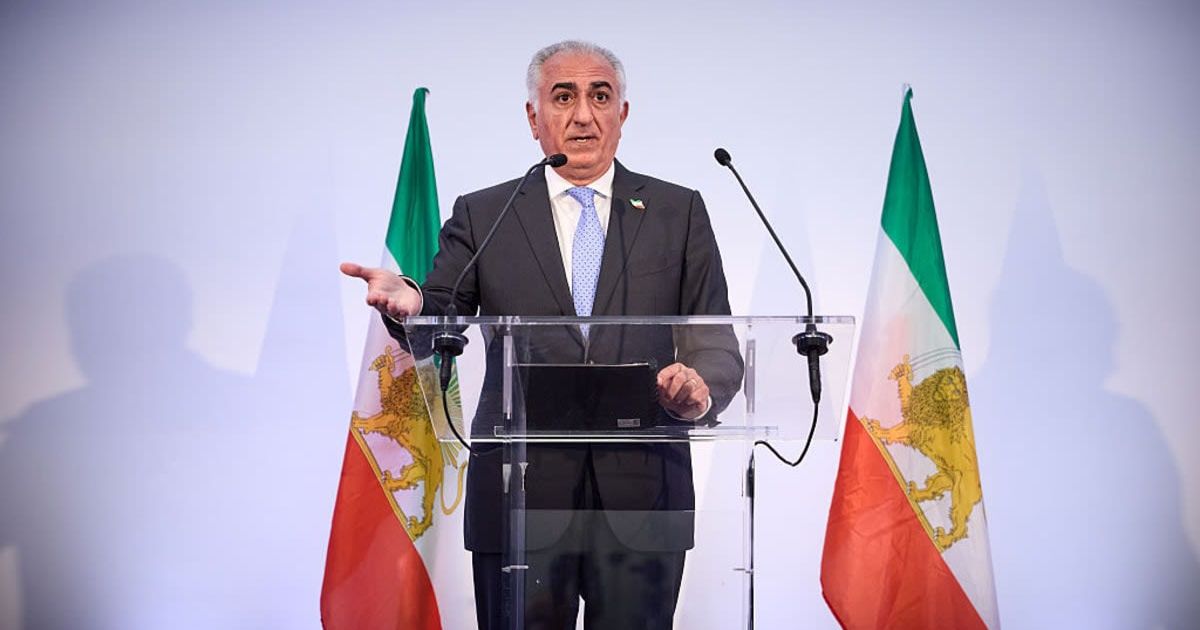
WASHINGTON, DC: Reza Pahlavi, the exiled son of Iran's last shah, told President Donald Trump at the POLITICO Security Summit that the US should stop looking to negotiate with Tehran and instead fully back efforts to overthrow the Islamic Republic.
Pahlavi’s remarks added a new dimension to the already heated debate over Trump’s Iran strategy as the White House balances military pressure, ceasefire talks, and growing calls by some Iranian opposition figures for regime change.
Pahlavi says Trump should stop sending ‘mixed signals’ on Iran
Speaking in Washington, Pahlavi claimed decades of Western diplomacy and appeasement had only strengthened Tehran’s leadership and emboldened its regional proxy network.
WATCH: Reza Pahlavi criticizes President Trump’s Iran strategy:
— Clash Report (@clashreport) May 12, 2026
On the one hand said people need to rise and at the same time say wait, we are negotiating. It's confusing the hell out of everyone.
You cannot send mixed signals. pic.twitter.com/5n3Lm0v1pU
By agreeing to a ceasefire and talks with the leadership in Tehran, Trump was sending “mixed signals” that could ultimately entrench the regime, Pahlavi said during an interview at POLITICO’s Security Summit.
“Now that you have a wounded beast, this is not an opportunity that you should let go to finish the job and get it over with,” Pahlavi said in the appearance.
“Should diplomacy be given a chance? Of course it should,” Pahlavi said dismissively.
“But then again … we know by now that in its DNA, [the regime] is incapable of coming to terms with coexistence with a free democratic [society]. It has as a mission to export an ideology.”

The exiled crown prince also suggested Trump’s broader messaging on Iran has at times created confusion among opposition activists inside the country.
Pahlavi also said that Trump’s occasional threats to attack Iranian civilian infrastructure and wipe out Iranian “civilization” even if merely a negotiating tactic, were not helpful, “because, again, it’s part of sending the mixed signal,” only this time, to the Iranian people, who will wonder, “Are you here to liberate us or further hurt us?”
While praising Trump’s tougher stance compared to past administrations, Pahlavi warned that contradictory signals could discourage defections inside Iran and leave opposition groups uncertain about America’s long-term intentions.
Pahlavi has been a supporter of Trump’s campaign in Iran
Pahlavi, who in general has backed Trump, said the US and Israel should continue airstrikes and other attacks on Iranian targets until Iranian citizens feel empowered enough to hit the streets and act as ground troops in toppling the regime.
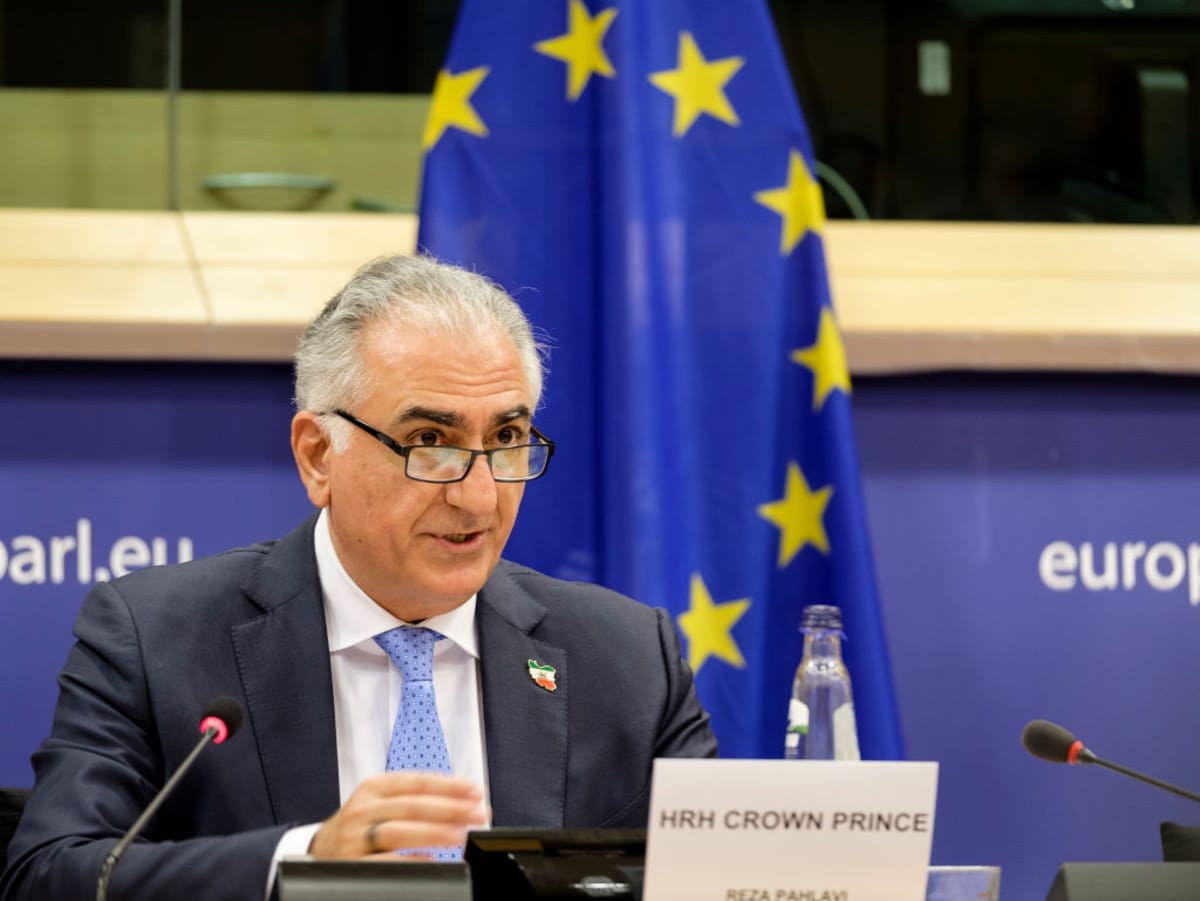
In recent years, Pahlavi has described himself as the leader of the Iranian democratic opposition.
He and his followers have, often through hardline tactics, tried to sideline other Iranian opposition activists and movements.
The effort has boosted his profile in political circles around the world, although Trump has downplayed Pahlavi’s potential to be a leader in a future Iran.
Pahlavi says he wants to guide a transition to secular democratic rule, and his supporters have mapped out a detailed blueprint for a post-regime Iran. He may not claim to be one himself, but many of his supporters believe he will be a future king.
Pahlavi also claims that at least 50,000 people inside Iran’s military and bureaucratic apparatus have contacted him about their desire to defect.
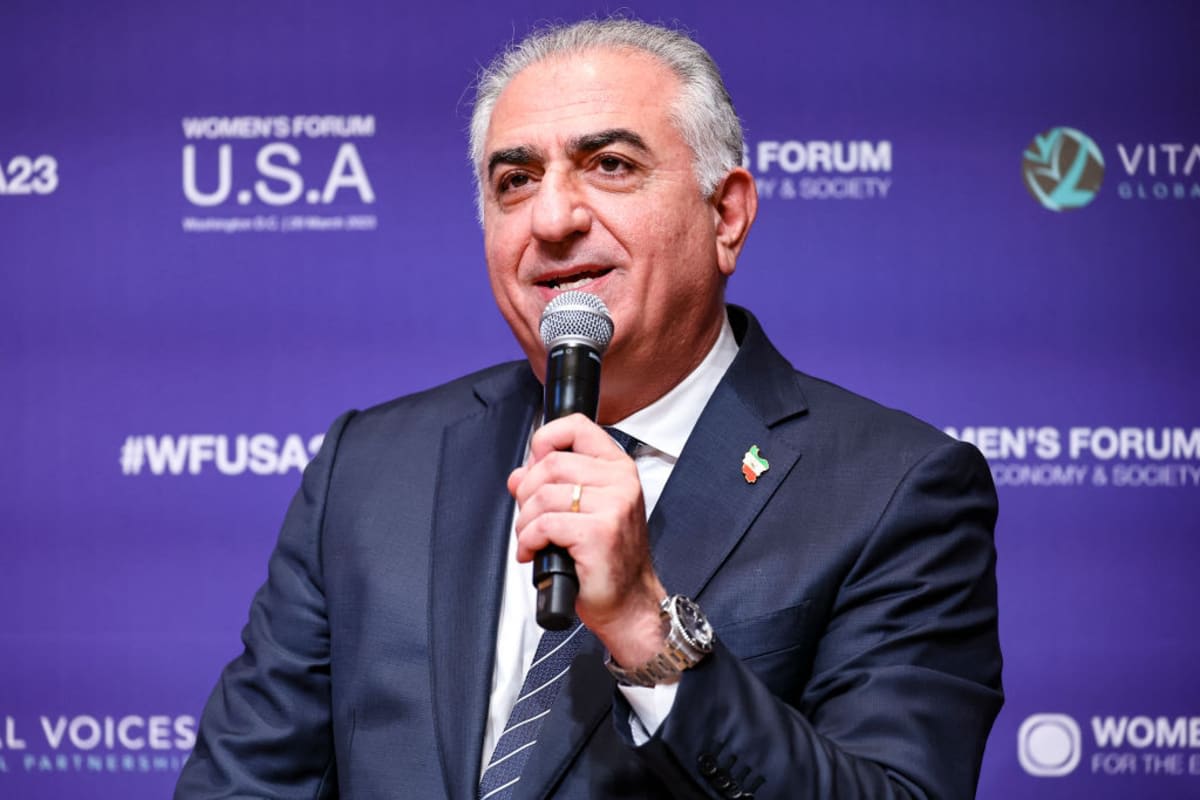
In recent years, Pahlavi has increasingly aligned himself with Republicans, Israel and others who have called for tough action against Iran’s Islamist regime.
He said the Iranian people should know that the US and Israel are against the regime and not the Iranians themselves.
“The majority of the Iranian people look at this as a liberation campaign,” he said.
Still, the former crown prince remains a deeply polarizing figure both inside and outside Iran.