Exiled Iranian crown prince Reza Pahlavi urges Trump to act as protests intensify across the nation
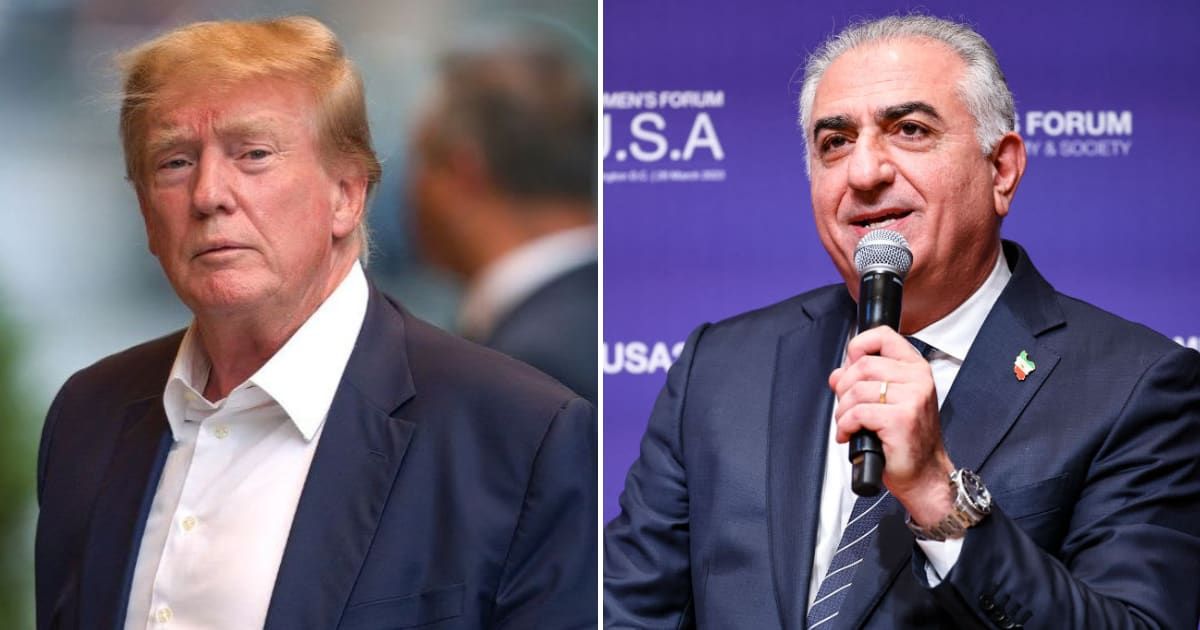
WASHINGTON, DC: Reza Pahlavi, the exiled son of Iran’s former monarch, said on Thursday, January 15, that he hoped President Donald Trump would intervene as unrest continued across Iran, citing Trump’s repeated warnings to the nation.
Pahlavi, who resides in the US, said protesters inside Iran were encouraged by Trump’s statements and believed that the US president would not abandon them.
Trump had warned that the United States could take action if Iran continued to kill protesters or carry out executions. It remained unclear whether Washington planned to escalate beyond rhetoric.
Reza Pahlavi says Trump's warnings have energized protesters
Pahlavi said that President Trump’s public stance toward Tehran had resonated with Iranians demonstrating against the government, even as the scale of his support inside the country remained uncertain.
“Clearly, President Trump did say that if the regime was to hit the Iranian people hard, they were faced with serious consequences,” Pahlavi said.
“That the Iranian people have taken his word, as a man of his words… they know that unlike his predecessors that threw us under the bus one time, this president is not about to do the same thing, and that’s very encouraging and empowering,” he added.
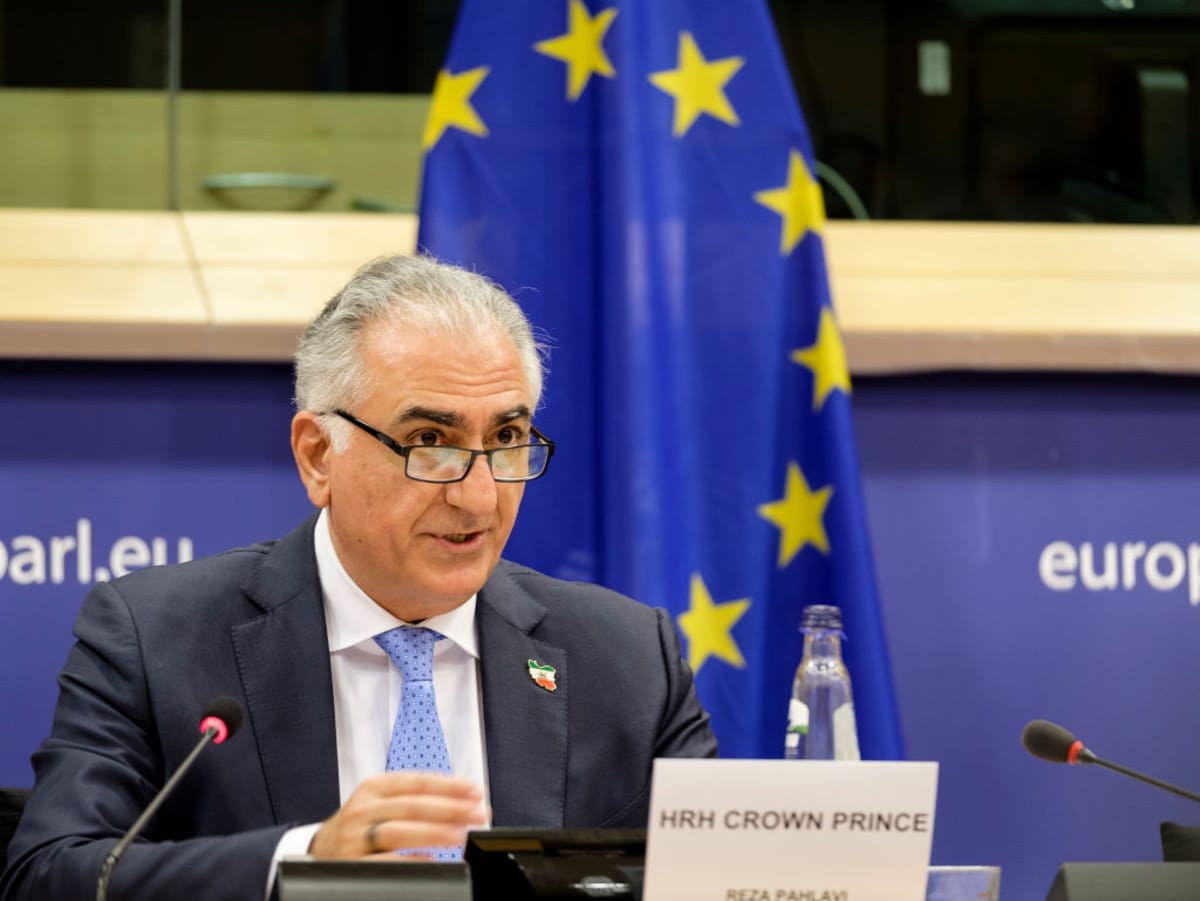
Protesters had chanted Pahlavi’s name during some demonstrations, though analysts cautioned that there was limited evidence of broad, organized support for him within Iran.
Pahlavi positioned himself as a potential leader of a post-regime transition, describing his vision as rooted in democracy and human rights.
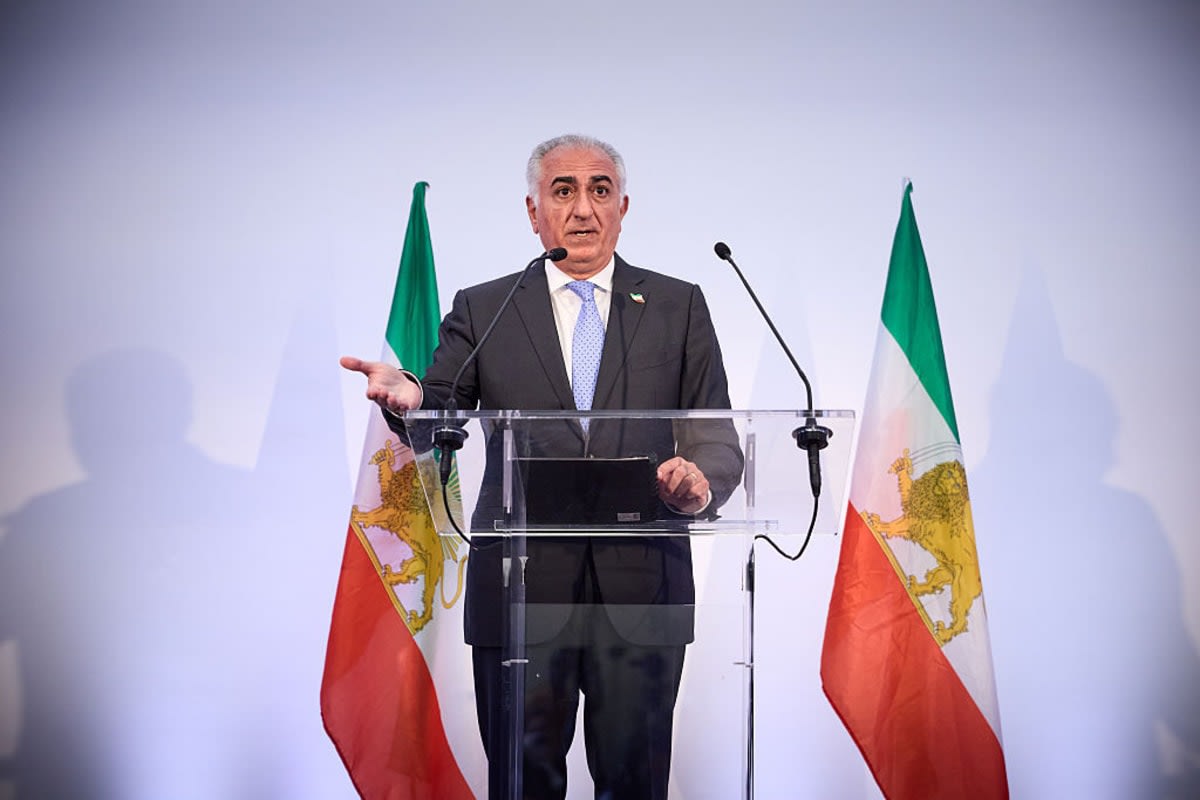
When asked whether US military intervention would be necessary, Pahlavi said strikes against Iran’s security apparatus could directly aid demonstrators.
“Any strike on those entities will facilitate our task, will prevent more loss of lives and will weaken the regime to a point that resistance will be futile,” he said, referring to the Revolutionary Guard Corps and affiliated paramilitary forces.
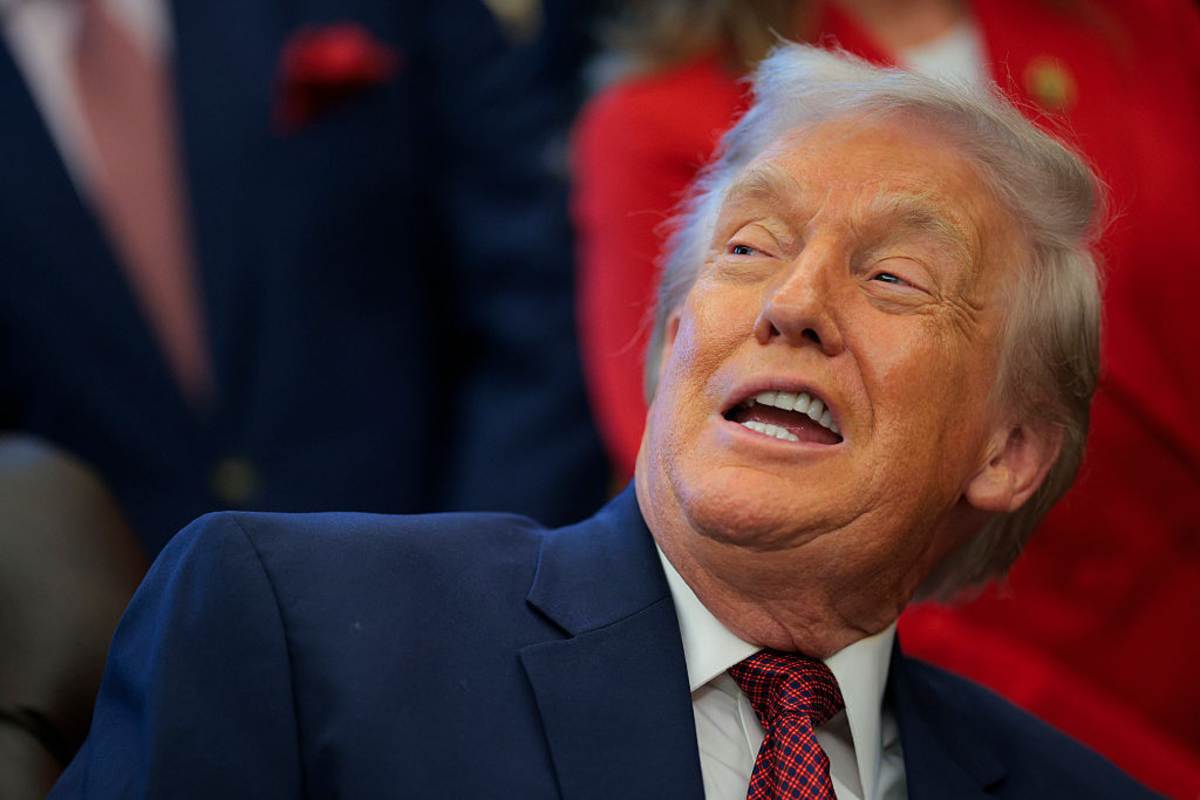
Trump, however, did not endorse Pahlavi as a political alternative. In comments to Reuters, the president said of Pahlavi, “He seems very nice, but I don’t know how he’d play within his own country.”
Trump signals restraint as Iran pauses executions
Trump’s recent comments suggested a more cautious posture following reports that Iran had halted what he said were planned executions of hundreds of detainees.
On Friday, the president thanked the Iranian government for not carrying out the hangings.
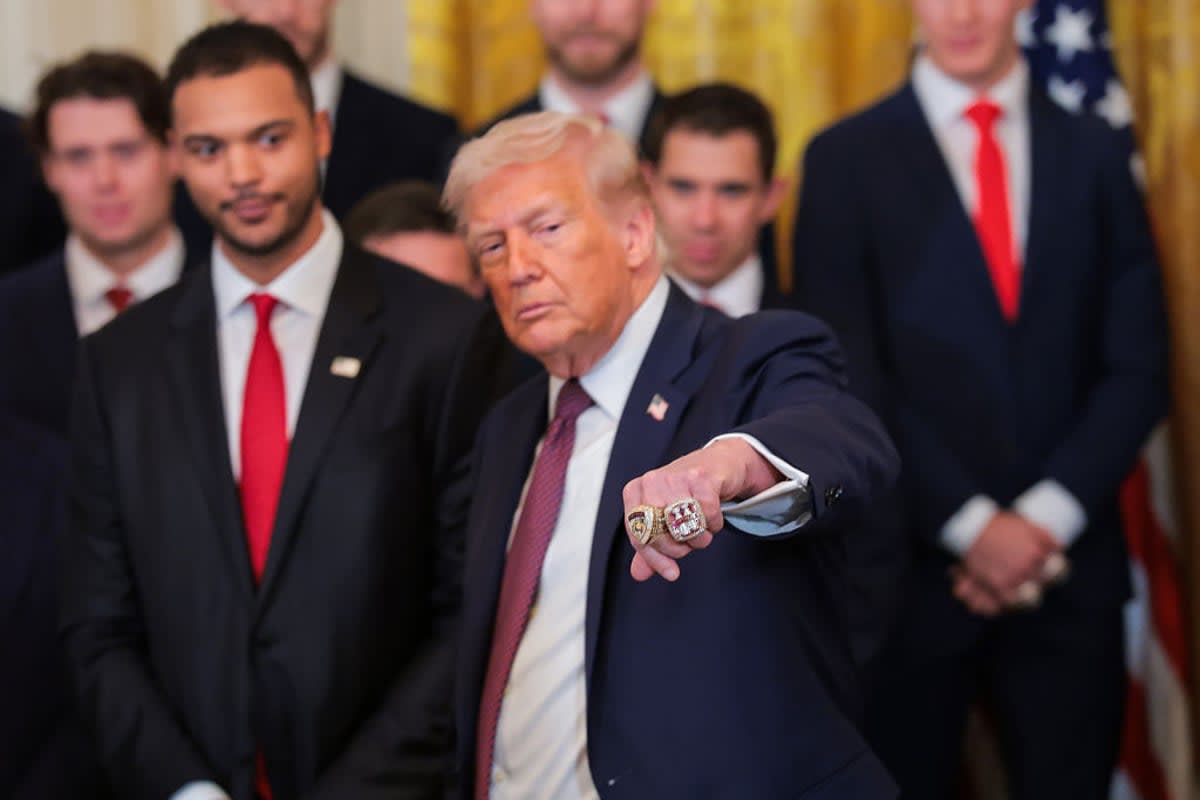
“Iran canceled the hanging of over 800 people,” Trump told reporters as he departed the White House for Florida. “And I greatly respect the fact that they canceled.”
Trump suggested that the pause had influenced his thinking, adding that the executions “had a big impact” on his decision-making.
When asked whether US intervention was still imminent, he replied, “Well, we’re going to see,” and said, “Nobody convinced me. I convinced myself.”
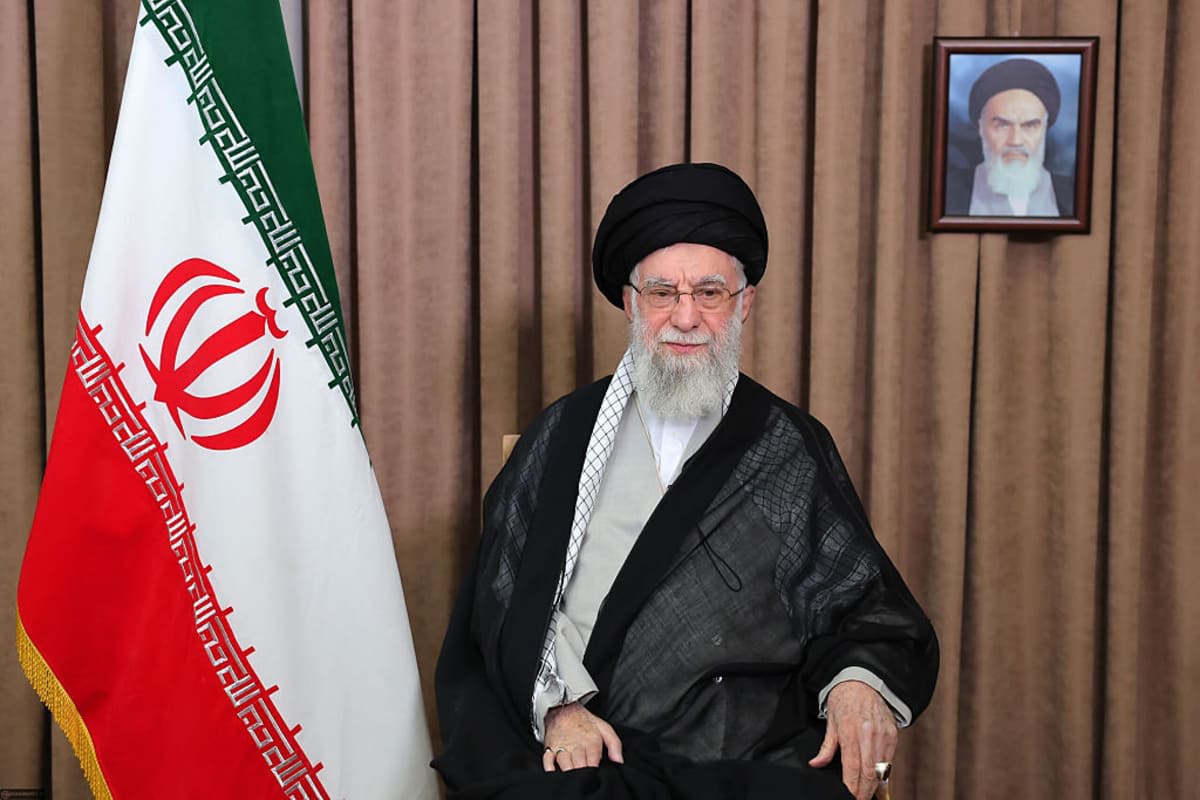
Activists claimed that deaths linked to the protests continued to rise, despite the reported halt in executions.
Iranian officials pushed back forcefully against the demonstrations. Ayatollah Ahmad Khatami, a senior cleric appointed by Supreme Leader Ayatollah Ali Khamenei, called for the death penalty for detained protesters during a sermon broadcast on state radio.

Khatami also accused protesters of acting on behalf of foreign powers, claims echoed by Khamenei, who said demonstrators were “ruining their own streets to make the president of another country happy,” seemingly referring to Trump.