Netanyahu says ceasefire or not the Iran war remains unfinished and the uranium must go
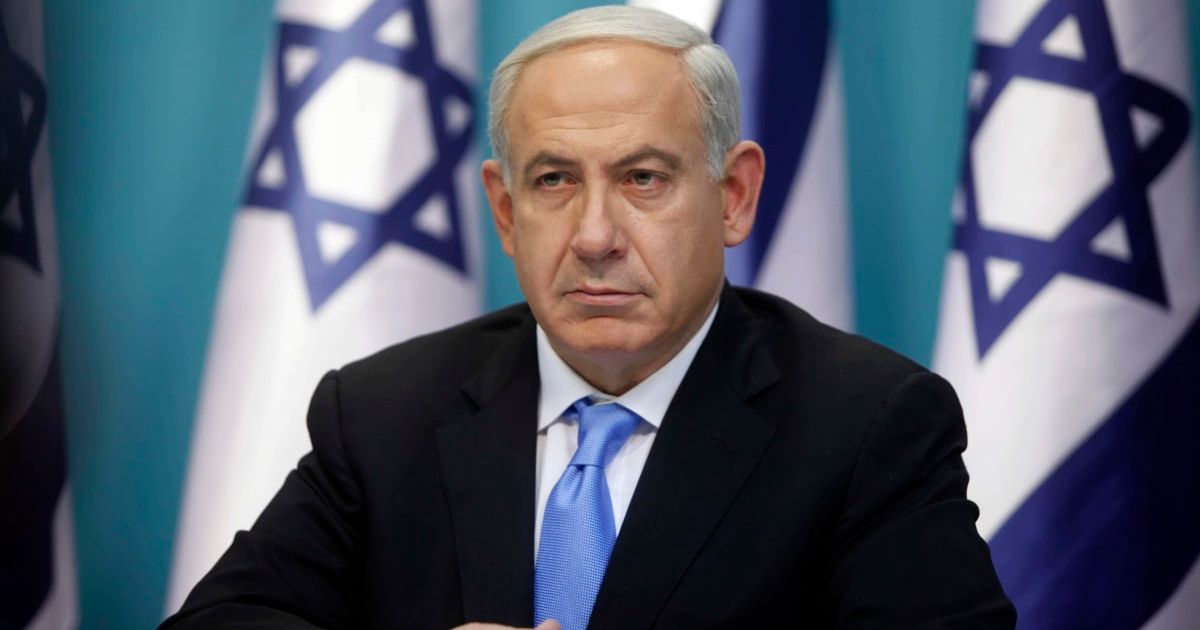
'We've degraded a lot of it (nuclear infrastructure) but all that is still there, and there's work to be done', Benjamin Netanyahu said
Israeli Prime Minister Benjamin Netanyahu said Iran's enriched uranium must be removed, warning key nuclear capabilities remained intact despite recent military setbacks (Getty Images)

TEL AVIV, ISRAEL: Israeli Prime Minister Benjamin Netanyahu said on Sunday, May 10, that Israel’s conflict with Iran remains unresolved despite a fragile US-brokered ceasefire, warning that Tehran’s nuclear infrastructure and uranium stockpile remain major security concerns.

Speaking with CBS News, Netanyahu said Israel had significantly weakened Iran’s capabilities but argued more action was needed. 

His remarks come as Washington and Tehran continue indirect diplomatic contacts over a broader agreement to end hostilities. Regional tensions remain elevated amid military exchanges and maritime disruptions in the Gulf.
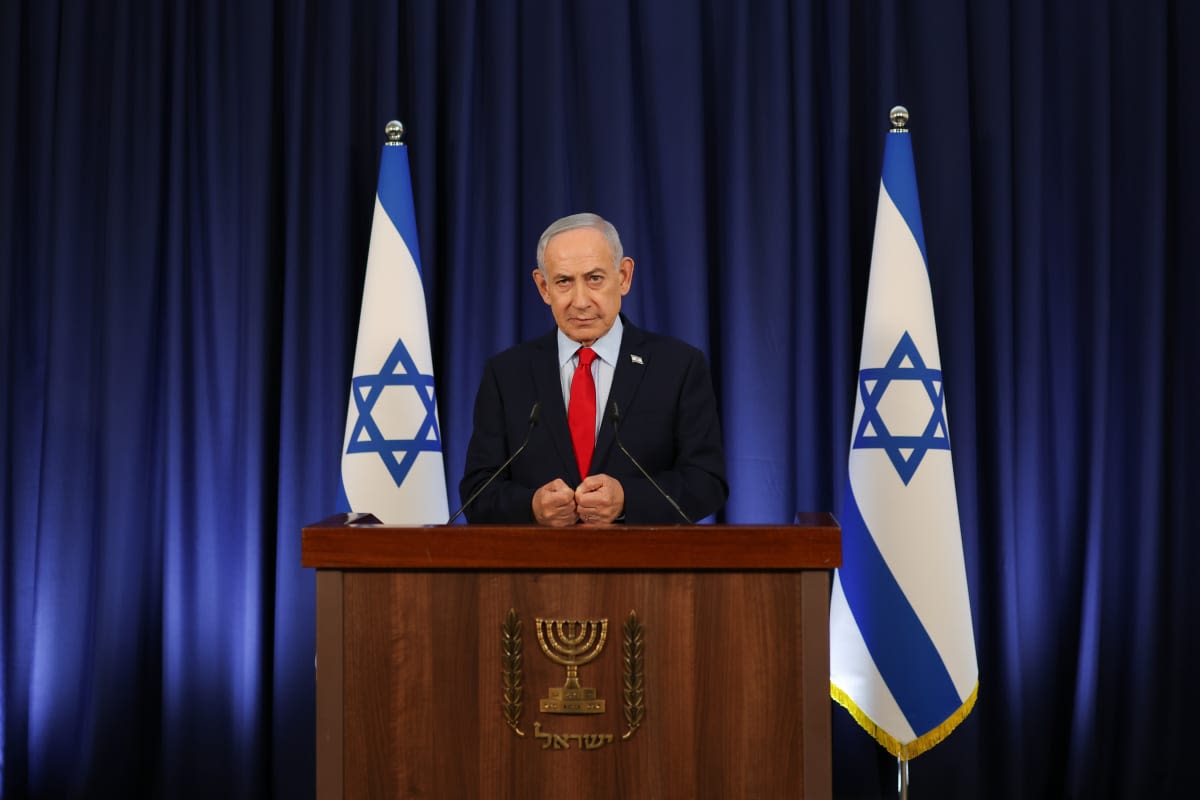
Israeli Prime Minister Benjamin Netanyahu speaks during a press conference in Jerusalem, Thursday, March 19, 2026. (Ronen Zvulun, Pool Photo via AP)
Israeli Prime Minister Benjamin Netanyahu speaks during a press conference in Jerusalem, Thursday, March 19, 2026 (Ronen Zvulun, Pool Photo via AP)

Benjamin Netanyahu says Iran's uranium stockpile remains key concern

Netanyahu said Iran still possesses a substantial amount of highly enriched uranium, which international nuclear monitors estimate at around 970 pounds, and argued that the issue remains central to any lasting resolution. 

“Now, we've degraded a lot of it,” Netanyahu said, referring to Iran’s nuclear infrastructure, missile production capabilities and allied regional forces. “But all that is still there, and there's work to be done.”


The Israeli prime minister said Iran’s uranium stockpile should ultimately be removed from the country, describing that as the clearest way to neutralize the risk posed by Tehran’s nuclear program.

“You go in, and you take it out,” Netanyahu said when asked how that could be achieved.

He said a negotiated diplomatic agreement would be the preferred outcome if it ensured the removal of the material.
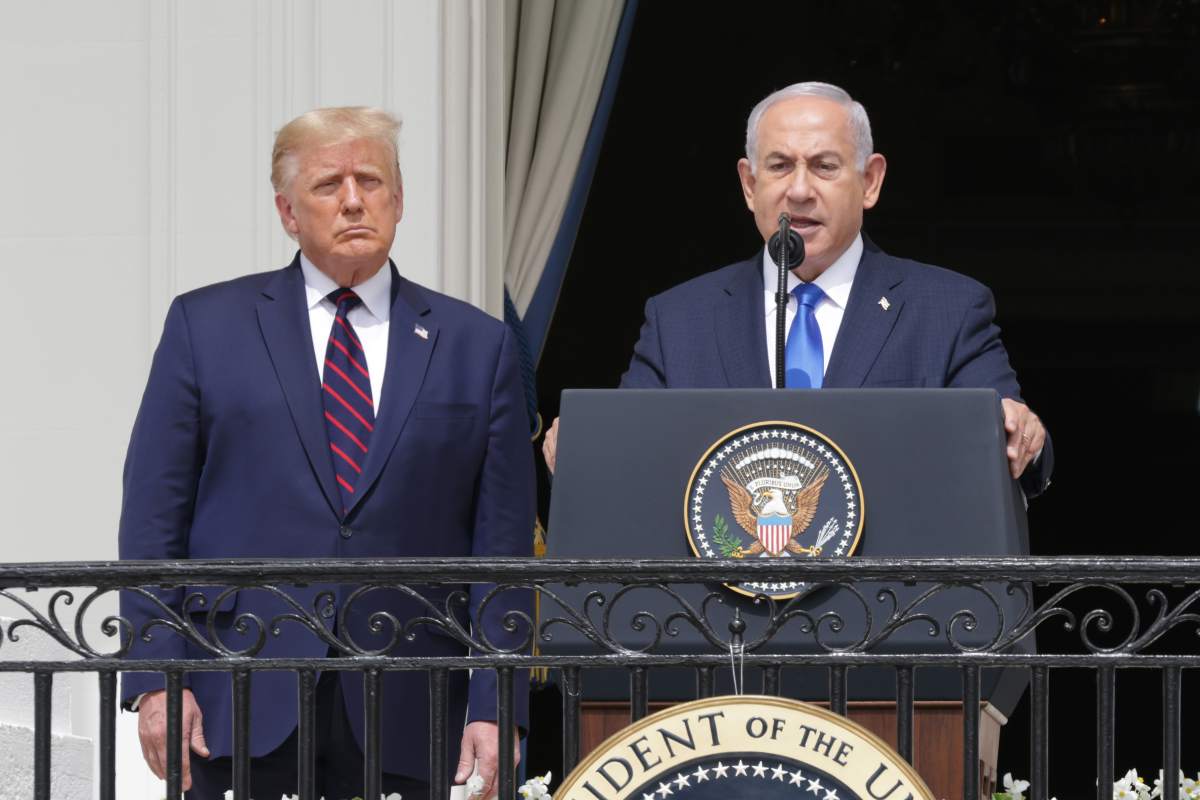
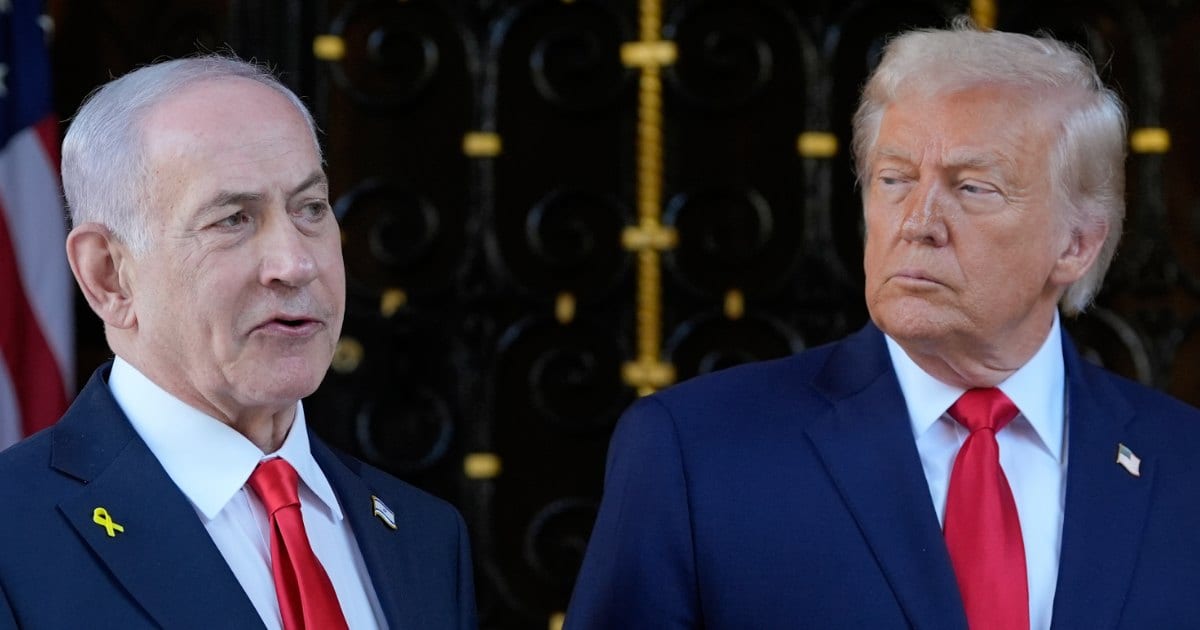
WASHINGTON, DC - SEPTEMBER 15: Prime Minister of Israel Benjamin Netanyahu speaks as U.S. President Donald Trump looks on during the signing ceremony of the Abraham Accords on the South Lawn of the White House September 15, 2020 in Washington, DC. Witnessed by President Trump, Prime Minister Netanyahu signed a peace deal with the UAE and a declaration of intent to make peace with Bahrain. (Photo by Alex Wong/Getty Images)
Prime Minister of Israel Benjamin Netanyahu speaks as President Donald Trump looks on during the signing ceremony of the Abraham Accords on the South Lawn of the White House, September 15, 2020, in Washington, DC (Alex Wong/Getty Images)

“If an agreement is reached, it would be the best way,” Netanyahu said. However, Netanyahu declined to outline what Israel’s next steps would be if negotiations failed or if Iran refused to comply.

“I’m not going to give a timetable to it, but I’m going to say that's a terrifically important mission,” he added.

Netanyahu also rejected suggestions that Israel and the United States were not aligned on Iran strategy, saying he remains in close contact with President Donald Trump as the two governments coordinate on the next phase of diplomacy and security planning.
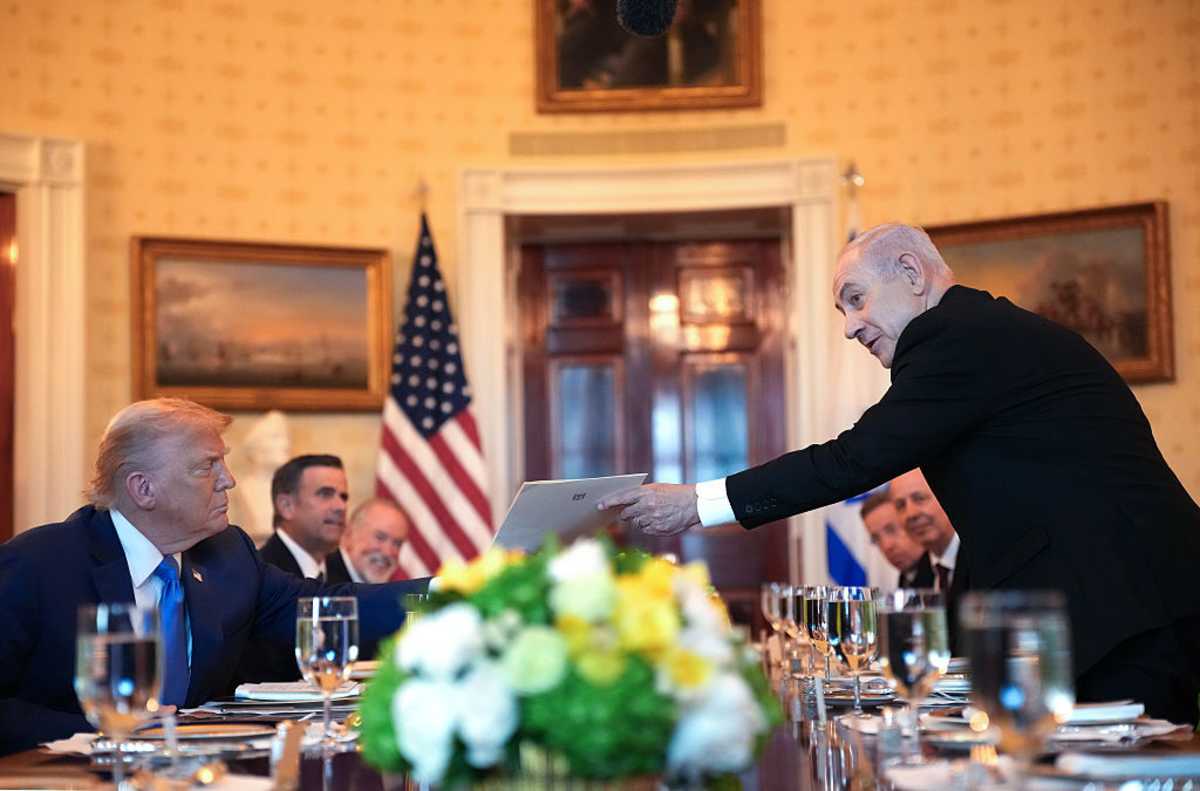
President Donald Trump (L) host Israeli Prime Minister Benjamin Netanyahu for a dinner in the Blue Room of the White House on July 7, 2025, in Washington, DC. Trump is hosting Netanyahu to discuss a potential ceasefire agreement to end the fighting in Gaza. (Photo by Andrew Harnik/Getty Images)
President Donald Trump hosts Israeli Prime Minister Benjamin Netanyahu for a dinner in the Blue Room of the White House on July 7, 2025, in Washington, DC (Andrew Harnik/Getty Images)

Regional tensions persist despite ceasefire and diplomatic push

Netanyahu’s comments come as the ceasefire between the United States and Iran remains in place, though military and maritime tensions continue across the region.

Iran’s Revolutionary Guard naval forces warned over the weekend that any attack on Iranian oil tankers or commercial vessels would be met with direct retaliation against US military assets and allied ships in the Gulf.

The warning followed reports from US Central Command that American forces disabled Iranian-linked vessels and intercepted attacks on naval assets near the Strait of Hormuz, one of the world’s most important oil transit corridors.
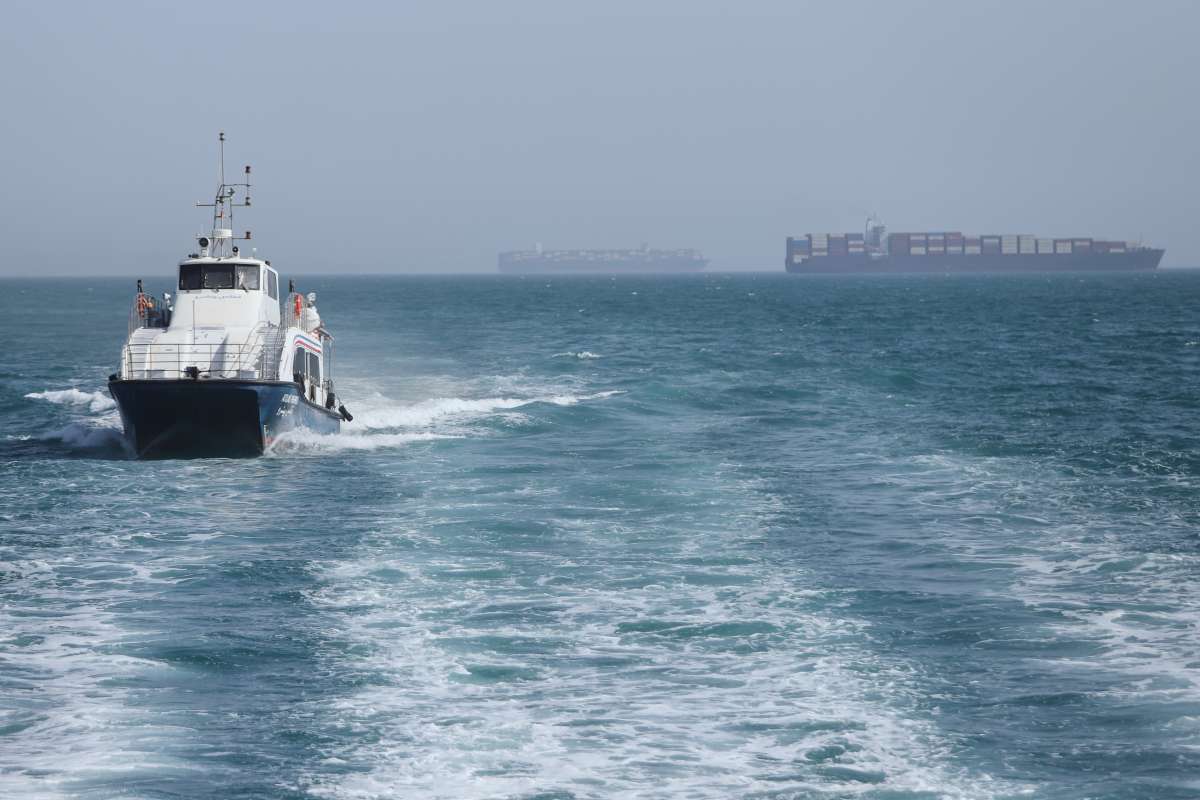
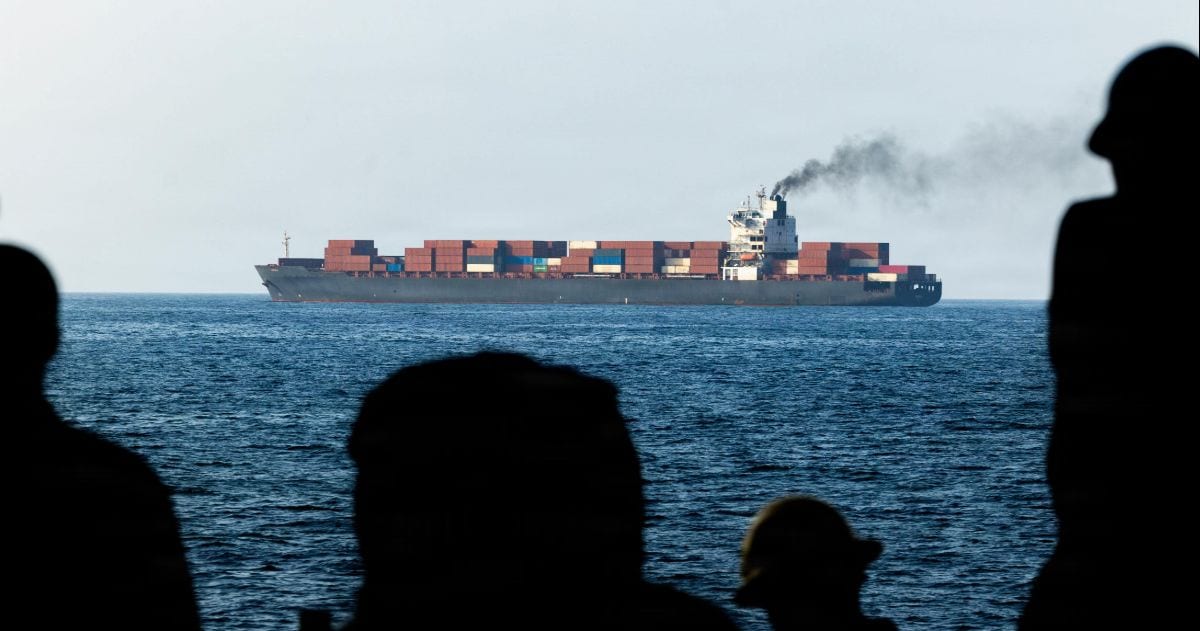
A patrol boat moves through the water as cargo ships sit at anchor in the Strait of Hormuz off Bandar Abbas, Iran, Saturday, May 2, 2026.(Amirhosein Khorgooi/ISNA via AP)
A patrol boat moves through the water as cargo ships sit at anchor in the Strait of Hormuz off Bandar Abbas, Iran, Saturday, May 2, 2026 (Amirhosein Khorgooi/ISNA via AP)

The United States has maintained naval pressure on Iranian ports, arguing the measures are intended to disrupt military financing and prevent escalation.

Washington has also continued to push Tehran toward a broader agreement that would address maritime security and nuclear activity.
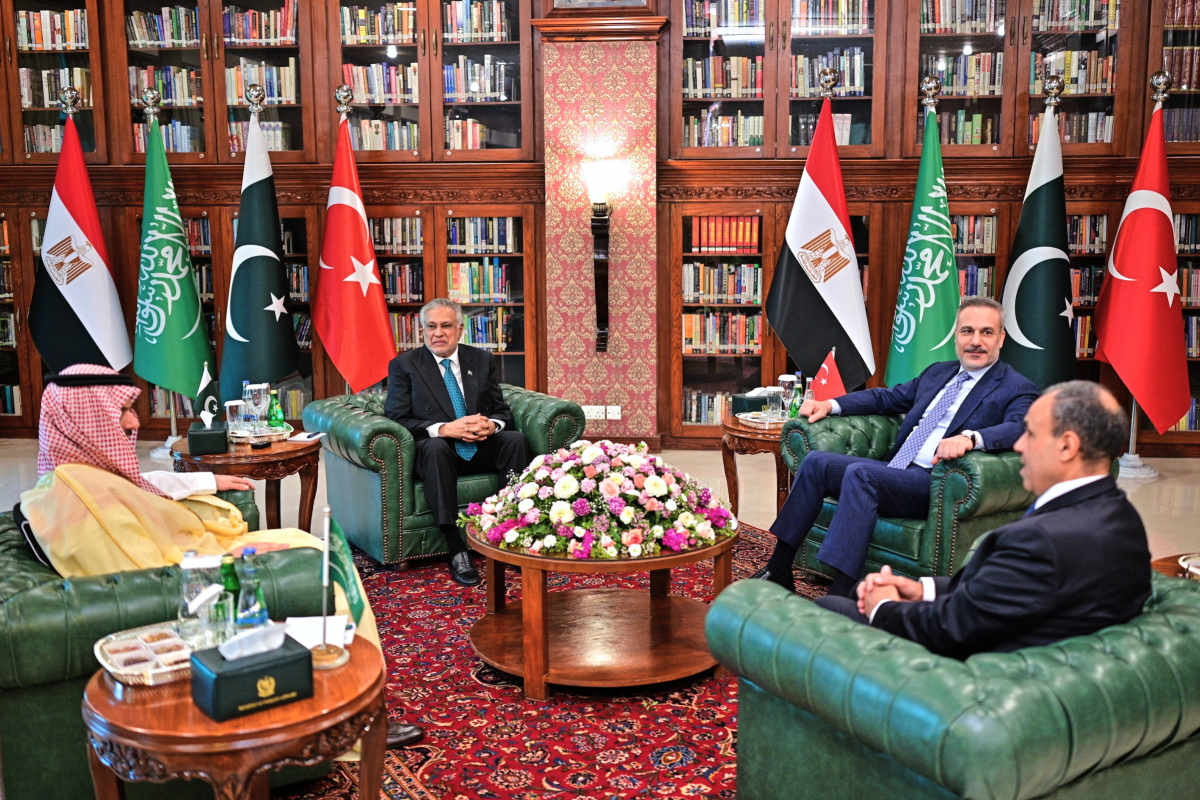
In this photo, released by the Pakistan Ministry of Foreign Affairs, from left, Saudi Arabia's Foreign Minister Prince Faisal bin Farhan Al-Saud, Pakistan's Foreign Minister Ishaq Dar, Turkish Foreign Minister Hakan Fidan and Egyptian Foreign Minister Badr Abdelatty attend a meeting to discuss Middle East war, in Islamabad, Pakistan, Sunday, March 29, 2026. (Pakistan Ministry of Foreign Affairs via AP)
In this photo, released by the Pakistan Ministry of Foreign Affairs, from left, Saudi Arabia's Foreign Minister Prince Faisal bin Farhan Al-Saud, Pakistan's Foreign Minister Ishaq Dar, Turkish Foreign Minister Hakan Fidan and Egyptian Foreign Minister Badr Abdelatty attend a meeting to discuss the Middle East war, in Islamabad, Pakistan, Sunday, March 29, 2026 (Pakistan Ministry of Foreign Affairs via AP)

Iran, meanwhile, has accused Washington of increasing pressure while negotiations continue through intermediaries, including Pakistan, which has been involved in facilitating communications between both sides.

Russia and Saudi Arabia have also urged renewed diplomatic engagement aimed at stabilizing the region.
RELATED TOPICS US STRIKES IRAN

GET BREAKING U.S. NEWS & POLITICAL UPDATES
STRAIGHT TO YOUR INBOX.

MORE STORIES

Tehran said Washington's demands were excessive, while the White House reviewed a proposed agreement that could have extended a fragile ceasefire
10 hours ago
'The era of the United States subsidizing the defense of wealthy nations is over. We need partners, not protectorates', Pete Hegseth said
11 hours ago
Defense chief says Iran talks favor US, warns forces remain strike-ready
11 hours ago
By choosing a stage in Asia to pressure European allies, Hegseth appeared to send a broader message about US strategic priorities
18 hours ago
Ebrahim Rezaei said cargo lines were coordinating with IRGC coastal monitors to secure safe passage through the Persian Gulf
1 day ago
Iran's speaker challenges US leverage before the projected two-month armistice deal
1 day ago
Kuwait intercepted an Iranian missile aimed at a US air base after American strikes near Hormuz, heightening fears of escalation
2 days ago
Bandar Abbas’ location near the Strait of Hormuz makes the US-Iran confrontation critical for global oil markets and regional security
2 days ago
Tehran releases a provocative 14-point draft treaty demanding massive financial assets
3 days ago
Tehran signaled a major escalation by executing an alleged operative called Gholamreza Khani Shakarab and threatening full retaliation for US actions
4 days ago