Fact Check: Did Trump demand changes to Canada's French language rules for trade deal?
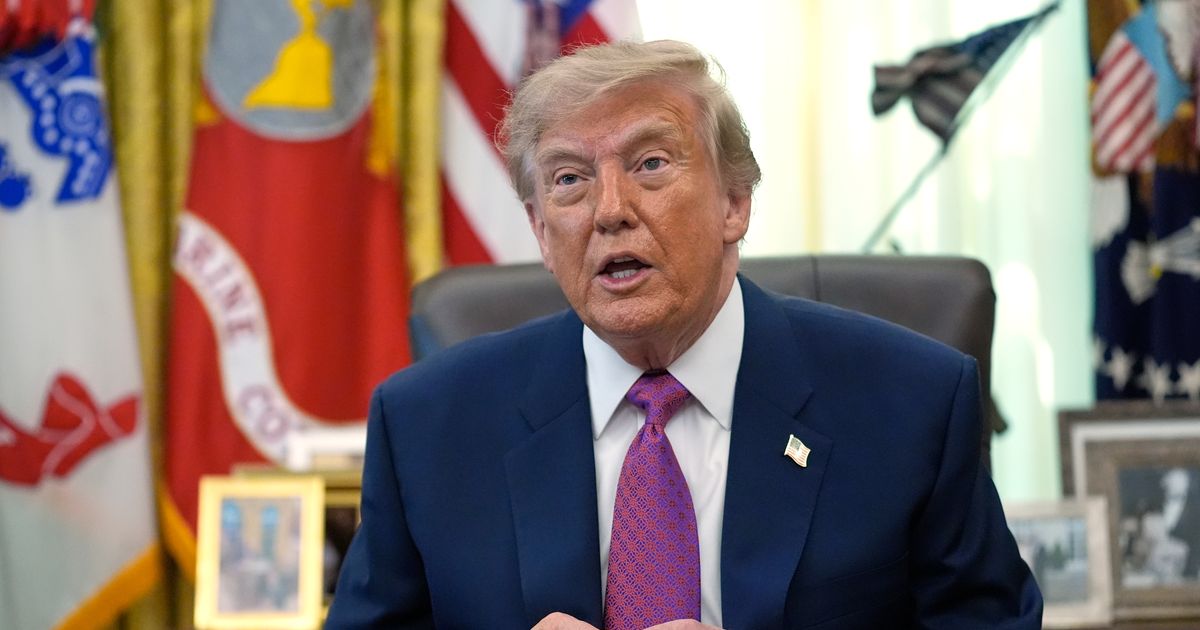
WASHINGTON, DC: US-Canada trade talks have collapsed amid growing tensions over tariffs and other policy disagreements. Canadian Prime Minister Mark Carney and US officials have offered different accounts of what led to the collapse. Amid the dispute, a claim that Canada walked away from the negotiations after President Donald Trump demanded changes to its French-language rules has gone viral. But did Trump actually make such a demand?
Claim: Trump demanded changes to the country's French-language rules
President Trump demands Canada change its French language, Quebec culture and Canadian identity as a condition for reversing tariffs.
— Olusegun Adepoju - RCIC-IRB (@Oluvik) August 22, 2026
This is no longer about a trade deal-it is about a takeover of Canada's sovereignty and identity. pic.twitter.com/bUSWklqFKY
In August 2026, a rumor spread online claiming that Canada walked away from trade talks with the US after President Trump demanded changes to the country's French-language rules.
Canada has two official languages, English and French. French is also the only official language of Quebec, Canada's second-largest province by both area and population.
The claim spread across social media platforms, including Facebook and X. One X post claimed, “President Trump demands Canada change its French language, Quebec culture and Canadian identity as a condition for reversing tariffs.”
The post shared a video of Canadian Prime Minister Mark Carney saying the two countries were close to reaching a trade deal before US negotiators changed their demands “at the last minute,” including demands related to French-language rules.
Fact Check: The claim is misleading
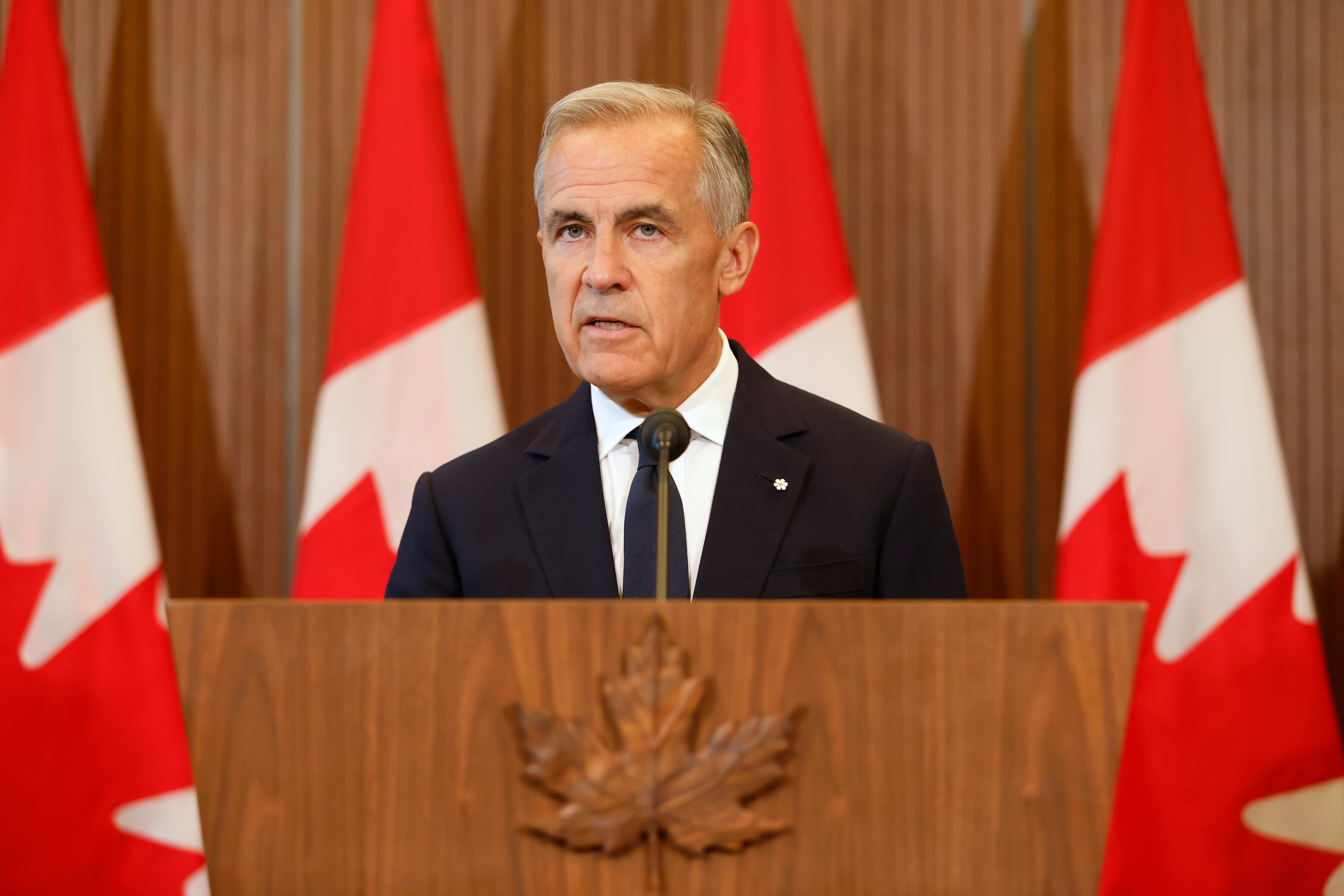
The claim is misleading. Canadian Prime Minister Mark Carney and US officials gave different accounts of what happened during the trade talks.
Carney said the US wanted Canada to make concessions on its French-language rules as part of a trade deal.
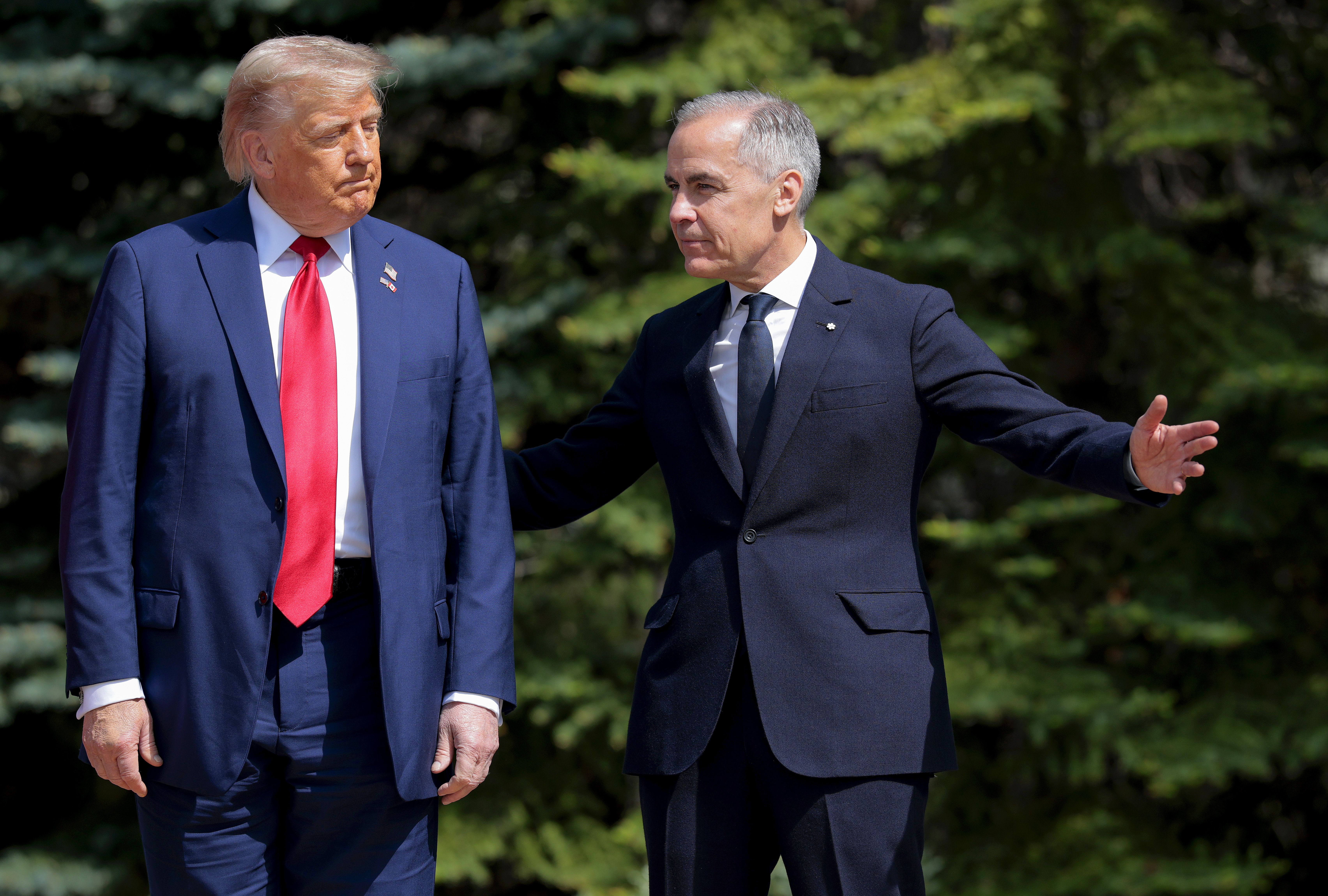
However, White House spokesperson Kush Desai said Canada rejected the deal because it wanted to maintain what he described as “one-sided access” to the US market without offering similar access in return. President Donald Trump also called Carney’s account “a lie” in a Truth Social post.
On August 24, 2026, US Trade Representative Jamieson Greer called Carney’s claim a “funny fake story.” However, two days later, Greer told Canada’s public broadcaster CBC that US negotiators had raised concerns about Canadian rules requiring online streaming services to make French-language content easier to find. He said those rules were discussed but were not a “red line” in the negotiations.
The Canadian government later welcomed the US decision to change its position on the language rules. On August 25, Trump also wrote on Truth Social that he “would never interfere with Canadians speaking French.”
Desai also claimed Canada rejected the offer because it wanted continued access to the much larger US market without providing reciprocal access.