Federal judge orders White House to restore access for CNN, MS NOW and Politico
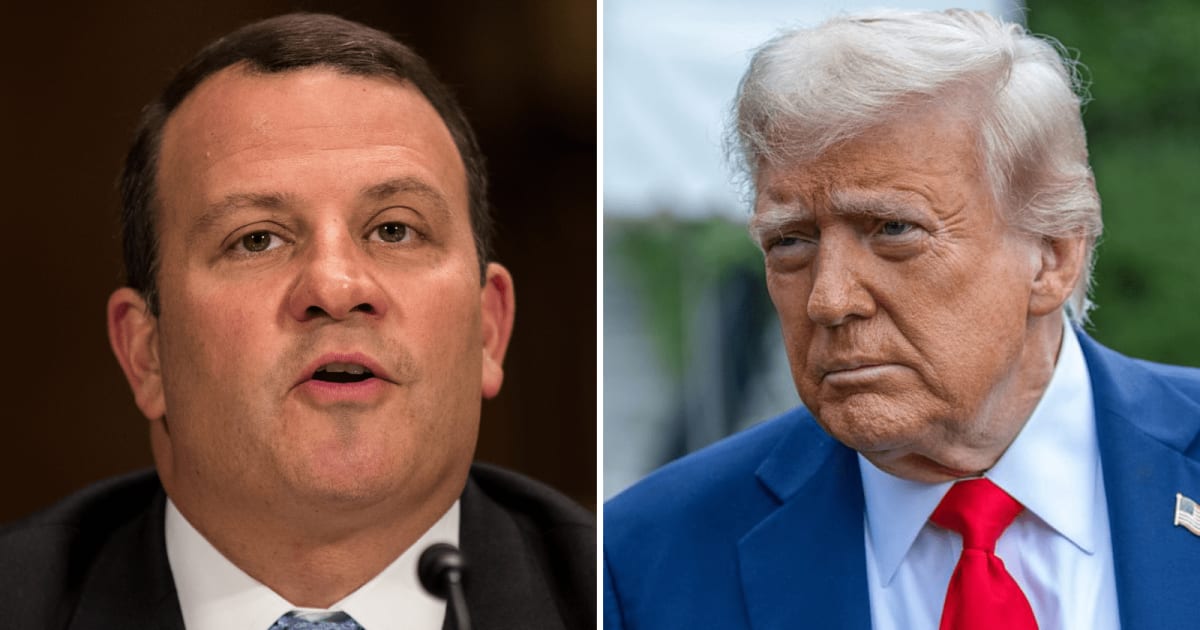
WASHINGTON, DC: On Thursday, a federal judge ordered the White House to immediately restore access for CNN, MS NOW, and Politico, stating that the outlets were likely to succeed in their legal challenge to the ban imposed by President Donald Trump.
US District Judge Timothy Kelly issued a 14-day temporary restraining order restoring the outlets' access as their legal challenge continues. Kelly said the government had revoked their press credentials without providing adequate due process.
Judge orders White House to restore CNN, MS NOW and Politico access
Kelly's order directed the Trump administration to reinstate access for CNN, MS NOW and Politico while the lawsuit proceeds. The outlets had challenged Trump's decision to bar them from the White House, arguing that the move violated their First Amendment rights and right to due process.
Trump, Kelly wrote, did not dispute that the outlets “did not receive notice and an opportunity to be heard before their hard passes were revoked.”
🚨 BREAKING: A federal judge has ordered the White House to IMMEDIATELY restore the press credentials of CNN, MS NOW, and POLITICO reporters after President Trump barred the outlets from the White House.
— MeidasTouch (@MeidasTouch) September 24, 2026
U.S. District Judge Timothy Kelly granted a 14-day temporary restraining… pic.twitter.com/0I0d0ZolK5
How Trump's White House media ban started
Trump announced the ban on the three news outlets in a post on Truth Social on Friday, saying it was “a result of their constant ‘reporting’ FAKE NEWS!”
“Media Outlets shouldn’t be able to constantly write or report FICTION and LIES when they’re covering the President of the United States, the Trump Administration, or the United States of America. Other Fake News Media Outlets to follow,” he said.
Trump had posted on social media before a Wednesday hearing in the case that he expected the “totally disloyal” Kelly, whom he nominated to the bench during his first term, to rule against him, adding that “as usual, we’ll go for appeal.”
Q: You posted that you intend to ban CNN, Politico, and MS Now from the White House. Every president takes an oath to uphold the Constitution, which includes the First Amendment. How do you justify this?
— Aaron Rupar (@atrupar) September 18, 2026
TRUMP: Because they're fake news. There may be others to join them. pic.twitter.com/PORNe4RPYO
Trump had also addressed the ban when asked how he justified barring CNN, Politico and MS NOW from the White House.
Speaking to reporters in the Oval Office a short time after the post, Trump referred to his directive as “the ban on the free press.”
“I don’t want them in my office. I don’t want them here,” he said.
Thursday's order rejected the White House's argument that banning the outlets was motivated by national security concerns.
CNN, MS NOW and Politico challenge Trump's White House ban
The outlets said in their suit challenging the ban that Trump's remarks show the policy was motivated by “retaliation” and “intended to cow” the outlets “into changing their reporting and threaten other journalists lest they suffer the same fate.”
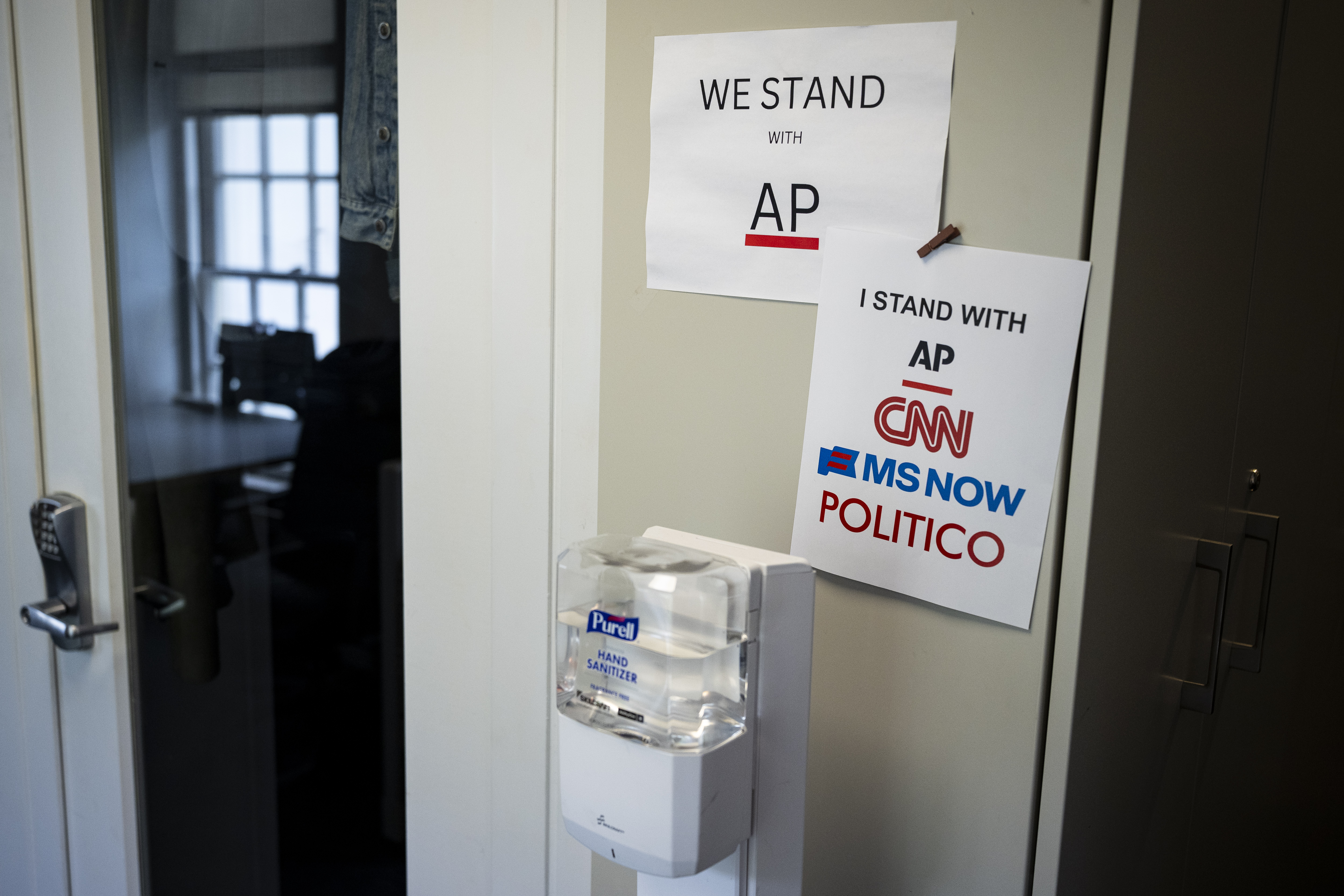 Signs supporting journalists from AP, CNN, MS NOW, and Politico were displayed in the White House press area (Graeme Sloan/Getty Images)
The “Constitution does not allow a president or any other government official to deprive the press of their First Amendment rights and liberty and property interests with no notice or process based solely on that official’s dislike of the content of their reporting. The ban is patently unconstitutional and should be immediately restrained,” they argued.
The White House appeared to be trying to address those due process claims in letters to the news outlets on Tuesday, which told them they could “contest this initial decision” in written responses by Friday.
Judge cites lack of clear standards for press credentials
Kelly pointed to a DC Circuit Court case, also involving Trump, that found that for a reporter's hard pass to be revoked, the government must first publish standards of conduct that would lead to the revocation.
Nothing in the record demonstrates “formally articulated standards,” the judge wrote. One standard the defendants “appear to offer,” reflected in the letters sent to the outlets, “is so vague it hardly does the trick.”