Federal judge upholds Trump’s $100K H‑1B visa fee despite business group challenge
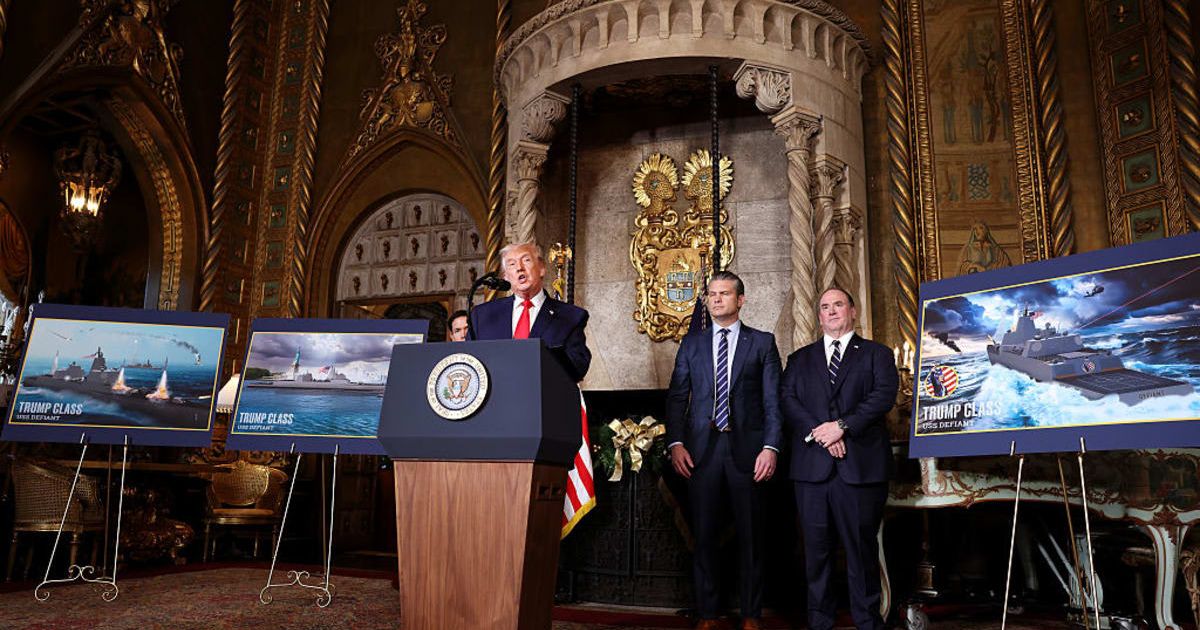
WASHINGTON, DC: A federal judge on Tuesday, December 23, upheld the Trump administration's $100,000 fee for H-1B visas, rejecting a legal challenge brought by business and higher education groups.
The ruling marks a significant development in the administration's broader effort to reshape the US immigration system, particularly programs used by technology and research sectors.
The decision comes amid multiple lawsuits and policy changes affecting employment-based visas. Plaintiffs retain the option to appeal the ruling.
Court upholds fee amid broader visa overhaul
US District Judge Beryl Howell ruled in favor of the Trump administration, dismissing a lawsuit filed by US Chamber of Commerce and the Association of American Universities, which argued that the $100,000 H-1B visa application fee was unlawful.
Judge Howell concluded that the administration acted within its authority in imposing the fee as part of its immigration reforms.
The ruling follows a separate lawsuit filed earlier this month by 18 Democratic-led states challenging the same fee.
While the decision represents a setback for opponents of the policy, the business groups involved have indicated they may appeal.
The H-1B visa program allows US employers to hire foreign workers in specialized occupations, particularly in technology, engineering and scientific research.
Under existing caps, the United States admits 65,000 H-1B workers annually, with an additional 20,000 slots reserved for applicants holding advanced degrees from US institutions, according to the Department of Homeland Security (DHS).
In addition to raising fees, the administration has moved away from the program's long-standing random lottery system.
Officials say future visa allocations will prioritize higher-skilled and higher-paid applicants, a shift DHS argues better aligns with congressional intent.
“The existing random selection process of H-1B registrations was exploited... by US employers who were primarily seeking to import foreign workers at lower wages than they would pay American workers,” said US Citizenship and Immigration Services spokesman Matthew Tragesser in a statement.
“The new weighted selection will better serve Congress’ intent for the H-1B program and strengthen America’s competitiveness by incentivizing American employers to petition for higher-paid, higher-skilled foreign workers,” Tragesser added.
New investor visa highlighted alongside immigration changes
The ruling comes as President Donald Trump continues to promote additional immigration initiatives aimed at reshaping legal entry into the United States.
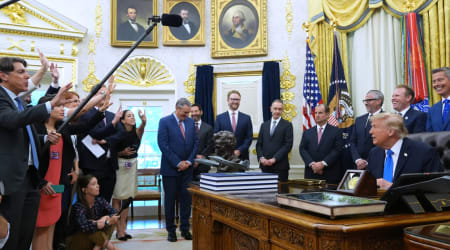
During a press event in the White House's Roosevelt Room on December 19, Trump unveiled what he called the "Trump Gold Card," a new investor visa option.

Holding up the card, Trump described it as a "Green card on steroids," and said that it would help determine "the type of people who enter America."
Commerce Secretary Howard Lutnick said during the event that the administration had raised approximately $1.3 billion in a matter of days through sales of the card.