From 'space race' to 'real estate', 7 reasons global analysts gave for Trump wanting Greenland
7 reasons analysts gave for Trump wanting Greenland
WASHINGTON, DC: President Donald Trump’s intensified push to acquire Greenland is a move he frames as a 'strategic necessity' to protect the United States from growing foreign threats.
While the proposal has sparked intense debate, here are seven reasons global analysts offered for Trump wanting to acquire Greenland.
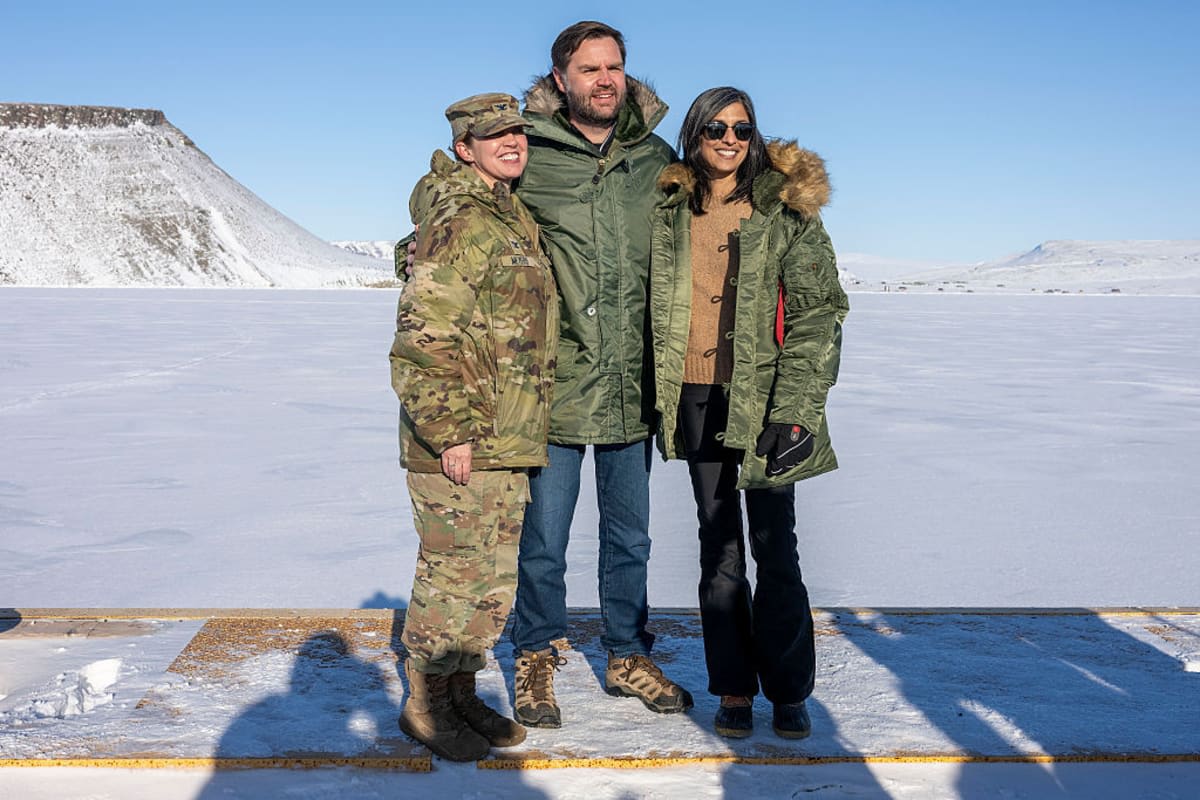
1. The Space Race
Pippa Malmgren, chief executive of Geopolitical Institute, argues that the modern 'space race' isn't just about launching rockets, but about controlling the 'umbilical cord' of data between satellites and Earth.
Currently, the West relies heavily on the Svalbard ground station in Norway because the Arctic is the 'most effective location' for tracking space data.
However, Malmgren points out that Svalbard is a 'single point of failure' because it is governed by an old treaty allowing over 40 nations, including Russia, to operate there.
If Norway begins to 'exercise firmer control' over these links or if geopolitical tensions rise, the US risks losing its grip on what the Pentagon considers the 'most important warfighting domain.'
To solve this, the US needs 'its own independent control over data links' rather than 'sharing sovereignty' with other nations, according to Malmgren.
It may be mentioned that while the US has a presence in Alaska, Malmgren suggests it is 'too far away' to be sufficient.
This explains the strategic interest in Greenland -- by establishing a primary ground station there, the US can bypass the diplomatic risks of the Svalbard Treaty.
Malmgren noted that in a new era where space infrastructure involves 'self-assembling, self-replicating 3D printers' rather than just traditional launches, owning the ground stations that manage that data becomes the 'highest priority of the United States.'

2. The power of real estate
Heather Conley, a senior fellow at the American Enterprise Institute, suggests that Donald Trump’s background as a developer plays a significant role in his persistence in acquiring the island.
Conley connects Trump’s interest to that of a 'junkyard dog,' and that he will just 'not let this go.'
Trump, as a real estate professional, Conley noted that 'as a real estate professional, there is something incredibly attractive to him about ownership of the world's largest island.'
3. Cementing a presidential legacy
Conley believes that acquiring Greenland would allow Trump to 'cement his position as a historic figure that actually enlarged the United States.'
Conley further suggests that 'unless there are things that will stop him, stock market problems, economic problems, real resolve, I think he believes he can get his way, which is why I think he said there's no going back.'
4. Sea lanes and missile defense
Heather Conley also explained that Greenland is a primary target of interest because it "occupies a very strategic part of land" that serves as the 'ark of the Arctic region.'
Its importance is rooted in the military necessity to 'keep these sea lanes open' so that US equipment can move freely, a mission that mirrors the island's role during World War II and the Cold War.
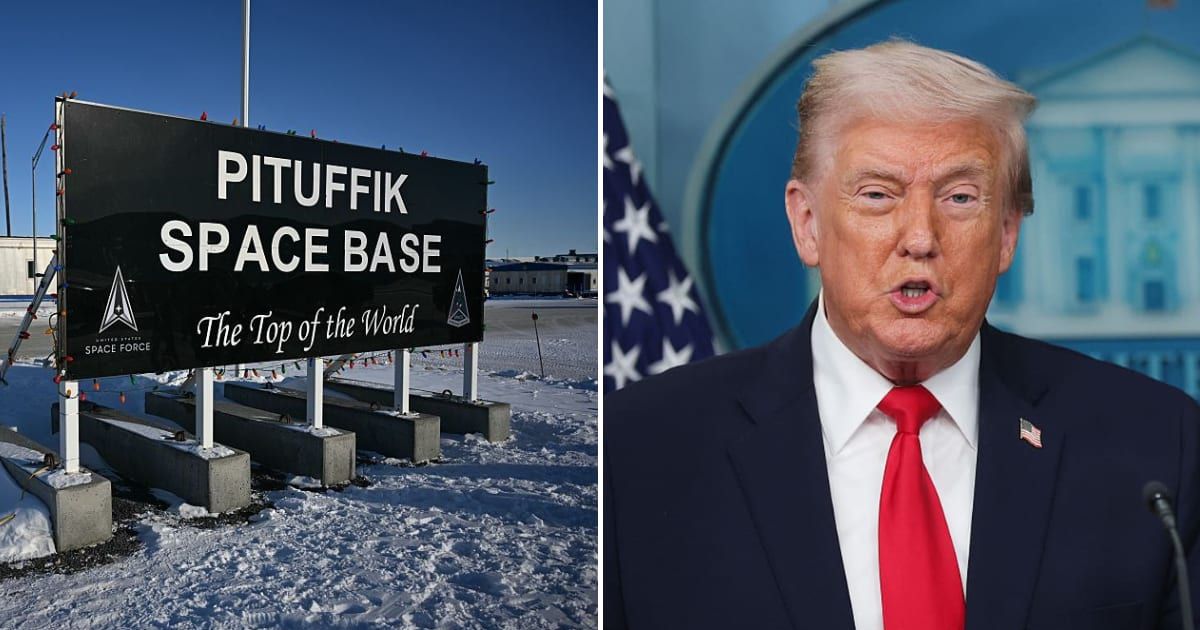
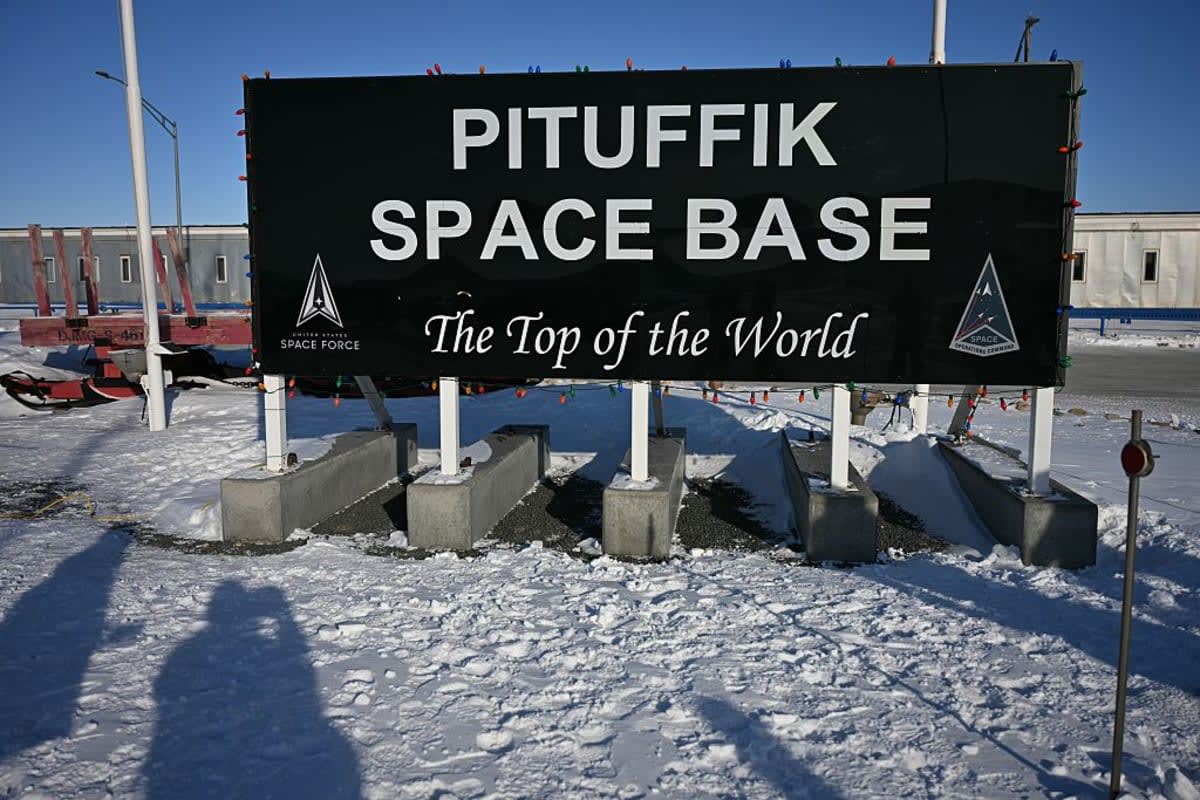
Today, this land is vital for 'missile defense' because the Pituffik Space Base houses an 'early warning radar that helps to detect' Russian missiles.
Furthermore, Greenland is essential for 'detecting Russian nuclear submarines' within the 'famous Greenland, Iceland, United Kingdom gap' (GIUK gap).
Conley warns that without this foothold, submarines could 'slip through and potentially threaten... the east coast of the United States,' especially as Russia and China increase their 'military posture' and 'scientific research vessels' in the region.
5. Rare-earth elements of the island
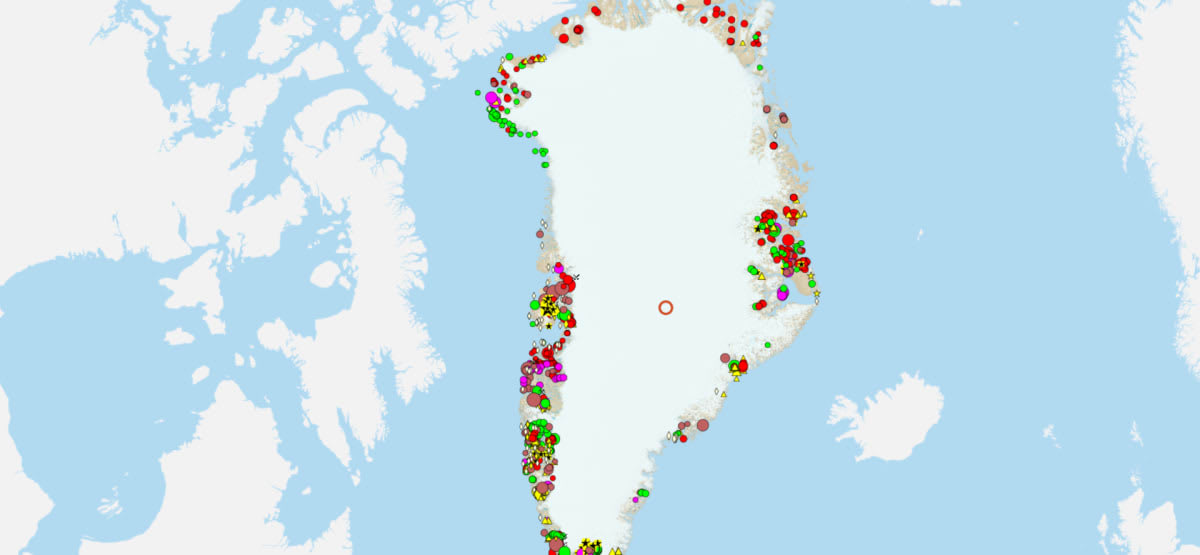
Greenland sits on rich deposits of rare-earth elements like uranium and zinc, and minerals that are 'invaluable to clean-energy technologies, electronics, and the defense sector.'
Currently, China controls over 80 percent of the world’s rare-earth processing power, a dependency the US government is eager to break.
Mining sites like Kvanefjeld and Tanbreez are among the largest in the world, with Kvanefjeld alone holding over 11 million metric tons of reserves.
By securing these deposits, the US would not only fuel its green energy transition but also gain significant leverage in global trade talks while blocking China from accessing rare earths on the island.
6. Leveraging Tariffs for NATO Reform
Many analysts believe the Greenland 'problem' is actually a tactical move to achieve other goals.
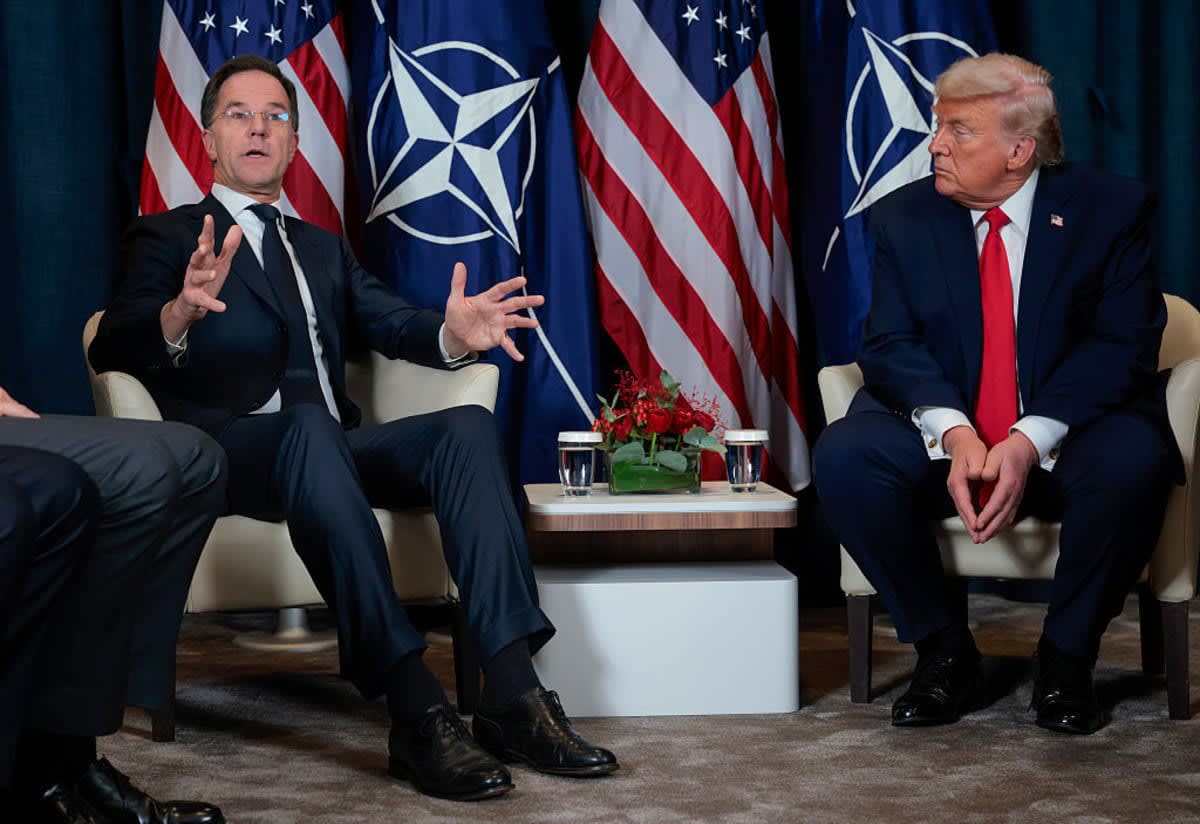
Standard Chartered analysts suggest that Trump’s escalation is designed to force Europe to boost its defense spending and to create grounds for alternative tariffs.
Trump creates leverage to ensure they stay aligned with American economic and military priorities without truly destabilizing the NATO alliance.
Standard Chartered said that the escalation is designed to 'force Europe to boost defence spending, create the grounds for imposing alternative tariffs on Europe if the Supreme Court rules the current tariffs illegal (a decision has been delayed by at least a month, with the Court going on a four-week recess).'
It added, “Tariff revenues are an imperative for the Trump administration, since it needs to keep the fiscal deficit in check and bond yields capped in a mid-term election year.”
7. Countering the China and Russia threat
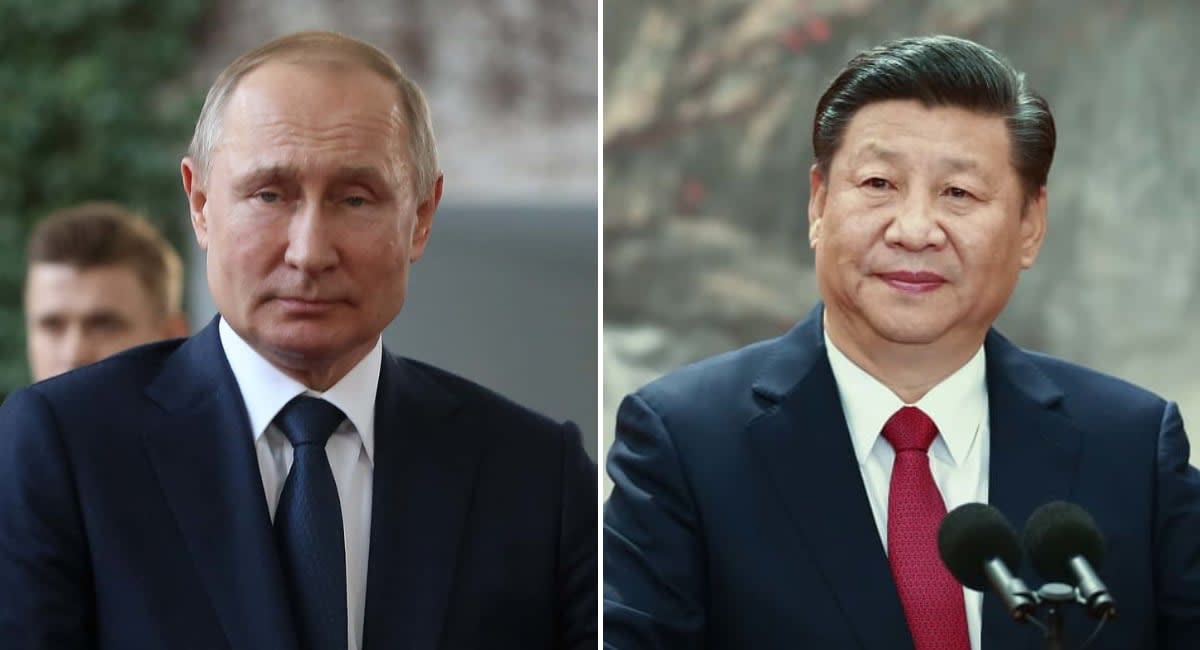
The US is deeply concerned about the growing military presence of Russia and China in the Arctic region.
President Trump has asserted that 'Greenland is very important for national security.'
He has also argued that 'there’s not a thing that Denmark can do about it if Russia or China wants to occupy Greenland.'
It may be noted that Russia has been building new military bases along its Arctic coast, which are geographically close to Greenland and the United States.
Meanwhile, China has increased its presence through scientific research vessels and container ships.
Analysts argue that by securing Greenland, the US can better detect and deter these rivals.