Hegseth to join Trump on high-stakes China trip as Iran ceasefire teeters
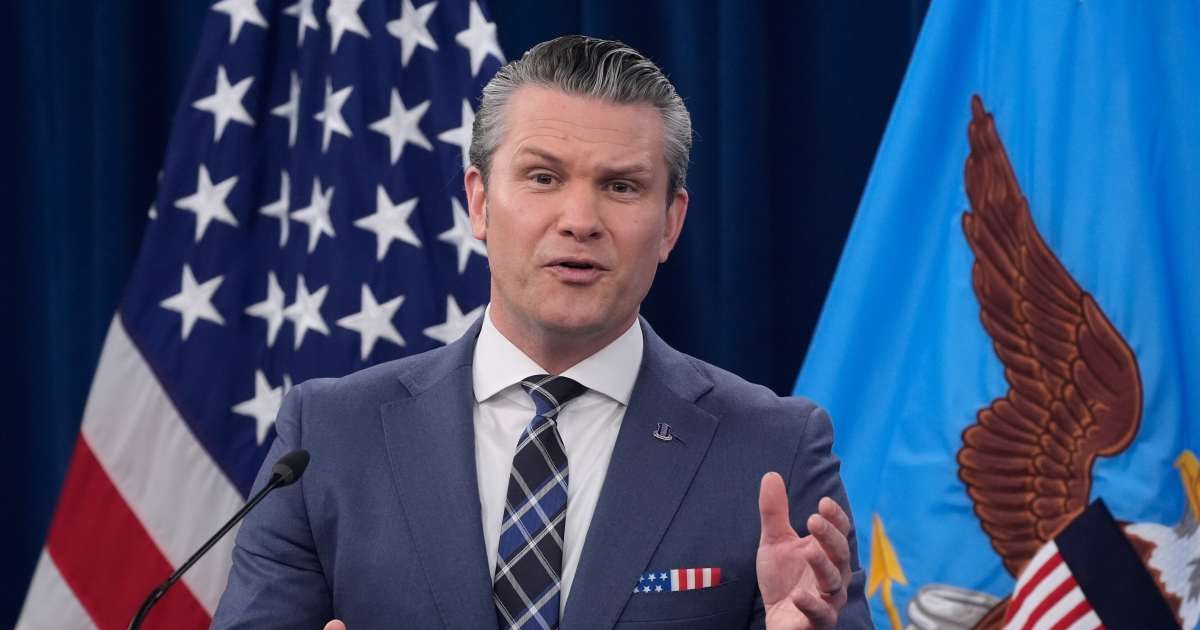
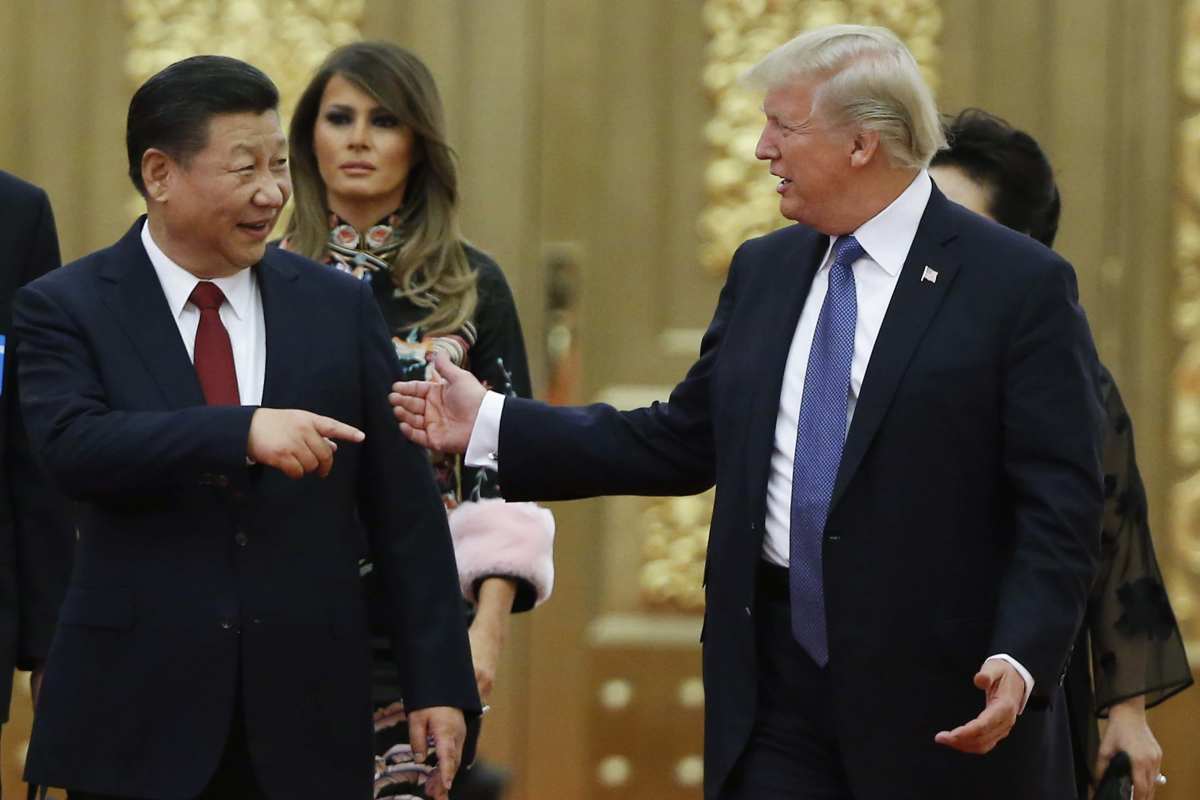
WASHINGTON, DC: Defense Secretary Pete Hegseth says he will accompany President Donald Trump to Beijing as tensions over Iran, Taiwan and regional security cast a shadow over the diplomatic trip.
US Defense Secretary Pete Hegseth confirmed on Tuesday that he will accompany President Donald Trump on the administration’s closely watched visit to China, a trip unfolding against the backdrop of mounting uncertainty surrounding the fragile ceasefire between the United States and Iran.
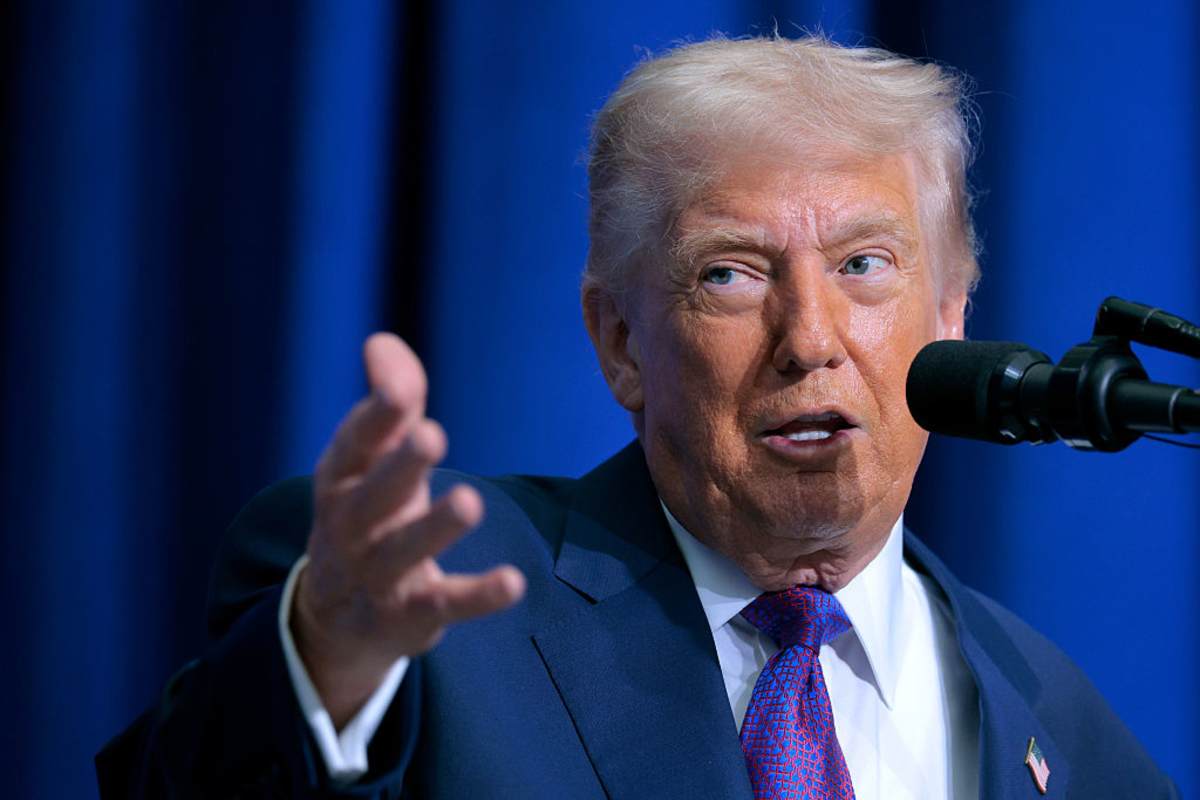
Trump heads to Beijing amid growing global uncertainty
Speaking before lawmakers on Capitol Hill, Hegseth signaled that major foreign policy and security decisions, including sensitive questions surrounding Taiwan and military strategy in the Indo-Pacific would likely be addressed directly by Trump during the Beijing visit.
“The president’s on the cusp of a trip and I’ll be with him, and he will make all decisions related to that,” Hegseth said when asked about the status of US weapons sales to Taiwan.
Trump is expected to depart Washington for Beijing later Tuesday, marking one of the most consequential diplomatic missions of his presidency as geopolitical tensions continue to intensify across multiple regions.
The trip comes at a particularly volatile moment, with the Middle East ceasefire appearing increasingly unstable and Washington’s relations with Beijing balancing between strategic competition and urgent diplomatic coordination.
Iran ceasefire appears increasingly fragile
The Beijing visit comes as the White House confronts deep uncertainty over the future of the ceasefire agreement involving Iran.
Trump himself acknowledged Monday that the truce remains dangerously unstable, describing it as being on “massive life support” and “unbelievably weak.”
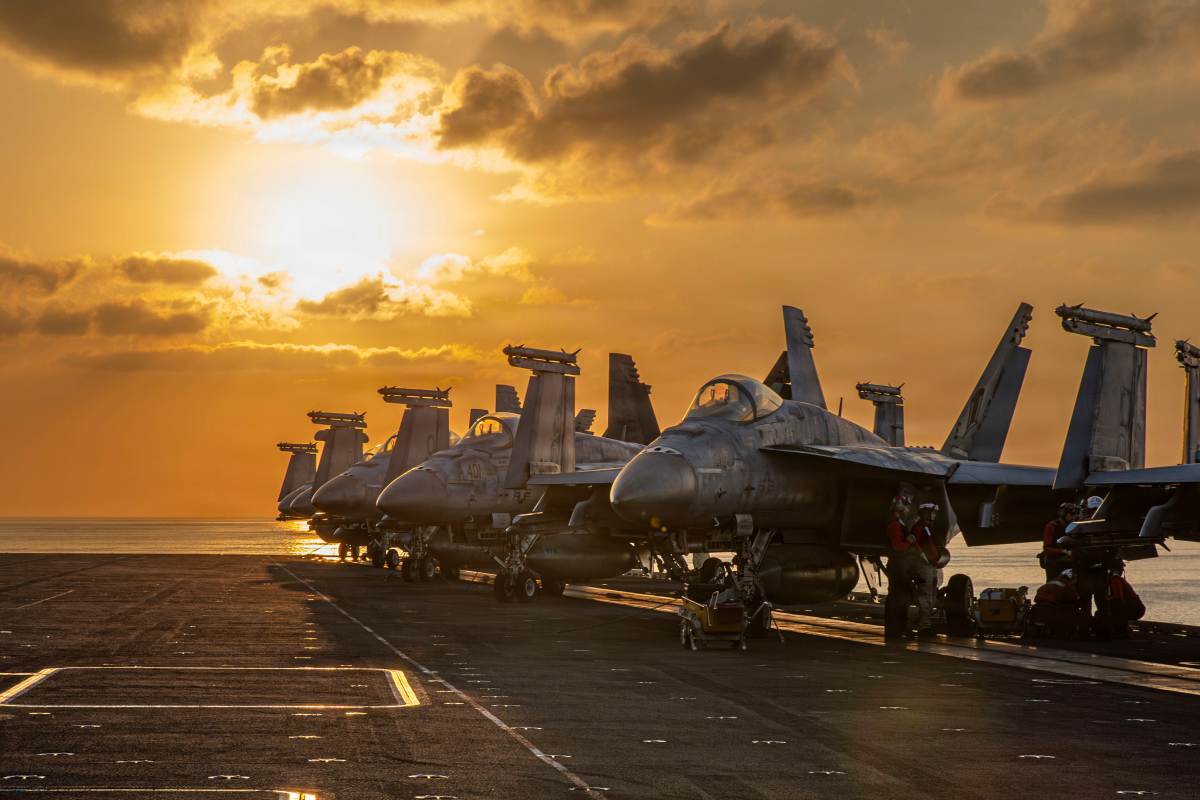
Administration officials have continued to stress that the US military remains prepared for renewed operations should hostilities resume.
Hegseth has repeatedly stated in recent days that American forces stand ready to restart military action against Iran if ordered by the president.
The renewed tensions follow weeks of escalating confrontation involving the United States, Iran and Israel, including strikes on strategic facilities, maritime disruptions near the Strait of Hormuz and retaliatory threats exchanged across the region.
Despite diplomatic efforts to stabilize the situation, officials within the administration reportedly remain uncertain about how long the current pause in fighting can hold.
Sources familiar with internal White House discussions told CNN that no major strategic decisions regarding the Iran conflict were expected before Trump’s arrival in China.
That timing has increased speculation that the Beijing trip could become a critical venue for broader geopolitical discussions involving regional security, energy markets and diplomatic mediation.
China emerges as possible diplomatic intermediary
Adding another layer of significance to Trump’s visit, Iran’s ambassador to China publicly suggested Tuesday that Beijing could play a central role in easing tensions between Tehran and Washington.
According to Iran’s state-run IRNA news agency, Iranian Ambassador Rahmani Fazli said China is viewed in Tehran as a potentially important stabilizing force capable of helping reduce hostilities.
“China can be an important force for reducing tensions between Tehran and Washington, but mediation should not become a tool for managing pressure against Iran,” Fazli told IRNA.
The remarks underscore China’s increasingly influential position in Middle Eastern diplomacy as Beijing seeks to expand its geopolitical footprint while presenting itself as an alternative power broker to Washington.
Fazli described China not merely as an economic ally, but as part of Iran’s broader “political balancing” strategy against external threats.
The Iranian diplomat’s comments came shortly after a visit to China by Iranian Foreign Minister Abbas Araghchi, signaling intensified diplomatic engagement between Tehran and Beijing in the aftermath of the recent conflict.
Tehran seeks strategic realignment after conflict
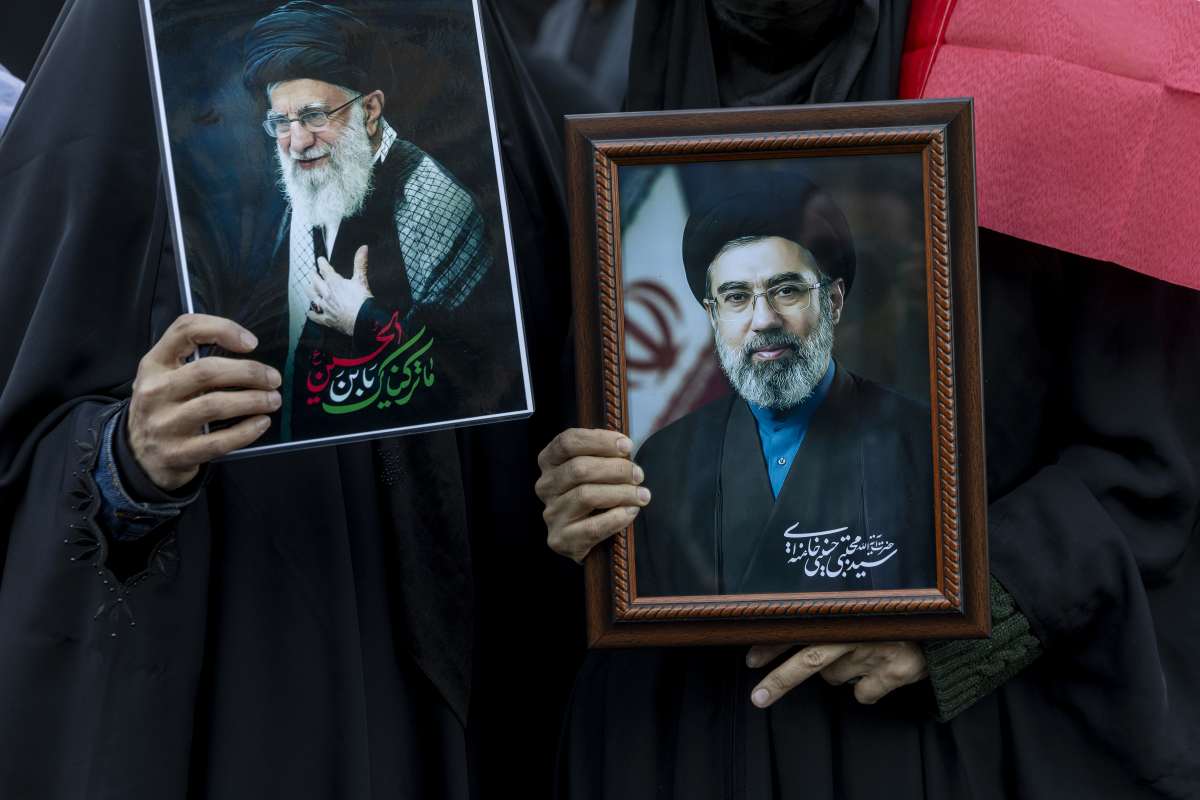
Iranian officials indicated that Tehran is attempting to reposition itself diplomatically following the recent confrontation involving the United States and Israel.
According to Fazli, Iran’s current strategy extends beyond immediate military responses and instead focuses on rebuilding strategic partnerships capable of countering Western pressure.
“Iran, in managing the post-war phase, is not merely relying on temporary reactions, but is seeking to redefine its diplomatic alignment through engagement with strategic partners,” Fazli said, according to IRNA.