Hezbollah rejects US-brokered Israel-Lebanon ceasefire, calls deal 'humiliating and insulting'
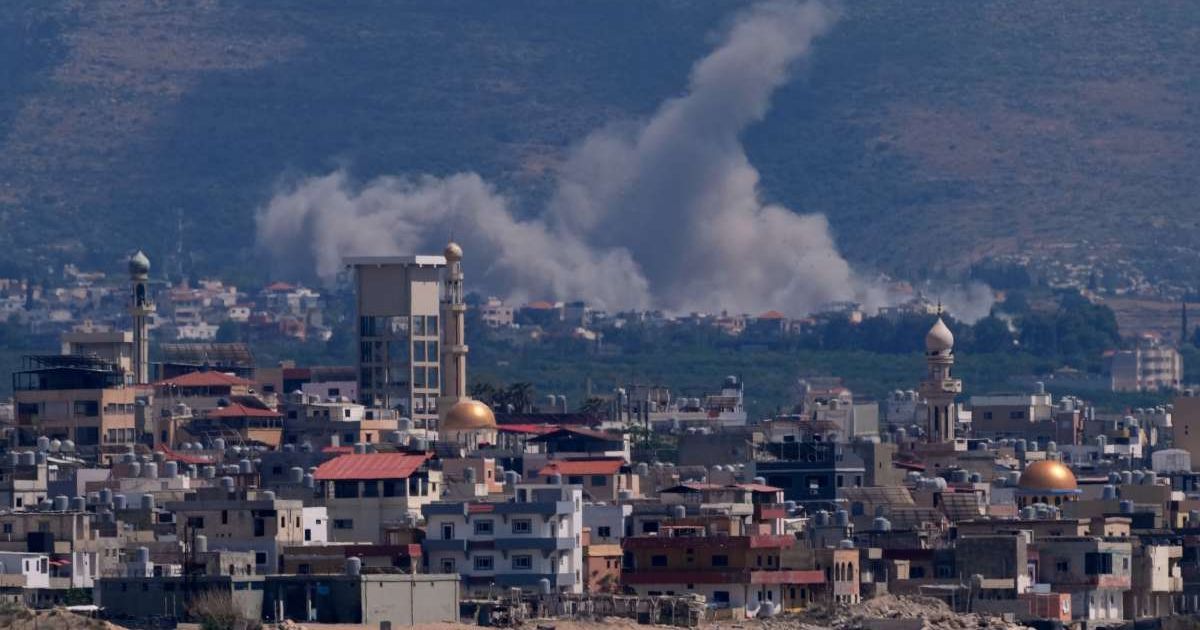
BEIRUT, LEBANON: Hopes for a broader de-escalation in the Middle East suffered a major setback on Thursday, June 4, after Hezbollah publicly rejected a newly proposed ceasefire arrangement backed by Israel and Lebanon's government.
The group, according to the Associated Press, dismissed the deal as unacceptable, refused to commit to ending hostilities, and demanded a full Israeli withdrawal from Lebanese territory.
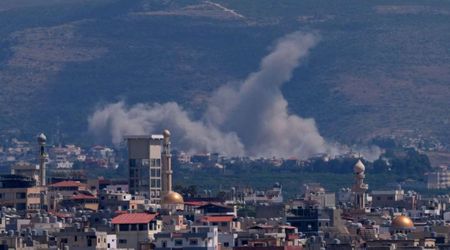
The rejection came amid fresh fighting on the ground, raising new doubts about wider diplomatic efforts tied to the Iran conflict and regional stability.
Hezbollah’s Secretary-General rejects the ceasefire agreement reached by Israel and Lebanon: “As long as our villages are being bombed, there will be no safety in northern Israel.”
— Amit Segal (@AmitSegal) June 4, 2026
Hezbollah refuses to back down
The latest proposal had been presented as a possible pathway toward reducing violence along the Israel-Lebanon front, but Hezbollah made clear it has no intention of accepting the terms in their current form.
In a televised statement, Hezbollah chief Naim Kassem delivered a blunt rejection of the framework, portraying it as a one-sided arrangement designed to weaken the group rather than end the conflict.
He described the negotiations as “absurd, humiliating and insulting,” arguing that demands for Hezbollah fighters to vacate southern Lebanon while Israeli military operations continue would amount to capitulation.
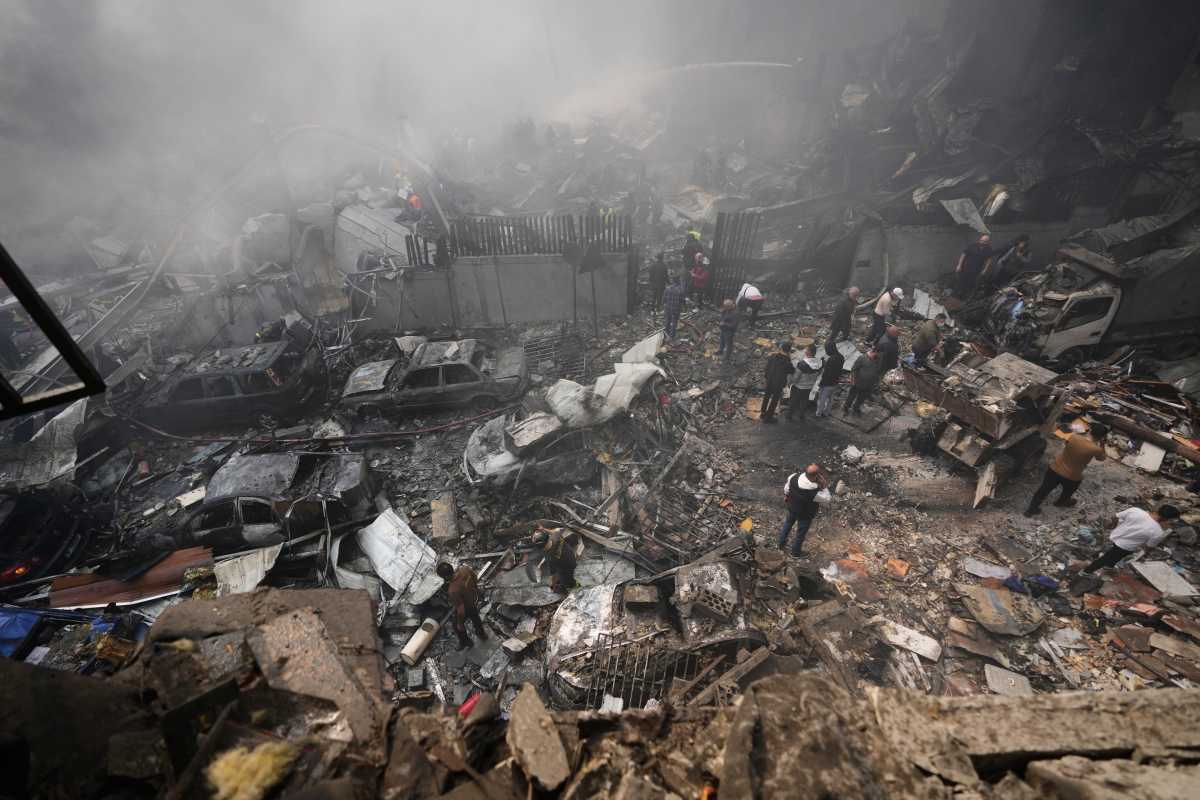
According to Kassem, the movement's priority remains ending Israeli military action rather than discussing Hezbollah's future military presence.
“What we are concerned about is an end to the aggression, ceasefire, and Israel’s withdrawal,” he said.
The statement carried an unmistakable warning that Hezbollah did not consider itself bound by any agreement and would continue military operations as long as it believed Lebanese communities remained under attack.
“So long as our villages are not safe and are being bombed and destroyed and our people are killed, northern Israel will not be safe,” Kassem said.
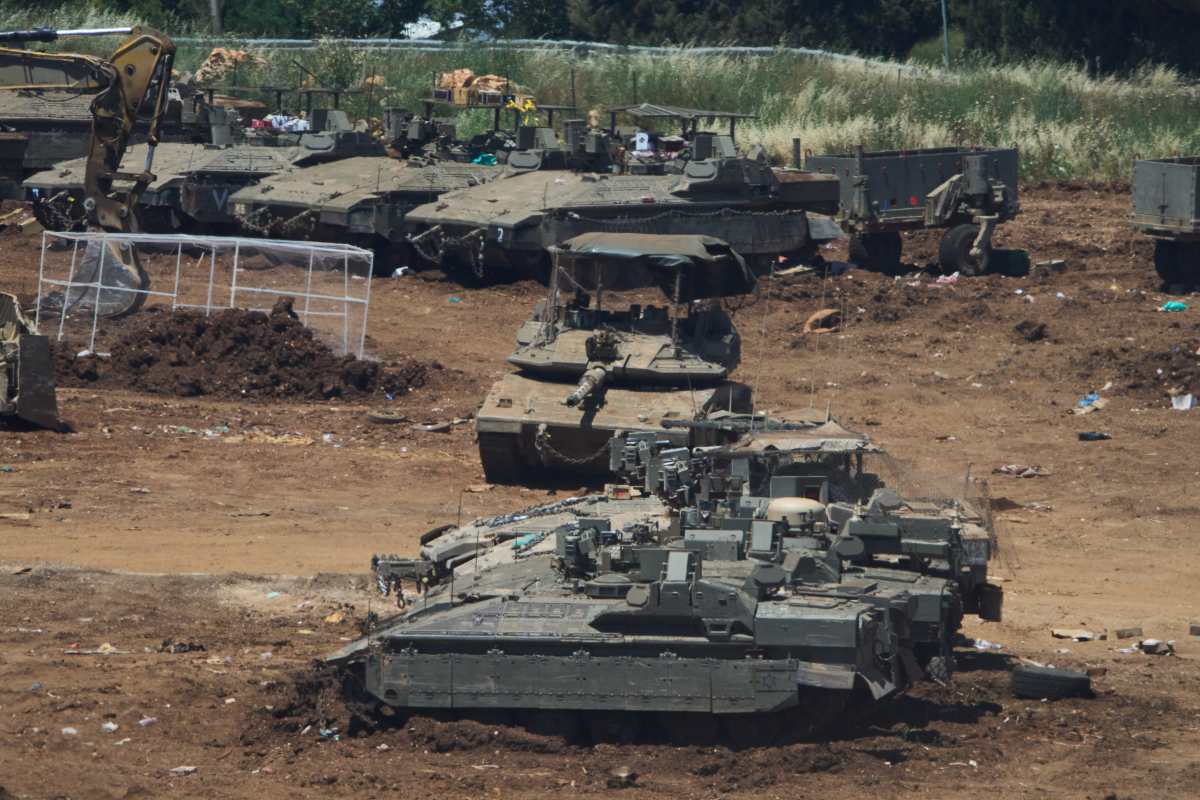
Air raid sirens across North Israel
Shortly after Kassem's speech, air raid sirens sounded across several communities in northern Israel. The alerts included areas near a meeting attended earlier by Prime Minister Benjamin Netanyahu and senior government officials.
Israeli authorities later said the alarms were triggered by drone activity originating from Lebanon.
Military officials reported that interception attempts were launched after several drones approached Israeli positions near the border. No casualties were reported.
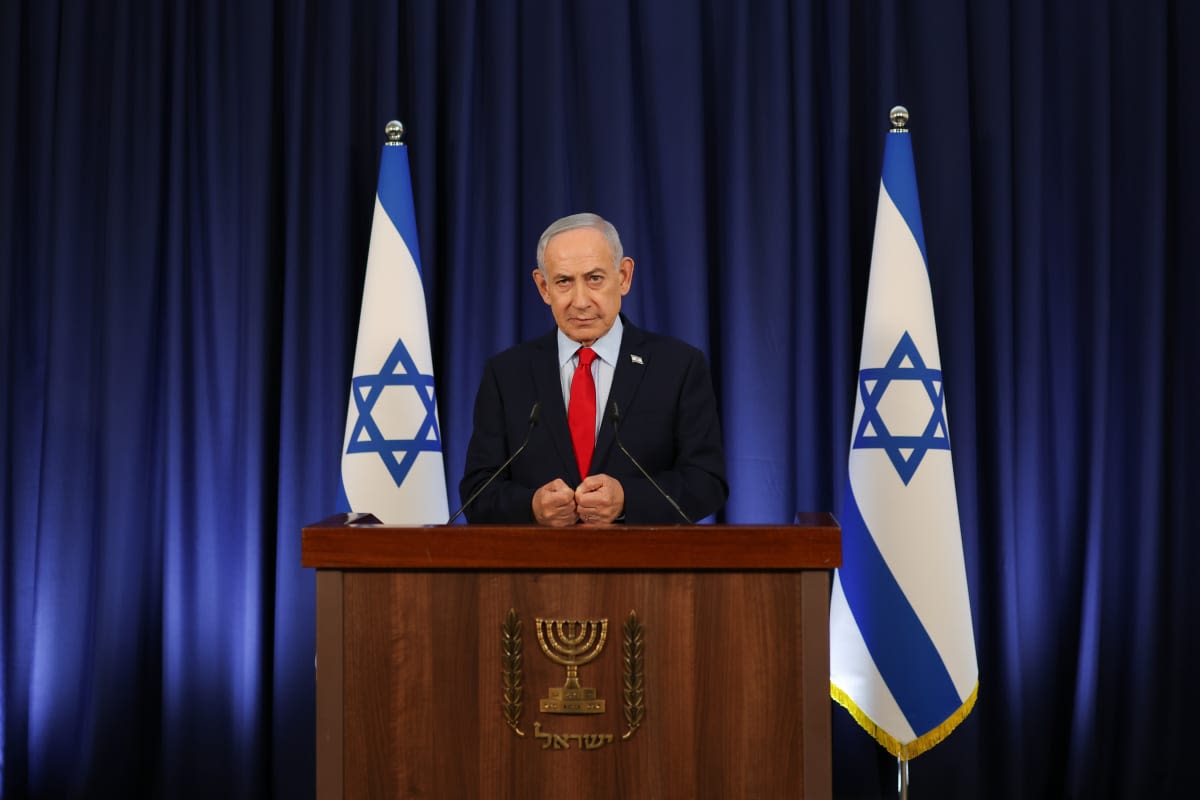
The renewed exchange highlighted how fragile the security situation remains despite ongoing diplomatic activity.
Israeli military chief Lt Gen Eyal Zamir acknowledged that communities in northern Israel continued to face constant threats from Hezbollah attacks, even as he argued that Israeli operations had significantly weakened both Hezbollah and Iran.