Iran accuses US of shattering ceasefire after strikes, claims 'right to self-defense'
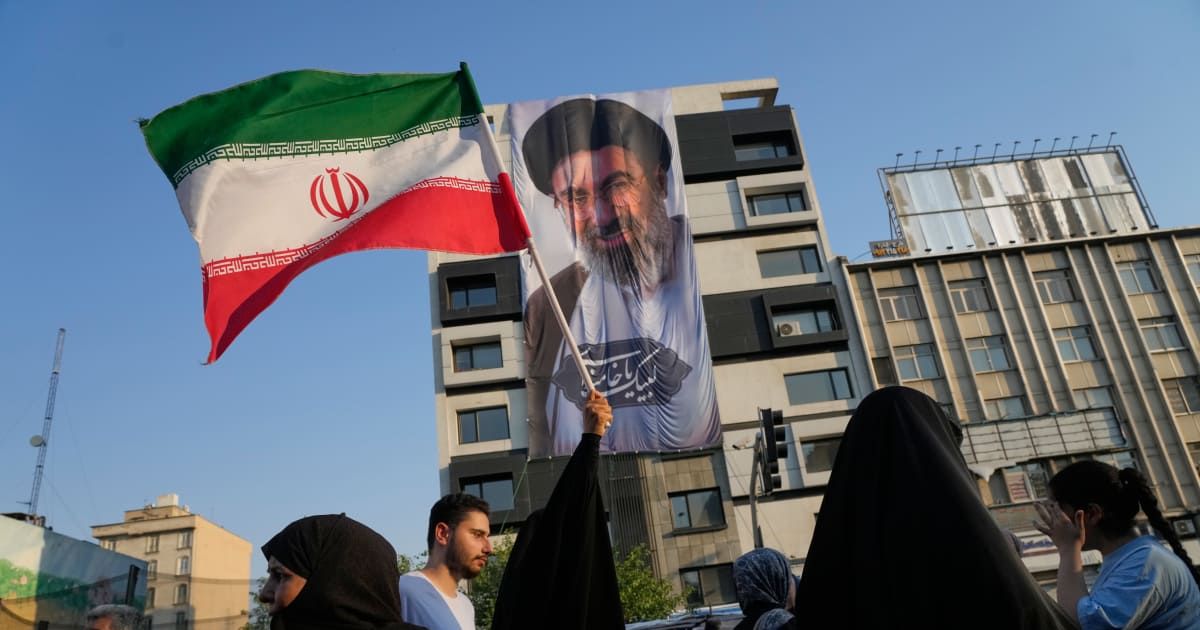
TEHRAN, IRAN: The Iranian Foreign Ministry accused the United States on Saturday, June 6, of completely fracturing the region's shaky April 8 ceasefire following overnight American airstrikes on its coastal defense infrastructure.
Challenging Washington's official timeline of the escalation, Tehran asserted its inherent right to self-defense, marking a dangerous rhetorical shift where both warring governments are now deploying nearly identical international legal frameworks to justify active combat operations.
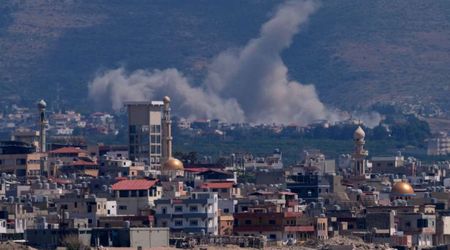
The flashpoint erupted after the US military launched targeted strikes against Iranian coastal surveillance radar installations located in the city of Goruk and on Qeshm Island.
Tehran fiercely defended the targeted facilities, stating they are legally tasked with safeguarding border security and ensuring navigation in international waterways.
بیانیه وزارت امور خارجه در خصوص نقض مستمر آتشبس توسط آمریکا
— وزارت امور خارجه (@IRIMFA) June 6, 2026
..آمریکا نهتنها ارادهای برای کاهش تنش و بازگشت به مسیر ثبات ندارد، بلکه با اقدامات ماجراجویانه خود امنیت منطقه را با مخاطرات جدی مواجه میکند ومسئولیت کلیه آثار وتبعات ناشی از این اقدامات برعهده دولت آمریکا خواهدبود. pic.twitter.com/YqZSUGaiPV
The regime declared the bombardment a clear act of military aggression against its national sovereignty and territorial integrity.
Washington details maritime missile intercepts
US Central Command strongly rejected Iran's narrative, maintaining that the radar strikes were purely defensive maneuvers executed in response to direct aggression.
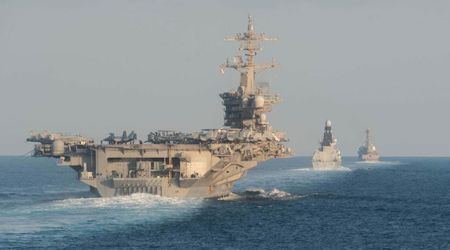
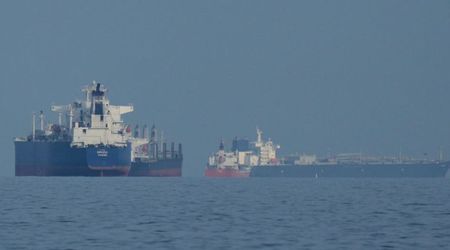
According to the Pentagon, American forces first shot down four Iranian drones heading toward the Strait of Hormuz before targeting the radar infrastructure.
Moments ago, CENTCOM forces shot down four Iranian one-way attack drones that were launched toward the Strait of Hormuz. The attack drones posed an immediate threat to regional maritime traffic. U.S. forces subsequently struck Iranian coastal surveillance radar sites in Goruk and…
— U.S. Central Command (@CENTCOM) June 5, 2026
Furthermore, US officials disclosed that Iran launched seven ballistic missiles targeting regional infrastructure in Bahrain and Kuwait, all of which were successfully intercepted or missed their targets completely.
Central Command insisted that the subsequent radar strikes were required to eliminate localized tracking systems and safeguard regional maritime traffic from further aerial attacks.
Sovereignty claims paralyze regional truce
The Iranian Foreign Ministry forcefully rejected the American justification, labeling the actions a hostile continuation of provocative conduct by the US ruling establishment.
They argued that Washington is demonstrating a total disregard for the United Nations Charter while falsely masking its own aggression.
By framing its subsequent missile launches as proportionate and effective self-defense strikes, Tehran utilized the exact same terminology that the Trump administration relies on to justify its ongoing naval blockade.
This symmetrical mirror imaging of defensive language points towards the fragile state of the April 8 truce, as both nations claim full adherence to international law while actively engaging in localized warfare.