Iran moves to close Strait of Hormuz after ceasefire deal, accusing US of 'bad faith'
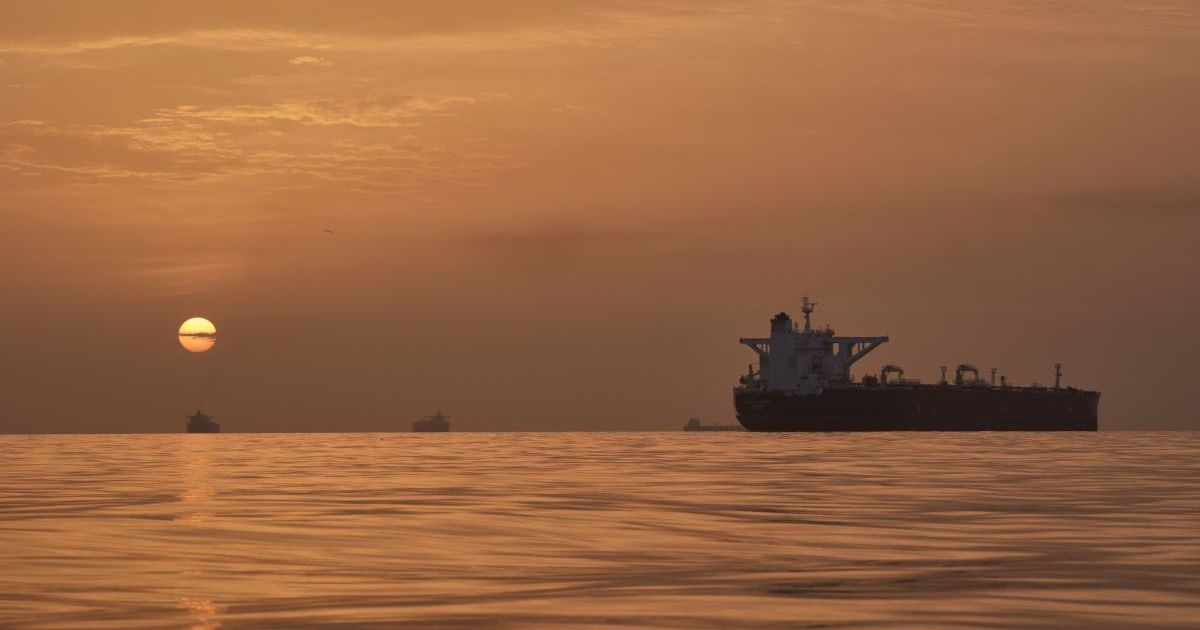
TEHRAN, IRAN: Iran dramatically raised the stakes in the Middle East on Saturday, June 20, by announcing plans to close the Strait of Hormuz, accusing Israel of violating the terms of the recently signed US-Iran memorandum of understanding through continued military operations in Lebanon.
The move targets one of the world's most important energy corridors and comes just as American, Iranian and regional negotiators prepare for a new round of talks in Switzerland aimed at preventing the agreement from unraveling.
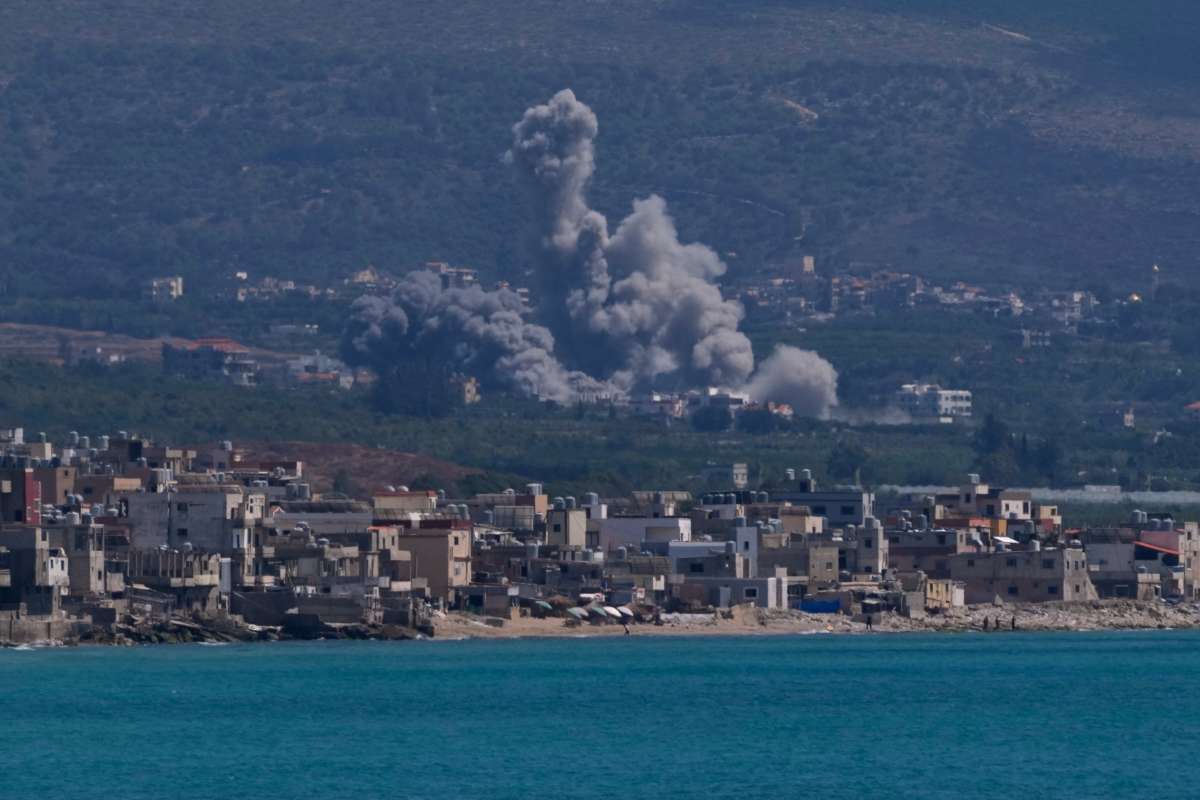
Tehran cites Lebanon strikes
Iran's Khatam al-Anbiya Central Headquarters said the decision was triggered by what it described as repeated Israeli attacks in southern Lebanon despite a ceasefire arrangement linked to the wider US-Iran agreement.
In a statement carried by Iranian state media, military officials argued that Washington had failed to uphold its obligations under the framework that ended hostilities and accused Israel of continuing military actions against Hezbollah positions after both sides had agreed to halt fighting.
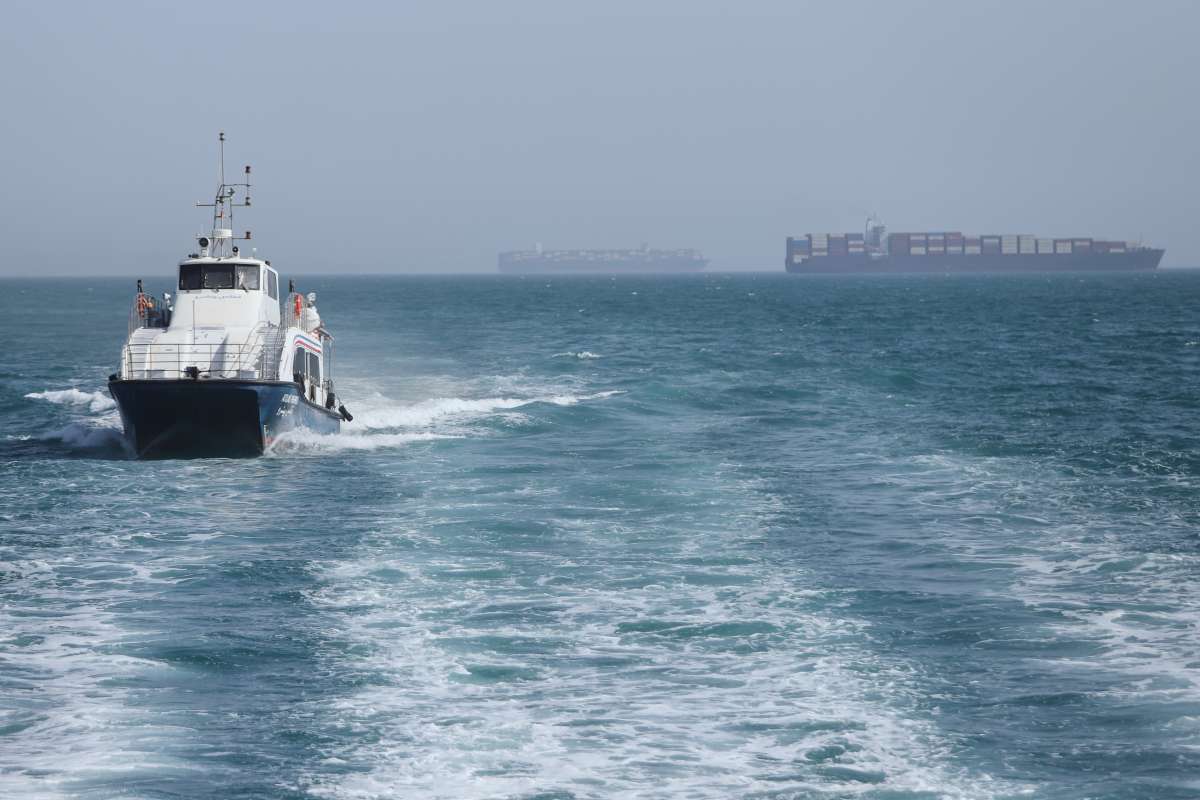
“In view of the United States’ bad faith and its clear breach of its commitments by failing to implement the first article of the memorandum ending the war, and in response to the continuous and ongoing violation of the ceasefire by the regime in southern Lebanon, it hereby announces that the Strait of Hormuz will be closed to the passage of vessels,” the statement read.
The command announced that the Strait of Hormuz would be closed to vessel traffic, framing the move as a response to what it called ongoing violations of the ceasefire and a failure to implement key provisions of the agreement.
Speaking this morning on FOX & Friends, U.S. Vice President JD Vance stated that President Trump’s son-in-law Jared Kushner and Special Envoy Steve Witkoff are currently on the ground in Switzerland for negotiations with Iran, and that talks are “going well,” adding that he will… pic.twitter.com/JTfyebQyxQ
— OSINTdefender (@sentdefender) June 20, 2026
The announcement immediately injected new uncertainty into global energy markets.
Switzerland talks face new pressure
Vice President JD Vance said earlier on Saturday that roughly 16 million barrels of oil had passed through the waterway during the previous 24 hours, suggesting shipping activity had recovered to levels seen before the conflict.
President Donald Trump likewise touted increased traffic through the passage during remarks on Friday, describing ships moving through Hormuz in record numbers after the ceasefire arrangement.
Iran's announcement comes at a particularly sensitive moment as negotiators gather in Switzerland for technical discussions intended to transform the preliminary memorandum into a broader and more durable settlement.
President Trump said ships are ‘flowing out’ of the Strait of Hormuz after a US-Iran ceasefire and threatened action if Iran’s commitments falter https://t.co/HPL0UjLLNl pic.twitter.com/MM6fjnmwKy
— Reuters (@Reuters) June 20, 2026
American representatives, including special envoy Steve Witkoff and senior adviser Jared Kushner, are already in Switzerland ahead of the talks. Vice President Vance has also confirmed he intends to join negotiations.
Iranian Foreign Ministry spokesperson Esmaeil Baqaei confirmed that Foreign Minister Abbas Araghchi is traveling to Switzerland with an Iranian delegation for the discussions.