IRGC says Trump’s decision window narrowing as US-Iran tensions escalate
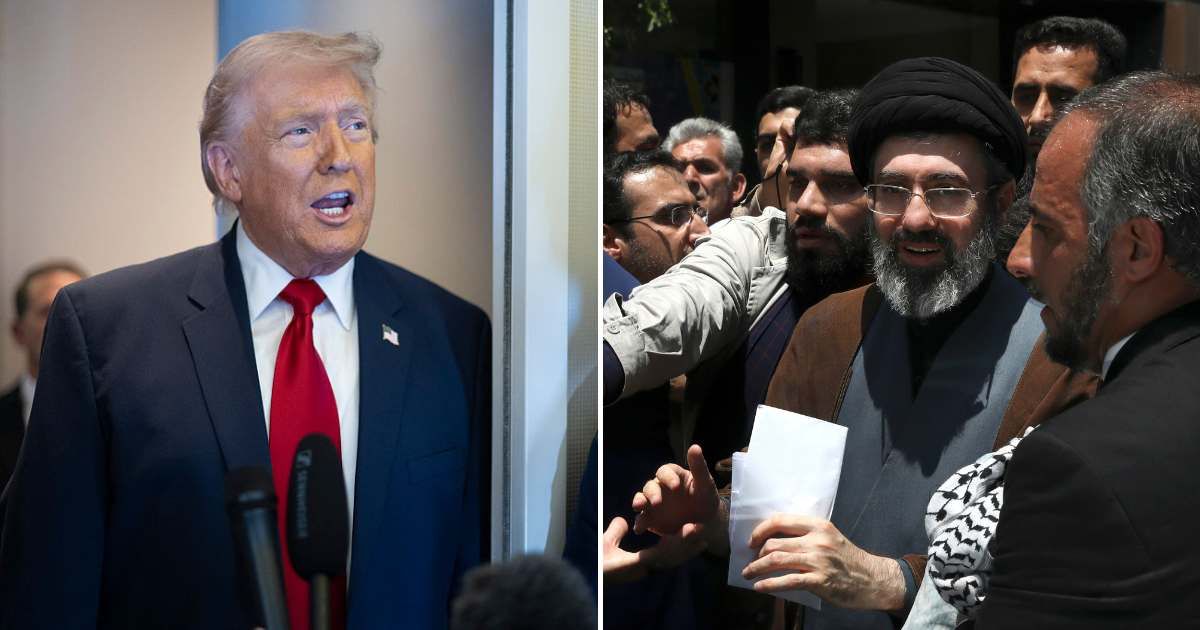
TEHRAN, IRAN: Iran’s Islamic Revolutionary Guard Corps (IRGC) has intensified its rhetoric against the United States, saying President Donald Trump now faces a narrowing set of options as tensions between Tehran and Washington continue to escalate.
In a statement published on Sunday, May 3, through Iranian media and on X, the IRGC’s intelligence arm said recent diplomatic and military developments have reduced Washington’s room for decision-making.
The remarks come amid continued friction over maritime access in the Strait of Hormuz, a strategic waterway central to global energy flows.
The latest warnings have also coincided with a sharp rise in fuel prices in the United States and broader concerns over oil supply disruptions.
IRGC, Trump’s options shrink amid tensions
The IRGC said a series of recent developments, including Iran’s deadline for the US to end what Tehran described as a naval blockade and what it characterised as changing diplomatic positions by Russia, China and European countries, have altered the strategic landscape.
“There is only one way to read this: Trump must choose between ‘an impossible military operation or a bad deal with the Islamic Republic of Iran.’ The room for US decision-making has narrowed,” the IRGC wrote.
NEW: Iran's IRGC says the U.S. is boxed in:
— Clash Report (@clashreport) May 3, 2026
“The room for U.S. decision-making has narrowed” and Donald Trump must choose between an “impossible military operation” or a “bad deal.”
The statement, later carried by Iranian state-linked media, signaled a firmer tone from Tehran as discussions over a possible diplomatic pathway remain stalled.
According to reports, Iran has tied any future negotiations to broader demands, including the lifting of military pressure in the Gulf and the reopening of maritime routes through the Strait of Hormuz.
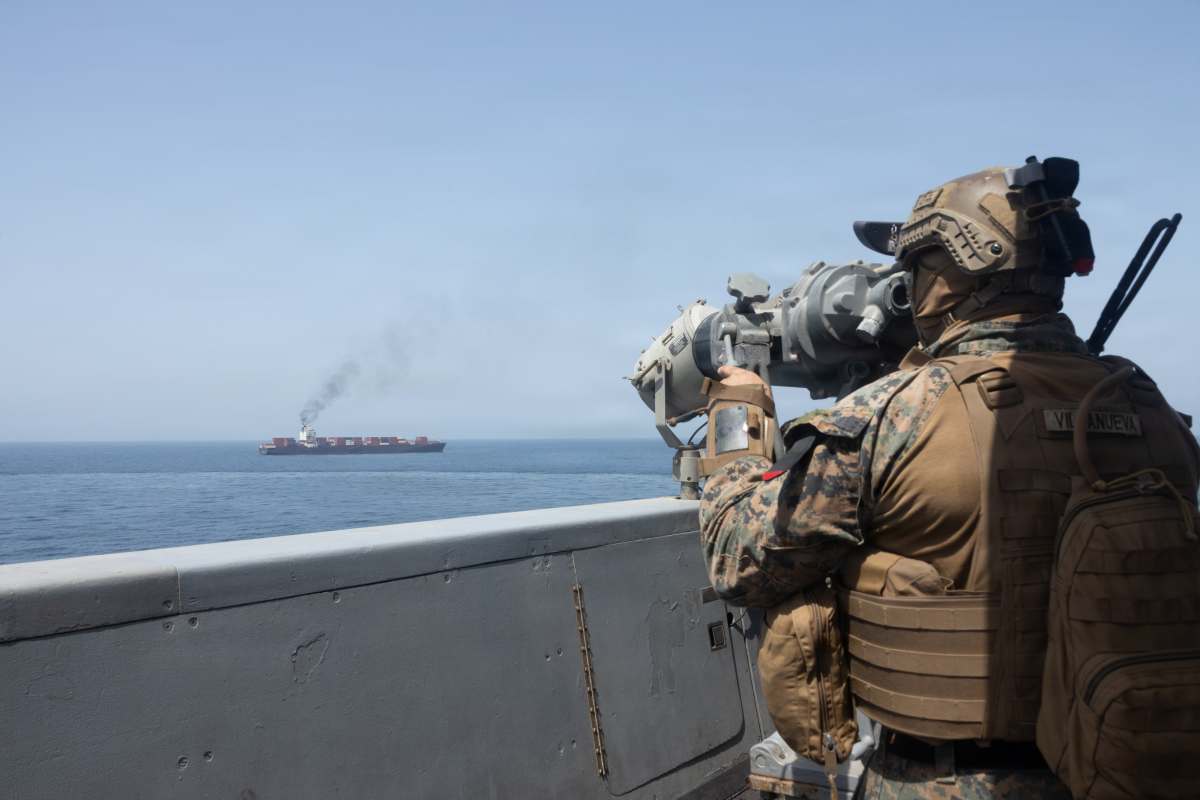
US forces patrol the Arabian Sea after firing on an Iranian-flagged vessel accused of breaching a blockade near the Strait of Hormuz (photo credit - AP)
The Strait of Hormuz remains one of the world’s most strategically significant maritime passages, handling roughly one-fifth of global oil shipments.
Any disruption to shipping in the channel has immediate implications for energy markets and supply chains.
IRGC former commander issues carrier threat
Former IRGC commander Mohsen Rezaee escalated the rhetoric further, likening US naval forces operating in the Strait of Hormuz to “pirates.”
“The US is the only pirate in the world that possesses aircraft carriers. Our ability to confront pirates is no less than our ability to sink warships,” Rezaee said in a statement on X.
He added a direct warning to Washington, stating: “Prepare to face a graveyard of your carriers and forces,” while referring to what he claimed was the wreckage of a US F-15E aircraft downed near Isfahan last month.
Former IRGC commander Mohsen Rezaei on US piracy:
— Press TV 🔻 (@PressTV) May 3, 2026
Prepare to face a graveyard of your carriers and forces, just as the wreckage of your aircraft was left behind in Isfahan.
Follow: https://t.co/mLGcUTS2ei pic.twitter.com/P6lPAb8ji5
The statements come as energy markets continue to react to the prolonged conflict.
According to the latest data from AAA (American Automobile Association), the average price of gasoline in the United States rose to $4.45 per gallon on Saturday, up 34 cents from the previous week.
Diesel prices, widely tracked because of their impact on freight and logistics costs, climbed to $5.64 per gallon.
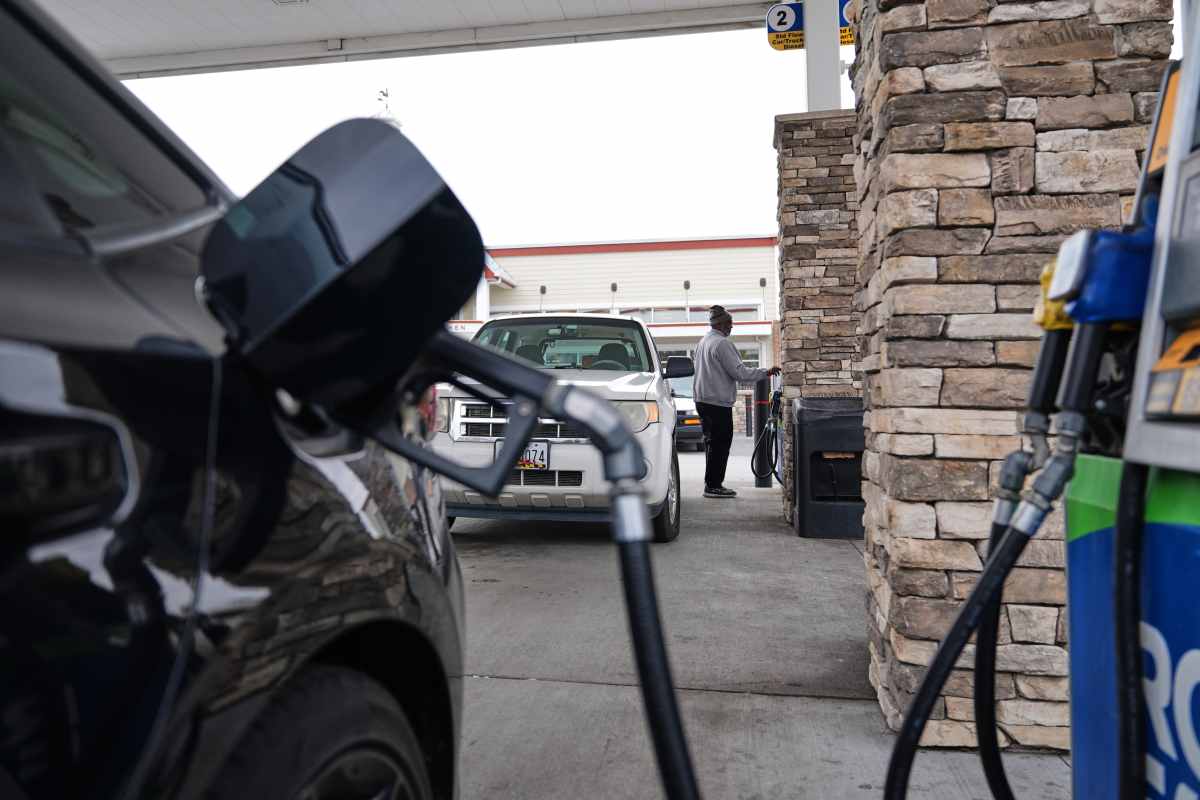
Analysts have linked the price increases to supply disruptions and shipping uncertainties stemming from the Iran conflict, particularly around the Strait of Hormuz.
In California, average regular gasoline prices rose above $6 per gallon, reflecting broader market concerns over the stability of Gulf oil exports.