IRGC taunts US and Israel amid new maritime policy: 'Hormuz will never return to its former state'
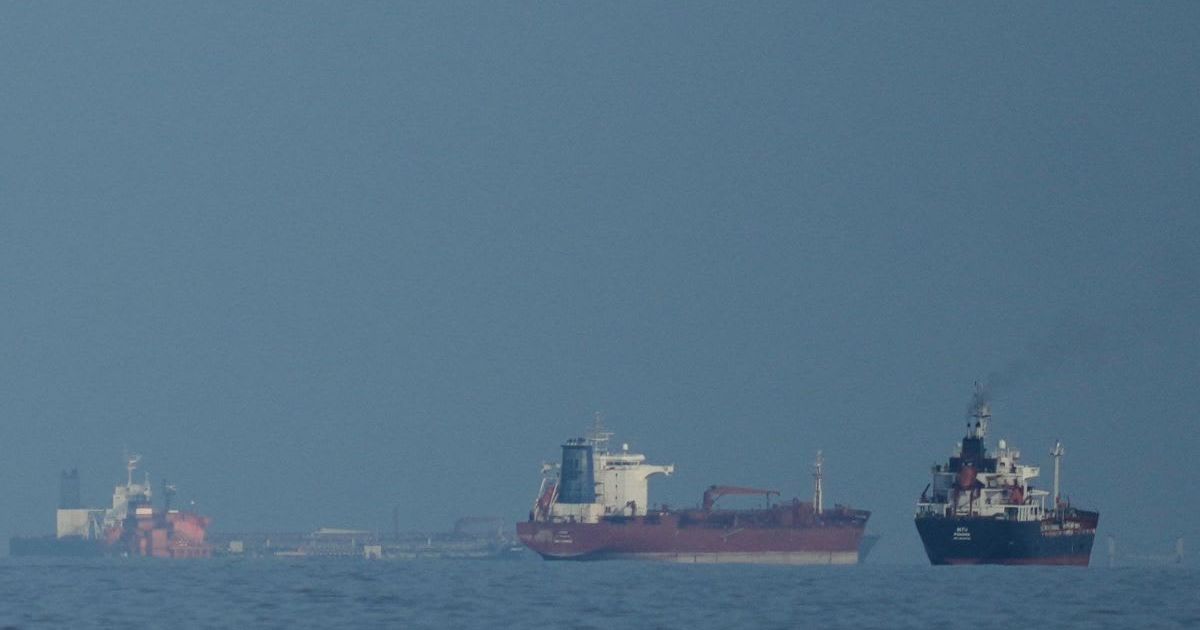
TEHRAN, IRAN: Iran's Islamic Revolutionary Guard Corps (IRGC) Navy said on Monday, April 6, that the Strait of Hormuz “will never return to its former state,” signaling a potential long-term shift in one of the world’s most critical shipping routes.
The statement comes amid ongoing conflict and a de facto blockade imposed by Tehran following US-Israeli strikes.
Iran has restricted access to the strait while allowing limited passage under new conditions. The developments have raised concerns over global energy flows and the broader trajectory of the conflict.

IRGC signals lasting changes to Strait of Hormuz operations
In a statement posted on social media, the naval command of the IRGC outlined plans that suggested a restructuring of maritime activity in the Persian Gulf.
“The Strait of Hormuz will never return to its former state, especially for America and Israel,” the statement said, indicating that access for certain countries may remain restricted.
The IRGC added that it is “in the process of completing the operational preparations for the Announced Plan of Iran's officials for the new order in the Persian Gulf.”
🇮🇷🇺🇸🇮🇱 — Iran's IRGC Navy Command:
— The Daily News (@DailyNewsJustIn) April 5, 2026
The Strait of Hormuz will never return to its former state, especially for America and Israel.
The IRGC Navy is completing operational preparations for the Iranian authorities' official plan for the new Persian Gulf order. pic.twitter.com/dvNNYa861U
The reference appeared to align with a proposal approved by Iran’s parliament to impose fees on commercial vessels transiting the strait.
The Strait of Hormuz is a vital global shipping lane through which a significant portion of the world’s oil supply passes.
Iran has enforced a de facto blockade in recent weeks, allowing only selected vessels to transit. Reports indicate that ships linked to the United States and Israel have not been permitted to pass, while others have navigated the route under negotiated conditions.
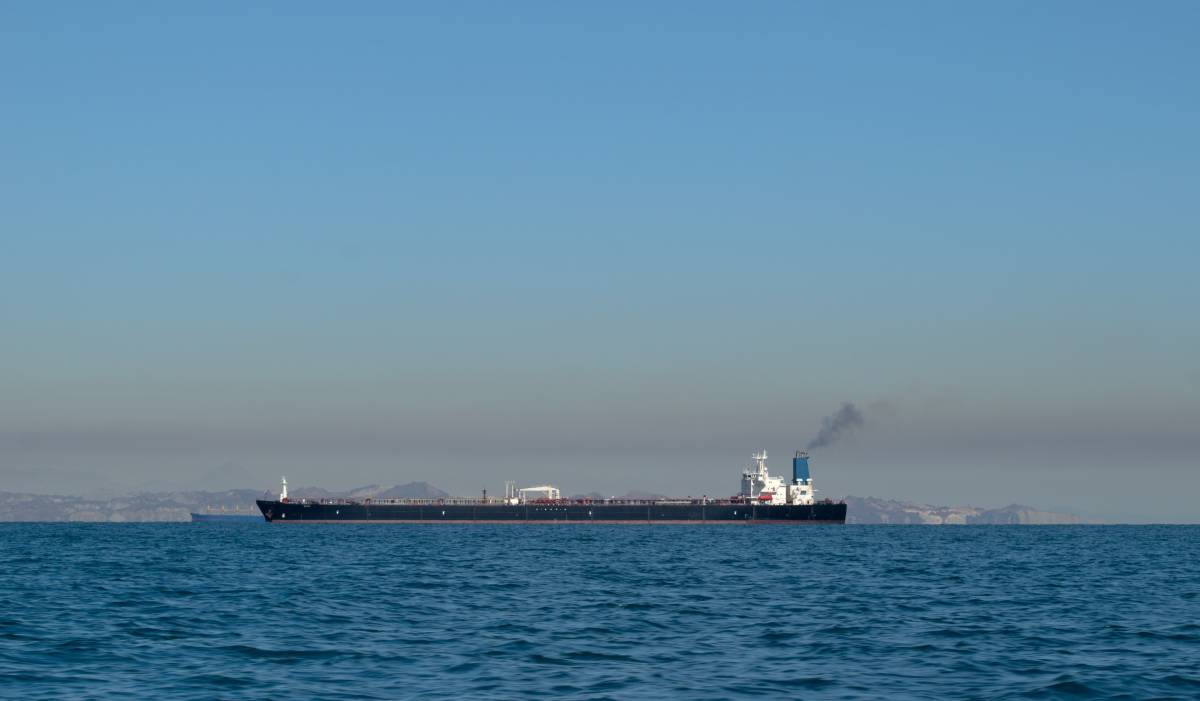
Iran is also believed to be using Larak Island as a checkpoint to collect transit fees, a move that some countries have characterized as coercive.
The shift in maritime operations marks a departure from previous norms, when the strait saw high volumes of daily traffic with relatively open access.
Iran accuses US of 'war crimes' over threats to civilian infrastructure
Alongside its maritime posture, Iran has raised concerns over US rhetoric regarding potential military action. The country’s foreign ministry said threats to target civilian infrastructure amounted to violations of international law.
Foreign Ministry spokesman Esmail Baghaei said, “Negotiation can in no way be compatible with ultimatums, crimes, or threats to commit war crimes.”
'[Iran] had very BITTER experience of NEGOTIATING with US' — Iran's FM spokesman Esmail Baghaei
— RT (@RT_com) April 6, 2026
'We did not gain this experience to simply ignore it... Negotiation is in no way compatible with ultimatums, crimes, or threats to commit war crimes' pic.twitter.com/hV5kWbsvYD
He added, “Regarding threats against us, there is no doubt: issuing such threats constitutes war crimes, encourages war crimes, and normalizes war crimes.”
Baqaei further stated that “repeatedly threatening a country with the destruction of energy and industrial infrastructure… constitutes a war crime under both international humanitarian law and the Rome Statute of the International Criminal Court.”
The remarks came as diplomatic efforts to de-escalate the conflict continue.
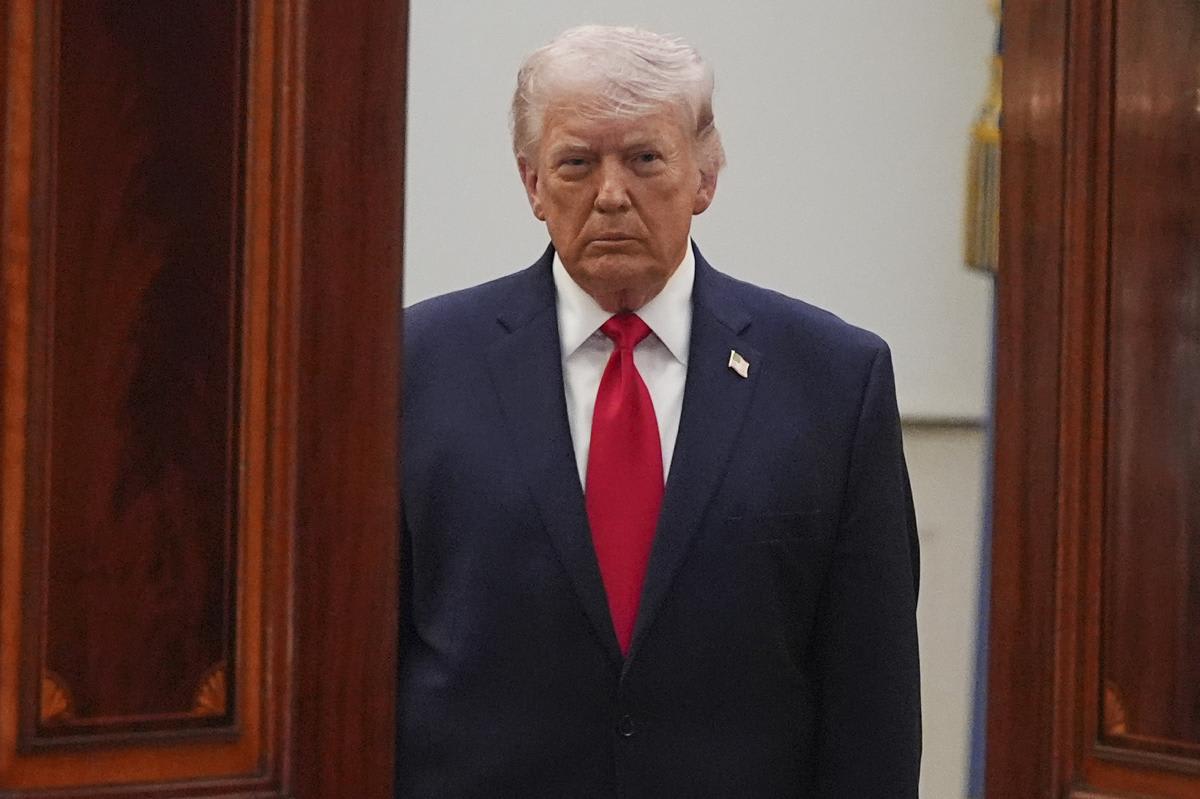
Baqaei noted that intermediaries remain engaged, saying it is “not unusual for intermediaries to convey the positions of the parties … and naturally, this process continues.”
Reports have indicated that Pakistan has proposed a 45-day ceasefire between Tehran and Washington.
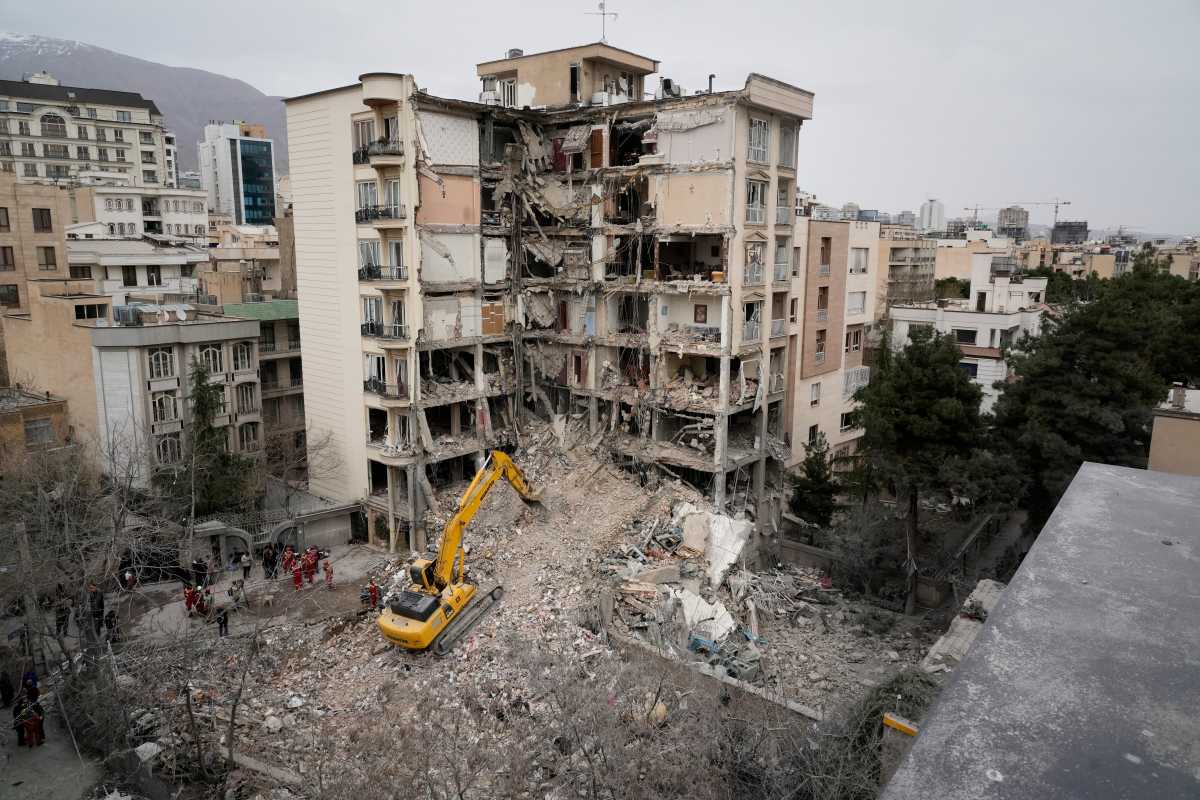
Former US official Elliott Abrams cautioned against actions that could harm civilians, stating, “We want the Iranian people on our side… I'd rather see us go after regime targets… not assets Iranians use to live their daily lives.”