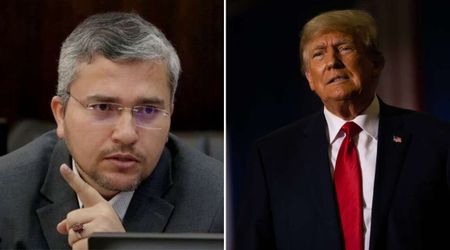
Israel-Hezbollah conflict clouds Trump ceasefire efforts as Iran issues a warning
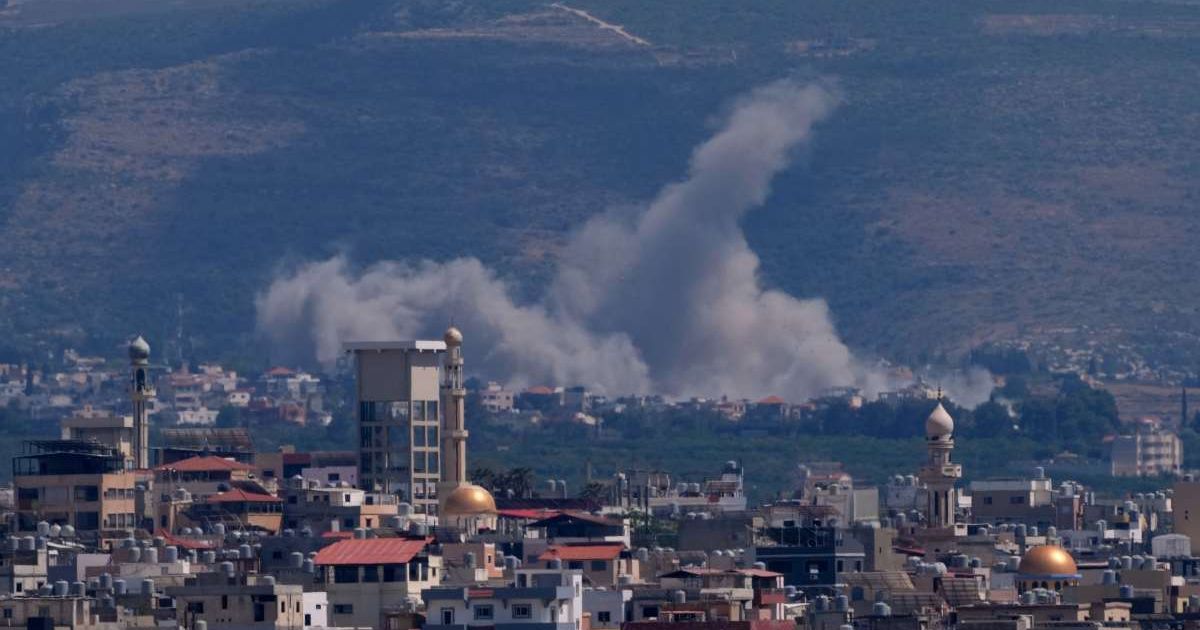
BEIRUT, LEBANON: Hopes for a renewed ceasefire between Israel and Hezbollah appeared increasingly uncertain on Tuesday, June 2, after fresh Israeli strikes in southern Lebanon and continued cross-border hostilities undermined claims by US President Donald Trump that both sides had agreed to halt attacks.
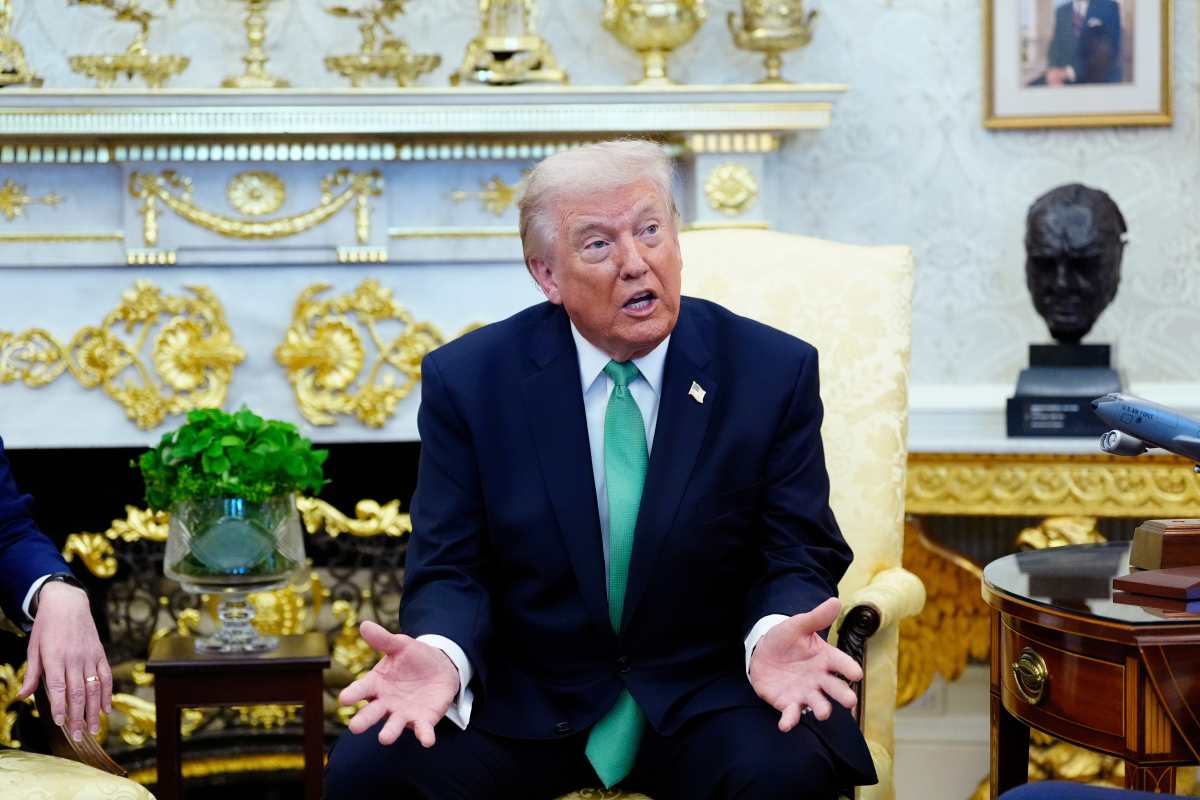
Trump said late Monday that he had spoken with representatives from both sides and secured an understanding that “all shooting will stop,” amid growing concern that the conflict could derail broader diplomatic efforts involving Iran and threaten stability across the Middle East.
The US president said negotiations aimed at reducing regional tensions were continuing and expressed confidence that a wider de-escalation remained possible.
Trump claims both sides agreed to cease attacks
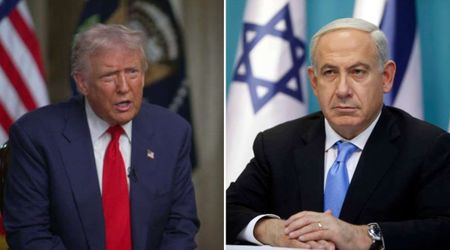
Trump said he had held a “very productive” conversation with Israeli Prime Minister Benjamin Netanyahu and claimed that plans for a deeper Israeli military operation had been halted.
According to Trump, both Israel and Hezbollah had agreed to stop attacks, and no Israeli troops would advance toward Beirut.
His comments came as Washington intensified efforts to prevent the conflict from escalating into a wider regional war.
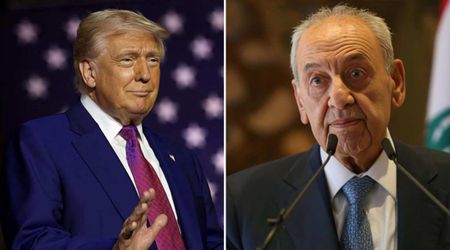
The Lebanese Embassy in Washington also said Hezbollah had accepted a US-backed proposal for a mutual cessation of attacks that would prevent both sides from carrying out further strikes, including any Israeli attack on Beirut.
However, events on the ground quickly cast doubt on the durability of the proposed arrangement.
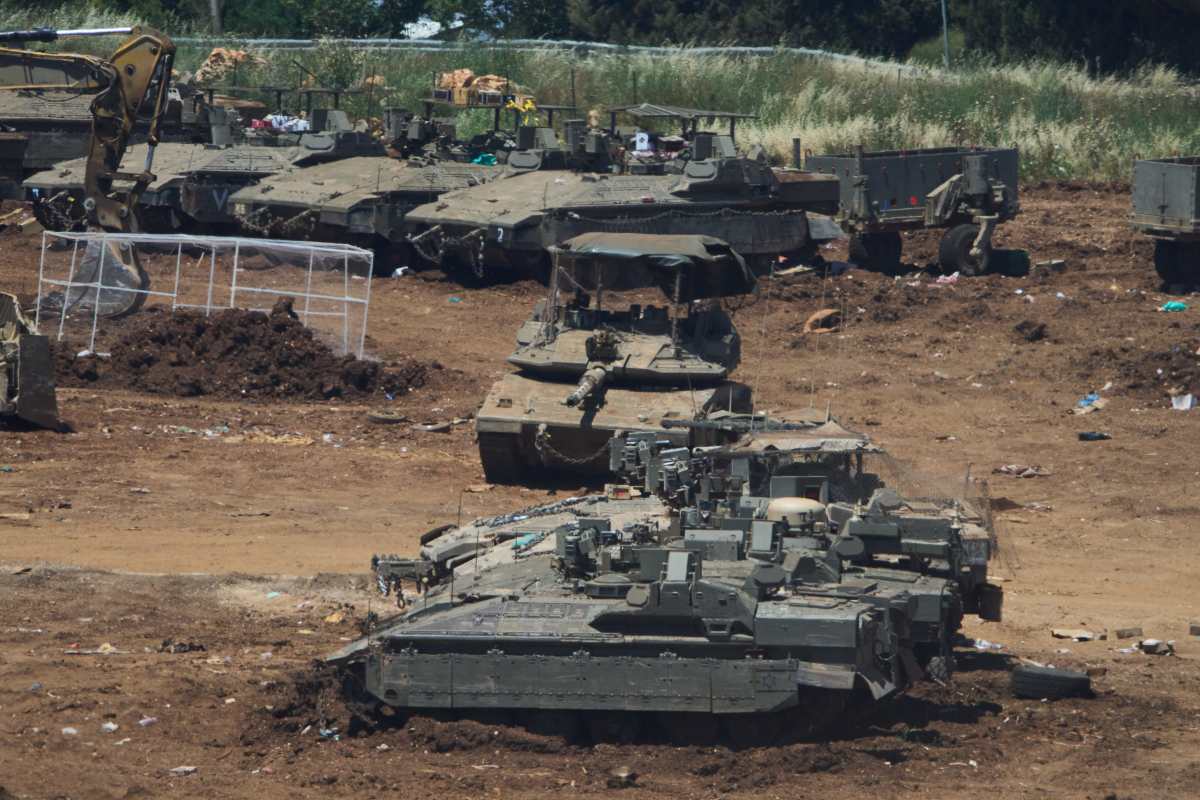
Israeli strikes, Hezbollah fire continue overnight
Despite talk of de-escalation, violence continued overnight and into Tuesday morning.
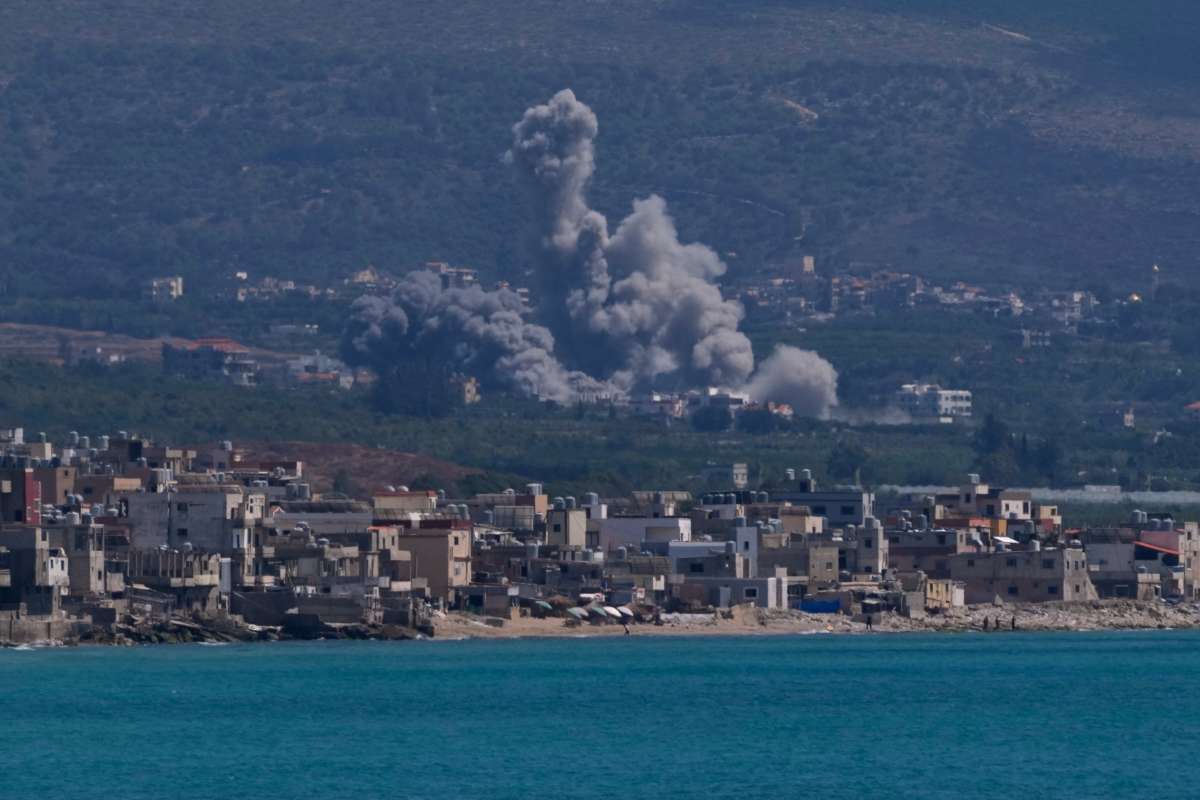
The Lebanese Civil Defense reported that six people were killed in an Israeli strike on the southern village of Marwaniyeh.
Authorities also said one of its centers in Nabatieh was damaged after what it described as a direct Israeli airstrike.
The Lebanese army later reported that two soldiers were wounded when an Israeli drone targeted an area in Nabatieh.
The Israeli military confirmed carrying out at least one strike in the region, saying it was aimed at Hezbollah infrastructure and militant positions.
Israel also reported intercepting two projectiles launched from Lebanon overnight. No injuries were reported.
Hours later, Israeli forces said warning sirens sounded in northern Israel after a suspicious aerial target was detected near troops operating in southern Lebanon.
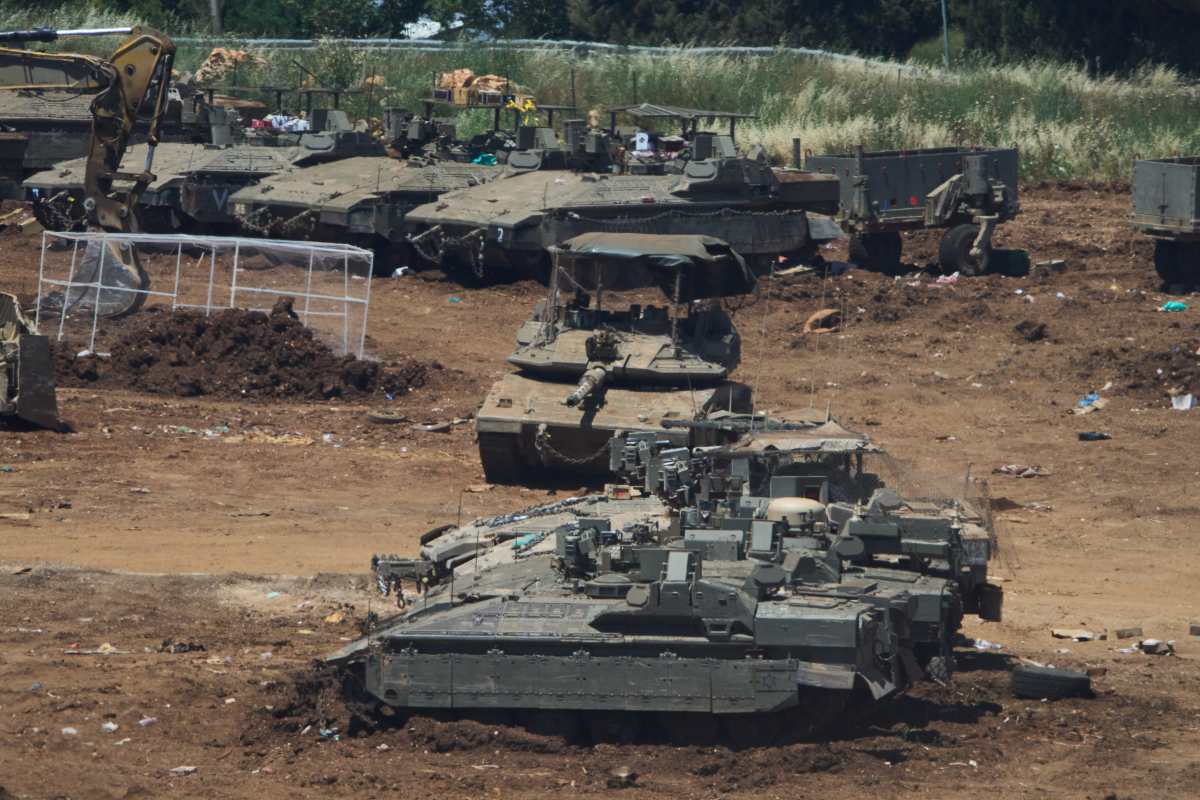
Beirut threats trigger panic among residents
The latest tensions follow Netanyahu’s warning that Israel would continue targeting Hezbollah positions if attacks from Lebanon persisted.
Earlier threats to strike Beirut triggered panic in the Lebanese capital, prompting many residents to flee vulnerable neighborhoods.
The warnings came amid Israel’s deepest military incursion into Lebanon in more than two decades.
Thousands of Lebanese displaced by months of fighting have already sought shelter in other parts of the country, adding to concerns about a worsening humanitarian situation.
Iran threatens to suspend diplomacy over violence
The conflict has also complicated diplomatic efforts involving Iran.
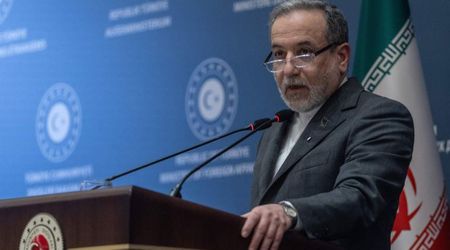
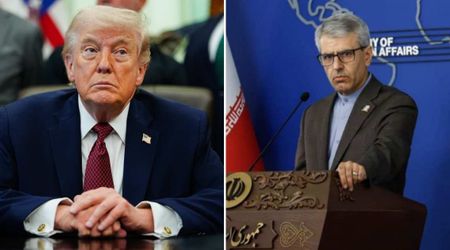
Iranian officials warned that continued Israeli operations in Lebanon could force Tehran to reconsider ongoing negotiations with Washington.
Iranian leaders said any agreement aimed at ending regional hostilities must include a halt to attacks across all fronts, particularly in Lebanon.
Iranian media reported that Tehran was considering suspending indirect exchanges with US negotiators through mediators if Israeli military actions continued.
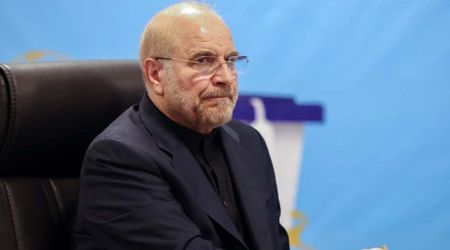
Iranian Parliament Speaker Mohammad Bagher Ghalibaf warned that Iran could respond more forcefully if attacks continued, arguing that diplomatic efforts could not proceed while military operations expanded.