JD Vance says Iran deal could lower gas prices for Americans after months of pain at the pump
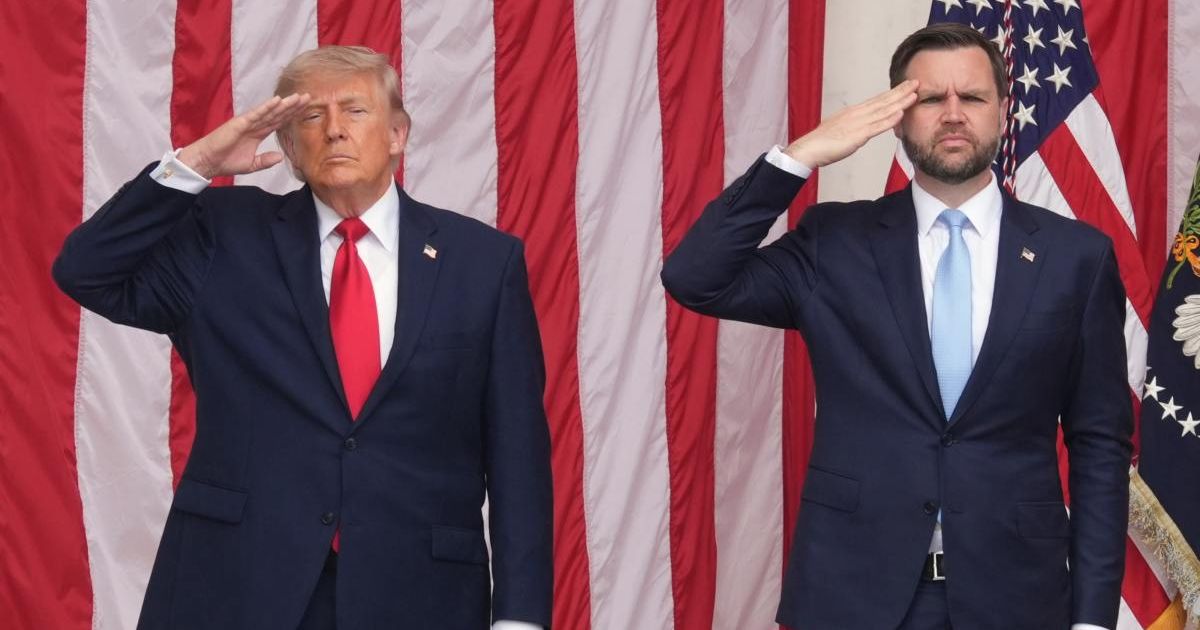
Vance: "I'm not going to say everybody's going to sing kumbaya tomorrow — it's going to take a little bit of time to learn the ways of peace. But I do think we took a major, major step tonight." pic.twitter.com/07GnQRjjeW
— The Bulwark (@BulwarkOnline) June 14, 2026
WASHINGTON, DC: Vice President JD Vance hailed the newly announced agreement between Washington and Tehran as a significant step toward easing tensions, calling it “a big moment for the United States of America.”
Speaking on Fox News on Sunday, June 14, Vance said the agreement could help lower energy costs for Americans while stressing that its success depends on Iran honoring its commitments, including abandoning any pursuit of nuclear weapons.
The agreement, which is scheduled to take effect on June 19, includes plans to reopen the Strait of Hormuz, lift the US naval blockade on Iranian ports and establish a framework for future nuclear negotiations.
However, Iranian officials have made clear that further talks will depend on Washington fulfilling key commitments, including the release of billions of dollars in frozen Iranian funds.
🚨 WOW! President Trump and his team got Iran to CALL OFF a MASSIVE missile attack against Israel shortly before the peace deal was signed
— Eric Daugherty (@EricLDaugh) June 14, 2026
JD VANCE: "After the Israelis struck Beirut, we saw a lot of evidence the Iranians were going to launch a large number of missiles at the… pic.twitter.com/Oh6GShgLl4
JD Vance outlines key terms of US-Iran agreement
Vance said the agreement rests on three key elements and described it as a major diplomatic breakthrough despite acknowledging that challenges remain.
“I’m not going to say that everybody’s going to sing Kumbaya tomorrow,” Vance said on Fox News. “It’s going to take a little bit of time to learn the ways of peace, but I do think we took a major, major step tonight.”
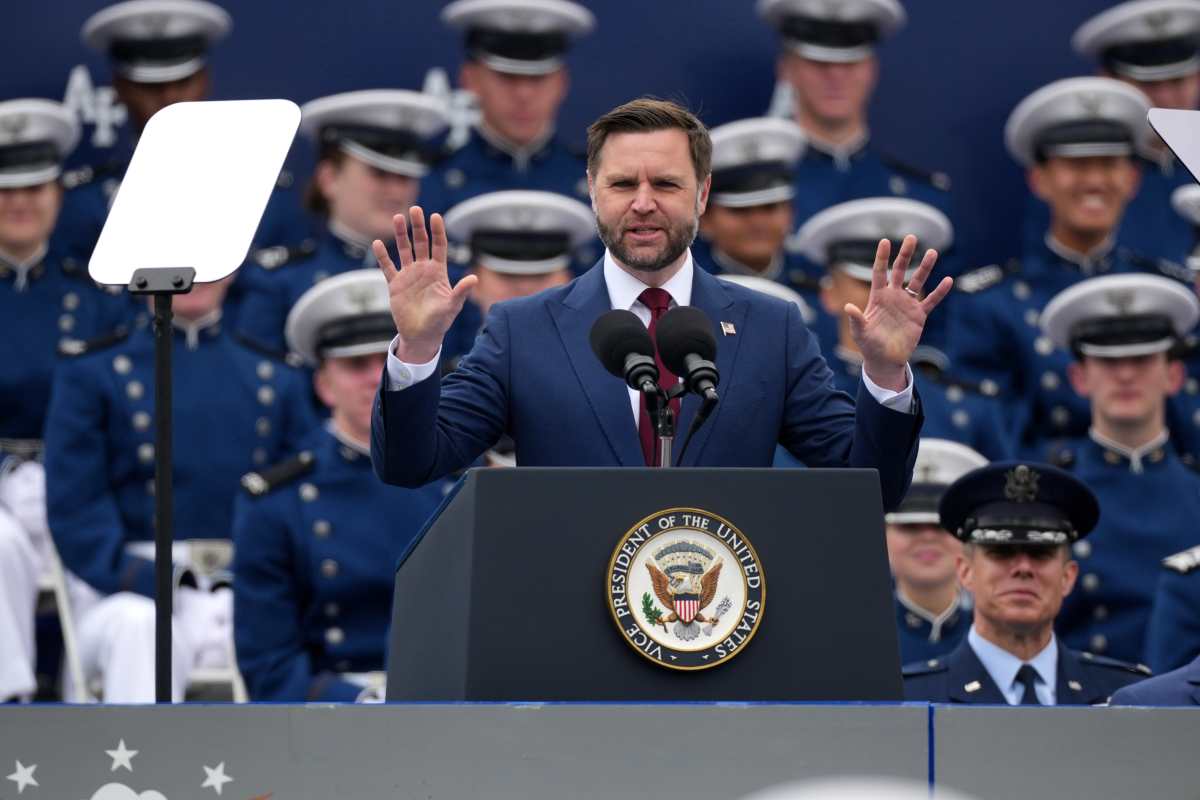
According to Vance, the first element is “the immediate opening of the Strait of Hormuz, and of course, the lifting of the naval blockade that we’ve had on Iran, along with it.”
He said the second component is Iran’s commitment to never pursue, procure or buy a nuclear weapon. The third, he said, is ensuring compliance with the terms of the agreement.
“This only happens, to be clear, if Iran delivers on their promise,” Vance said.
JD Vance says deal could lower energy costs
Vance also highlighted what he said could be long-term economic benefits for Americans, particularly through lower energy costs.
“I guess my primary message to the American people is ‘thank you.’ Because of your patience, I think that we solved the problem that has plagued this country,” for decades, he said.
He added that President Donald Trump had been concerned about rising fuel costs and argued that the agreement could help ease pressure on consumers.
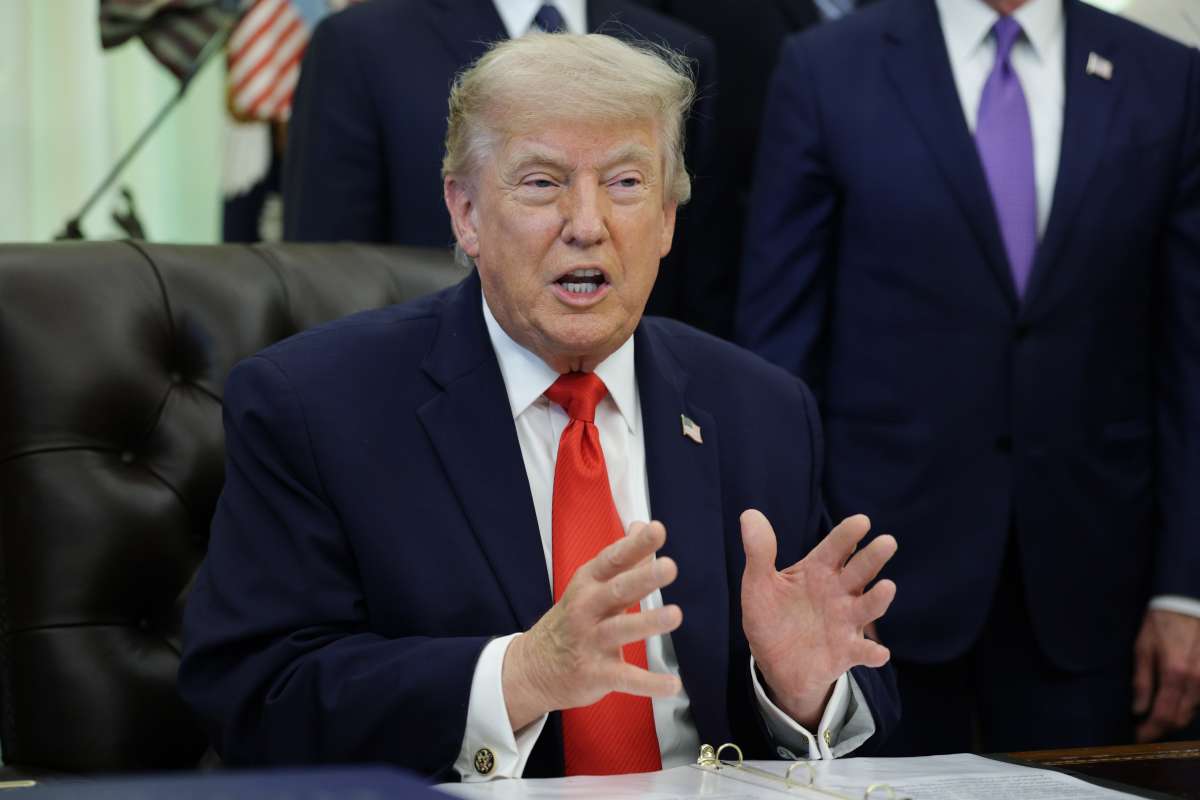
“He has certainly been very concerned about” high gas prices, “but what we’re going to be able to do is drive down the cost of energy, not just now but for the long term.”
News of the agreement prompted a decline in both Brent crude and US crude prices on June 14. The Strait of Hormuz, one of the world's most important oil transit routes, has remained effectively closed since February.
Iran ties future negotiations to US commitments
Iranian Deputy Foreign Minister Kazem Gharibabadi said Tehran's participation in a planned 60-day negotiation process after the signing ceremony depends on the US fulfilling three commitments.
Those commitments include “lifting and ending the naval blockade,” “ending the state of war and military operations” and “releasing Iran’s frozen funds,” Gharibabadi said, according to remarks reported by Iranian state media.
“Entry into the 60-day negotiations is conditional on US implementation of its commitments,” Gharibabadi said.
He said Iran would verify Washington's actions before technical working-group negotiations begin, with particular emphasis on the release of frozen funds.
The United States and Iran have said the agreement will formally take effect on June 19, though the full text of the deal has not yet been released.
Gharibabadi said additional discussions will take place in Switzerland after the signing of the Islamabad Memorandum of Understanding. Those talks are expected to address the structure of future negotiations, the creation of working groups and other procedural arrangements.
He added that preliminary discussions had already taken place on June 13 and that further details would be finalized following the signing ceremony.