Lankford says federal workers 'should never’ miss pay amid DHS budget standoff
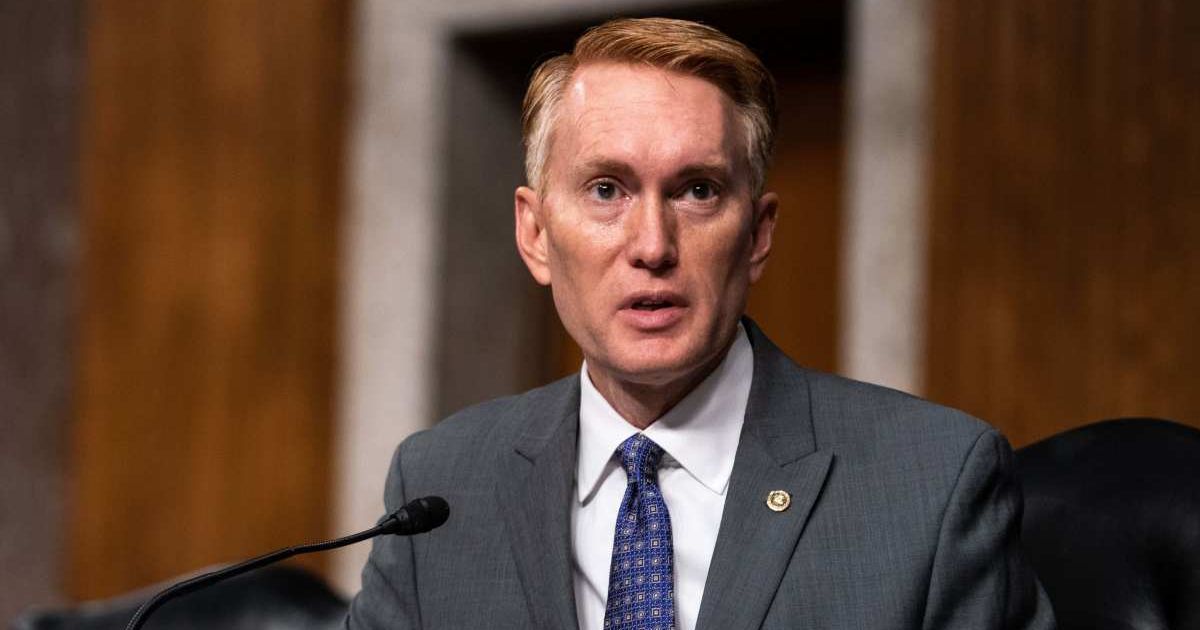
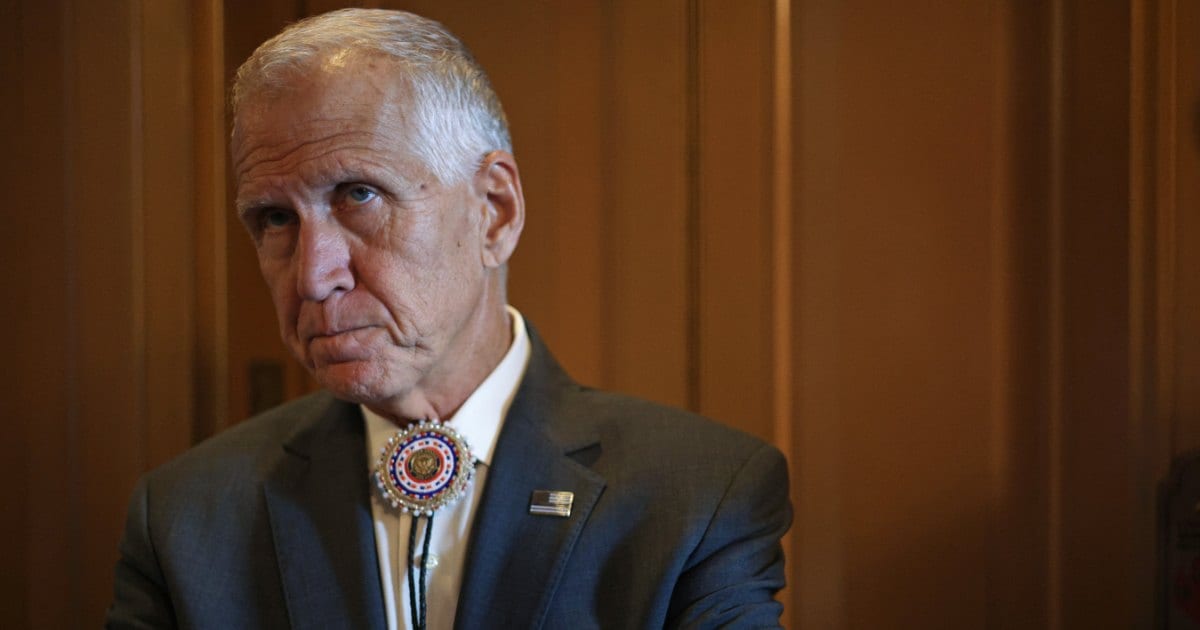
WASHINGTON, DC: Oklahoma senator James Lankford on Sunday, March 29, said federal workers should continue to be paid regardless of ongoing budget disputes, as lawmakers remain divided over funding for the Department of Homeland Security (DHS).
Speaking on NBC’s “Meet the Press,” Lankford emphasized the need to avoid government shutdowns and ensure continuity in federal operations. His comments come as a funding lapse affecting DHS extends beyond 40 days.
Lankford pushes to prevent shutdowns, ensure federal pay
Lankford highlighted his support for a bipartisan proposal aimed at ending government shutdowns, arguing that lawmakers should remain in Washington until funding agreements are reached.
“We, by the way, I’ve got a bill that ends government shutdowns forever. You and I have talked about it before, this is a bipartisan bill, I believe we have enough support in the Senate right now, we want to move this to the House, but I believe that we should never leave Washington, DC, until everything is funded,” he said.

He stressed the importance of maintaining pay for federal employees during budget impasses. “But we should never get to a moment we’re not paying federal workers,” Lankford added.
The DHS funding lapse began after Senate Democrats blocked a measure to keep the department operating, citing concerns over immigration enforcement practices, particularly those involving Immigration and Customs Enforcement(ICE).
In response, House Republicans passed a short-term bill to fund DHS for eight weeks, following disagreements over whether to include funding for immigration enforcement agencies such as ICE and Border Patrol.
The funding debate has led to multiple legislative attempts to resolve the impasse, alongside executive action.
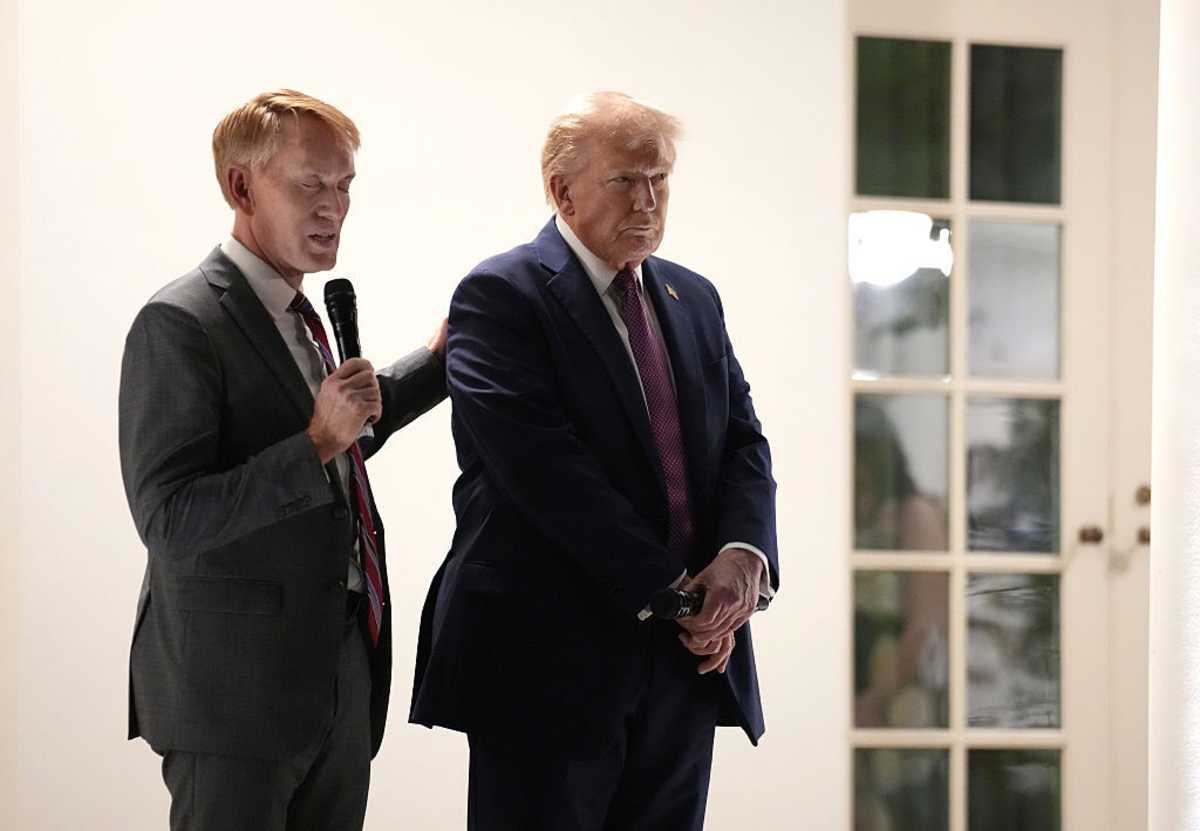
President Donald Trump ordered DHS to ensure payment for Transportation Security Administration employees during the shutdown, stating, “As President of the United States, I have determined that these circumstances constitute an emergency compromising the Nation’s security.”
Debate expands to US military role and congressional authority
In addition to domestic funding issues, Lankford addressed questions about potential US military involvement in Iran, saying decisions would depend on the scope and objectives of any operation. “To be very clear on this, the worst thing that can happen is to be able to have this kind of conflict start and to not end it, to leave it undone. We’ve got to be able to finish this,” he said.
When asked about deploying troops, he said the approach would vary based on the mission. “If this is special forces to be able to carry out a specific operation — get in, get out — that’s very different than long-standing occupation,” he said, adding that the issue is “contingent” on the circumstances.
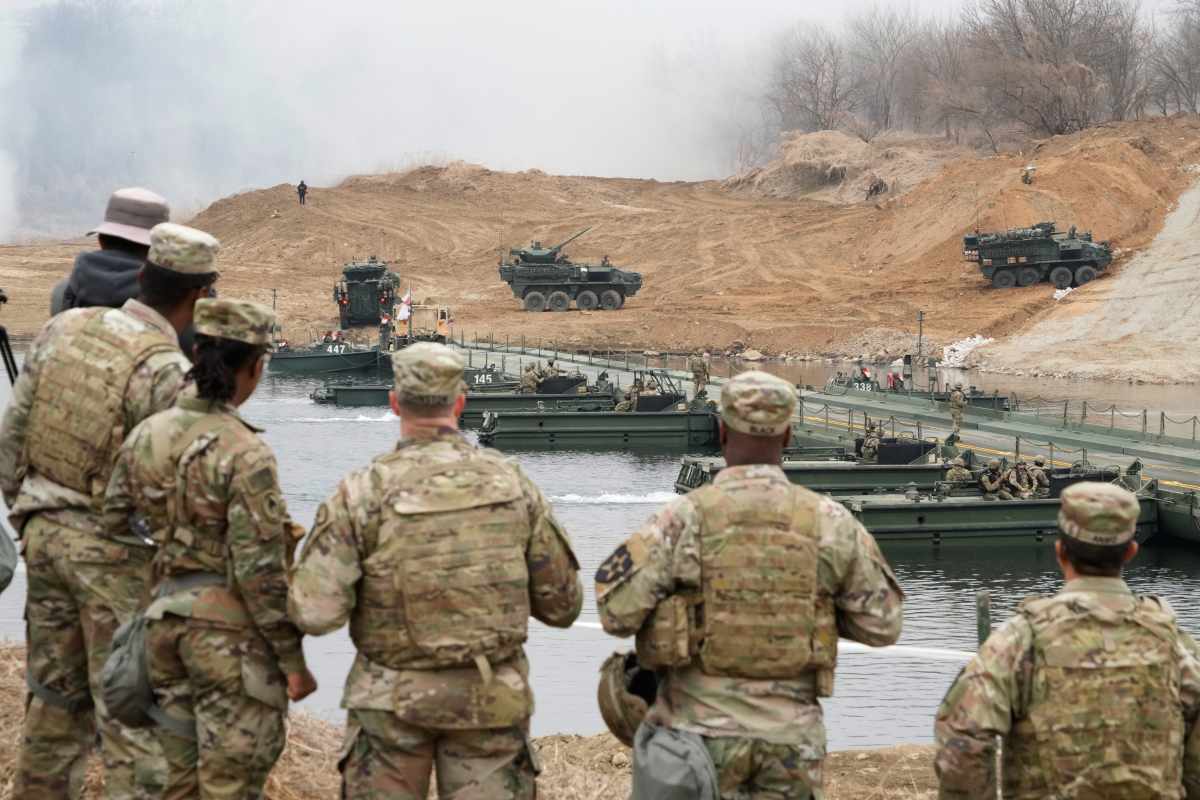
The discussion comes as additional US forces are being deployed to the Middle East, including troops from the 82nd Airborne Division.
Reports indicate that the Pentagon is considering a range of options, from securing strategic waterways to targeting Iranian resources.

Lankford also addressed the role of Congress in authorizing military action, suggesting that approval would depend on the scale of engagement.
“If we had a long-standing war that’s happening… yes,” he said. “If this is to protect Americans and to be able to make sure that we’re in there for a season and we’re stopping and getting out, that’s very, very different.” He added that congressional involvement would likely intensify when additional funding requests are submitted.