Marco Rubio says Venezuela posed a 'massive strategic risk', justifying US intervention efforts
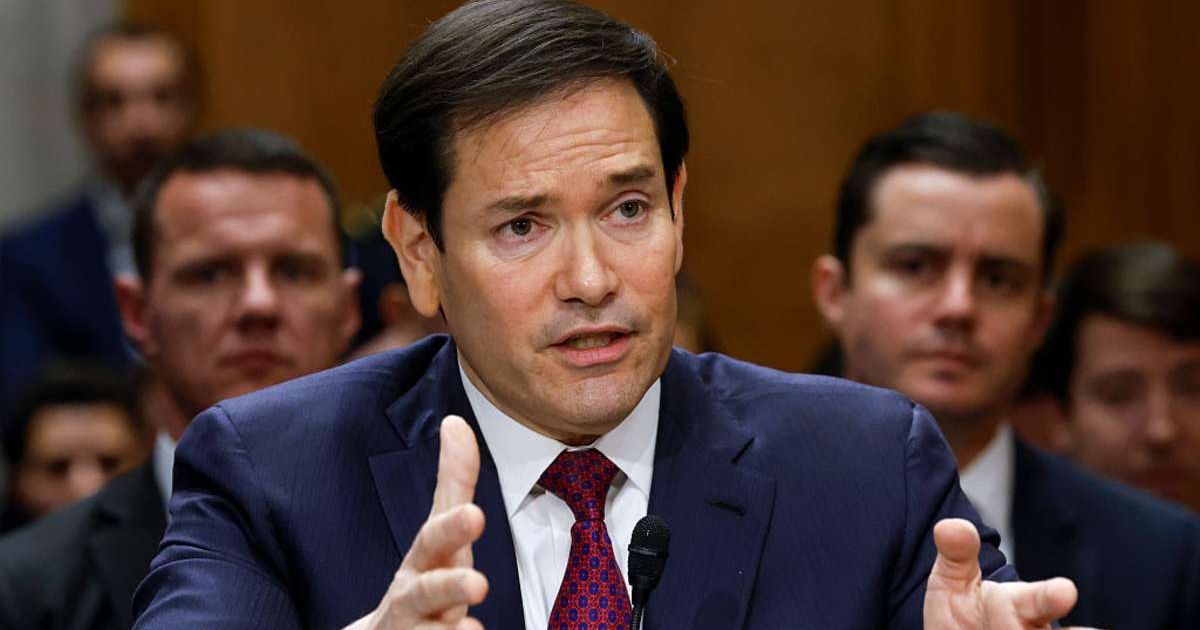
WASHINGTON, DC: Senator Marco Rubio mounted a firm defense of the US military operation in Venezuela during testimony before the Senate Foreign Relations Committee on Tuesday, January 27, framing the previous government as an immediate security threat that could no longer be ignored.
Rubio described the ousted leadership not only as a dictatorship, but as a “narco-t********g regime” that openly partnered with criminal networks.
He warned that the danger was not distant. “This is not halfway around the world,” Rubio said, calling the situation in Venezuela a “massive strategic risk” inside “the hemisphere in which we all live.”
His remarks echoed recent State Department messaging declaring that “President Trump will not allow our security to be threatened” in “OUR Hemisphere.”
Negotiating with Nicolás Maduro proved impossible
🚨 WATCH: Sec. Rubio tells Sen. Jim Risch (R-ID) the U.S. made "multiple attempts" to get Venezuelan dictator Nicolas Maduro to leave the country voluntarily.
— Off The Press (@OffThePress1) January 28, 2026
"You couldn't make a deal with this guy," Sec. Rubio said. pic.twitter.com/ZIM5Hn1Fpk
Questioned by Senator Jim Risch about post-capture planning following Nicolás Maduro’s removal on January 3, Rubio said that diplomacy had failed. He revealed that the administration repeatedly tried to persuade Maduro to step aside peacefully.
“You couldn’t make a deal with this guy,” Rubio said. He explained that the operation required extensive preparation to neutralize “anything that was a threat to the forces” entering the country.
Since the capture, Rubio said, the US had begun “serious counter-n******c talks with Venezuelan authorities” for the first time in two decades. He added that Washington was also moving to remove Iranian, Chinese, and Russian influence from the country.
Oil profits controlled by US oversight
Rubio devoted a significant portion of his testimony to the handling of Venezuela’s oil reserves. He confirmed that sanctioned oil was being allowed to reach markets to prevent storage bottlenecks, but under strict financial controls.
Revenue, he said, needed to be placed into an account over which the United States had “oversight.”
“You will spend that money for the benefit of the Venezuelan people,” Rubio told lawmakers.
He said the goal was to restore a “normal oil industry” that was no longer dominated by corruption or political cronies. “We’ve got plenty of oil,” Rubio added, stressing that the priority was stabilizing Venezuela’s economy, not expanding US supply.
Transition requires no US spending
"At the end of the day, we are dealing with people over there that have spent most their lives living in a gangster paradise ... We are certainly better off today in Venezuela than we were four weeks ago, and I think, and hope, and expect that we will be better off in three… pic.twitter.com/JABFkHoBEB
— Department of State (@StateDept) January 28, 2026
In a rapid exchange with Senator Pete Ricketts, Rubio emphasized that the United States was “not spending any money in Venezuela right now.” He argued that Venezuela’s problem was not a lack of resources, but theft.
“The problem is that the wealth of the country was being stolen,” Rubio said. He insisted the objective was to leave behind “a prosperous Venezuela” without relying on US taxpayers.
While companies might eventually require Treasury licenses to operate, Rubio was clear: “We don’t expect that it is going to require any spending on our part.”
Interim leader Delcy Rodríguez cooperates despite rhetoric
Rubio also addressed governance under Interim President Delcy Rodríguez, an ally of Maduro, sworn in by the National Assembly. While Rodríguez publicly labeled Maduro’s seizure as a “kidnapping,” she has cooperated with the Trump administration on key matters.
Trump described Rodríguez as an “excellent person” and said the US would “run” the country until a “safe, proper and judicious transition” was secured.
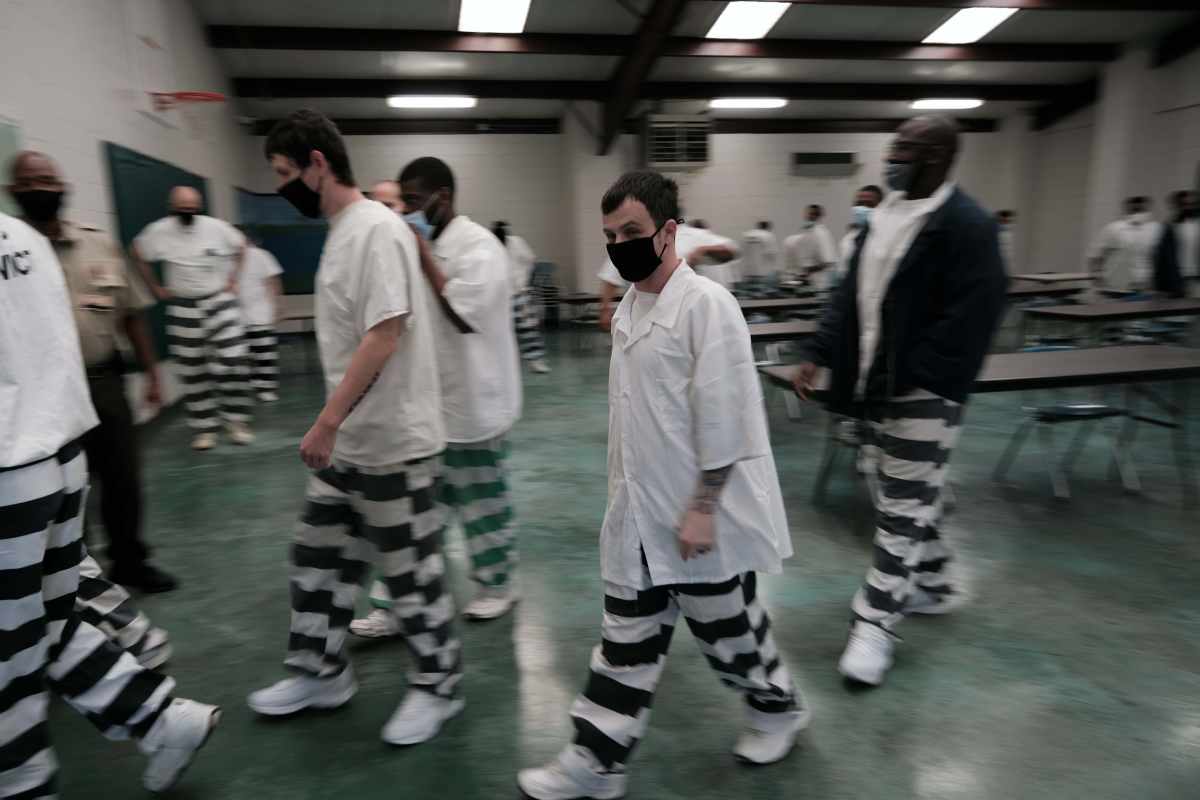
Rubio pointed to early human-rights steps, noting that releases of political prisoners had begun. More than 250 detainees had been freed, though NGO Foro Penal reported that over 730 remained in custody.
Opposition leader María Corina Machado pressed for their full release and the dismissal of all charges.