Mayors clash with federal authorities over immigration detention centers and TPS policies

WASHINGTON, DC: A bipartisan group of mayors appeared on "Face the Nation" Sunday to express their increasing concerns over federal immigration enforcement. They painted a picture of local governments struggling to protect their residents while also obligated to comply with federal law. From the expiration of Temporary Protected Status (TPS) in Miami to the proposed construction of mass detention centers in the Midwest, the mayors described a chaotic landscape where local authority is increasingly at odds with federal directives.
Miami faces healthcare crisis over TPS
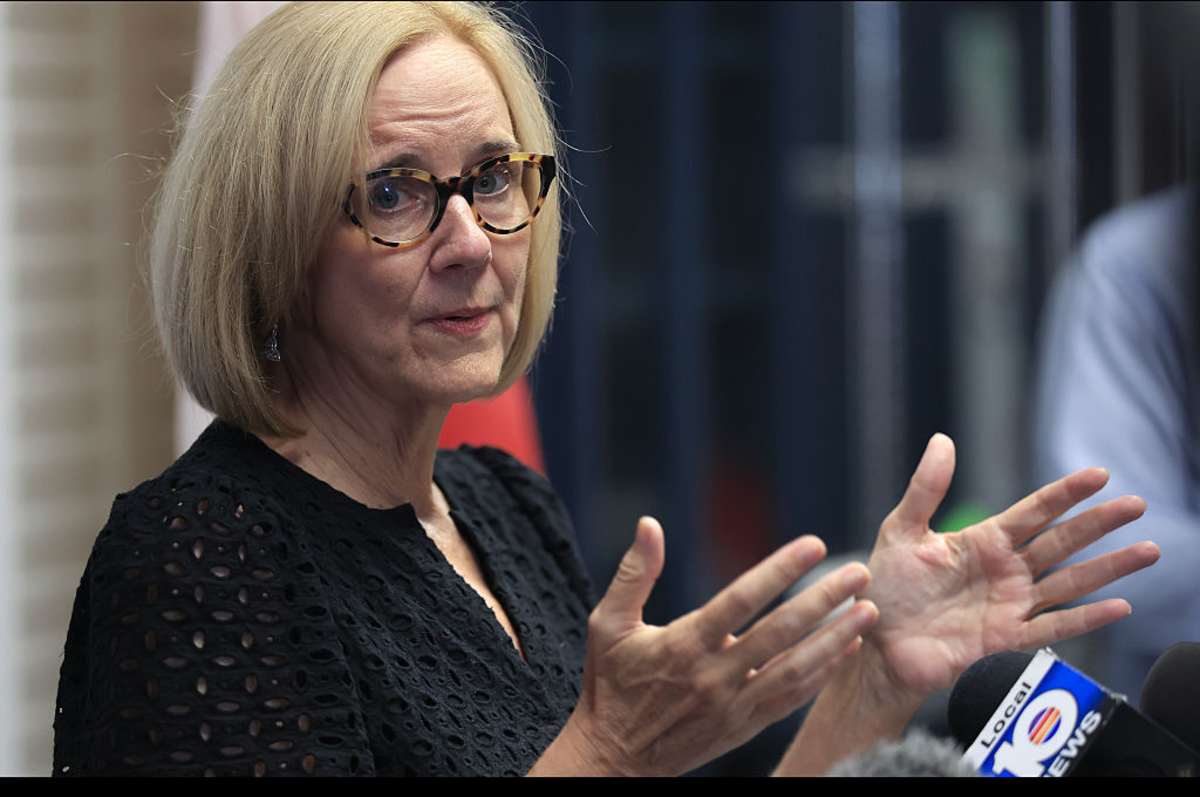
Miami Mayor Eileen Higgins issued a stark warning regarding the imminent expiration of TPS for Haitian immigrants, predicting a collapse in local healthcare services. She emphasized that Tuesday night brings a "very, very dire situation" as members of the Haitian community will lose access to TPS at midnight.
"20% of TPS recipients with Haitian heritage work in health care," Higgins said. She explained that nursing homes and hospitals will witness staff losing their jobs "when they wake up on Wednesday" and become "overnight illegals" due to federal policy changes. Higgins described the atmosphere in her community as filled with "fear and terror," highlighting how ICE tactics have forced people into hiding. Although Miami complies with state laws that require cooperation with ICE, Higgins has restricted this cooperation to training only three individuals in her 1,500-person police department to handle such calls, stating she refuses to assist "beyond that."
Mayors caught between law and safety
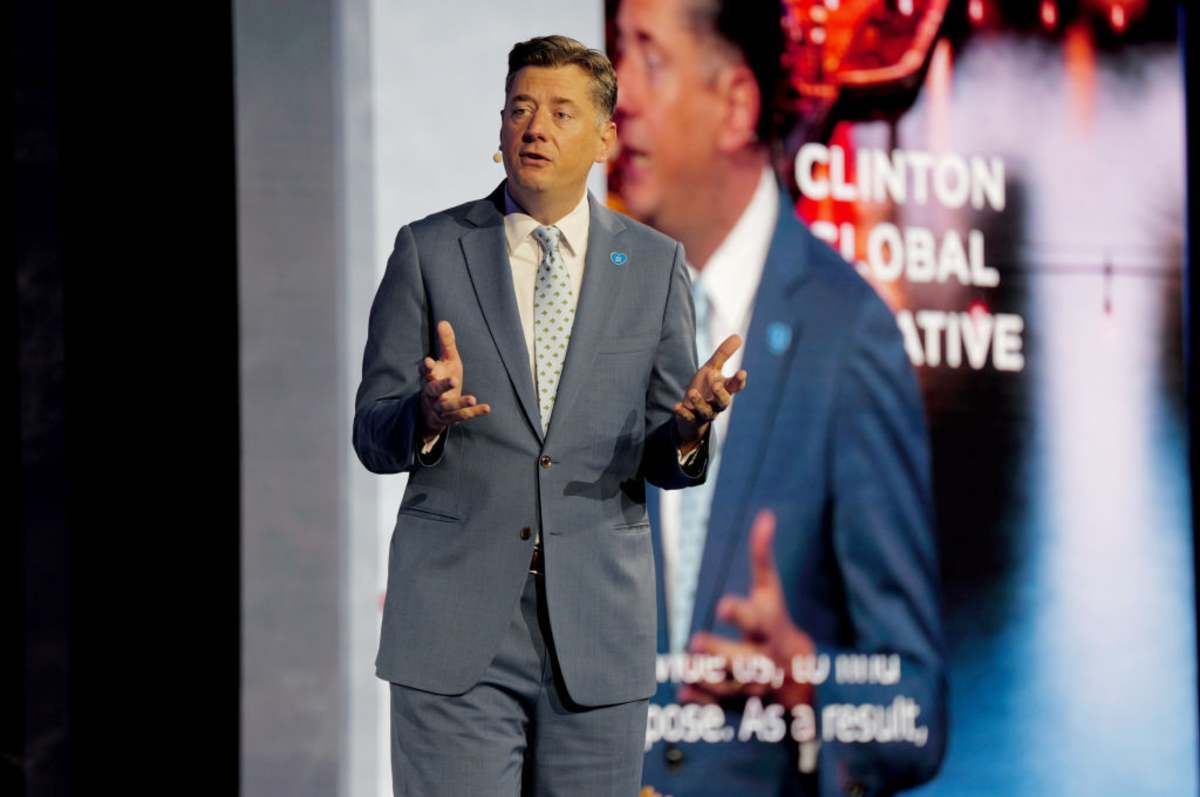
Oklahoma City Mayor David Holt highlighted the challenging position mayors find themselves in, referencing the Supremacy Clause of the US Constitution. "When the federal government and federal law enforcement comes into your city, we are fully subservient to that in the eyes of the law," Holt explained.
Holt expressed fear that the "chaos" seen in Minneapolis protests could spread nationwide if the federal government does not use "discretion and restraint". He noted that while mayors have a chief obligation to protect residents, they are often "caught kind of in the middle of these tensions." Holt also addressed the controversy of federal attempts to turn industrial warehouses into detention facilities, noting that in his city, the property owners are no longer engaging with the Department of Homeland Security regarding the sale.
Zoning laws used to block detention
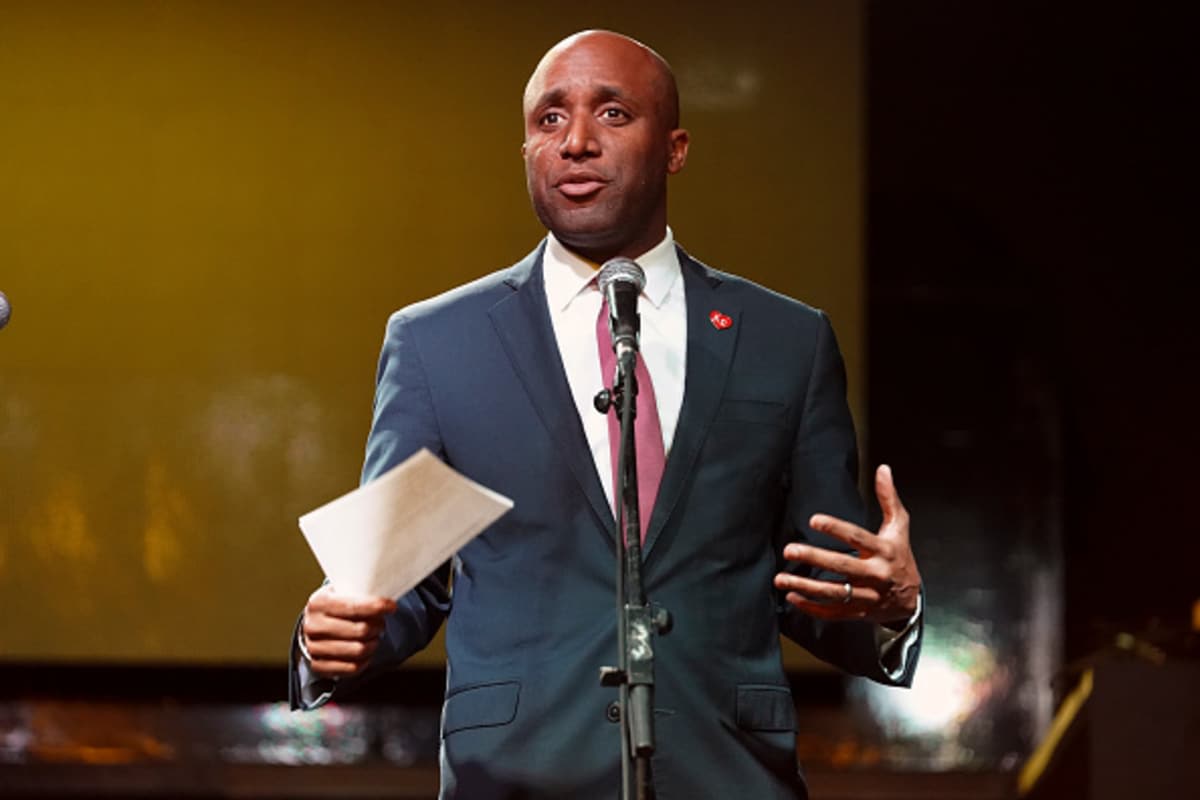
Kansas City Mayor Quinton Lucas outlined a strategy to use local zoning ordinances to oppose the establishment of large-scale federal detention centers. Lucas argued that converting a "gigantic distribution facility" into a warehouse for 10,000 people is "fundamentally something that is inhumane."
He invoked the 10th Amendment to assert that local zoning and police powers allow cities to intervene, especially when private contractors are involved. "We wanted to make clear not only that people largely didn't want a 10,000 person detention facility near them, but also that they have to go through things like zoning a special use permit," Lucas said. He suggested that whether it is "Alligator Alcatraz in Florida" or facilities in the Midwest, communities are demanding that enforcement remain consistent with constitutional principles.
Mesa finds balance through limited cooperation
In contrast to the tension in other areas, Mesa Mayor Mark Freeman described a calmer relationship with federal authorities. Freeman explained that his city has an agreement with ICE dating back to 2009, which is strictly limited to civil infractions.
Freeman noted that because Mesa does not have a jail, they utilize a holding facility, a system he deemed "very successful". He attributed the lack of protests in his city to active engagement with the Latino community and local pastors. "They find comfort in knowing that our city stands ready to support them," Freeman said, adding that despite pressures, he does not feel the same level of tension seen in other parts of the country.