Merz brushes off 'nuclear' accusation, says Trump ties stronger than Iran row
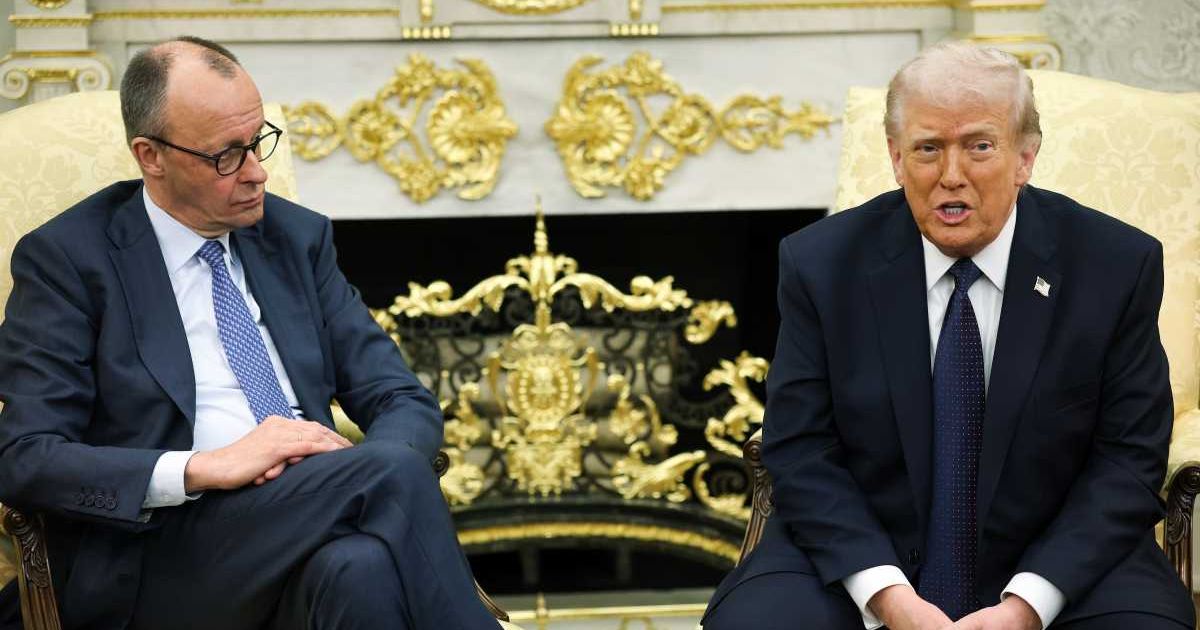
WASHINGTON, DC: German Chancellor Friedrich Merz on Wednesday, April 29, sought to play down tensions with President Donald Trump, insisting their relationship remains “as good as ever” despite a sharp exchange over the Iran war.
Speaking amid growing transatlantic unease, Merz admitted he had harbored concerns about the conflict from the outset, signaling a clear divergence in approach between Berlin and Washington.
“I had doubts from the very beginning about what was started there,” he said, referring to the US-led strategy in Iran.

Economic fallout weighs on Europe
Merz underscored the tangible economic consequences of the conflict, warning that Germany and the wider European region are already feeling the strain.
He pointed specifically to disruptions linked to the closure of the Strait of Hormuz, a critical artery for global oil shipments.
“We are suffering considerably in Germany and in Europe from the consequences,” Merz said, highlighting rising energy costs and supply chain uncertainties.
He urged all sides to work toward a resolution, stressing that prolonged instability would deepen economic pain and undermine global markets.

Trump fires back over nuclear claims
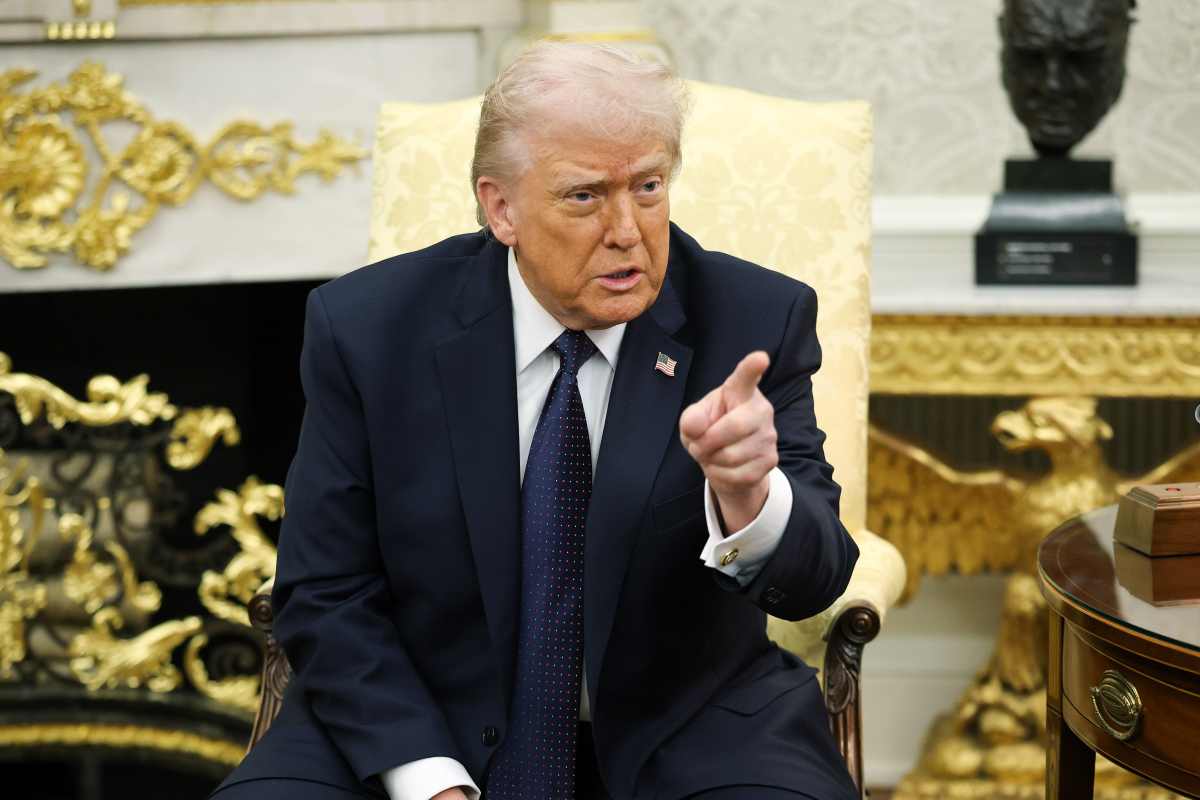
The conciliatory tone from Merz followed a pointed rebuke from Trump a day earlier. Writing on his Truth Social platform, Trump accused the German leader of effectively endorsing Iran’s pursuit of nuclear weapons.
“The Chancellor of Germany, Friedrich Merz, thinks it’s OK for Iran to have a nuclear weapon. He doesn’t know what he’s talking about!” Trump said.
The president’s remarks were triggered by Merz’s earlier criticism of Washington’s handling of the conflict.
The German chancellor had argued that the United States risked being “humiliated” by Iranian leadership and questioned what he described as a lack of a clear, coherent strategy.
Transatlantic differences come into focus
The episode has brought underlying policy differences into sharper focus, even as both leaders publicly affirm the strength of their ties.
While Merz has emphasized diplomacy and de-escalation, the Trump administration has taken a more hardline stance, particularly on Iran’s nuclear ambitions and regional posture.
Despite the rhetoric, Merz’s insistence on maintaining a strong working relationship suggests both sides are keen to avoid a deeper rupture at a time of heightened geopolitical uncertainty.

Observers say the coming weeks will be crucial in determining whether it remains rhetorical or evolves into a more substantive policy divide between Europe and the United States.