Miller says US must 'take a hard look' at foreign pregnant women after SC citizenship decision
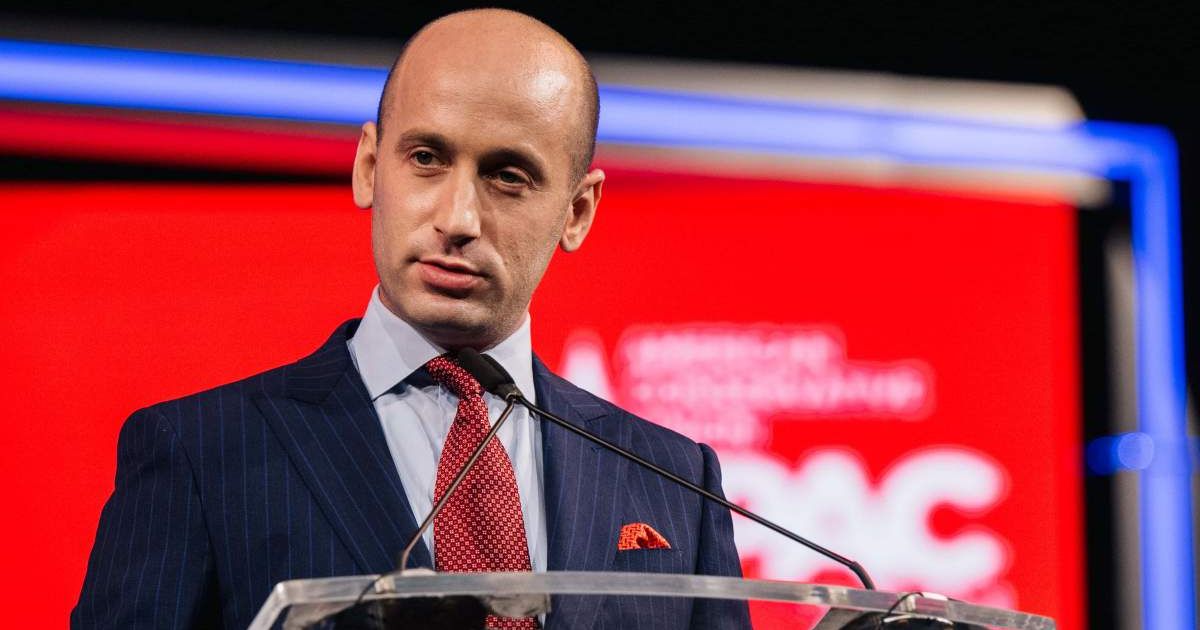
WASHINGTON, DC: White House Deputy Chief of Staff Stephen Miller said Tuesday, June 30, that the Trump administration may reconsider allowing pregnant foreign visitors into the United States following the Supreme Court's decision upholding birthright citizenship.
Speaking on Fox News, Miller argued the ruling could encourage what he described as "birth tourism" and said officials would have to re-evaluate temporary entry policies. His comments after the Supreme Court rejected President Donald Trump's effort to end automatic citizenship for children born on US soil.
Stephen Miller says administration will 'take a hard look' at immigration policies
Miller argued that the court's decision changes how the government must approach temporary admissions into the country. Miller claimed the ruling creates incentives for foreign nationals to travel to the United States shortly before giving birth.
"If you have birthright citizenship, it means if a person comes here nine months pregnant... in a couple of weeks, that is the mother of a lifetime American citizen and a direct line into American cash and welfare for the rest of that child's life," Miller said.
Stephen Miller says the Trump administration will take “a hard look” at banning foreign pregnant women from the country pic.twitter.com/zxjiTxdm47
— Aaron Rupar (@atrupar) July 1, 2026
When anchor Jesse Watters asked whether that meant the administration was considering banning pregnant foreign women from entering the country, Miller stopped short of confirming such a proposal but said immigration policies would have to be reviewed.
"Well, what I'm saying, Jesse, is that you have to now think very carefully about who you let into your country, even on a temporary basis, because the possibility... for birth tourism," Miller said.
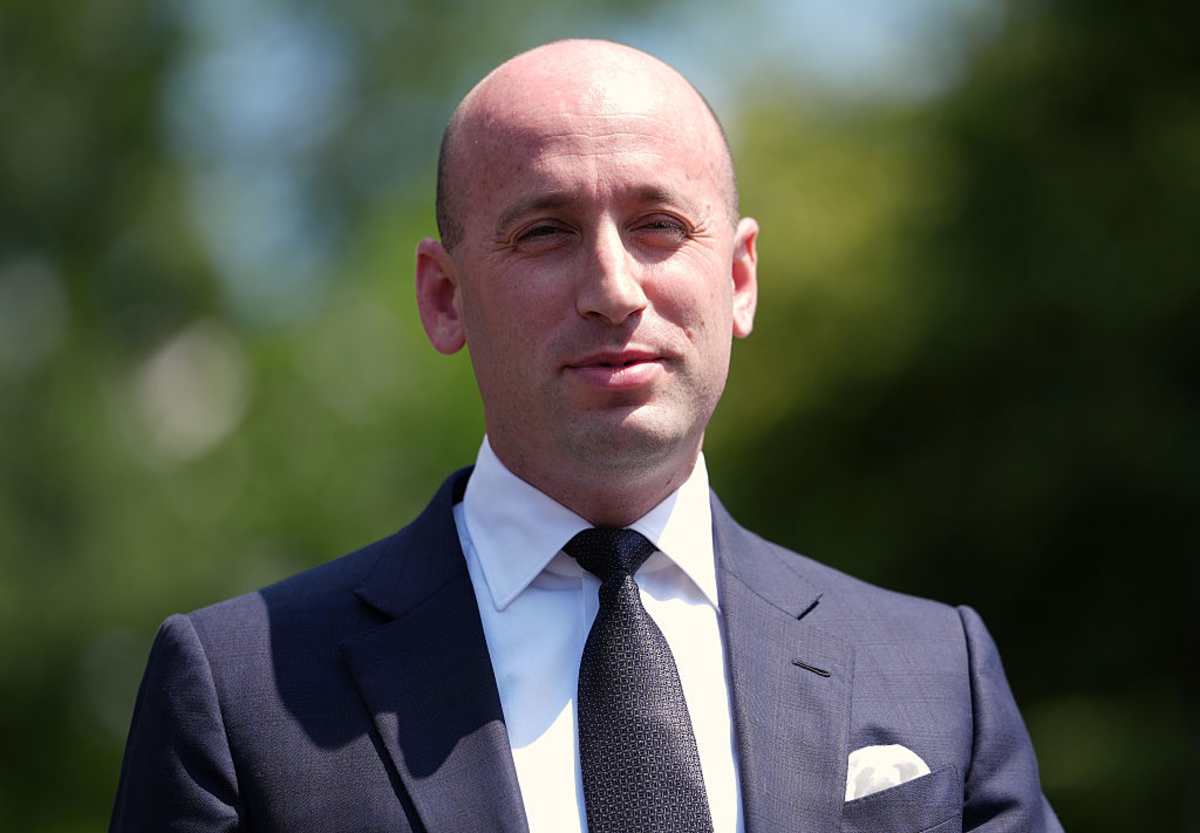
He added that officials would need to examine whether existing immigration programs remain appropriate following the ruling. "So yes, you can't have the kinds of immigration programs other countries have when you can just have a baby here, and now that child is an American citizen. So there's a lot of things we're gonna have to take a hard look at, Jesse."
Supreme Court upholds constitutional guarantee of birthright citizenship
The Supreme Court ruled 6-3 that children born in the United States to parents who are unlawfully or temporarily present are citizens at birth under the 14th Amendment of the Constitution.
Chief Justice John Roberts, writing for the majority, said the Constitution extends citizenship to children born in the United States regardless of their parents' immigration status. "Citizenship, then and now, was the right to have rights, to freely participate in our political community," he wrote.
🚨 The Supreme Court ruled that the Fourteenth Amendment guarantees birthright citizenship to children born in the United States, including those whose parents are in the country unlawfully or only temporarily, striking down President Trump's executive order. pic.twitter.com/iDns5rmqJF
— SCOTUS Wire (@scotus_wire) June 30, 2026
He added that the framers of the 14th Amendment extended that protection to "every free-born person in this land," concluding, "We keep that promise today." The decision rejected President Trump's executive order seeking to end automatic citizenship for children born to undocumented immigrants and certain temporary visa holders.

Three conservative justices, Clarence Thomas, Neil Gorsuch, and Samuel Alito, dissented. Alito described the ruling as a "serious mistake," arguing it grants citizenship to "virtually anyone" born in the United States, including those who come to the country for the purpose of giving birth.