Paramount's $110B Warner deal clears major hurdle after 12 states settle antitrust fight
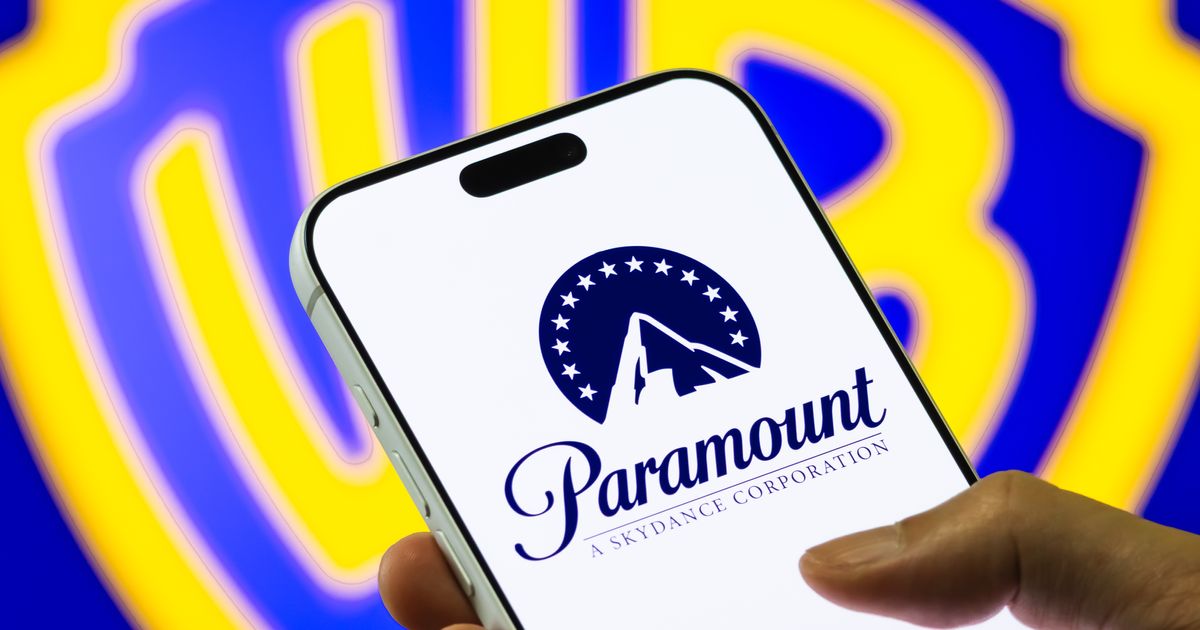
LOS ANGELES, CALIFORNIA: Paramount Skydance moved closer to completing its $110 billion acquisition of Warner Bros Discovery on Monday, September 21, after California and 11 other states settled their antitrust challenge to the proposed merger.
The agreement ends a lawsuit that was headed toward a March trial and replaces the states’ attempt to block the transaction with enforceable conditions covering movie production, newsroom governance, and workers.

The merger still requires court approval before it can proceed.
Twelve states end antitrust challenge
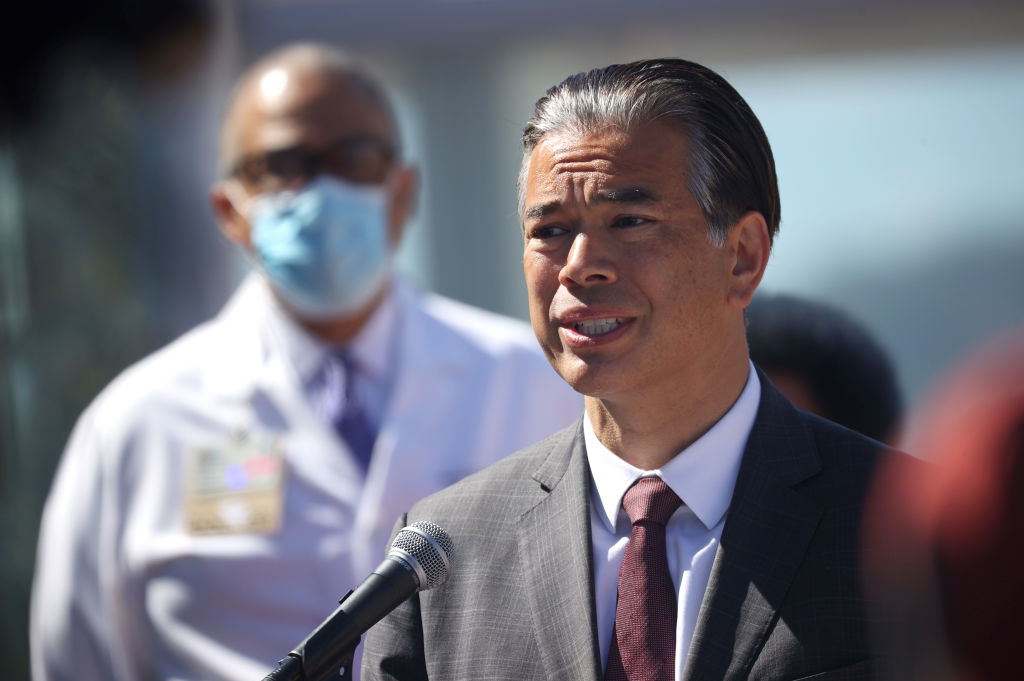
California Attorney General Rob Bonta led the coalition that sued in July, arguing the combination would substantially reduce competition in theatrical film distribution and basic cable programming.
The state previously estimated the merged company would control nearly one-third of US theatrical movies and basic cable programming.
Under the settlement, Paramount must release 30 films annually during the first two years after closing and 32 in each of the following three years.
Missing the target carries a $30 million penalty for each film, with the money directed to health and retirement funds connected to Hollywood unions.
The combined company must also invest in domestic production.
Paramount CEO David Ellison said the company wants to build a stronger Hollywood with more stories and consumer choice.
CNN and CBS gain safeguards
The settlement reaches beyond movie theaters into two of America’s biggest news operations.
Paramount must establish independent editorial boards overseeing CNN and CBS News, which would become corporate siblings if the acquisition closes.
Another condition requires negotiations involving Paramount’s basic cable channels to remain separate from those covering Warner channels, preserving competition between the portfolios.

The agreement also establishes a $47.5 million workforce fund over five years for training and career development for employees displaced because of the transaction.
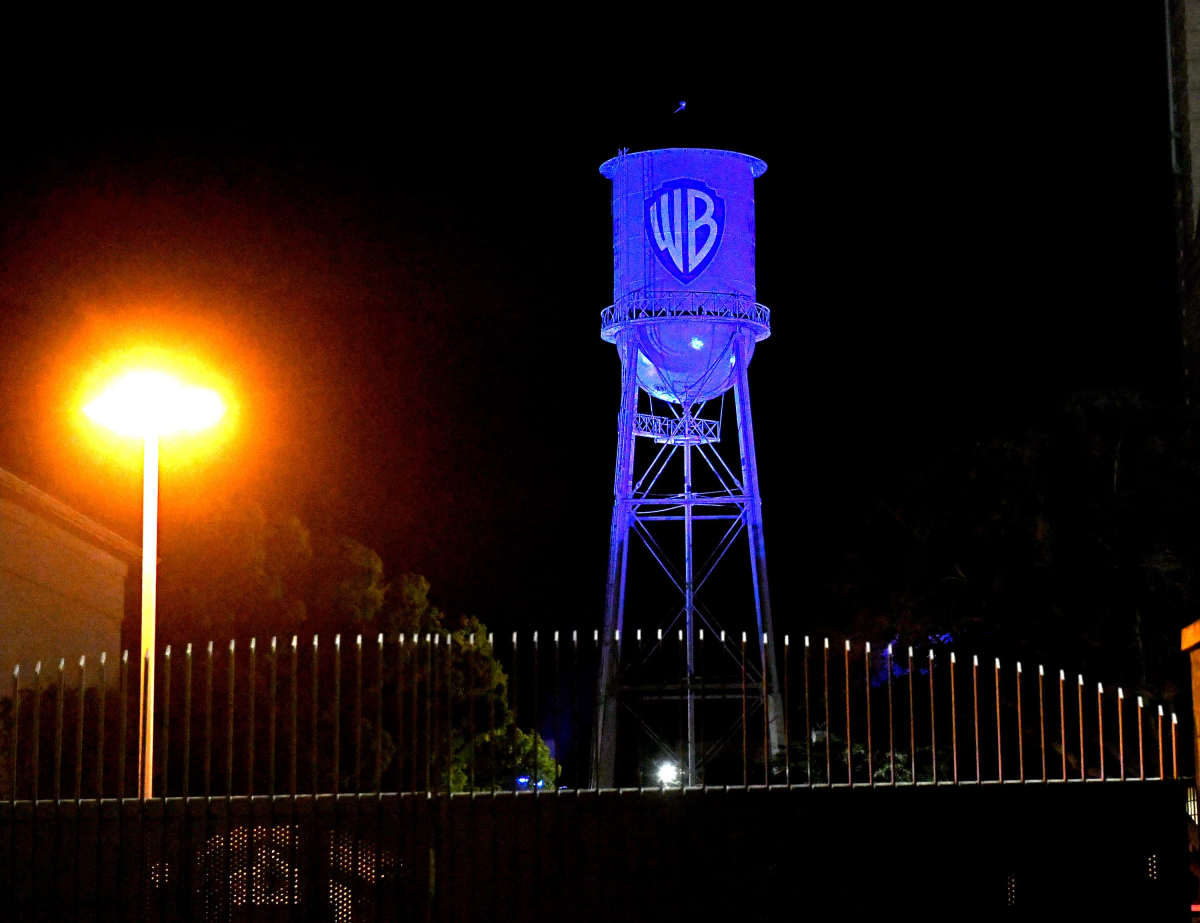
The conditions address concerns surrounding a company that would combine Warner Bros and Paramount Pictures alongside CNN, CBS, HBO and other major entertainment properties.
The states’ original complaint said Paramount and Warner currently compete across film distribution and cable licensing.
What Americans could see change
For consumers, the settlement establishes measurable obligations affecting movies, television news, and entertainment jobs rather than immediately changing subscriptions or programming.
Film quotas are intended to maintain production after consolidation, while financial penalties create consequences if Paramount falls short.
The editorial boards provide a separate governance mechanism for CNN and CBS News inside the enlarged company.
Workers displaced by the merger can receive support through the workforce fund, while union benefit plans could receive money if film commitments are missed.
The transaction is not complete.
A federal judge must approve the settlement, meaning Paramount and Warner remain separate companies for now.