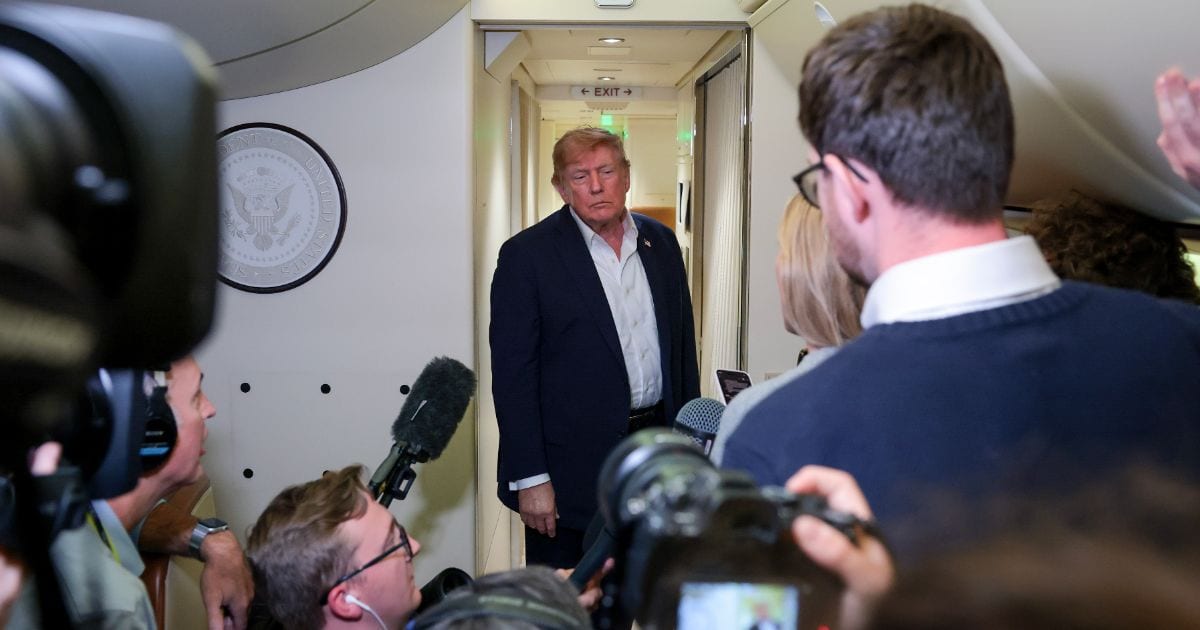
Republicans split over Trump’s Iran deal as Lindsey Graham says he's 'pretty skeptical' about it
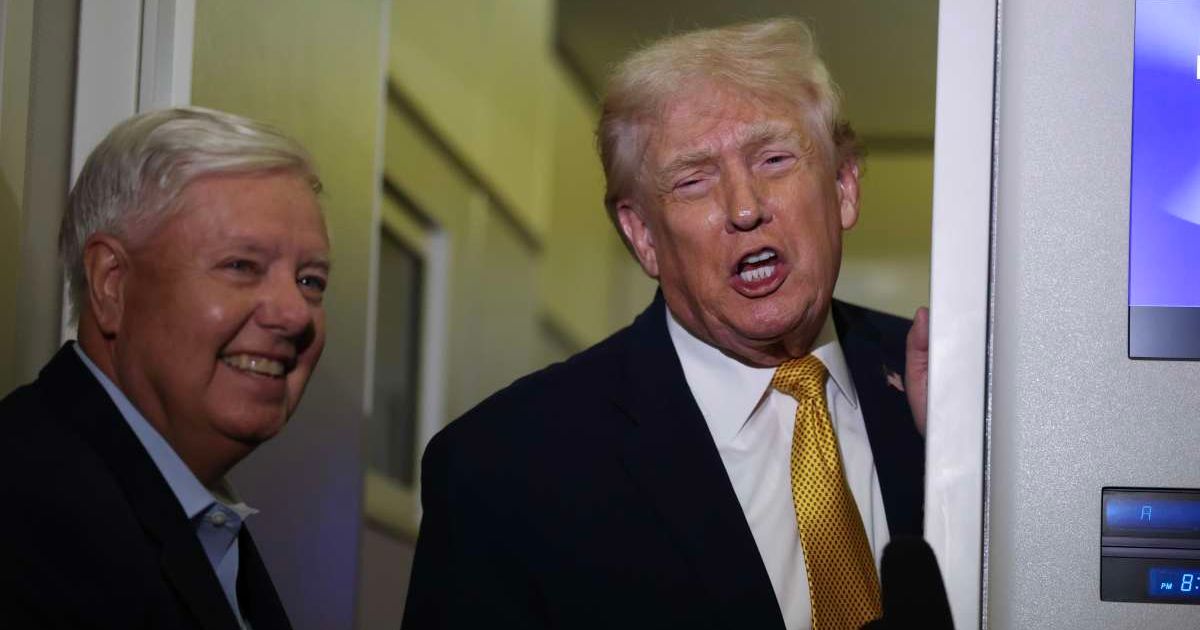
WASHINGTON, DC: Republican lawmakers are expressing varying degrees of skepticism toward President Donald Trump’s newly announced agreement with Iran, with several senators saying they need more information before deciding whether to support the framework.
Among the most prominent voices raising concerns is Senator Lindsey Graham, a longtime Trump ally and one of Congress’s most outspoken foreign policy hawks, whose views on Iran have often shaped Republican debate on the issue.
Lindsey Graham leads GOP calls for caution
Graham said he remains unconvinced that negotiations with Iran will ultimately produce a satisfactory outcome, though he stopped short of opposing the effort outright. “When it comes to Iran, I'm pretty skeptical, but you never know till you try, so it's worth a try,” Graham said.
Graham, who has long advocated a hardline approach toward Tehran and has been one of Trump’s closest allies in the Senate, said he wanted to see the final terms before reaching a conclusion.
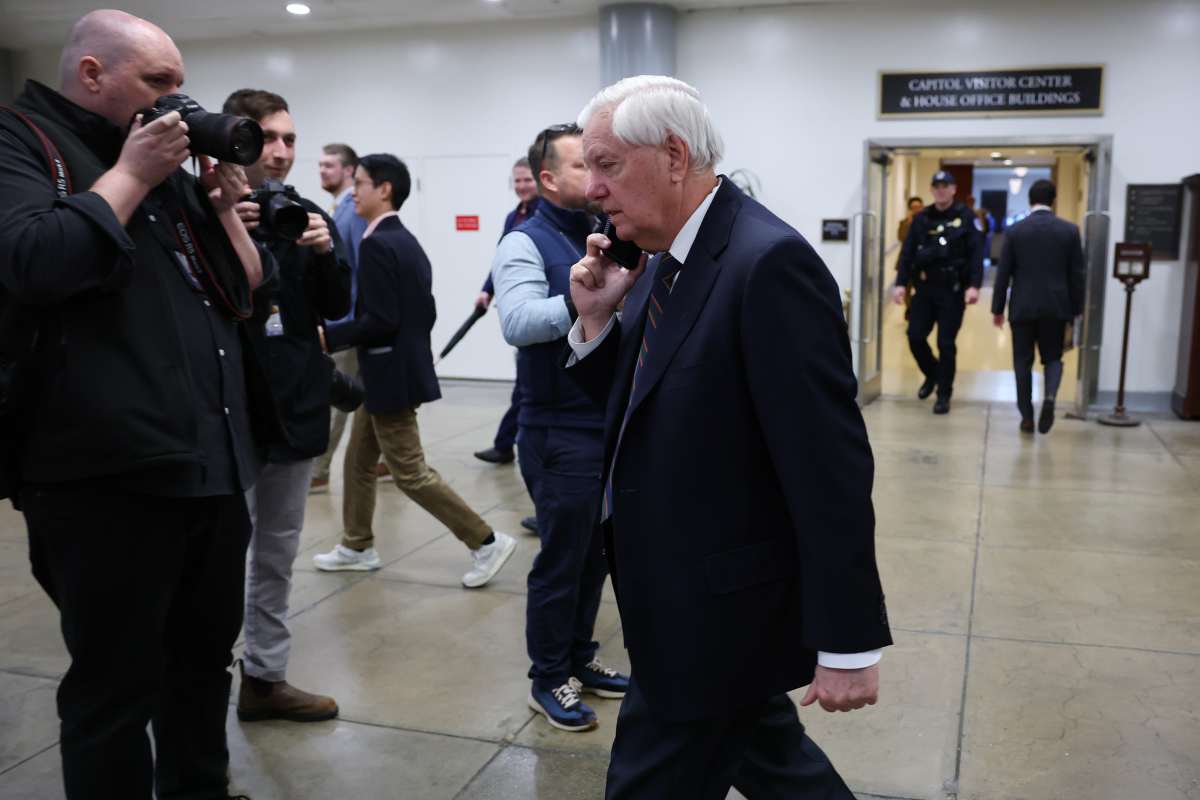
“I mean, I like the idea of opening the straits and ending the conflict,” Graham said. “In terms of how the negotiations work long term … let's wait and see. I reserve judgment, but I don't mind jumpstarting the process.”
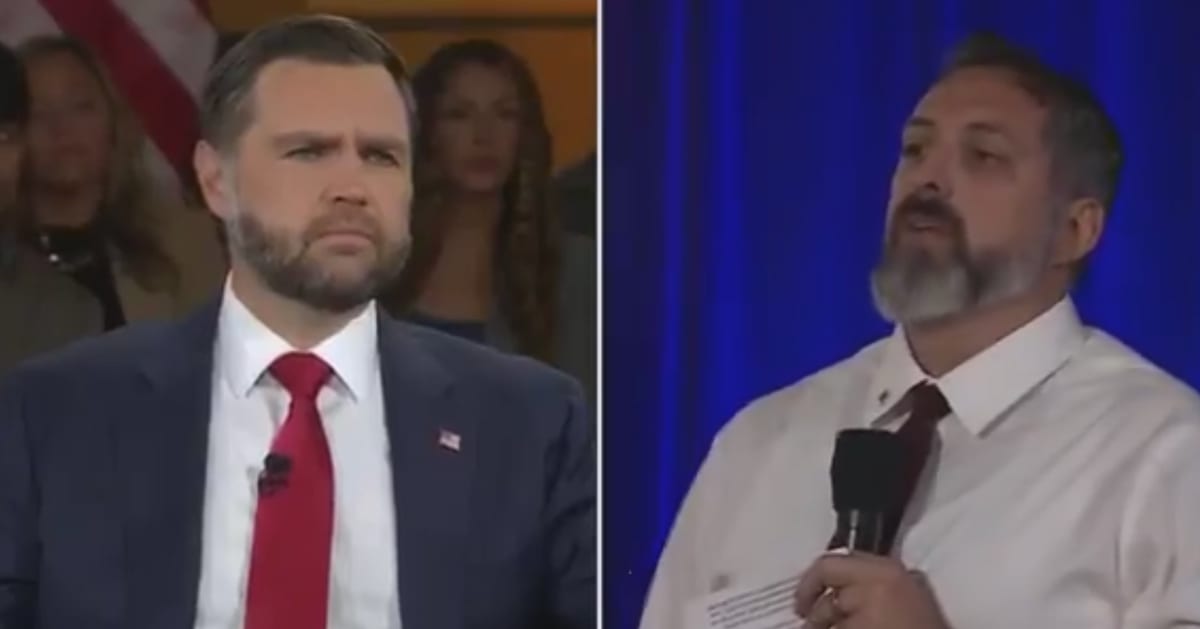
Tapper: "Is it fair to say that it's not spelled out that they have to end their ballistic missile program or end their funding of the Houthis and Hamas and Hezbollah?"
— The Bulwark (@BulwarkOnline) June 15, 2026
Vance: "The MOU is about a page and a half. It is a very general document." pic.twitter.com/ieX6vTcwXm
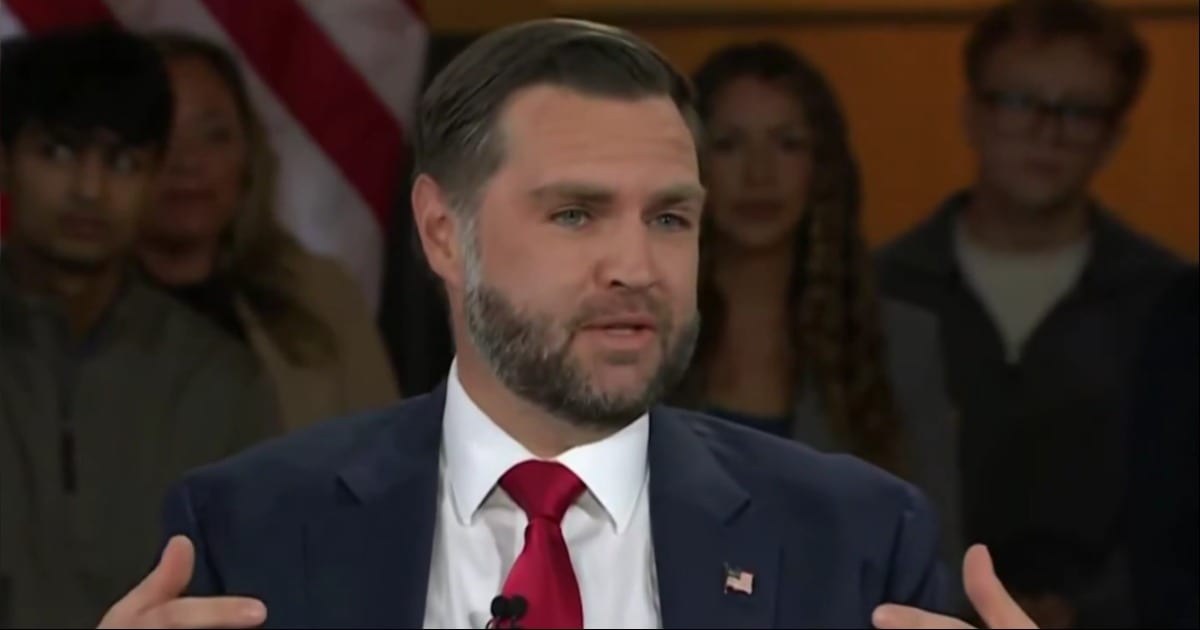
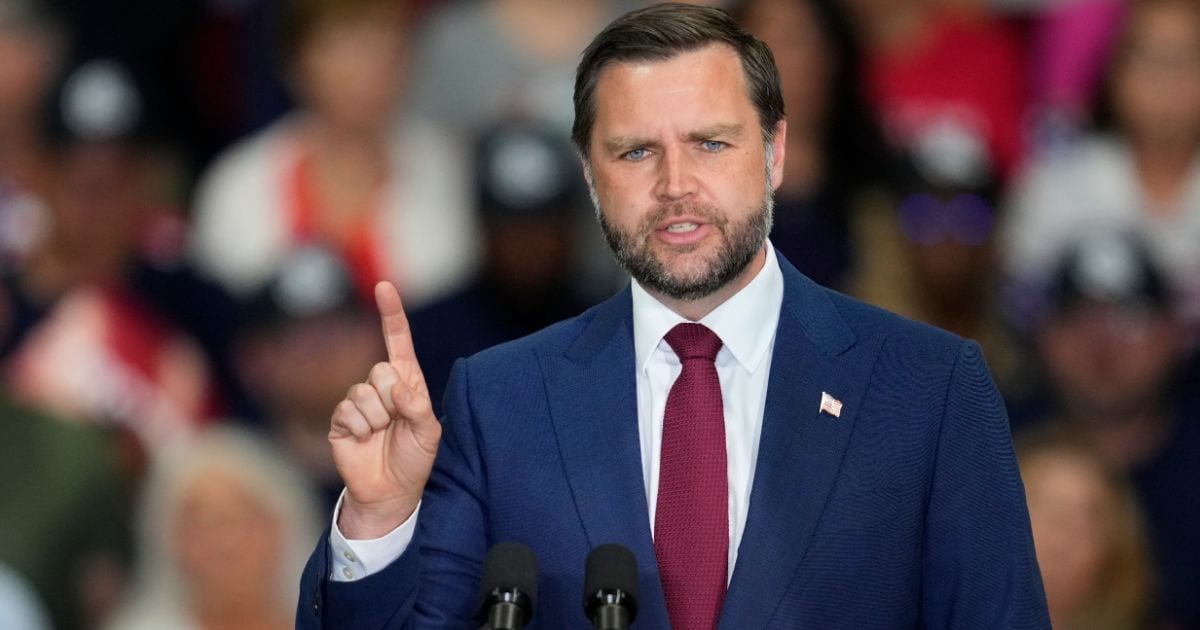
Vice President JD Vance also acknowledged that many details remain unresolved, describing the memorandum as “a very general document.” Vance said, “On a number of issues, we are going to have to figure this stuff out during the technical negotiation phase.”
GOP concerns focus on compliance, sanctions and nuclear oversight
Senate Majority Leader John Thune said lawmakers still lacked critical information. “I just don’t know enough about it,” Thune told reporters. “Even the people who follow this stuff closely up here don’t know that much about it.”
Reporter: Have you been briefed by the administration about what's in the deal with Iran?
— Moshe Schwartz (@YWNReporter) June 16, 2026
Senate Majority Leader John Thune: I certainly have not yet, although we are requesting it, and I assume we will at some point hear from the administration. pic.twitter.com/Ulw0ktdDyS
Among the concerns raised by Republicans are how compliance will be verified, what conditions will be attached to sanctions relief and frozen Iranian assets, and whether Congress will have an opportunity to review any final agreement.
“If it’s a secret deal then how can I take it seriously?” Senator Thom Tillis said.
Sen. Thom Tillis R-NC on the lack of details about the Trump deal with Iran. "If it's a secret deal, then how can I take it seriously?" pic.twitter.com/fkUYxBmnpu
— Jamie Dupree (@jamiedupree) June 15, 2026
Some Republicans remain worried the agreement could resemble the 2015 Obama-era Joint Comprehensive Plan of Action (JCPOA), which Trump withdrew from during his first term.
What GOP skepticism could mean for the talks
The memorandum establishes a framework for future talks on Iran’s nuclear program, sanctions relief and regional security issues. However, administration officials have acknowledged that major questions, including the fate of Iran’s enriched uranium stockpile and long-term verification mechanisms, remain unresolved.
Most Republicans appear willing to give the administration time to negotiate, while reserving judgment until the memorandum is formally signed and additional details are released.
Whether that support holds could depend on the final terms. If lawmakers conclude the agreement grants excessive sanctions relief without permanently restricting Iran’s nuclear capabilities, Republican resistance could complicate the administration’s effort to turn the current framework into a lasting agreement.
The next major milestone is expected Friday, June 19, when US and Iranian officials are scheduled to participate in a formal signing ceremony in Switzerland and potentially release more details about the agreement’s provisions.