RFK Jr and other Trump officials ignore calls to testify on Capitol Hill
WASHINGTON, DC: Several senior officials in the Trump administration are facing renewed scrutiny from lawmakers over their limited public engagement with Congress, according to a report published Saturday, December 27.
The Washington Post reported that members of both parties have expressed frustration over what they describe as a lack of public testimony from top cabinet officials, as congressional committees seek explanations for policy changes across multiple federal agencies.
The White House has maintained that the administration remains in communication with lawmakers, while critics argue that formal oversight hearings have declined sharply.
RFK Jr breaks his quarterly pledge

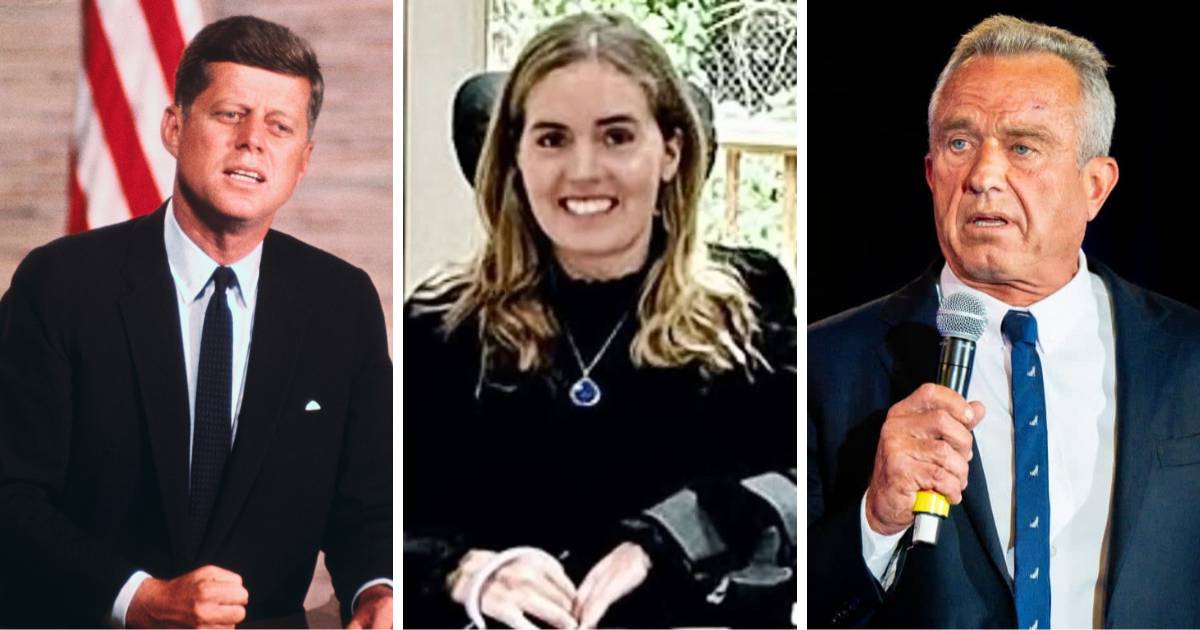
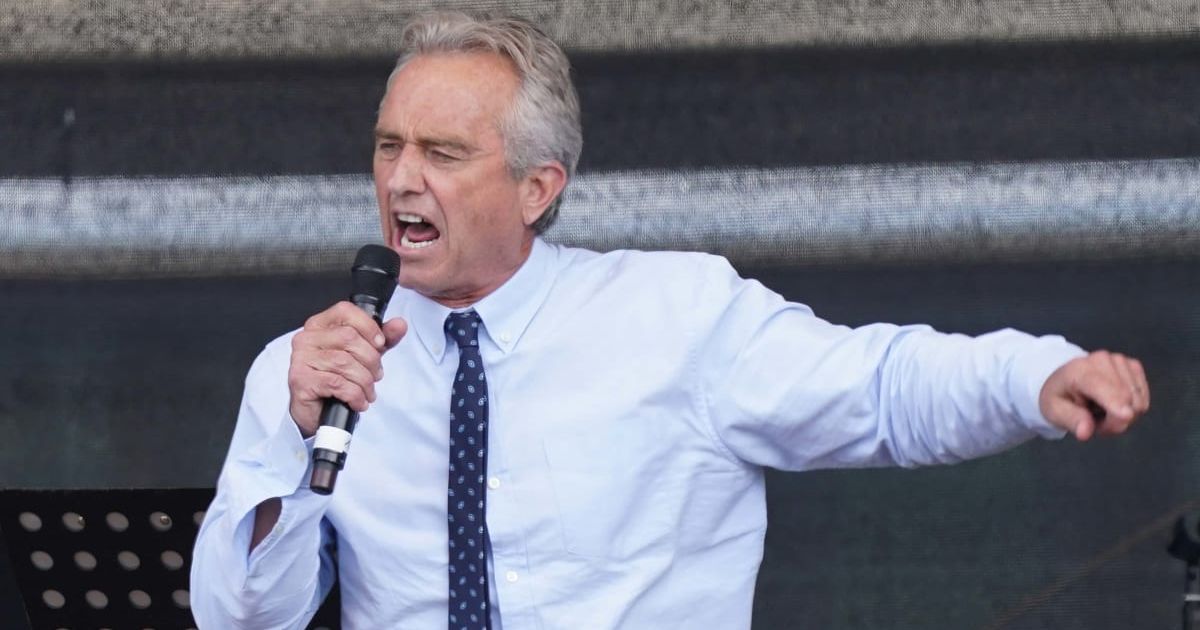
Health and Human Services Secretary Robert F Kennedy Jr has drawn particular attention from lawmakers following his absence from Senate hearings.
During his confirmation process in February, Kennedy agreed to testify before the Senate Health Committee every quarter if requested, a pledge made to Sen Bill Cassidy, a Republican from Louisiana.
According to lawmakers, Kennedy has not appeared before the committee since May. Sen Bernie Sanders, an independent from Vermont, criticized the lack of testimony, saying it undermines congressional oversight.
Sanders said the absence raises concerns given Kennedy’s actions at the department, including personnel changes involving federal scientists.
Kristi Noem 'ghosts' Judiciary Committee
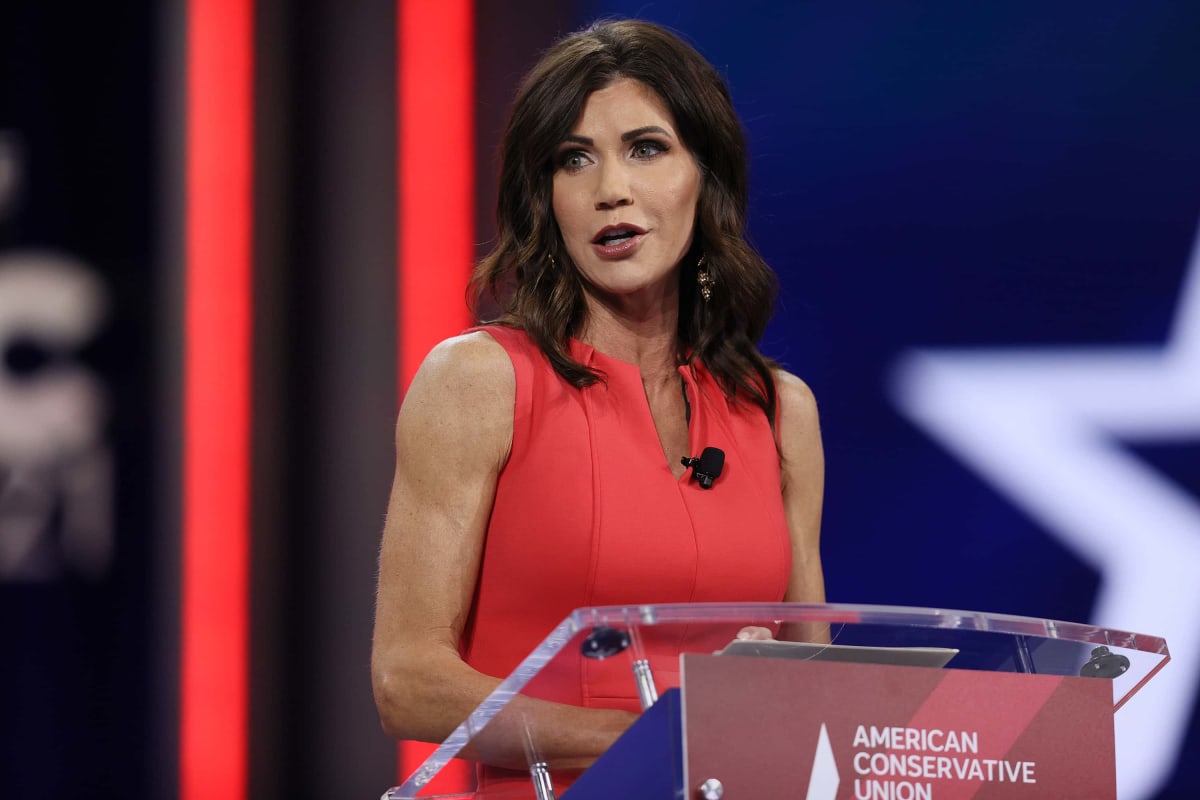
Homeland Security Secretary Kristi Noem has also declined to appear before the Senate Judiciary Committee, despite receiving multiple invitations.
Committee Chairman Chuck Grassley, a Republican from Iowa, said Noem did not respond to two requests this month to testify publicly.
Grassley addressed the issue during a committee meeting, saying he expects greater cooperation from the department.
Sen Dick Durbin, a Democrat from Illinois, said he would consider supporting a subpoena if Noem continues to decline requests to testify on immigration enforcement actions.
Secret briefings on Caribbean strikes
Concerns have also been raised over the administration’s handling of briefings related to military operations.
Defense Secretary Pete Hegseth and Secretary of State Marco Rubio recently briefed lawmakers in closed sessions regarding strikes targeting drug trafficking networks in the Caribbean.

The officials have not testified publicly on the operations.
Sen Jack Reed, a Democrat from Rhode Island, said he was dissatisfied with the level of transparency, while Sen Roger Wicker, a Republican from Mississippi, said the private briefings were sufficient.
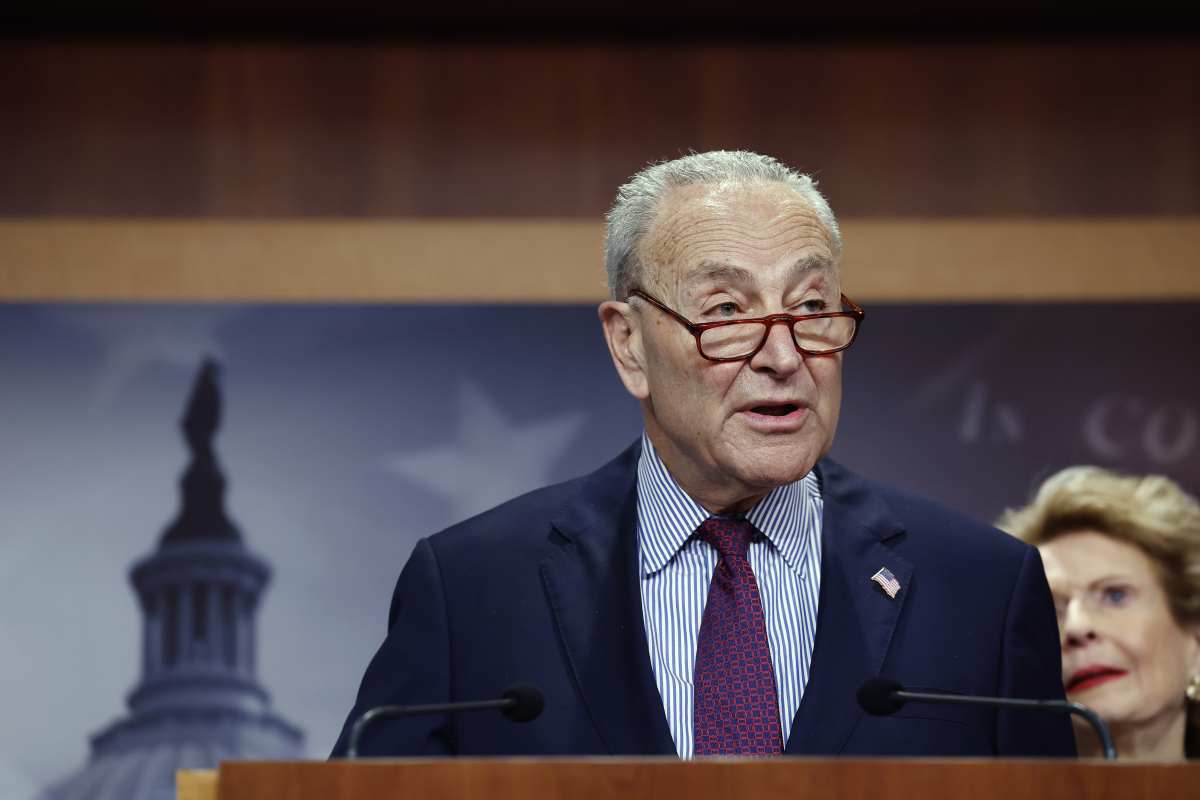
Chuck Schumer asks, 'Where is the oversight?'
Data cited by lawmakers show a decline in the number of public hearings featuring administration witnesses.
The Senate Foreign Relations Committee held two such hearings this year, compared with 24 during the first year of the Biden administration.
Senate Minority Leader Chuck Schumer, a Democrat from New York, said the reduction has limited public discussion of national security and foreign policy issues.
"We’ve had no serious public congressional hearings on the threat of military conflict," Schumer said. "Where are Senate Republicans? Where’s the oversight?"
Banking regulators go MIA

Sen Elizabeth Warren, a Democrat from Massachusetts, said several financial regulators have failed to meet statutory requirements to testify before Congress.
She said officials, including Russell Vought and Bill Pulte, have not appeared before the Senate Banking Committee this year.
"Many of these folks are required to come before Congress on a regular basis as a matter of law," Warren said.
House GOP blocks subpoenas
While some Senate Republicans have raised concerns about access to administration officials, House Republicans have taken steps to block subpoenas.
Last week, House lawmakers voted down an effort by Rep Frank Pallone Jr, a Democrat from New Jersey, to subpoena Kennedy to testify about changes to federal vaccine policy.
The White House has said it ‘regularly communicates’ with Congress and characterized the criticism as politically motivated.