Ron DeSantis insists Florida can advance AI policies alongside federal oversight
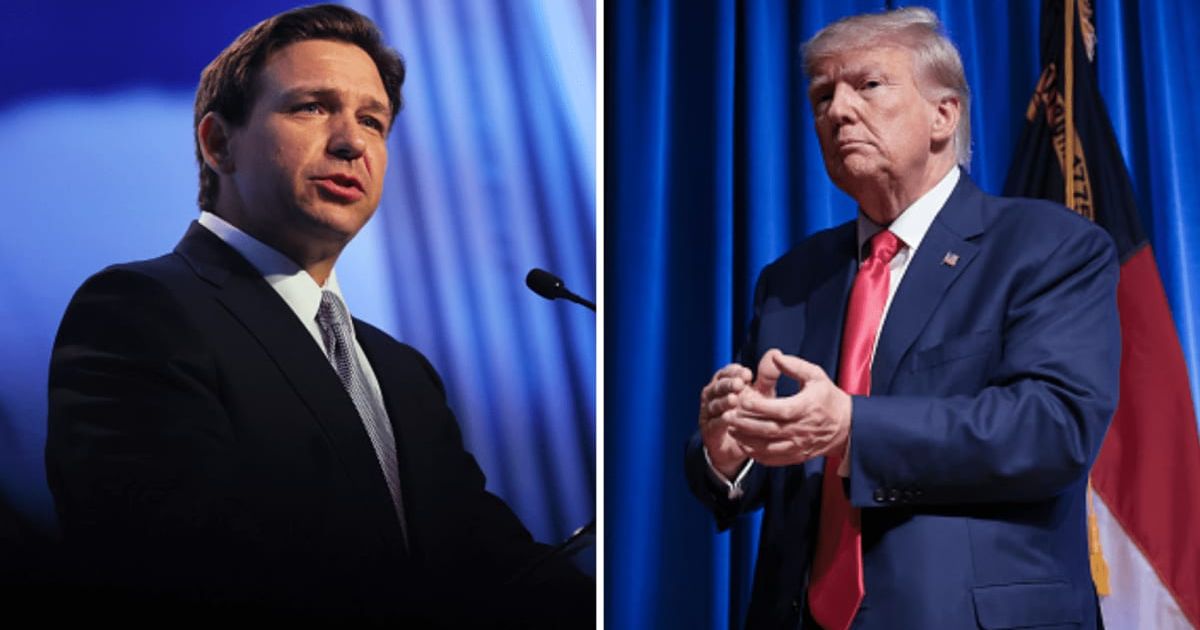
JUPITER, FLORIDA: Florida Gov Ron DeSantis on Monday, December 15, said that President Donald Trump’s recent executive order on artificial intelligence will not prevent the state from moving forward with its own AI policies, arguing that Florida’s actions would remain consistent with federal law and withstand any legal challenge.
Speaking at an artificial intelligence event at Florida Atlantic University, DeSantis addressed Trump’s order for the first time, saying that the state retains the authority to enact safeguards, particularly those aimed at protecting children and consumers.
"Even reading it very broadly, I think the stuff we’re doing is going to be very consistent," DeSantis said. "But irrespective, clearly, we have a right to do this."
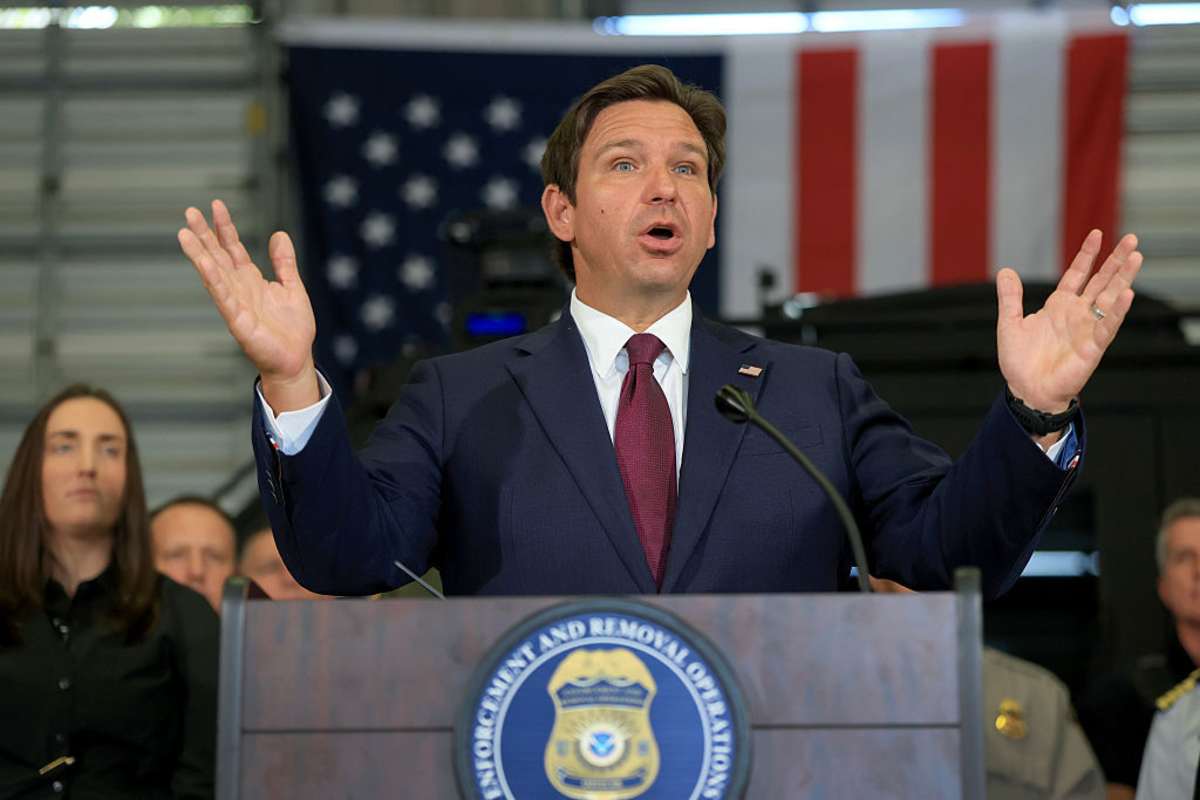
Ron DeSantis outlines Florida’s AI approach
DeSantis, who had previously expressed skepticism about unregulated artificial intelligence, said Florida lawmakers are considering a range of measures designed to add guardrails without stifling innovation.
Among the proposals is an AI ‘bill of rights’ that would require companies to disclose when consumers are interacting with AI systems, restrict the use of AI for therapy or mental health counseling, and give parents greater control over how their children use AI tools.
Great to be at FAU today to host a roundtable on Artificial Intelligence with parents, advocates, and law enforcement. Recently, I proposed new legislation on AI and Data Centers to put necessary protections in place for Florida consumers.
— Ron DeSantis (@GovRonDeSantis) December 15, 2025
Our AI Bill of Rights will keep… pic.twitter.com/9NMIiQsJg3
DeSantis said that the proposals are meant to ensure transparency and accountability as AI becomes more deeply embedded in daily life.
Florida legislators have already begun advancing related measures. Last week, state House members moved forward with a bill that would require insurance claim denials to be issued by a "qualified human," rather than automated systems alone.
Federal oversight looms over state efforts
While DeSantis said that he did not believe Florida’s proposals conflicted with Trump’s executive order, he acknowledged that federal enforcement remained a possibility.
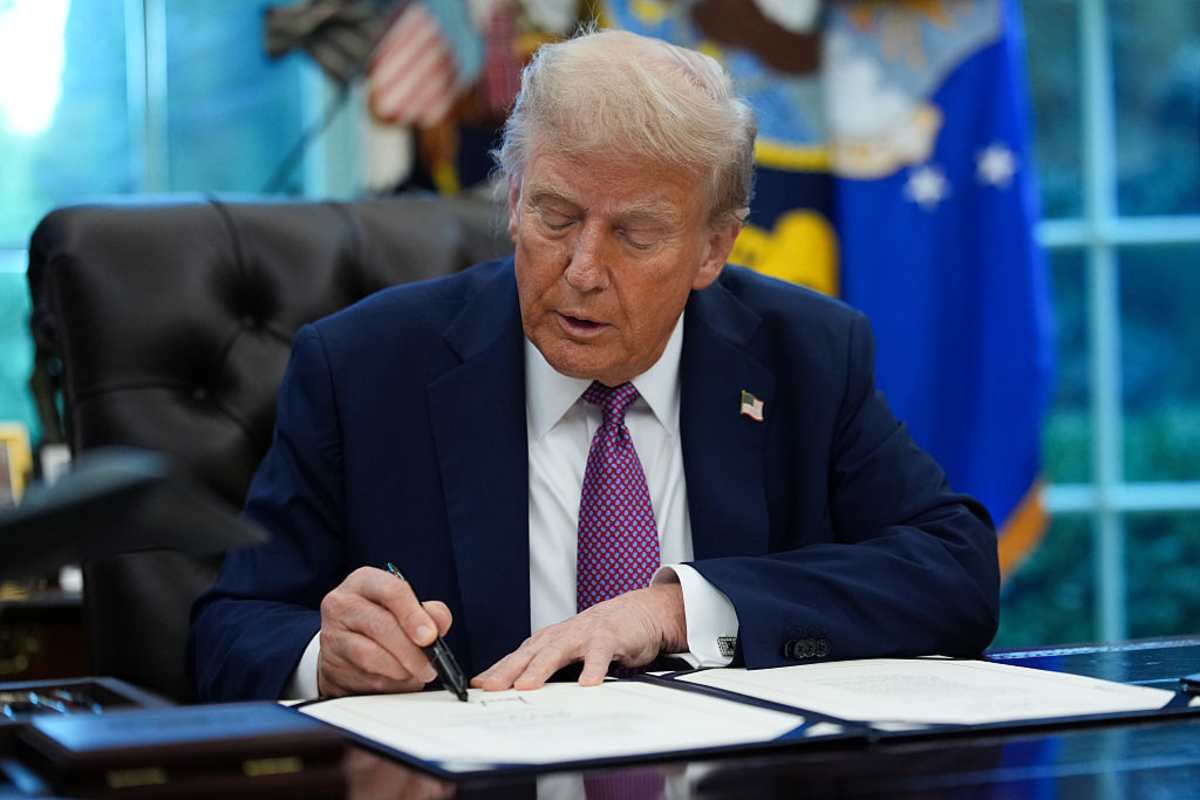
He referenced the role of Attorney General Pam Bondi, noting that federal officials could challenge state laws they believe go too far.
"They’re worried about California, Colorado, doing really crazy things," DeSantis said, adding that he doubts Florida’s policies would be targeted.
"I don’t anticipate that even happening against any of the stuff we’re doing in Florida," he said. "But if it does, I think we would be well-positioned to be able to prevail on that."
BREAKING: Gov. Ron DeSantis announced he will work with the legislature to establish an Artificial Intelligence Bill of Rights for Floridians, focusing on consumer protections and data security, and more
— Florida’s Voice (@FLVoiceNews) December 4, 2025
"We are also going to make sure that your data is protected. We're not… pic.twitter.com/muzlgB85rV
Trump’s order has raised questions nationwide about how far states can go in regulating AI as the administration works to prevent a patchwork of conflicting rules.
Legislature to take up proposals in January
DeSantis also said Florida is looking beyond consumer protections to address the infrastructure behind AI systems.
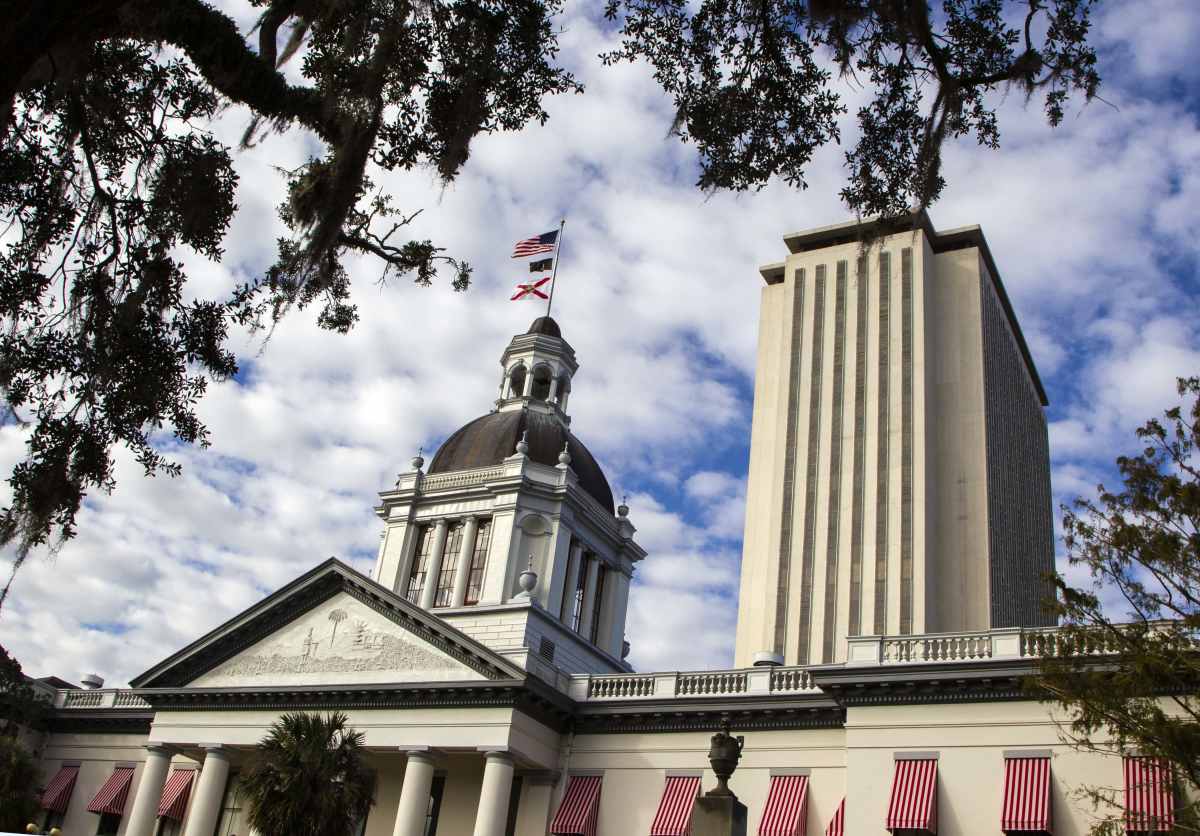
He called for limiting state subsidies for data centers and curbing their access to local water resources, arguing that unchecked expansion could strain communities.
The governor’s recommendations are expected to be debated during Florida’s legislative session, which begins January 13.