'Saw no intelligence': Sen Warner refutes claims Iran planned 'preemptive strike' against US
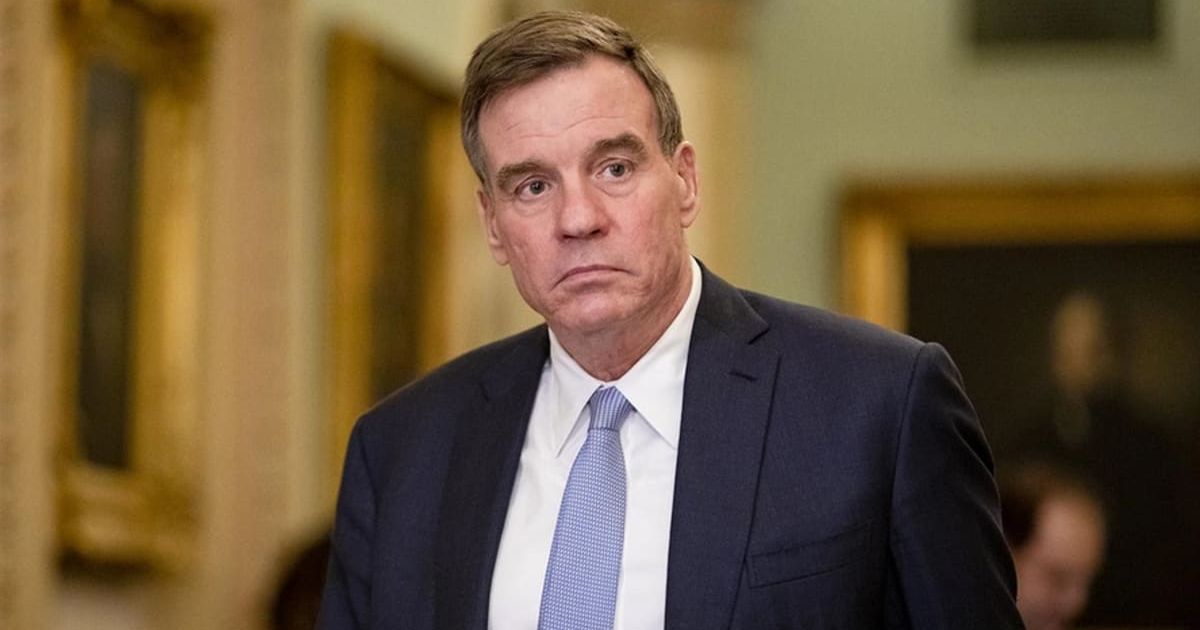
WASHINGTON, DC: Top Senate Intelligence Democrat Mark Warner said on Sunday, March 1, that he had seen no evidence that Iran was preparing to launch a preemptive attack against the United States before President Donald Trump ordered sweeping military strikes.
Speaking to CNN, Warner pushed back on claims from some administration officials that potential threat indicators had informed the president’s decision.
His comments came as Iran launched retaliatory missile attacks on US and allied military installations across the Middle East following the strikes.
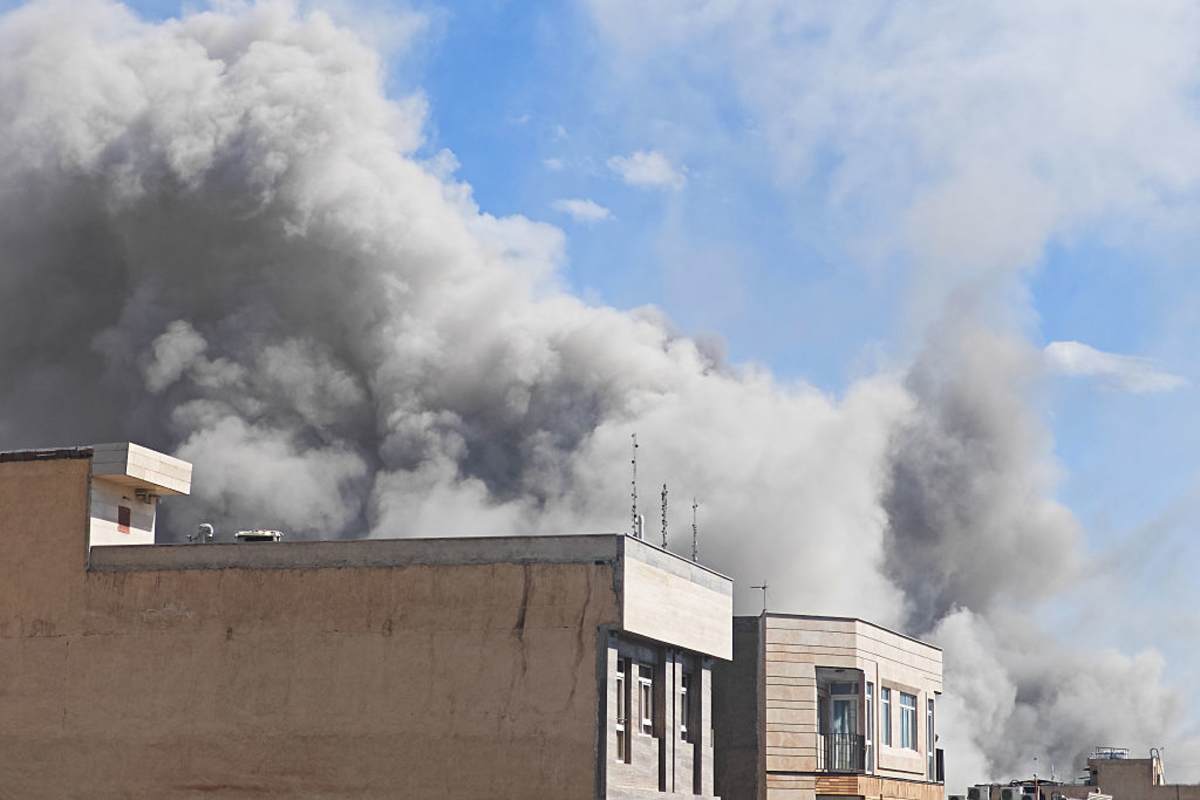
Mark Warner disputes preemptive threat claims
Warner said that while Iran had been enhancing aspects of its military capabilities, he had not seen intelligence suggesting an imminent attack on the United States.
“The Iranians had been working on increasing their military capabilities, and remember, this was supposed to be military capabilities, at least on the nuclear front, that the president himself said were obliterated based upon the strike of seven months ago,” Warner said.
“I saw no intelligence that Iran was on the verge of launching any kind of preemptive strike against the United States of America,” he added. Pressed again on whether any such intelligence existed, Warner replied, “None.”
BREAKING: In a powerful moment, Senator Mark Warner just directly refuted Donald Trump's talking point that Iran was going to fire on American soldiers. We need Democrats speaking up right now. pic.twitter.com/NEoaWcp8WC
— Democratic Wins Media (@DemocraticWins) March 1, 2026
A senior administration official told the outlet that “indicators” of a possible preemptive strike contributed to the president’s decision to act.
However, a source familiar with the intelligence assessment told the network there was no indication Iran planned to strike US forces or assets first unless attacked by Israel or the United States.
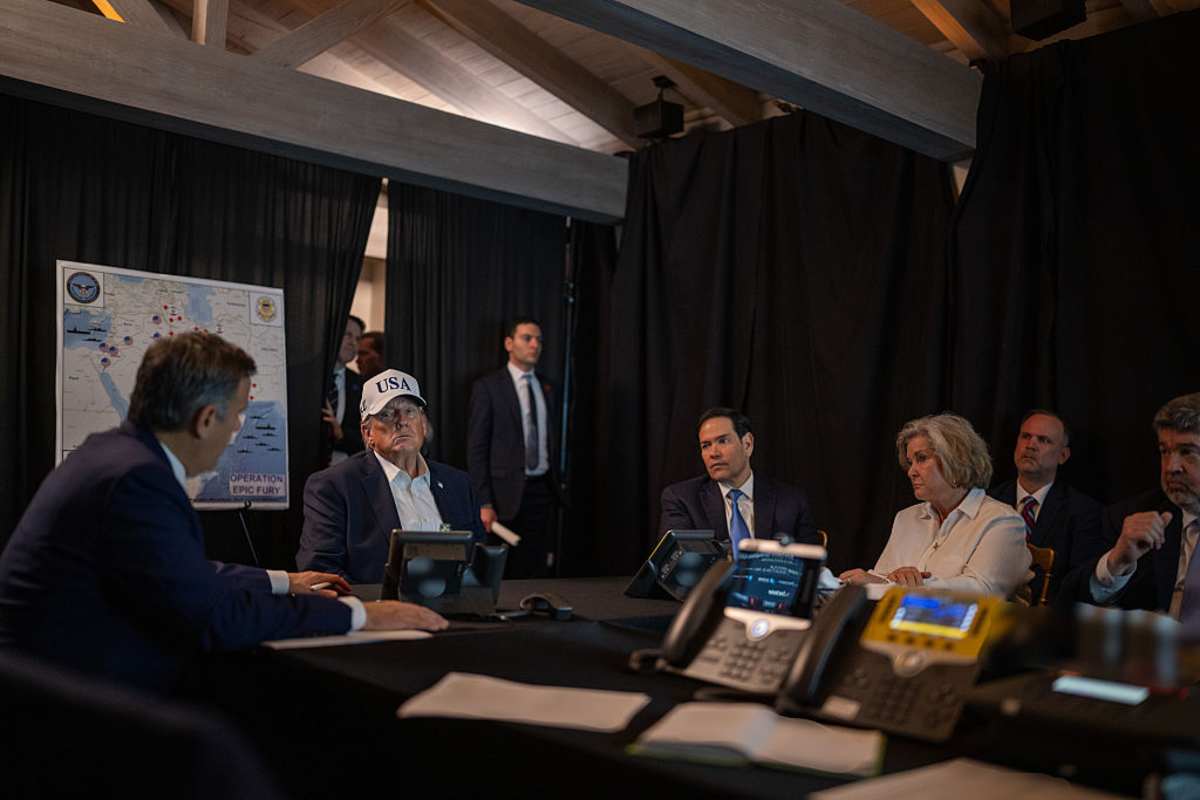
Warner described the military action as “a war of choice,” arguing that if the administration believed a “strategic strike” was warranted, it could have been justified at a different moment.
He also cautioned that the latest escalation could accelerate Iran’s path toward nuclear capability rather than deter it.
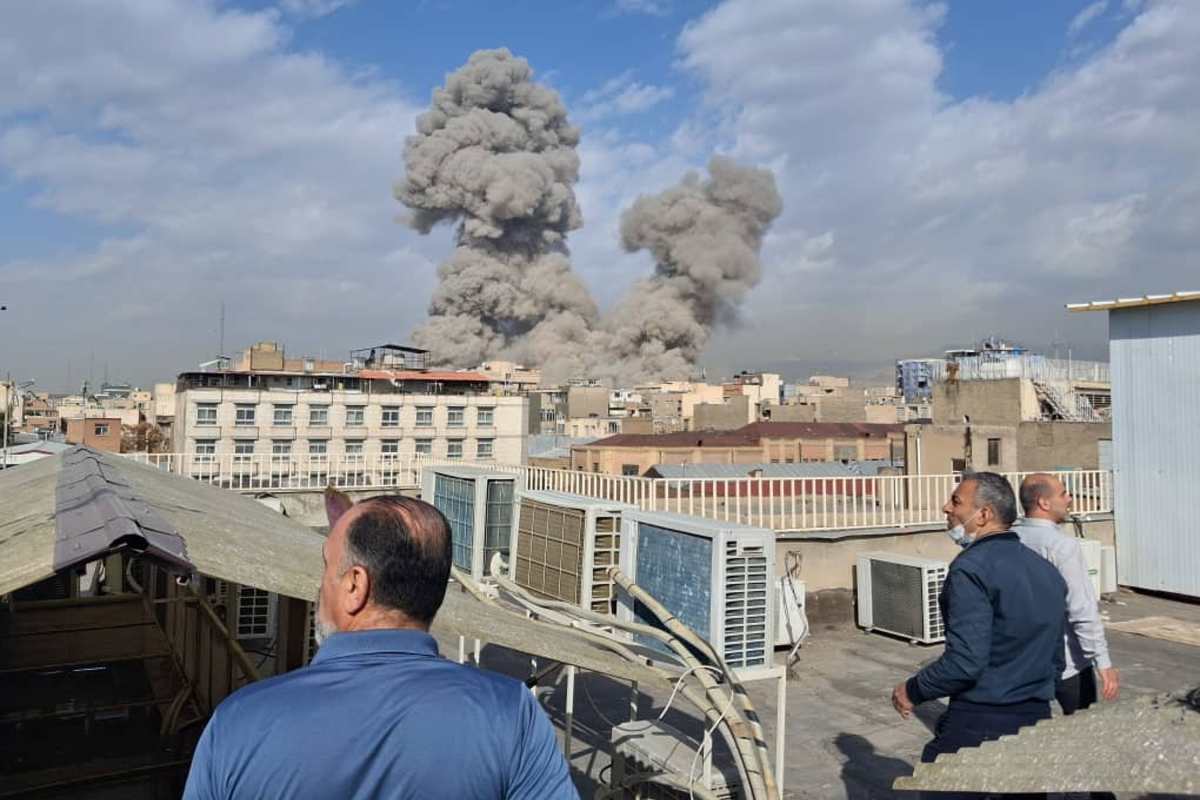
Iran responded with missile barrages targeting US and allied facilities in the region.
According to Iran’s semi-official Fars news agency, Iranian forces struck the headquarters of the US Navy’s Fifth Fleet in Bahrain.
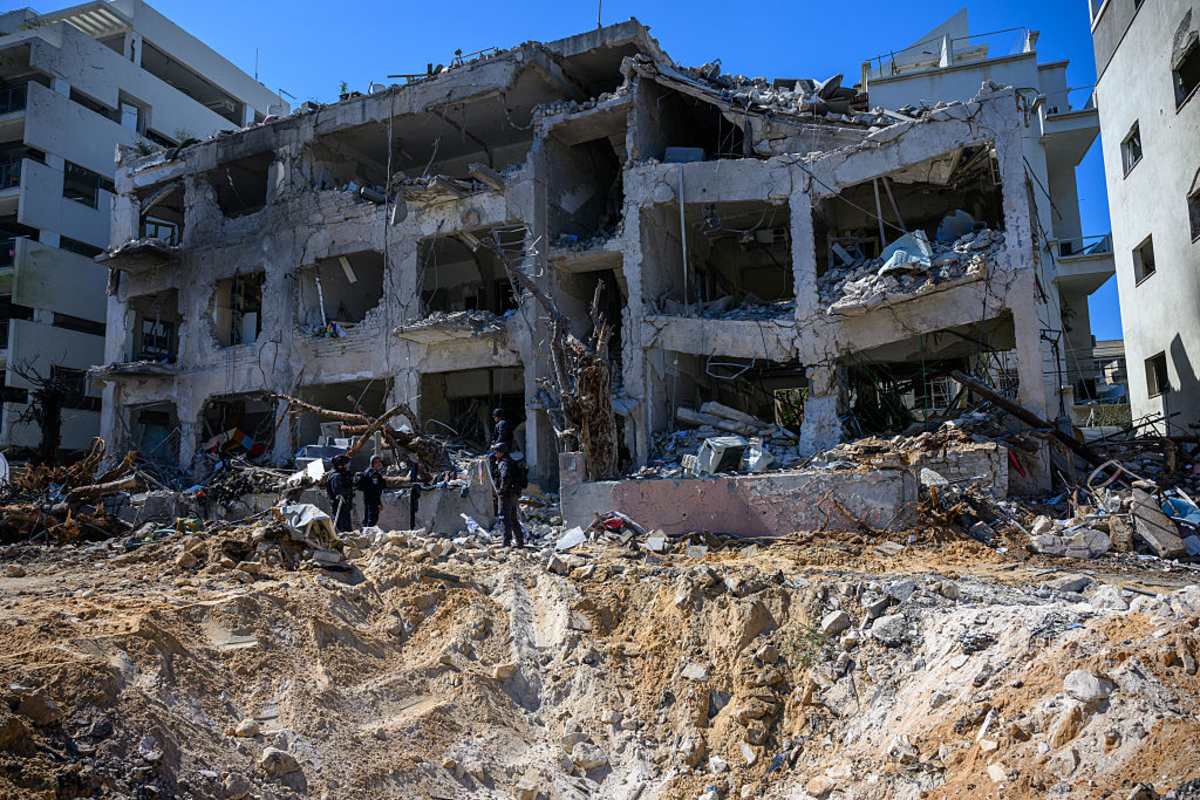
Smoke was seen rising near the naval facility in Manama, though the extent of the damage remained unclear.
The United States has not issued an official comment on the reported strike.
Mark Warner warns of 'serious legal and constitutional concerns'
Warner also criticized the scope and authorization of the February 28 strikes, saying that they raised “serious legal and constitutional concerns.”
He said, "The Constitution is clear: the decision to take this nation to war rests with Congress, and launching large-scale military operations, particularly in the absence of an imminent threat to the United States, raises serious legal and constitutional concerns."
The Constitution is clear: the decision to take this nation to war rests with Congress, and launching large-scale military operations – particularly in the absence of an imminent threat to the United States – raises serious legal and constitutional concerns.
— Mark Warner (@MarkWarner) February 28, 2026
He added that Congress had to be fully informed of the administration’s rationale and objectives.
“Congress must be fully briefed, and the administration must come forward with a clear legal justification, a defined end state, and a plan that avoids dragging the United States into yet another costly and unnecessary war,” Warner said.
Warner also noted that the strikes were not limited to nuclear or missile infrastructure but extended to a broader set of targets, including senior Iranian leadership.
He described the decision as “deeply consequential” and warned that it risked drawing the United States into a wider conflict in the Middle East.