SCOTUS takes up Catholic preschool case pitting public funds against LGBTQ rights
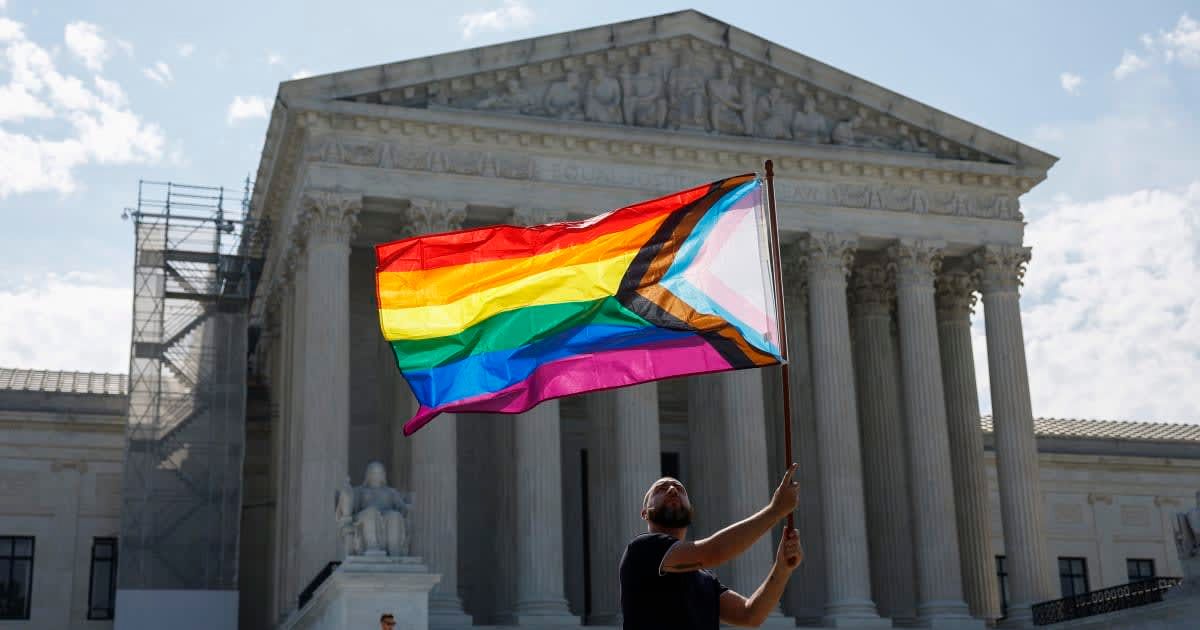
WASHINGTON, DC: The United States Supreme Court on Monday, April 20, agreed to take up a closely watched case involving a Colorado law tied to its 2020 universal preschool program, setting the stage for a high-impact constitutional test.
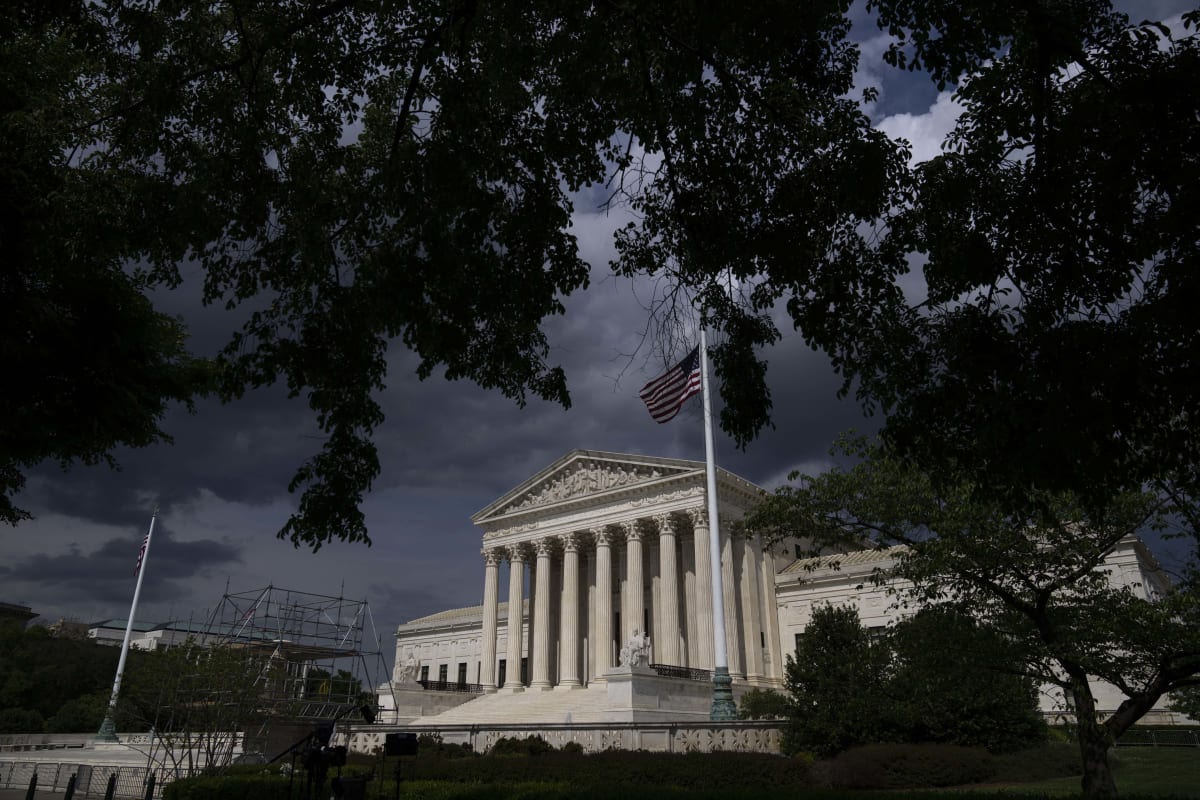
The 6-3 conservative majority will review Catholic Parishes v Colorado, a dispute over whether state-funded preschools must comply with non-discrimination rules that include sexual orientation and gender identity.
The case centers on Colorado’s publicly funded preschool system, which extends financial support to both public and private providers.
Participating institutions are required to follow non-discrimination provisions as a condition of receiving taxpayer funds.

Two Catholic parishes, represented by the legal group Becket, have challenged the policy, arguing that it conflicts with protections under the First Amendment’s Free Exercise Clause.
Parishes challenge funding rules conflicting with religious beliefs
The parishes contend that the funding conditions place them in a position where participation requires adherence to policies they say conflict with their religious teachings.
In filings before the court, they argued that prior rulings, including the 2015 Obergefell v Hodges decision, acknowledged space for religious dissent.

They further argued that the Free Exercise Clause is undermined if religious institutions must modify core beliefs to access generally available public programs.
The case is expected to examine whether Colorado’s law qualifies as a “generally applicable” policy or whether exceptions within the framework alter that standard.
The US Justice Department has submitted a brief supporting the parishes, warning that similar policies could affect religious participation in publicly funded programs nationwide.
The court, which has shifted its approach to religious liberty claims in recent years, will assess whether exemptions within the Colorado law, such as provisions benefiting low-income families, affect its constitutional standing.
Parents allege school hid child's gender identity changes
At the same time, the court declined to hear a separate case from Massachusetts involving parental rights and gender identity policies in schools.
The case was brought by Stephen Foote and Marissa Silvestri, who alleged that their 11-year-old child, identified as “BF,” was treated as “genderqueer” by school staff without their knowledge.
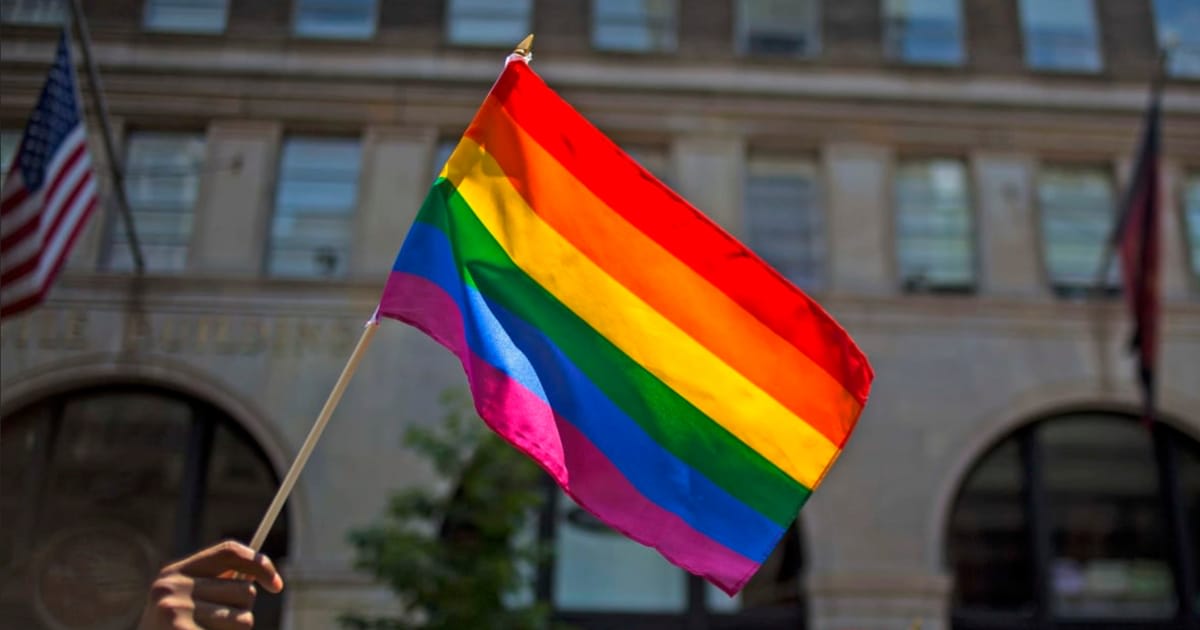
According to court filings, the student had requested the use of multiple pronouns, including “fae/faerae” and “xe/xem,” while asking teachers to continue using “she/her” when communicating with parents.
The parents challenged the school’s actions, citing personal and scientific concerns rather than religious grounds.
The court’s decision not to take up the case leaves lower court rulings in place and highlights a distinction in how claims are being evaluated, particularly when they do not involve explicit religious arguments.
Genderqueer identity and school protocols
The Massachusetts dispute drew attention to policies guiding how schools respond to students exploring gender identity.
School officials stated they followed state-level anti-discrimination guidance, which allows for confidentiality in certain cases, particularly where students may not feel safe disclosing information at home.

The Supreme Court’s decision not to intervene means it has not issued a definitive ruling on whether schools can withhold such information from parents.
However, prior emergency rulings suggest the court may be more receptive to cases framed around religious objections.
The issue continues to evolve as states adopt differing standards, creating a patchwork of policies governing parental notification and student privacy.
Sweeping implications for the 1990 precedent
The Colorado case could have broader constitutional implications beyond early education.
The plaintiffs are asking the court to revisit a key precedent from 1990, Employment Division v Smith, which held that neutral, generally applicable laws do not violate the Free Exercise Clause even if they incidentally burden religious practice.
By focusing on exceptions within Colorado’s policy, the challengers argue that the law may not meet the threshold of general applicability.
If the court revisits or modifies that precedent, it could reshape how religious freedom claims are evaluated in cases involving public funding and anti-discrimination laws.
A decision is expected in 2027. The outcome could influence how states structure participation requirements in publicly funded programs, particularly where those requirements intersect with religious institutions and civil rights protections.