Senate clears DHS funding package in late-night vote, leaving out immigration enforcement agencies
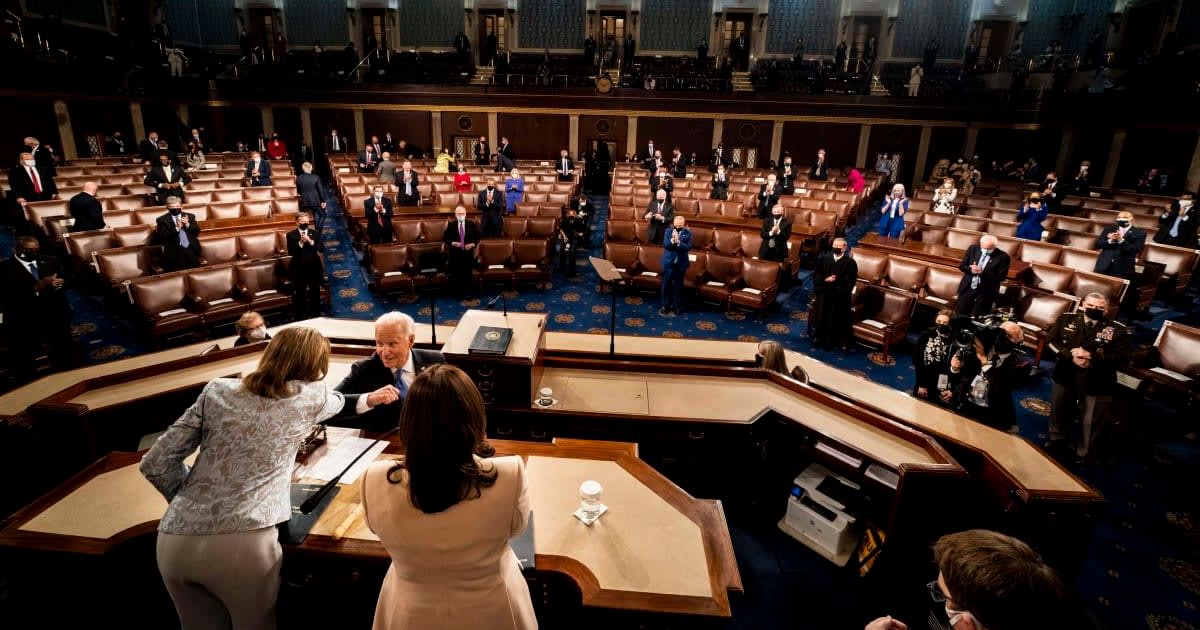
WASHINGTON, DC: The US Senate has approved a funding package for the Department of Homeland Security (DHS) following weeks of negotiations over a partial government shutdown.
The legislation, passed during a rare overnight session, restores funding to several key agencies but excludes immigration enforcement components.
Lawmakers reached the agreement ahead of a scheduled congressional recess. The bill now moves to the US House of Representatives, where its future remains uncertain.
Senate approves partial DHS funding after impasse
The Senate approved the measure by voice vote early on Friday, March 27, after a marathon session that extended into the early morning hours.
The legislation funds major DHS subagencies affected by a funding lapse that has lasted more than six weeks, including the Transportation Security Administration (TSA), Federal Emergency Management Agency (FEMA), US Coast Guard, and the Cybersecurity and Infrastructure Security Agency (CISA).

However, the agreement does not include funding for Immigration and Customs Enforcement (ICE) or parts of Customs and Border Protection (CBP), reflecting a key sticking point in negotiations.
Democrats had pushed to withhold funding from immigration enforcement agencies without policy reforms, while Republicans initially opposed separating those provisions.
“This could have been done three weeks ago,” said Senate Minority Leader Chuck Schumer. “This is exactly what we wanted.” He added that the agreement “could’ve been accomplished weeks ago if Republicans hadn’t stood in the way.”
Republicans indicated they may pursue funding for ICE and CBP through separate legislation, potentially using reconciliation, a process requiring only a simple majority vote.
Senator Lindsey Graham said he would “proceed quickly and efficiently” to ensure funding for “ICE and other vital functions of homeland security” as well as other priorities.
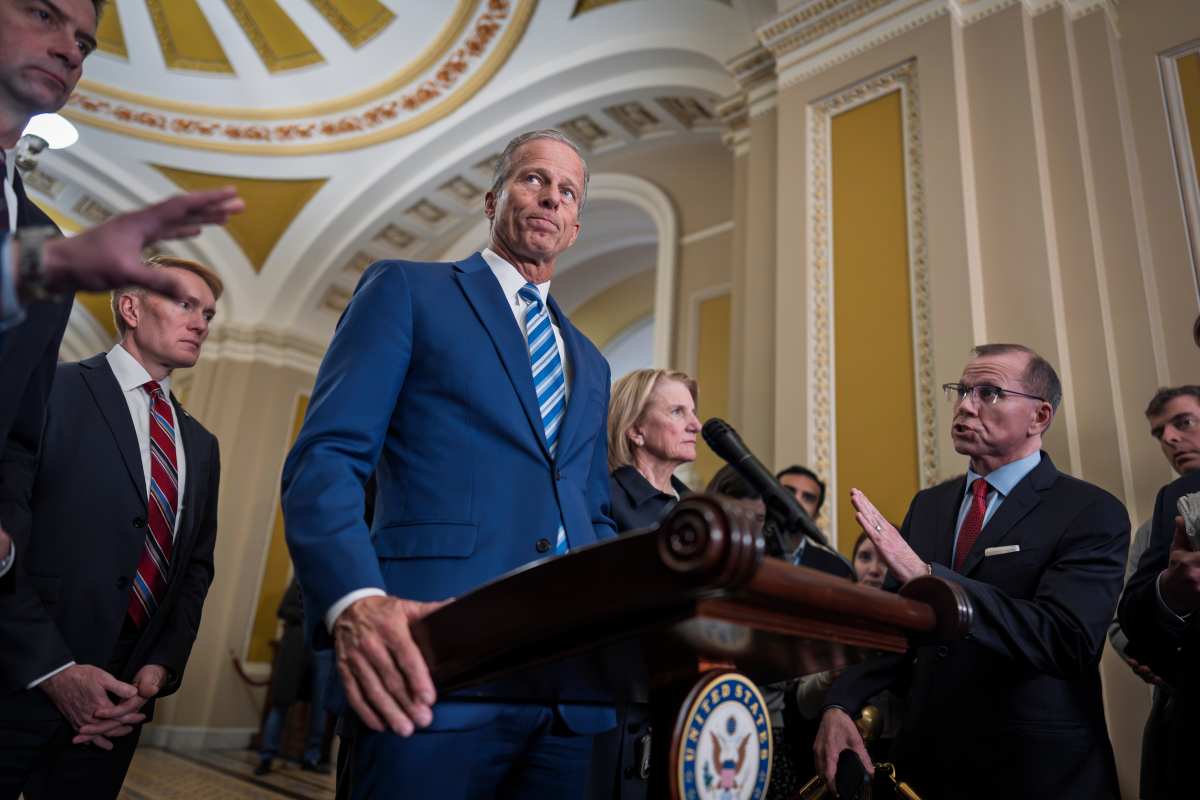
Senate Majority Leader John Thune, the Senate majority leader, said the House could take up the bill quickly, noting lawmakers were in communication about next steps before the recess.
Airport disruptions highlight impact of funding lapse
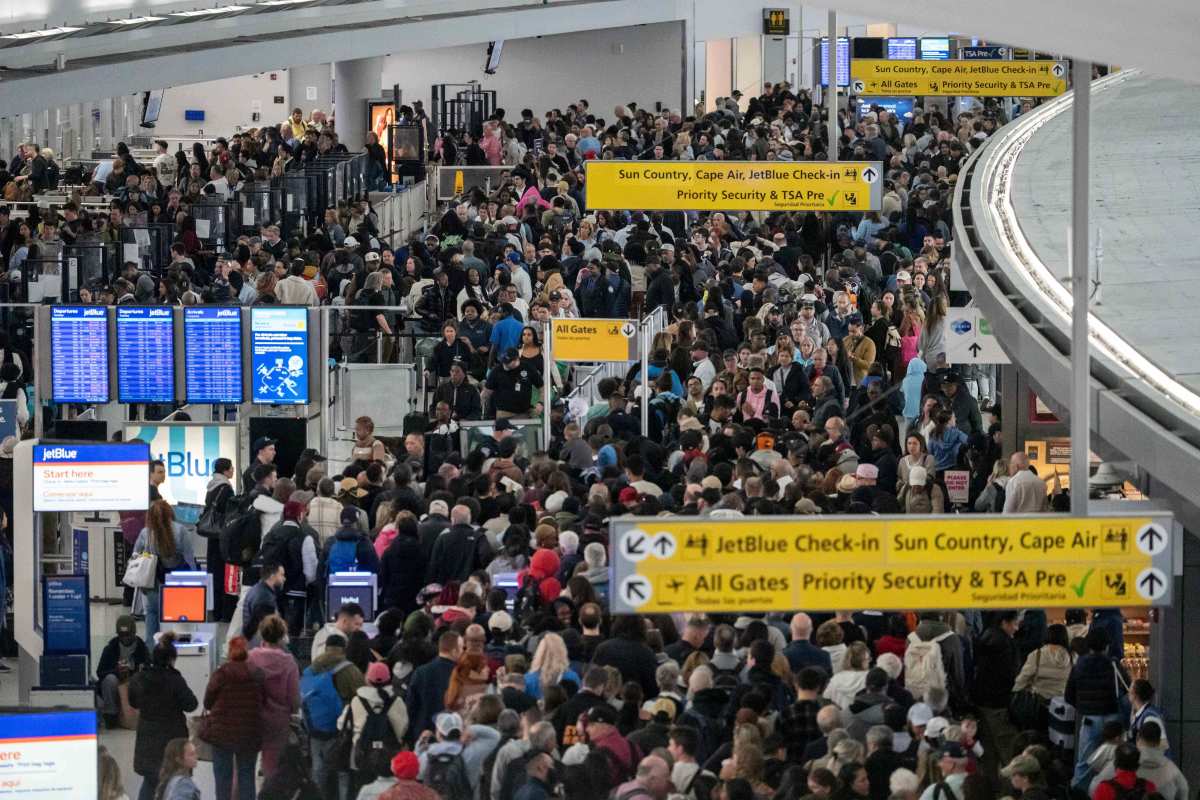
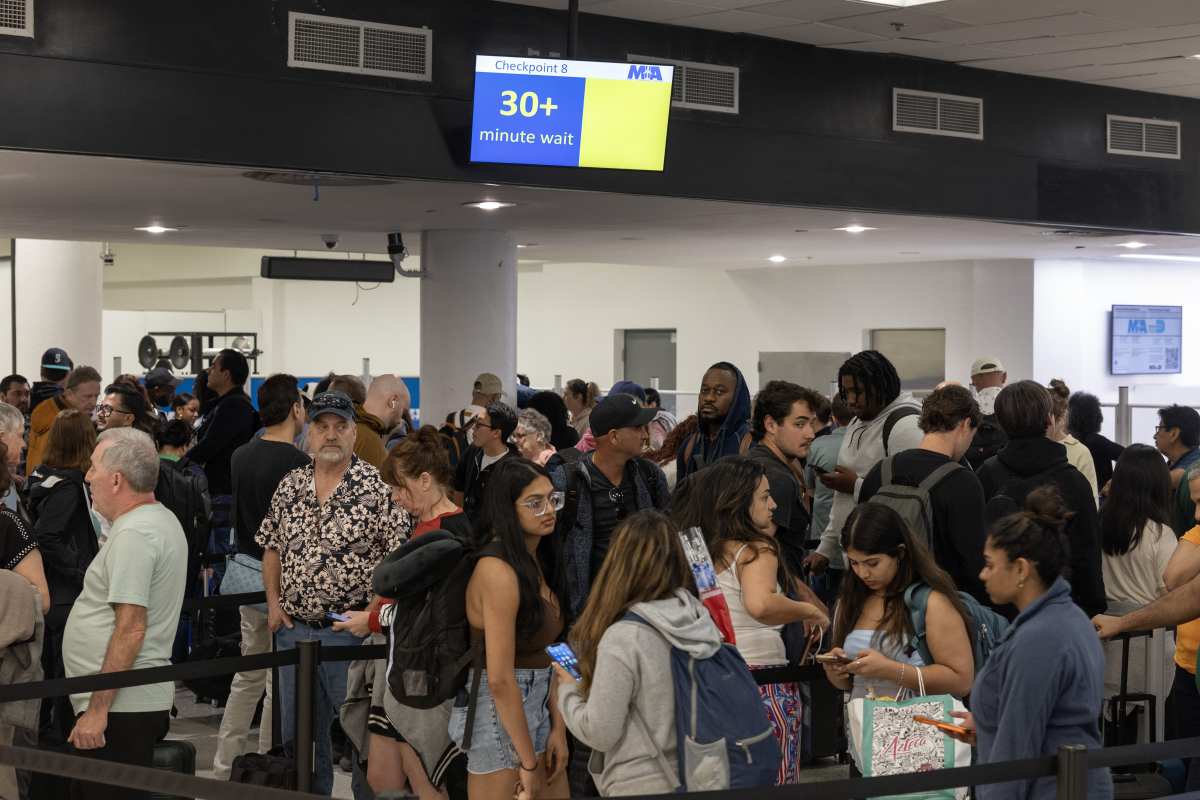
The prolonged funding gap has significantly affected TSA operations, with workers missing paychecks and staffing shortages causing delays at airports nationwide.
Reports indicate rising absenteeism, with some officers unable to report to work due to financial strain.
Acting TSA chief Ha Nguyen McNeill said some employees have resorted to extreme measures, including sleeping in their cars or selling plasma, while others have stopped reporting to work altogether.
The disruptions have resulted in long lines and missed flights, drawing public attention to the operational impact of the partial shutdown.
The current funding gap has lasted approximately 42 days, affecting thousands of federal workers. While some agencies, including ICE, have remained funded through prior legislation, others have faced significant disruptions.
The Senate-passed bill is intended to restore operations at affected agencies, but final resolution depends on action in the House.
Lawmakers could either pass the measure as written or seek modifications, though time constraints ahead of the recess may limit options.
The agreement reflects a temporary compromise in a broader debate over immigration policy, federal spending, and agency oversight, with further legislative action expected in the coming weeks.