Supreme Court weighs JD Vance’s challenge to longstanding campaign spending limits

WASHINGTON, DC: The Supreme Court justices on Tuesday, December 9, dug into the legality of decades-old campaign finance restrictions that limit how much national party committees can spend in coordination with their candidates.
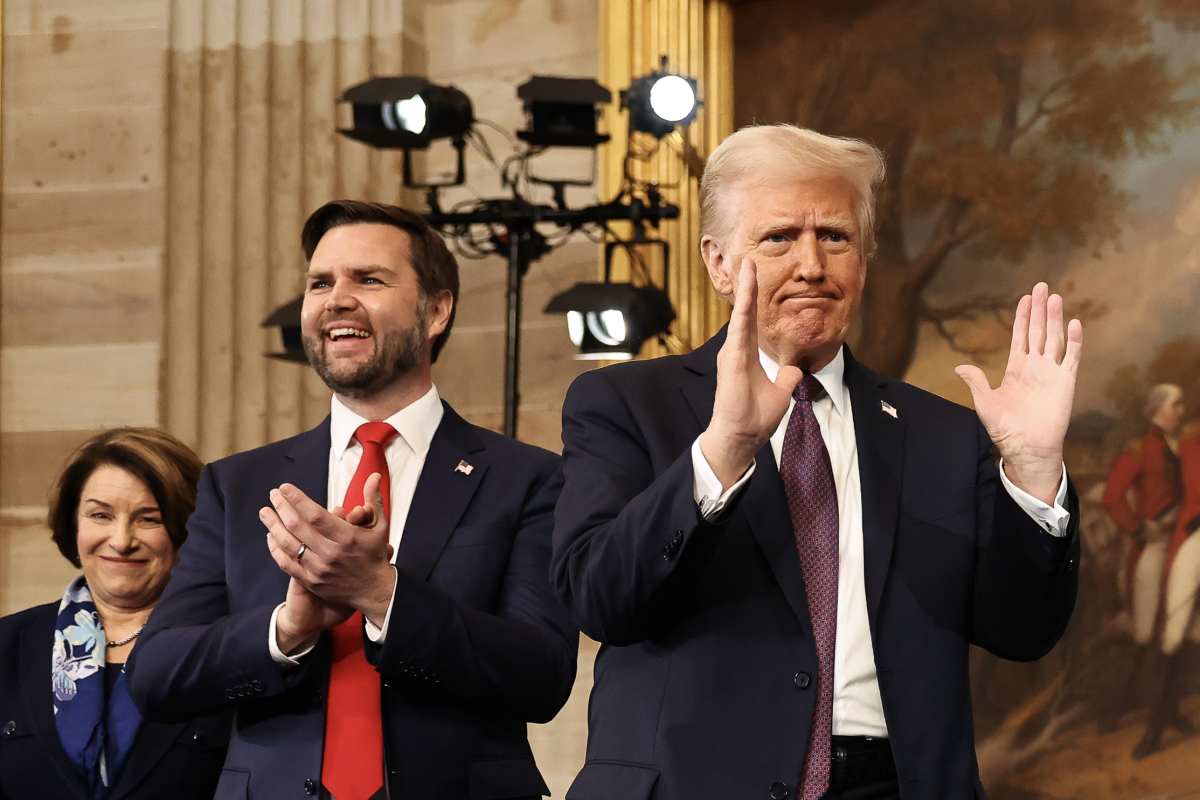
The challenge was brought by Vice President JD Vance, though the Court spent considerable time probing whether the case should even be heard, given Vance’s refusal to say whether he intends to run for office in 2028.
Conservatives skeptical as Court revisits campaign finance rules
NBC News reported that the Court’s conservative majority, long doubtful of campaign finance limits on free-speech grounds, showed signs of questioning the rules, while liberal justices defended them as vital bulwarks against corruption.
Justice Brett Kavanaugh suggested that striking down coordination limits could strengthen national parties and reduce the dominance of super PACs.
“The combination of laws and this court’s decisions over the years have reduced the power of political parties,” he said.

But Justice Sonia Sotomayor countered that removing these caps would worsen political corruption. “The threat hasn’t diminished,” she warned, arguing that the Court has made matters worse by dismantling the safeguards Congress put in place.
Mootness claim questioned over JD Vance's 2028 candidacy decision
Roman Martinez, appointed by the Court to defend the limits after the Trump administration refused, argued the case is moot. Vance, he said, no longer has standing because he is not a current candidate and won’t say whether he will run in 2028.
He also asserted that GOP committees and former Rep Steve Chabot lacked standing to continue the case.
But justices, including Samuel Alito, seemed unconvinced. “Isn’t that what potential candidates always say?” he remarked, suggesting Vance’s evasiveness is standard political behavior.
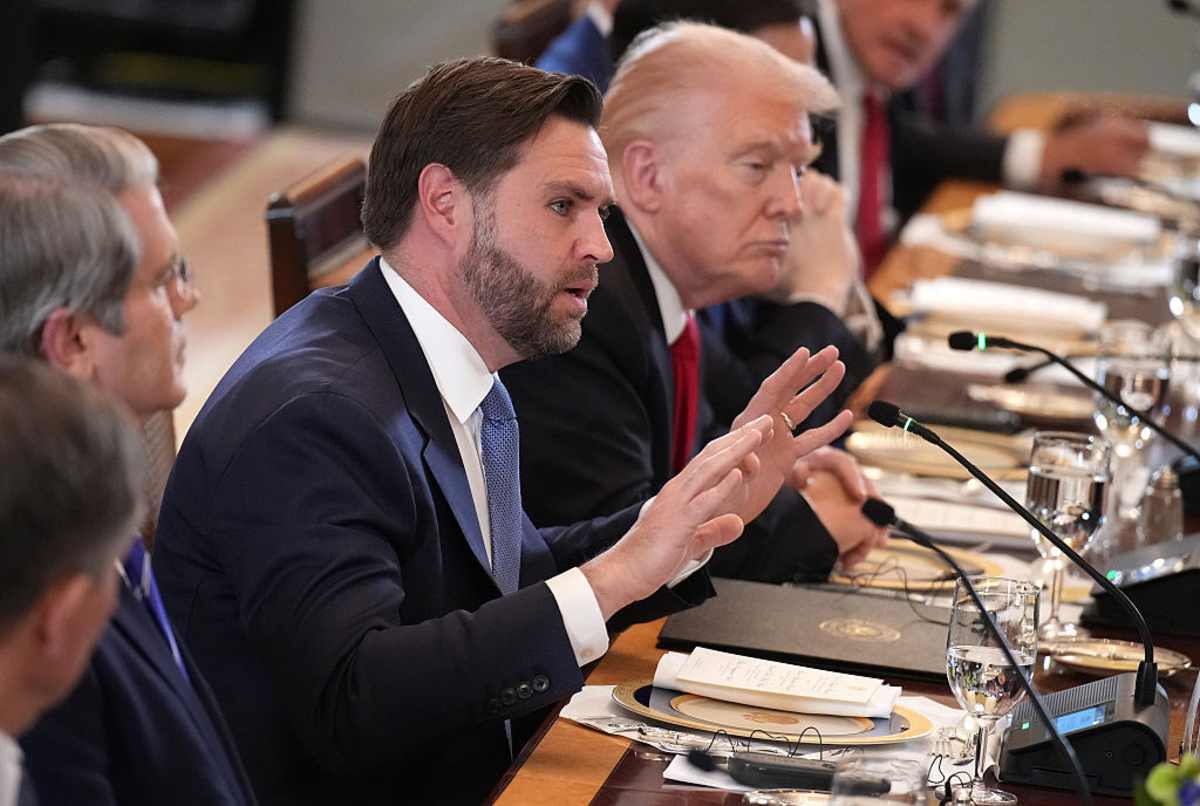
GOP lawyers argue JD Vance clearly plans to run again
Noel Francisco, representing the Republican challengers, dismissed claims that Vance's comments make the case moot.
“It is almost certain Vance will run again,” he said. “This court doesn’t have to blind itself to the reality that’s obvious to everybody else.”
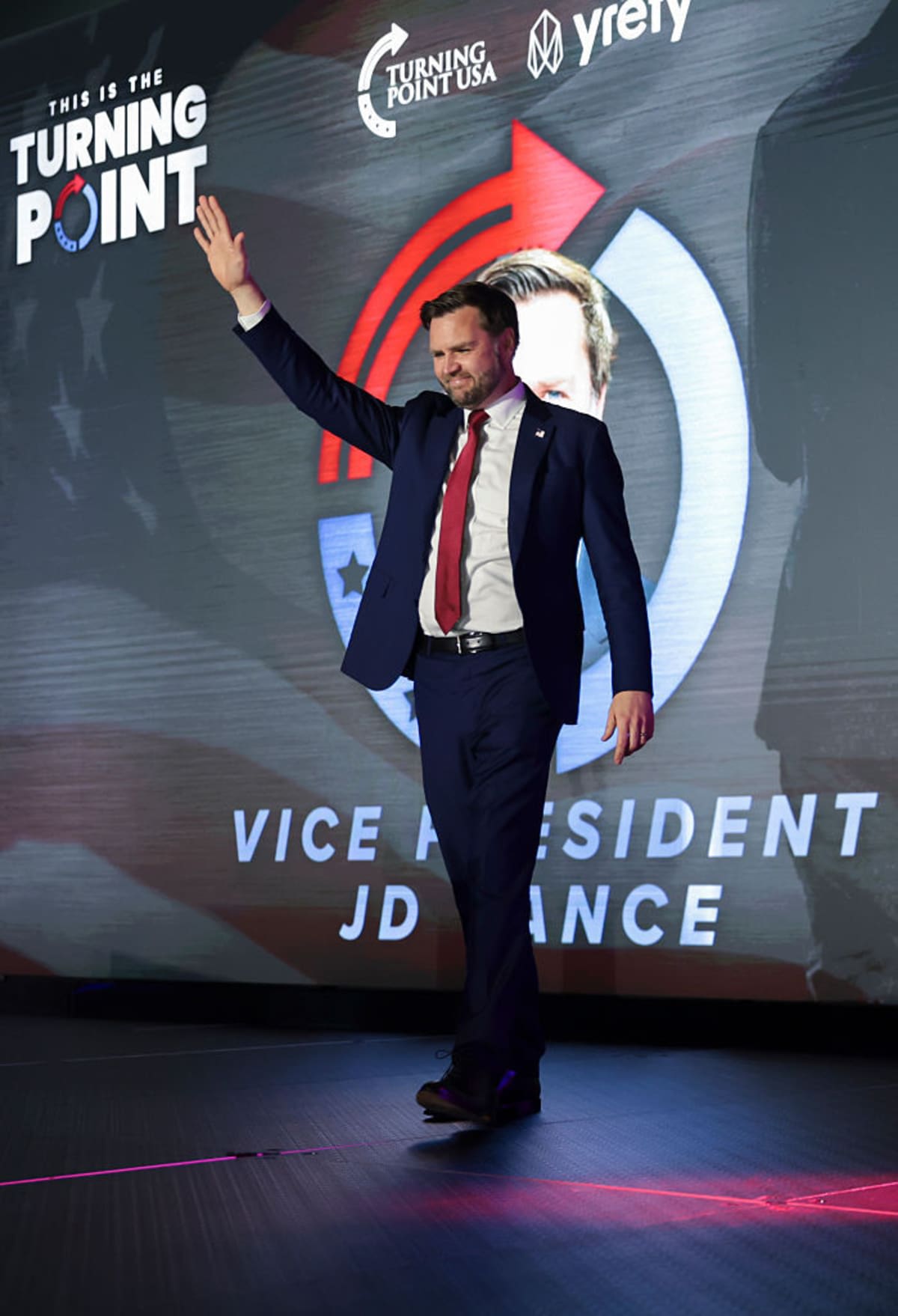
A ruling could reshape party power and 2028 politics
At stake are coordination caps first enacted in 1971. While parties may spend unlimited amounts independently, spending coordinated with candidates is capped at nearly $4 million in some Senate races and $127,000 in certain House contests.
Republicans and their campaign committees want the limits removed entirely. A win for Vance and the GOP could disproportionately benefit Republican candidates, who generally rely more heavily on party-funded support than Democrats.
With the Federal Election Commission now siding with the challengers and the Democratic National Committee intervening to defend the restrictions, the Court’s decision could dramatically reshape party influence.