'Terrifying Authoritarianism': Don Lemon's Arrest Sparks Alarm Over Press Freedom
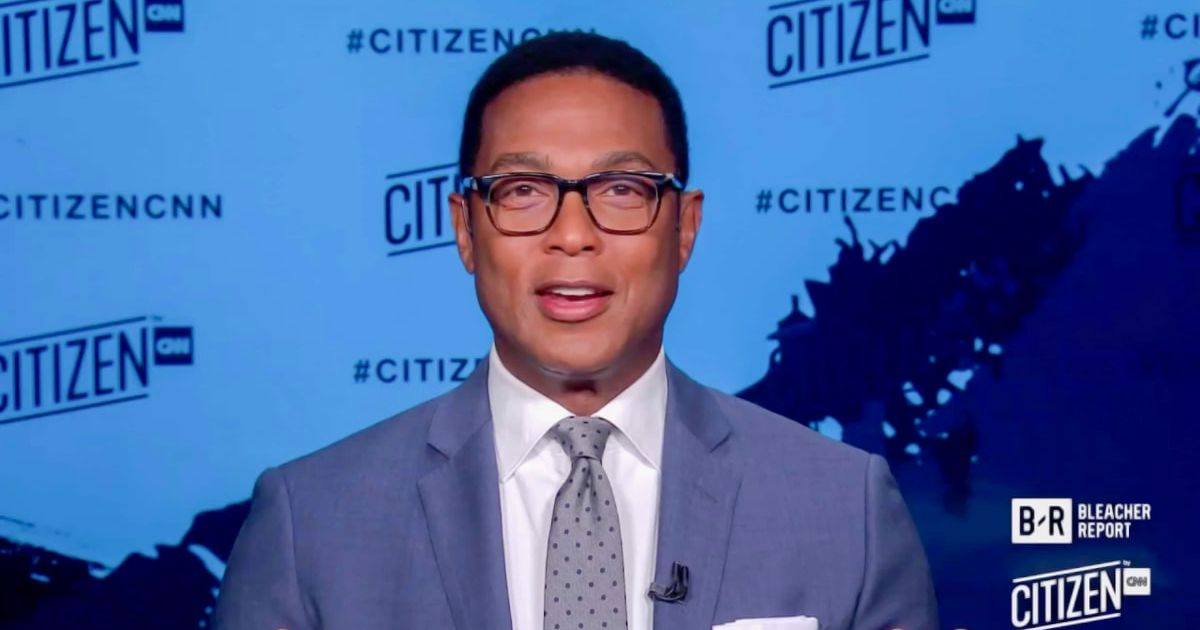
MINNEAPOLIS, MINNESOTA: The arrest of former CNN anchor Don Lemon by federal authorities has caused a significant stir in both the political and media landscapes. It has prompted strong reactions from journalists, commentators, and press freedom advocates, who caution that this action could represent a troubling escalation in government efforts against reporters.
Prominent media personalities have denounced Lemon's arrest, accusing the federal authorities of undermining press freedom.
Attorney for my colleague and friend Don Lemon has released a statement saying Don was arrested by federal agents in LA last night. This is outrageous and cannot stand. The First Amendment is under attack in America! pic.twitter.com/V4TVEK7Icy
— Jim Acosta (@Acosta) January 30, 2026
Media figures condemn arrest
Shortly after news of Lemon’s arrest became public, journalists from various networks described the development as alarming and unprecedented, portraying it as a direct threat to the First Amendment rather than a routine law enforcement action.
“This is outrageous and cannot stand. The First Amendment is under attack in America!” former CNN anchor Jim Acosta said.
The Atlantic writer Jemele Hill echoed that concern, arguing that the implications extend far beyond partisan politics.
“They arrested Don Lemon. This is horrifying,” Hill said. “I don’t care what your political beliefs or leanings are, what journalism outlet you represent, this absolutely cannot stand.”
They arrested Don Lemon. This is horrifying. I don’t care what your political beliefs or leanings are, what journalism outlet you represent, this absolutely cannot stand.
— Jemele Hill (@jemelehill) January 30, 2026
‘Scary’ precedent discussed on 'Morning Joe'
The discussion continued on MS NOW’s 'Morning Joe', where hosts and panelists expressed concerns that Lemon’s arrest could lead to increased government action against journalists.
Mika Brzezinski and Jonathan Lemire described the situation as deeply unsettling, with Lemire highlighting a broader pattern of concerns.
“This could be a scary first step,” Brzezinski said.
Lemire also mentioned recent law enforcement actions involving reporters, which have raised concerns within the media industry.
“On a national security matter. Computers took devices, took computers,” Lemire said, recalling the FBI’s seizure of a Washington Post reporter’s devices earlier this month. “That was seen as a real crackdown on the freedom of the press.”
Senior political reporter Lisa Rubin argued that Lemon’s current status made him particularly vulnerable.
“Don Lemon does not have the protection of a network behind him,” Rubin said. “He does not work for a major corporation like Versant or any of the other major networks, or any of the major print publications.”
She added that this lack of institutional backing could make Lemon “a very convenient and easy first target for a Department of Justice that wants to put journalists in fear of doing our job.”
Molly Jong-Fast compared the situation to countries where press freedoms are routinely curtailed.
“Think about the countries where journalists are targeted by the federal government- Russia, China, Turkey,” she said. “This kind of thing, it’s a shot across the bow right towards the free press. And it’s scary.”
CNN analysts call it a First Amendment test
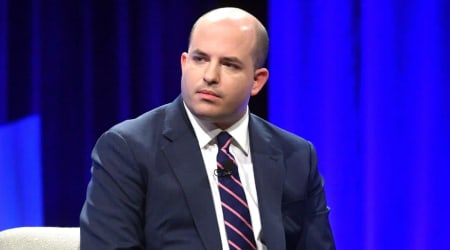
During CNN News Central, Sara Sidner and Brian Stelter responded in real time, describing the arrest as a shocking escalation.
“This is a stunning move by the Department of Justice, going after a journalist, arresting Don Lemon,” Sidner said, questioning why authorities proceeded after a magistrate judge previously declined to treat Lemon as a protester.
Stelter described the case as constitutionally significant.
“This is a First Amendment test with multiple dimensions,” he said. “The First Amendment protects the work of journalists.”
He also pushed back against the idea that Lemon’s reporting could be criminalized.
“Committing journalism is not a crime,” Stelter said.
Sidner agreed, adding, “It is not a crime in this country. It is a crime in other countries, but not here.”
While emphasizing that reporters would continue their work, Stelter acknowledged the broader concern being voiced across newsrooms.
“There’s been a chill in the air for the past 12 months or so when it comes to reporting in the US,” he said. “And yet the work is still being done.”
Disclaimer: This article contains remarks made on the internet by individuals and organizations. MEAWW cannot independently confirm them and does not support the claims or opinions being expressed online.