Harry Enten drops data bomb on Trump's SOTU address: 'Least well-received speech'
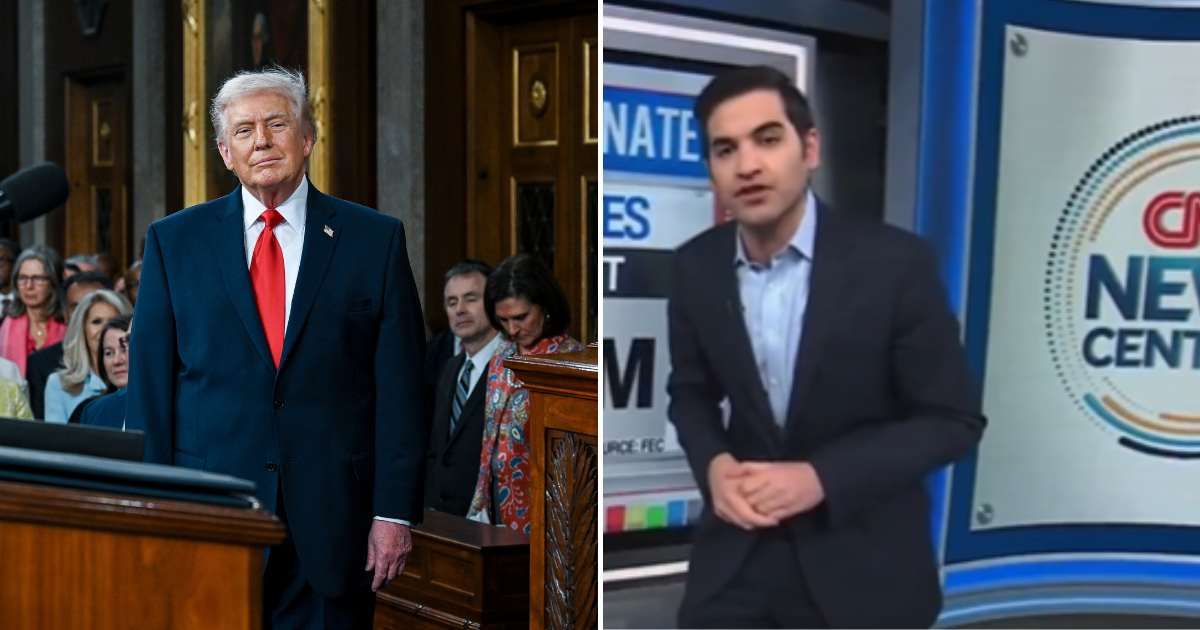
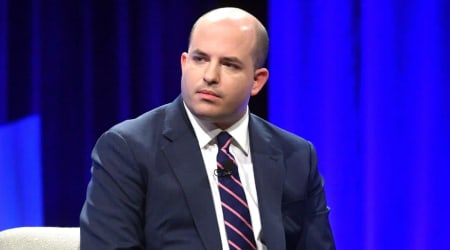
ATLANTA, GEORGIA: CNN data analyst Harry Enten offered a blunt assessment of President Donald Trump’s SOTU address on Tuesday, February 24, arguing that early trends suggested it was the least well-received of Trump’s joint-session speeches to date.
Speaking on CNN following the State of the Union, Enten examined post-speech survey data and pushed back on the idea that Trump’s unique political standing automatically translated into major public opinion shifts.
CNN analysis of Trump's SOTU: This was actually his least well-received speech. We're talking about 38% of speech viewers who viewed the speech very positively, and that is lower than in 2025, when it was 44%. Lower than in 2019, when it was 59%. 2018, when it was 48%. And 2017,… pic.twitter.com/PrdFdx768t
— FactPost (@factpostnews) February 25, 2026
Harry Enten questions Trump's SOTU impact
Harry Enten analyzed the viewership of President Trump's 2026 SOTU speech, saying, “History is one thing, right? But the idea is, you know, Donald Trump's a unique figure in American politics. He can do things that other people can't.”
“But if you look at our post-poll, right, after the State of the Union, I simply don't see it for him,” he continued.
He then walked viewers through the numbers.
Enten focused on the percentage of speech viewers who described Trump’s address as “very positive.”
Importantly, he noted that this audience tended to skew more Republican than the electorate overall- meaning the numbers often reflected a more favorable pool.
“Okay, view of Trump's speech to Congress, very positive among speech viewers who are more Republican than the electorate overall,” he said.
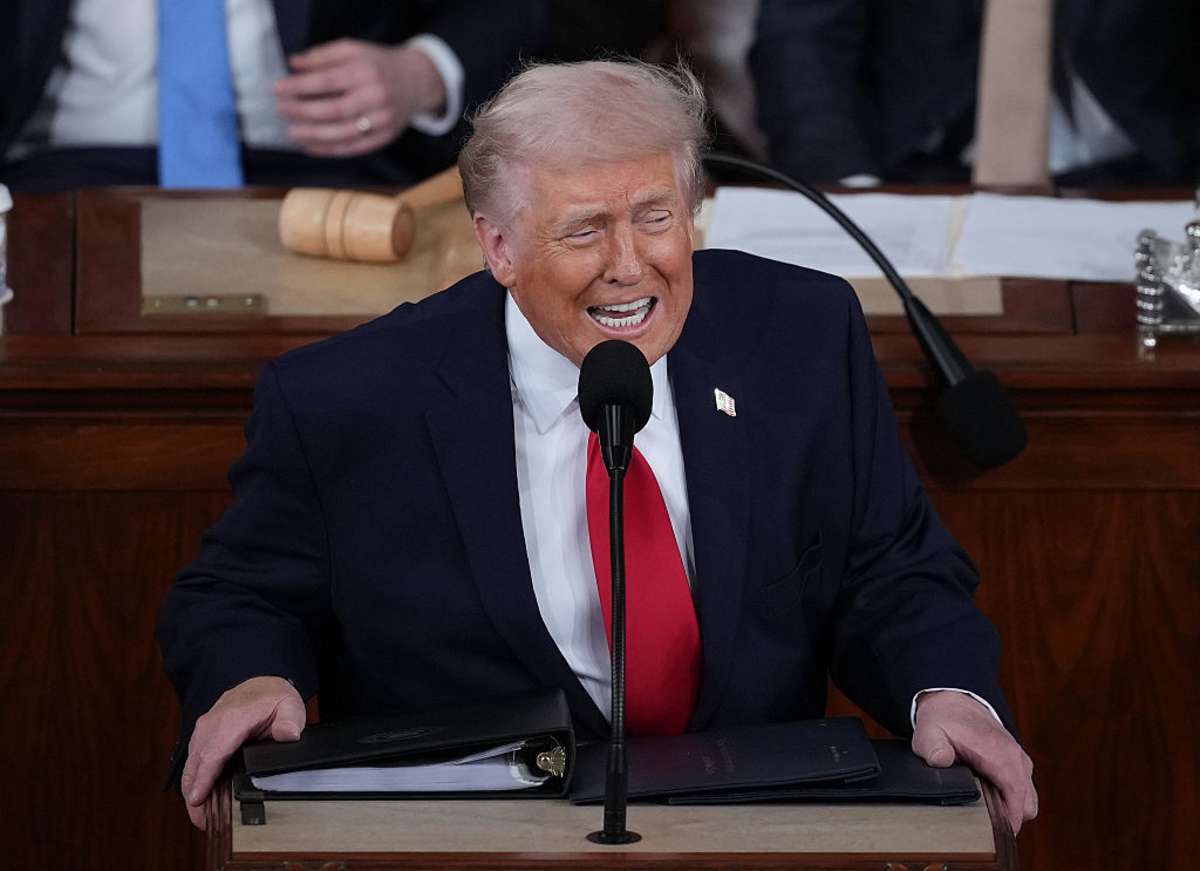
New poll shows weakest reception for Trump address
Then came the key comparison.
“This was actually the least well-received speech. We're talking about 38% of speech viewers who viewed the speech very positive, and that is lower than in 2025 when it was 44%, lower than in 2019 when it was 59%, lower than in 2018 when it was 48%, and lower than it was in 2017 when it was 57%” he explained.
The contrast was striking, given that State of the Union addresses often draw some of the highest approval numbers presidents receive during the year, particularly among self-selected viewers.
Enten cautioned against overinterpreting any single speech, noting that historically, such addresses rarely created lasting shifts in public opinion.
“The bottom line is this. State of the Union addresses, simply put, do not move, traditionally speaking, the American electorate,” he continued.
Still, he suggested that if any speech were going to create momentum, it would likely need stronger immediate reception numbers than this one.
“And this Trump speech, especially so, is not likely to move things because, simply put, it was the least well-received one among speech viewers of any of the speeches that Donald John Trump has given to a joint session of Congress,” he concluded.