Tillis presses White House for Iran war goals ahead of vote on fresh funding
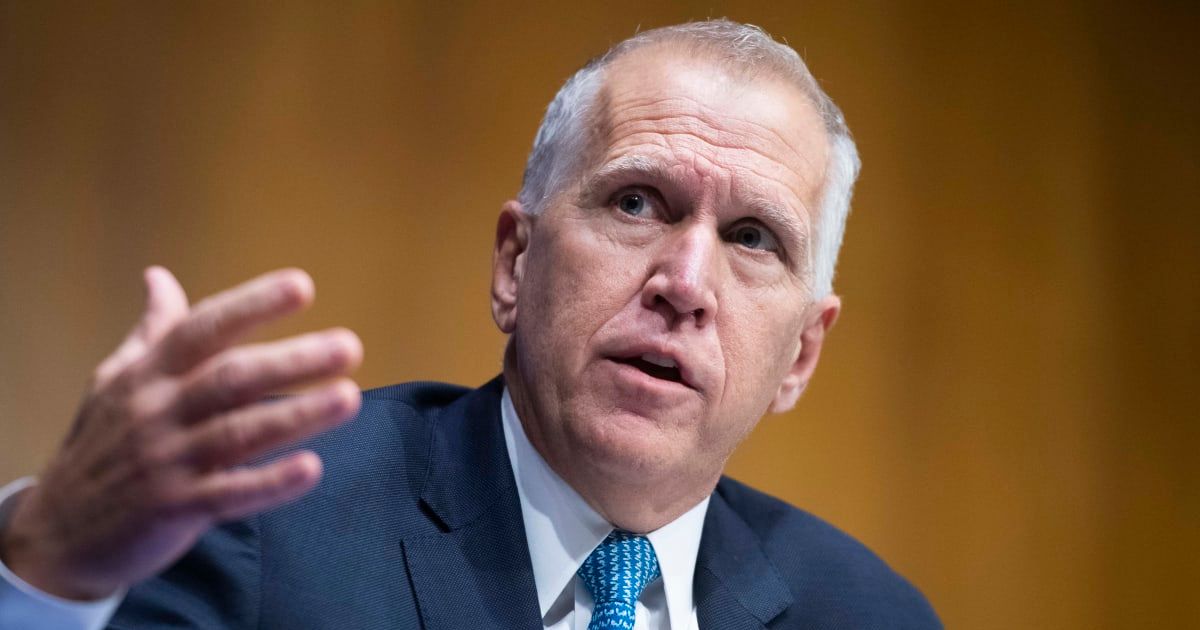
WASHINGTON, DC: As the war with Iran moves into its fourth week, Republican Sen Thom Tillis has called on the Trump administration to clearly define its mission before Congress considers approving billions more in funding for the military operation.
In an interview aired on Sunday on ABC News’ This Week, the North Carolina senator said the administration had yet to provide a clear answer on the central question facing lawmakers: what, exactly, is the objective of the war.
When co-anchor Jonathan Karl asked what the primary goal was, Tillis replied bluntly: “I don’t know, and I think it’s a real problem.”

Tillis says White House war aims remain unclear
While Tillis praised last summer’s “Operation Midnight Hammer,” in which the US military struck Iranian nuclear facilities, he suggested the current phase of the war lacks strategic definition.
He said he could understand why the administration felt it needed to return to complete unfinished work, but argued that the campaign had since become increasingly difficult to define.
“I don’t know what our long-term strategic goals are, but we’re going to need to know that,” Tillis said.
“I generally support what the president’s doing in Iran, but if we’re going to get anything close to the $200 billion supplemental request, we got to get 60 votes, and we’re going to have to figure out how to accomplish that.”
The Pentagon is preparing to seek an additional $200 billion for the war effort, according to a senior administration official, though that figure could still change.
Defense Secretary Pete Hegseth confirmed Thursday that the department would request more money, saying, “It takes money to kill bad guys.”

War costs rise as Hormuz blockade fuels oil shock
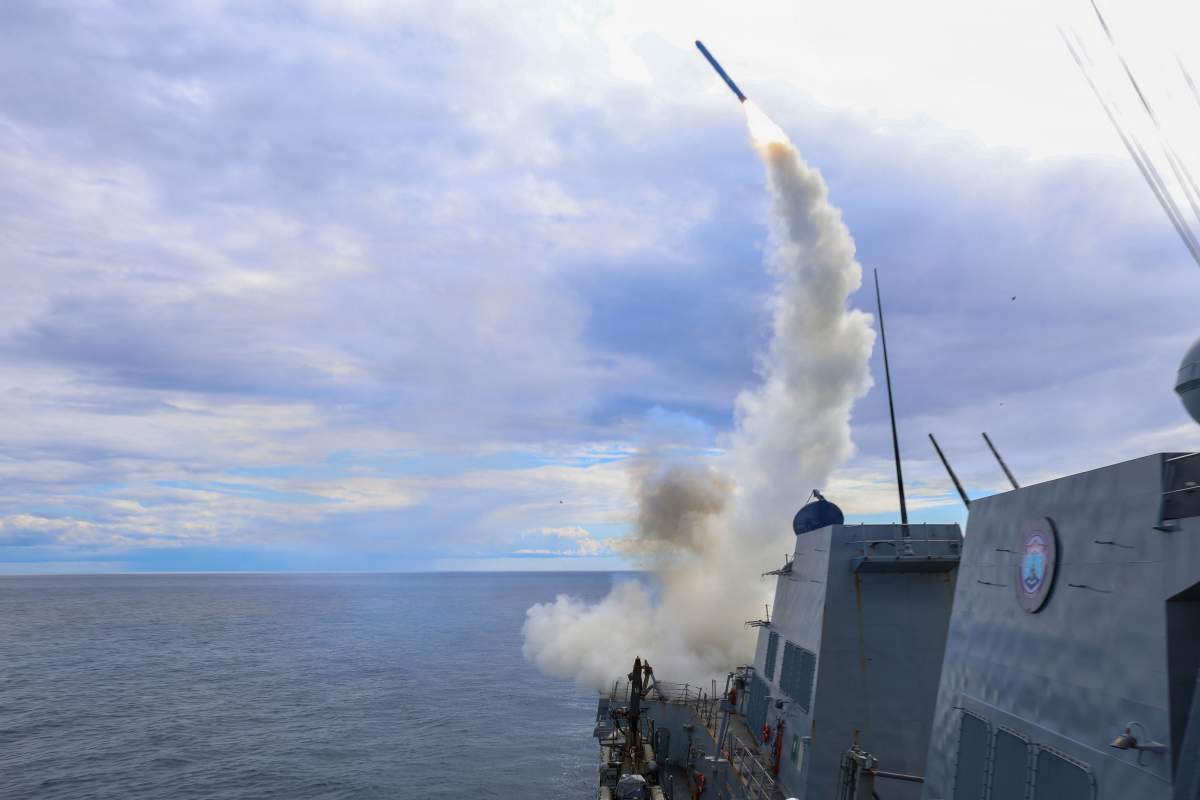
Tillis’s remarks come as the conflict continues to strain global energy markets. Iran is still blocking the Strait of Hormuz, one of the world’s most critical maritime chokepoints, through which a large share of global oil shipments normally passes.
The disruption has sent oil prices higher and pushed up fuel costs in the United States. According to GasBuddy, average US gas prices have risen by about $1 a gallon since the war began on Feb 28.
The closure of the strait has become one of the war’s most damaging economic consequences, affecting not only the United States but also American allies and trading partners that depend heavily on energy supplies moving through the Gulf.
Tillis says US cannot simply walk away
Although President Donald Trump has floated the idea of winding down the war and even suggested last week that the US could step back before the Strait of Hormuz issue is resolved, Tillis made clear he opposes that approach.
In a social media post on Wednesday, Trump questioned whether the US should “finish off” what remained of the Iranian state and then leave it to other countries to deal with the strait, arguing that would force non-responsive allies to act.
Tillis said that would be the wrong move “We have a number of partners and allies in the region whose economic fortunes rests on the Strait of Hormuz being open,” he said.
“We’ve decided that we’re going to project power and try and produce good outcomes in the Middle East. You can’t all of a sudden walk away after you’ve kind of created the event and expect other people to pick it up and leave and leave a good taste in their mouth.”
His comments amounted to a warning against a partial disengagement that leaves US allies to deal with the fallout of a conflict Washington helped ignite.

Senator defends NATO allies after Trump attack
Tillis also pushed back on Trump’s criticism of NATO allies, after the president accused them of cowardice for failing to assist in reopening the Strait of Hormuz.
As co-chair of the Senate NATO Observer Group, Tillis said the allies’ reluctance was understandable, especially given that many were not consulted before the military action began.
“I don’t think that they’re cowards,” Tillis said. “I think they’re people that weren’t consulted on a major military operation, and I’d have the same reaction if I was the head of state.”
He added that while allied governments remain deeply supportive of the United States, frustration is growing over how they have been treated by Washington.
“These folks love the United States,” he said. “But they don’t appreciate the way they’re being treated right now. And I can absolutely understand that.”