Trump administration finds immigration fraud in 65% of USCIS cases reviewed so far
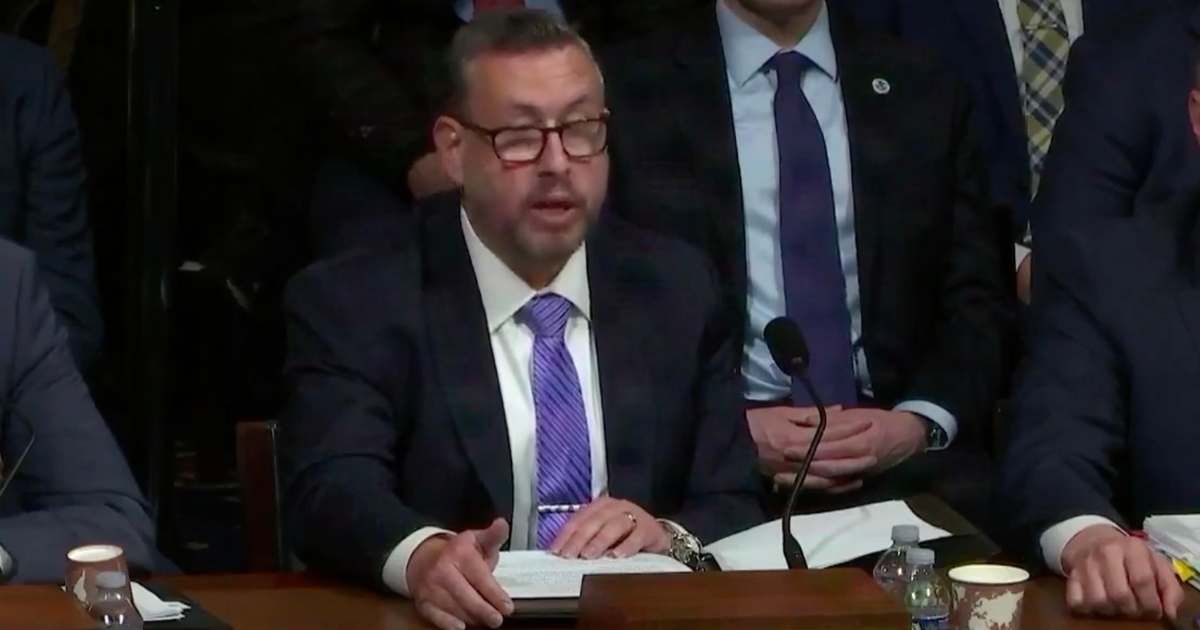
WASHINGTON, DC: The Trump administration has uncovered immigration fraud in 65% of cases investigated so far by United States Citizenship and Immigration Services (USCIS), according to testimony delivered to Congress this week.
USCIS Director Joe Edlow detailed the agency’s findings during a congressional hearing, outlining what he described as a major crackdown on fraudulent visa and green card applications.
Since January 20, 2025, the agency has significantly expanded its fraud detection efforts, referring tens of thousands of cases for deeper investigation.
.@USCISJoe provides an update to Congress: "Over the past year, @USCIS has made nearly 33,000 fraud referrals to law enforcement — a 138% increase over previous years." pic.twitter.com/VMrF1FQM0X
— Rapid Response 47 (@RapidResponse47) February 10, 2026
USCIS reports sharp rise in fraud referrals and investigations
Speaking before lawmakers, Joe Edlow said the agency has taken “rigorous measures to detect, deter, and disrupt fraud at every stage of the immigration process.”
“Since January 20, 2025, USCIS officers have made nearly 33,000 fraud referrals to our Fraud Detection and National Security Directorate - a 138% increase compared to the average yearly referrals of the previous administration,” Edlow told Congress.

According to Edlow, more than 21,000 of those referred cases have already been investigated. Of those completed investigations, fraud was identified in 65% of cases.
He also detailed the scale of enforcement activity carried out by officers. “Our officers conducted over 7,000 site visits and more than 26,000 social media checks to identify national security, public safety, fraud, and anti-American concerns,” he said.
The numbers presented during the hearing suggest a broad effort to tighten scrutiny around applications for visas, green cards and other immigration benefits.
Operation Twin Shield targets marriage, H-1B and student visa fraud
During his testimony, Edlow highlighted a key initiative launched last year known as Operation Twin Shield. The operation focused on the Minneapolis-St Paul, Minnesota, region and targeted specific areas of concern, including marriage fraud, H-1B visa fraud and student visa fraud.
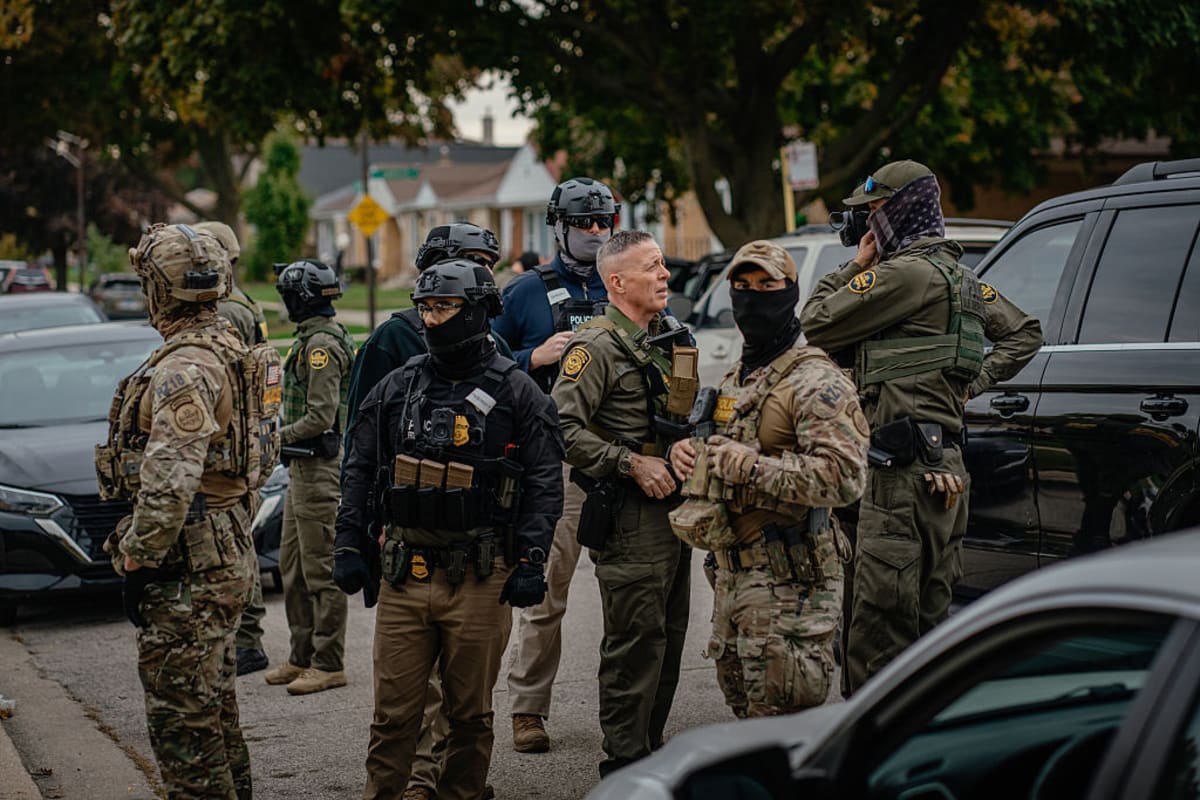
“Operation Twin Shield focused on more than 1,000 cases with fraud or ineligibility indicators, attempted over 2,000 site visits, and completed nearly 1,500 in-person interviews,” Edlow said.
The operation led to significant enforcement outcomes. According to Edlow, it resulted in the denial of immigration benefits in numerous cases and the filing of multiple notices to appear before immigration judges, formally initiating removal proceedings.
He also said the effort led to “nearly a dozen arrests by our partners at US Immigration and Customs Enforcement (ICE).”
Beyond immediate enforcement actions, Edlow noted that Operation Twin Shield produced evidence that paved the way for another initiative - Operation PARRIS, which stands for Post-Admission Refugee Reverification and Integrity Strengthening.
Operation PARRIS re-reviews thousands of refugee cases in Minnesota
Operation PARRIS is now underway in Minnesota, with a focus on re-reviewing thousands of refugee cases in the Minneapolis-St. Paul area. In particular, the initiative is examining cases involving refugees from Somalia.
Operation PARRIS is fully underway. We've surged USCIS resources to Minnesota to reexamine thousands of refugee cases through new background checks and intensive verification of refugee claims. We are working closely with @ICEgov to remove all criminal aliens guilty of fraud and… pic.twitter.com/jvWtMQMV0r
— USCIS (@USCIS) January 9, 2026
“The initial focus is on Minnesota’s 5,600 refugees who have not yet been granted lawful permanent resident status,” Edlow said.
He explained that USCIS’s newly established vetting center is playing a central role in the process. “USCIS’s newly established vetting center is at the forefront of Operation PARRIS, with adjudicators conducting thorough background checks, reinterviews, and merit reviews of refugee claims,” Edlow added.