Trump backs US diesel export ban: What it means for fuel market
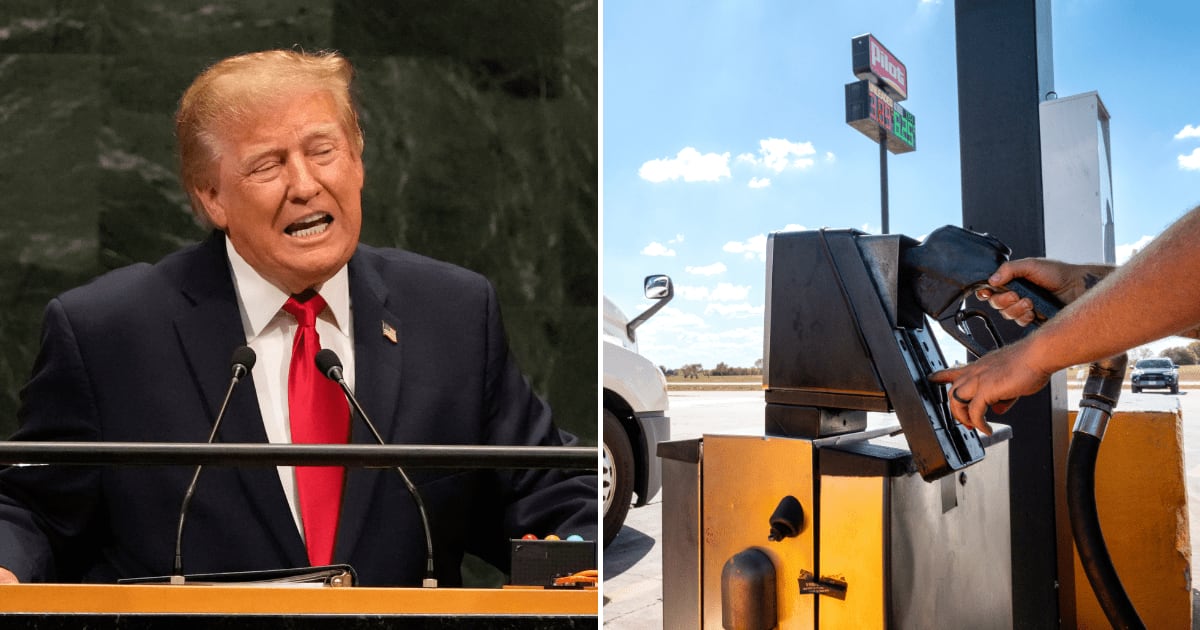
WASHINGTON, DC: As wars in the Middle East and Russia continue to choke fuel supplies, Donald Trump and his administration are mulling new strategies to curb the soaring cost of energy.
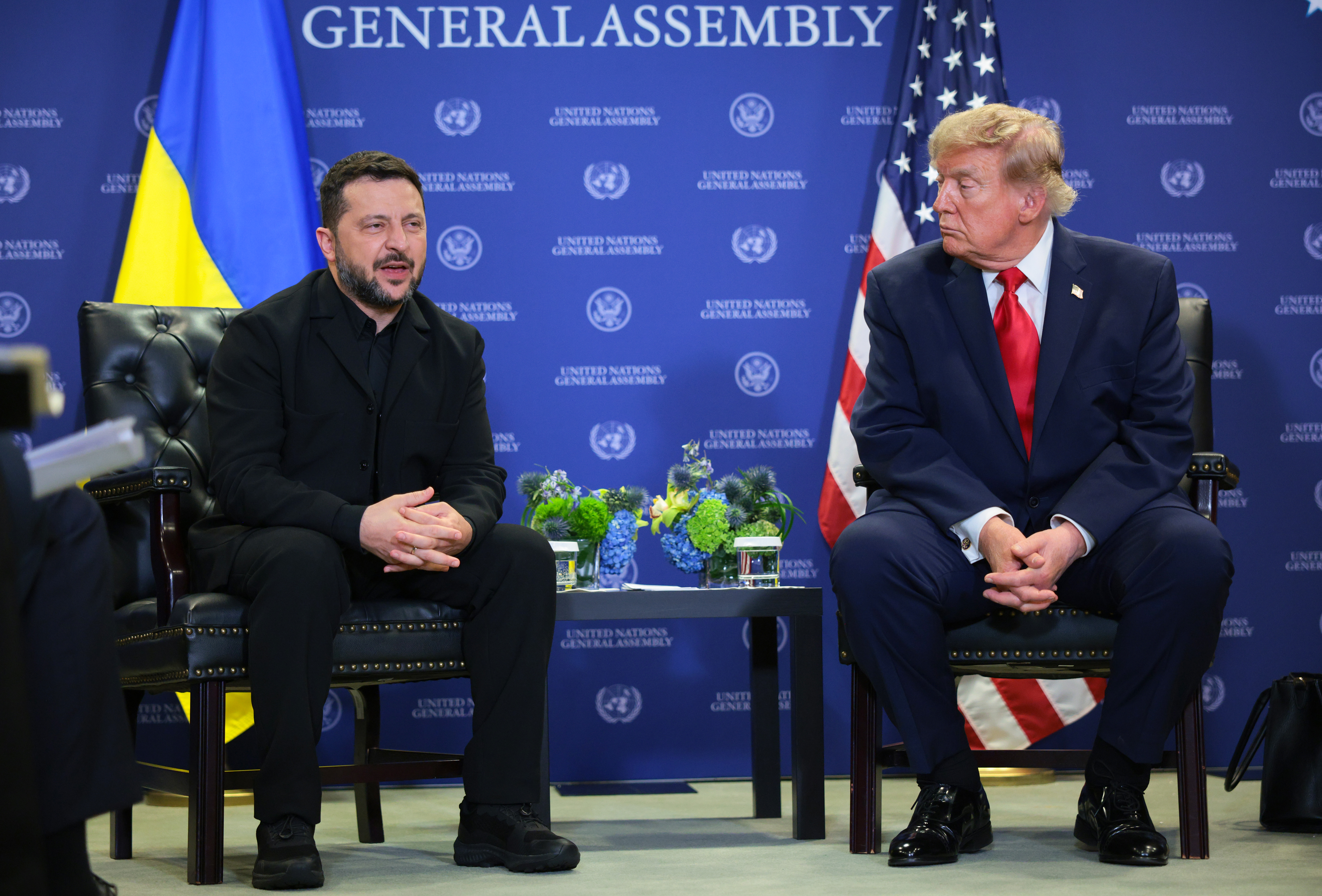
The 80-year-old president, speaking on the sidelines of the United Nations General Assembly on Tuesday, September 22, said his administration would issue a decision “fast, one way or the other” on whether to ban diesel exports.
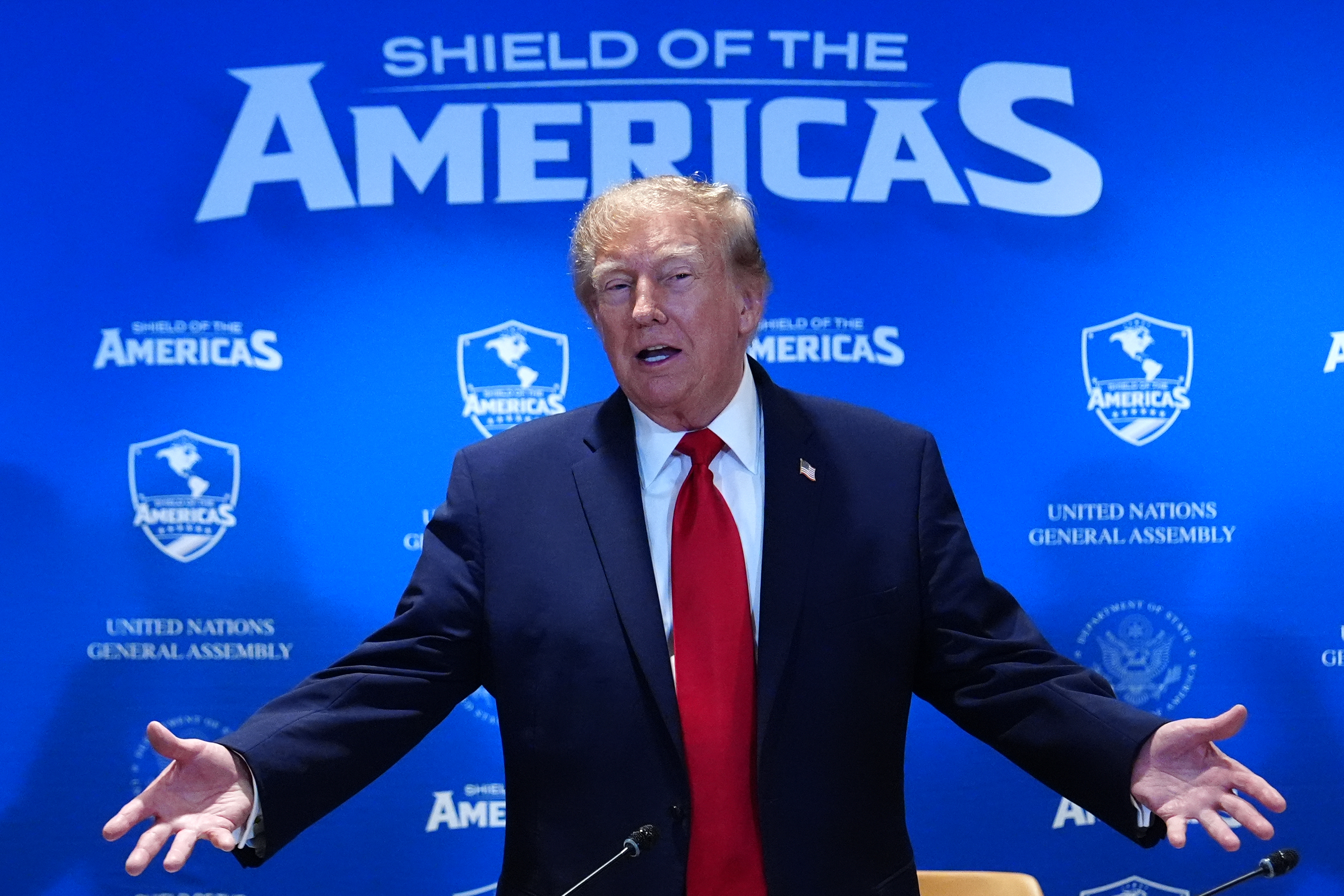
Trump’s remarks came as diesel prices have surged to record highs across Europe and the US as the wars in Iran and Ukraine disrupt exports from major fuel producers, including Russia, Saudi Arabia and the United Arab Emirates.
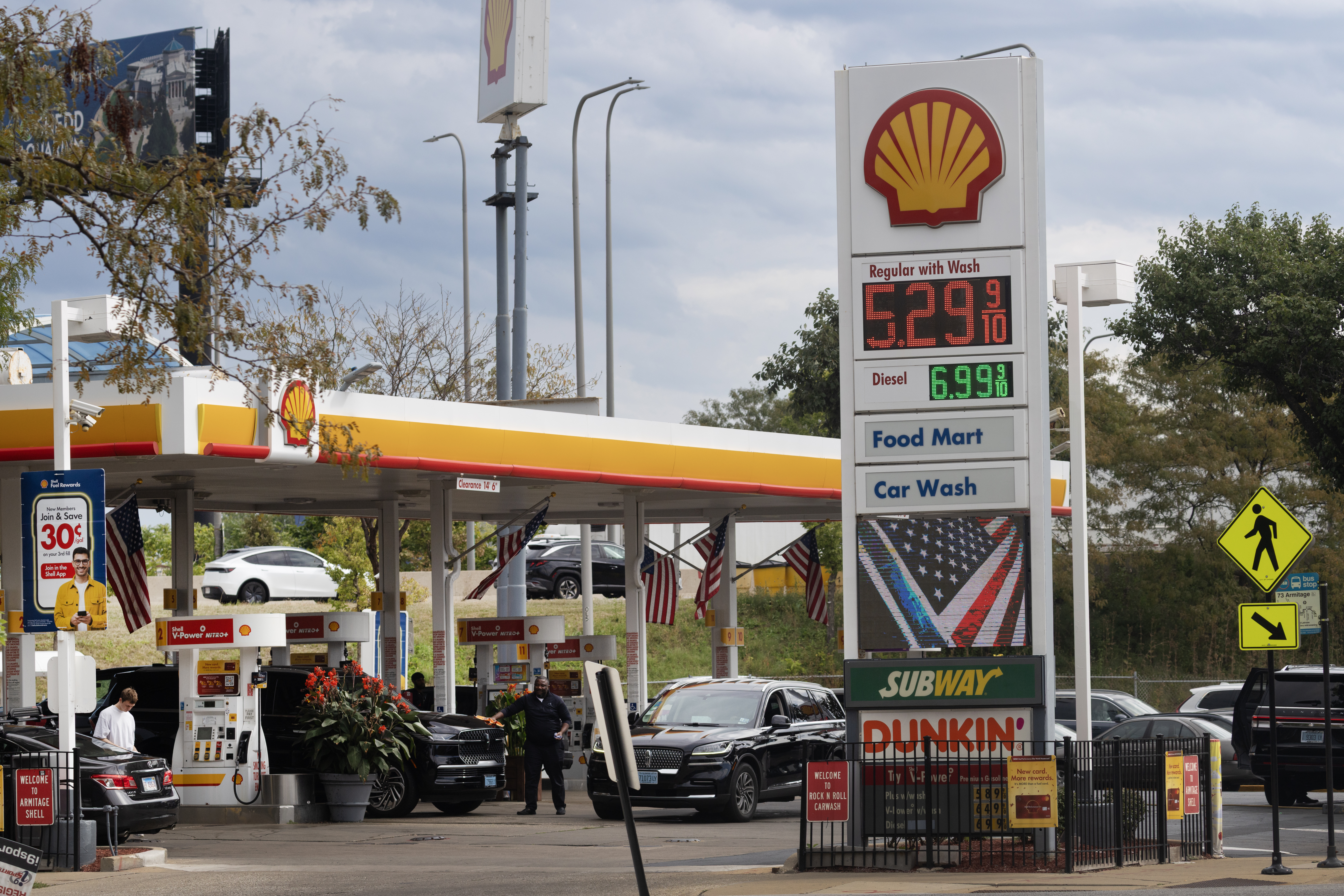
In the US, the average price of a gallon of diesel reached $6.53 on Tuesday, the highest level on record and more than 75% above its price a year earlier.
Donald Trump says 'let's not send out the diesel'
Trump has suggested that keeping more fuel supplies within the US could help ease pressure on domestic energy prices.
"I've called for that too. I've said let's not send out the diesel. We make a lot of diesel. That could have a little bit of an effect on regular automobile gasoline," he said during a meeting on the sidelines with Ukrainian President Zelenskyy, whom he has urged to halt strikes on Russian refineries that have prompted Russia to restrict its own diesel shipments.
Trump endorses a ban on diesel exports: "I've called for that too. I've said, let's not send out the diesel." (Trump has in fact called for other nations to buy energy from the US!) pic.twitter.com/GVYILw1ou4
— Aaron Rupar (@atrupar) September 22, 2026
The president acknowledged, however, that restricting diesel exports could also prompt US refiners to cut overall fuel production, including gasoline.
“It could have a little bit of an effect on regular automobile gasoline because when you do that, you know, it’s a sort of a flow. It’s a balance,” Trump continued, “But no, I’ve called for it. I’ve called for it within my people. I’ve been talking about it.”
Treasury Secretary Scott Bessent, who was also at the press conference, followed up by saying the administration is examining “whether it’s feasible in terms of the overall refining capacity and whether a full or partial ban would work."
The surge in the cost of diesel has sparked political urgency ahead of crucial mid-term elections on 3 November, with several Republicans pressing the administration to restrict the fuel's export to ease financial strain on voters.
How the US diesel export ban would impact fuel market
The US has emerged as the supplier of last resort to the world during the Middle East war, exporting roughly 1.3 million barrels of diesel per day, nearly a quarter of its refining output.
Supporters of an export restriction argue that preventing American fuel from leaving the country would increase domestic supply and put downward pressure on prices.
However, several analysts warn against the ban, saying that the policy could ultimately have the opposite effect. Removing US diesel from the global market would further tighten international supplies, potentially pushing global prices higher.
"Restricting US diesel exports would wreak havoc on fuel markets at home and abroad, destabilize refinery operations and deepen a global refining crisis already putting upward pressure on US prices. Gulf Coast refineries produce more diesel than the region consumes, while geography and infrastructure constraints prevent that surplus from simply being redirected to every US market that needs it," the American Petroleum Institute said in a statement to Reuters.
Analysts and traders also maintain that any such ban could prompt US refineries to reduce the amount of crude oil they process. Lower refinery output would also mean less gasoline and other fuels being produced, potentially pushing prices higher.
"Banning exports of diesel would drive refiners to cut runs because the physical market they can access would be cut, and no market participant in any market sells product at a loss. While an export ban might have a very short-term impact that lowers price, it would not be long-lived...," said Kenneth Medlock III, a fellow in Energy and Resource Economics at the Baker Institute for Public Policy.