Trump cancels DNI pick hearing, fumes over FISA collapse after midnight expiry
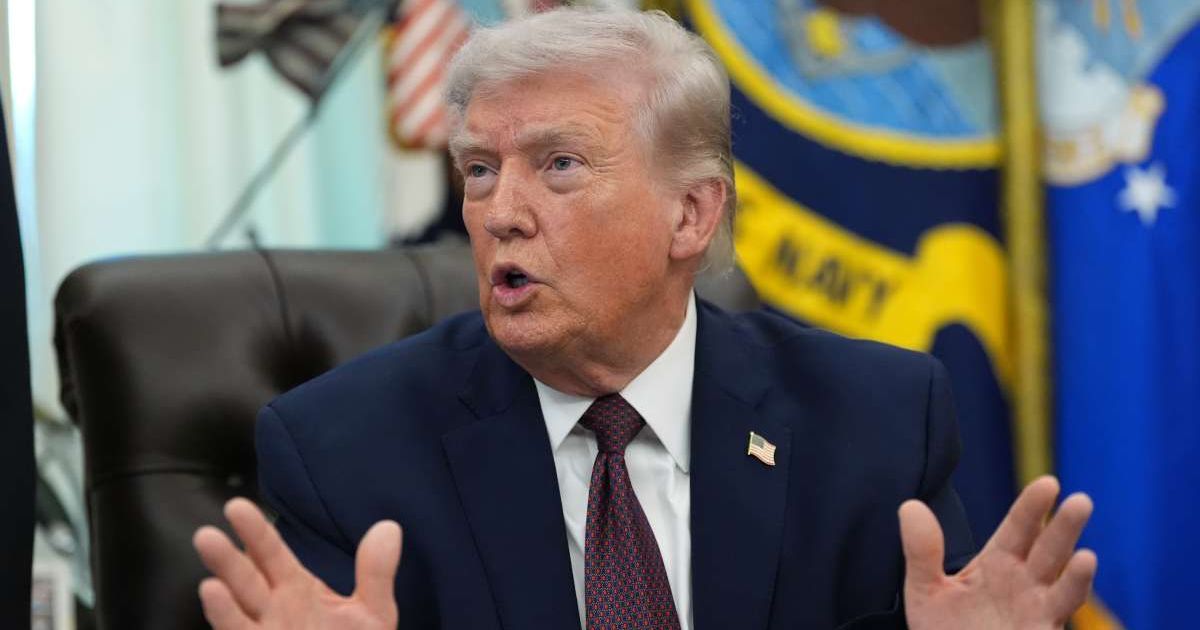
WASHINGTON, DC: President Donald Trump abruptly threw a wrench into Senate Republicans' plans on Wednesday, June 17, by halting the confirmation process for his intelligence chief nominee and linking the appointment to two explosive political fights: government surveillance powers and election security.
In a surprise move, Trump announced that Jay Clayton's path to becoming director of national intelligence would effectively be put on hold until lawmakers address both the reauthorization of key federal spying authorities and legislation requiring proof of citizenship and voter identification.
The Republicans agreed with Dumocrats to remove very fair, and talented, William Pulte, from serving as Acting DNI in return for getting FISA approved by the Dumocrats. However, the Republicans moved so fast with the hearings of the Great Jay Clayton, current U.S. Attorney for… pic.twitter.com/Lr5zicenLy
— Commentary Donald J. Trump Truth Social Posts On X (@TrumpTruthOnX) June 17, 2026
Trump pulls the emergency brake
The announcement landed just hours before Clayton was expected to continue moving through the Senate confirmation process.
Republican leaders had been exploring ways to accelerate his nomination, hoping to install a permanent intelligence chief quickly and avoid a prolonged controversy surrounding acting DNI Bill Pulte.
Instead, Trump personally intervened.
In a social media post, the president declared that Clayton's confirmation would not move forward for now, arguing that legislative priorities must be addressed first.
''I will not approve FISA without THE SAVE AMERICA ACT going along with it'', Trump said.
''We are cancelling the Senate Hearing for DNI today, and will not be going forward until Jamie McDonald is approved to be US Attorney'', Trump announced.
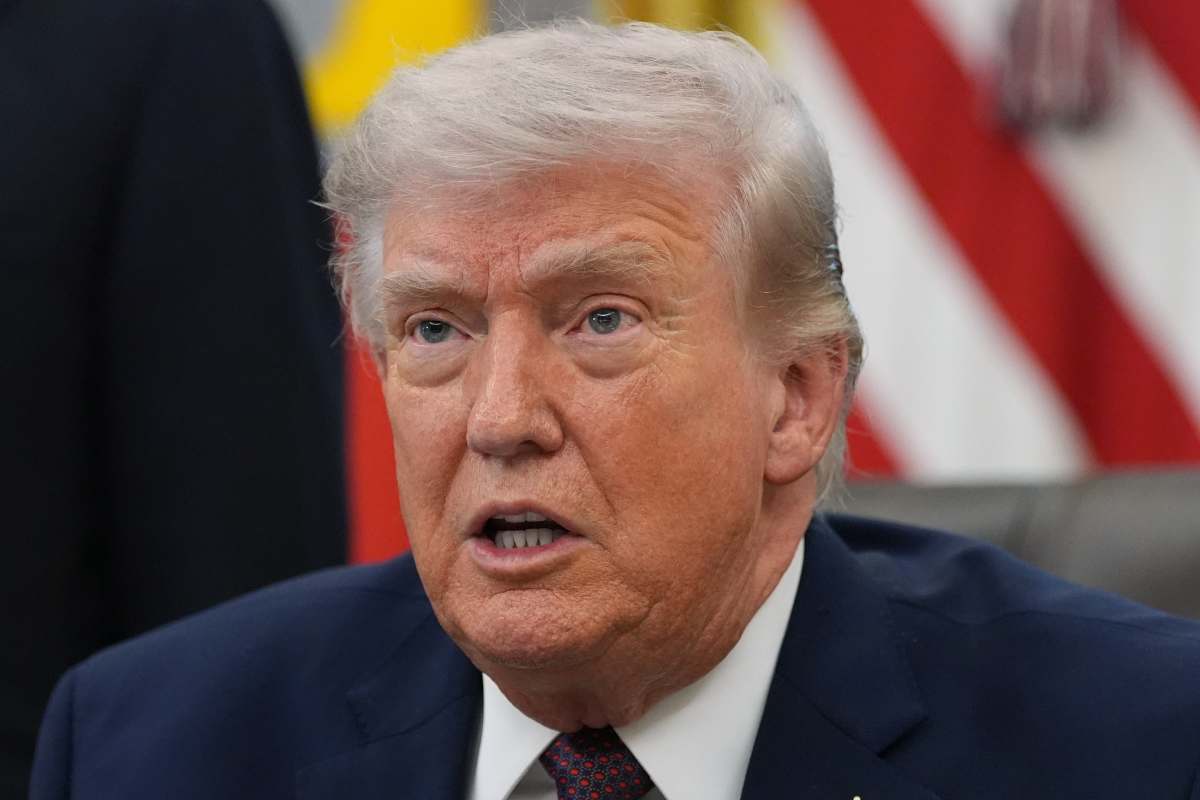
The move blindsided lawmakers who had spent days trying to fast-track the nomination.
What makes Trump's decision particularly significant is that Clayton's nomination had become central to a fight over national security policy.
Democrats had raised objections to Bill Pulte continuing in the intelligence role and tied those concerns to the future of Section 702, one of the federal government's most powerful intelligence-gathering authorities.
Section 702 allows US intelligence agencies to collect foreign communications without traditional warrants and has long been defended as a critical national security tool.
But the authority has also faced criticism from lawmakers across the political spectrum who argue stronger safeguards are needed.
Rather than separating the issues, Trump chose to link them together.
Trump demands voting reforms
The president went even further by insisting that surveillance powers should advance alongside election-related legislation.
Trump argued that voter verification measures remain among the most important issues facing the country and suggested Congress should address both matters at the same time.
That immediately raised the stakes. The voter-ID legislation backed by Republicans would require individuals to provide proof of citizenship when registering to vote and present identification during the voting process.
Supporters argue the measures are necessary to strengthen confidence in elections.
Opponents counter that the requirements could create obstacles for eligible voters and amount to unnecessary restrictions.