Trump defies 'war clock' with ceasefire extension as Iran regime fractures over nuclear deal
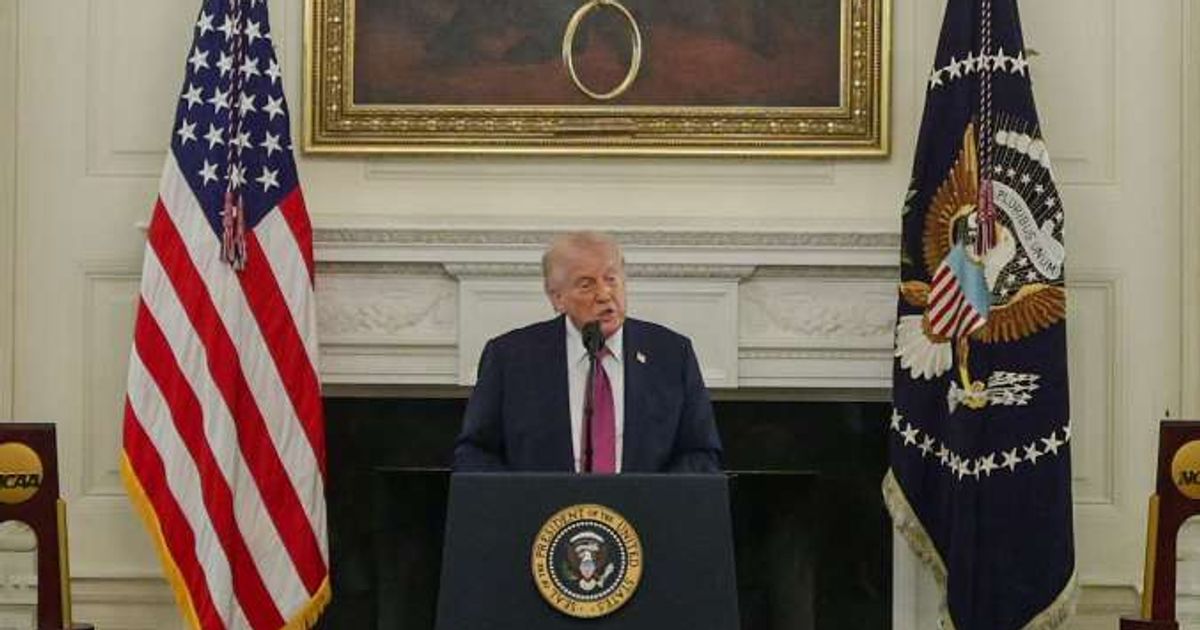
WASHINGTON, DC: A "sensational" breakthrough in the 53-day war appears imminent as President Donald Trump signaled on Wednesday, April 22, that fresh peace talks could resume as early as Friday.
In a high-stakes "transaction" of diplomacy, the President confirmed to The Post that a second round of Islamabad negotiations is "possible" within the next 36 to 72 hours.
The update comes after Trump issued a late-night "red flag" to Tehran, unilaterally extending the national ceasefire to allow Iran’s "divided" leadership one last chance to avoid a total systemic collapse.
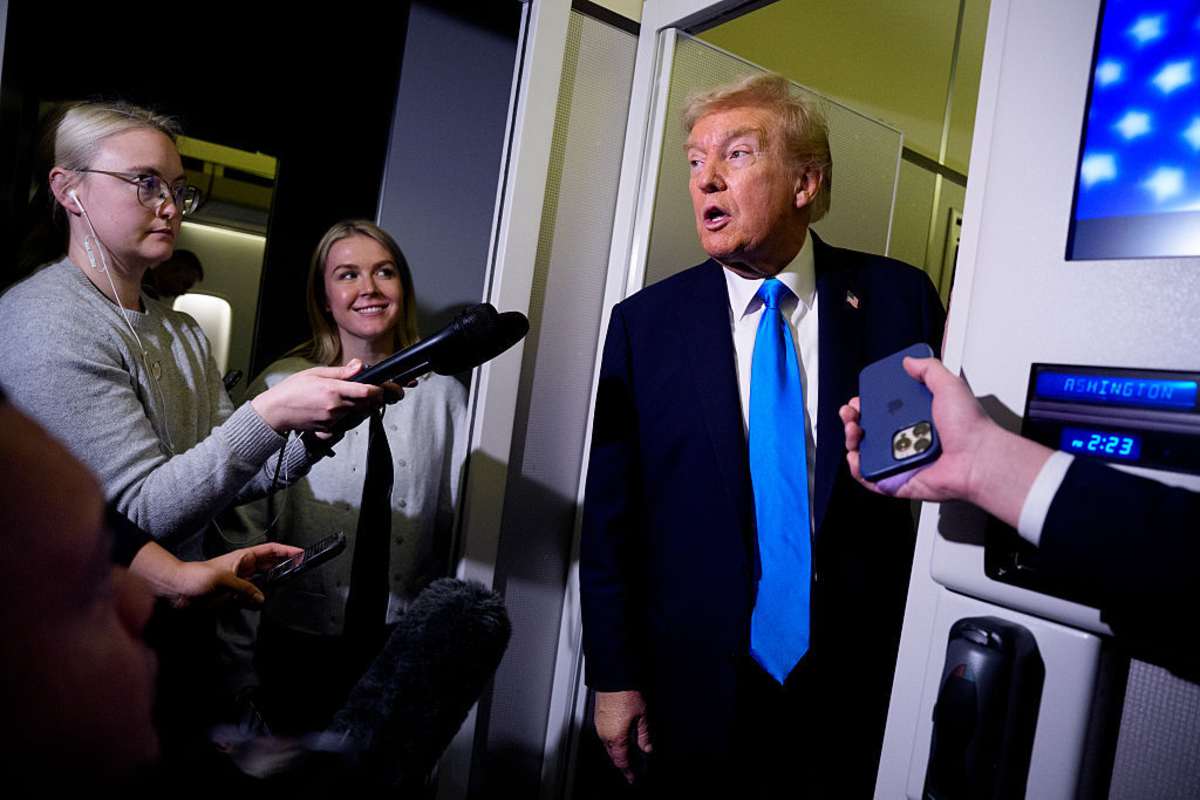
The conflict, which began on February 28 with the "Midnight Hammer" of Operation Epic Fury, has decimated the Iranian security apparatus and claimed the life of Supreme Leader Ali Khamenei.
However, the war has also triggered a historic global energy catastrophe.
With Brent Crude surging past $120 per barrel following the closure of the Strait of Hormuz, the President is facing a "maximum pressure" campaign of his own from global markets and a domestic "war clock" that demands a swift resolution before the November midterms.
Tehran scrambles to present unified proposal
The primary hurdle to peace remains the "absolute disarray" within the Iranian command structure.
Since the assassination of Khamenei, the regime has been split between hardline IRGC clerics and pragmatic remnants of the foreign ministry.
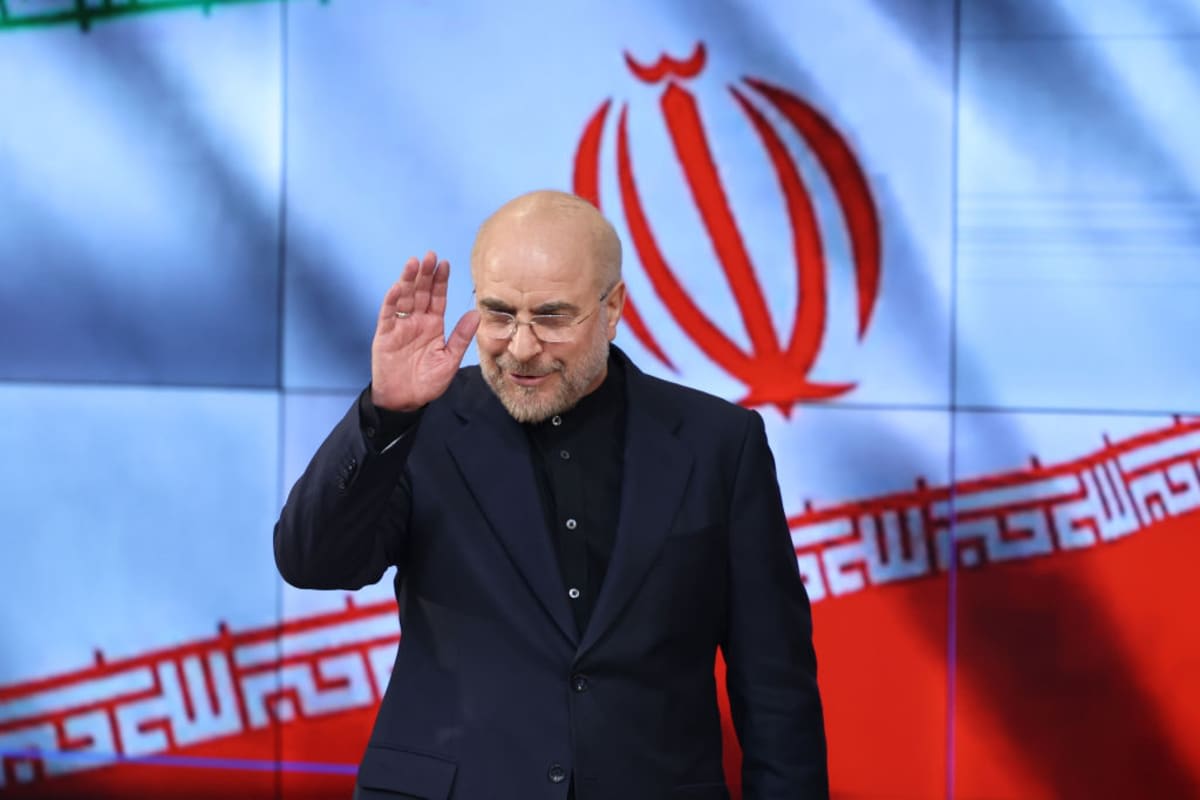
President Trump has exploited this fracture, announcing on Truth Social that he has "directed our Military to continue the Blockade" while extending the truce solely to allow these warring factions to produce a "unified proposal."
Pakistani mediators, led by Prime Minister Shehbaz Sharif, have been working a "full court press" on diplomatic channels to bridge the gap.
Sources in Islamabad indicate that the current ceasefire is holding despite the "heightened rhetoric," signaling a positive intent to avoid a return to the "kinetic strikes" that characterized the first month of the war.
For Trump, the goal is clear: a total "nuclear surrender" that sees Tehran relinquish its 1,000-pound stockpile of enriched uranium.
Limited timeframe to prevent ‘stalling’ tactics
While the President has shown a "tough stand" on patience, his aides warn that the extension is not indefinite.
Sources familiar with internal discussions told CNN that Trump plans to give the Iranians a "limited timeframe" to get negotiations back on track.
The administration is reportedly wary of allowing the "Fake News Mafia" or the Iranian leadership to use the ceasefire to "drag out" the conflict and regroup their ballistic missile infrastructure.
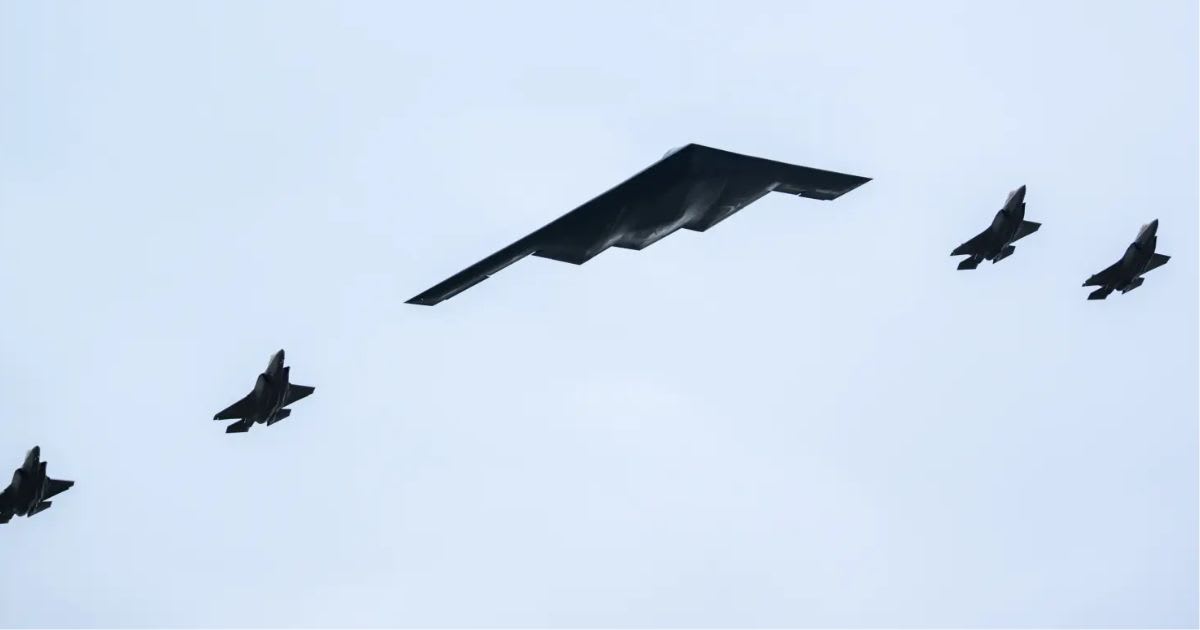
The President’s reticence to resume bombing reflects a desire to settle the war diplomatically, but his "great negotiator" instincts remain fixed on the deadline.
He had originally hoped the pressure of the Wednesday expiry would force a deal, but his top aides now believe the "fractures" within Tehran are too deep to be resolved without this additional window.
The "results," Trump maintains, will be "amazing," but only if the Iranian leaders are "smart" enough to meet his terms before the ceasefire finally snaps.
Naval blockade remains the ultimate leverage
As the peace talks stall, the US naval blockade of the Strait of Hormuz continues to serve as the administration's primary "discovery" tool for Iranian resolve.
The President believes the maritime siege has left the Islamic Republic "starving for cash" and "collapsing financially."
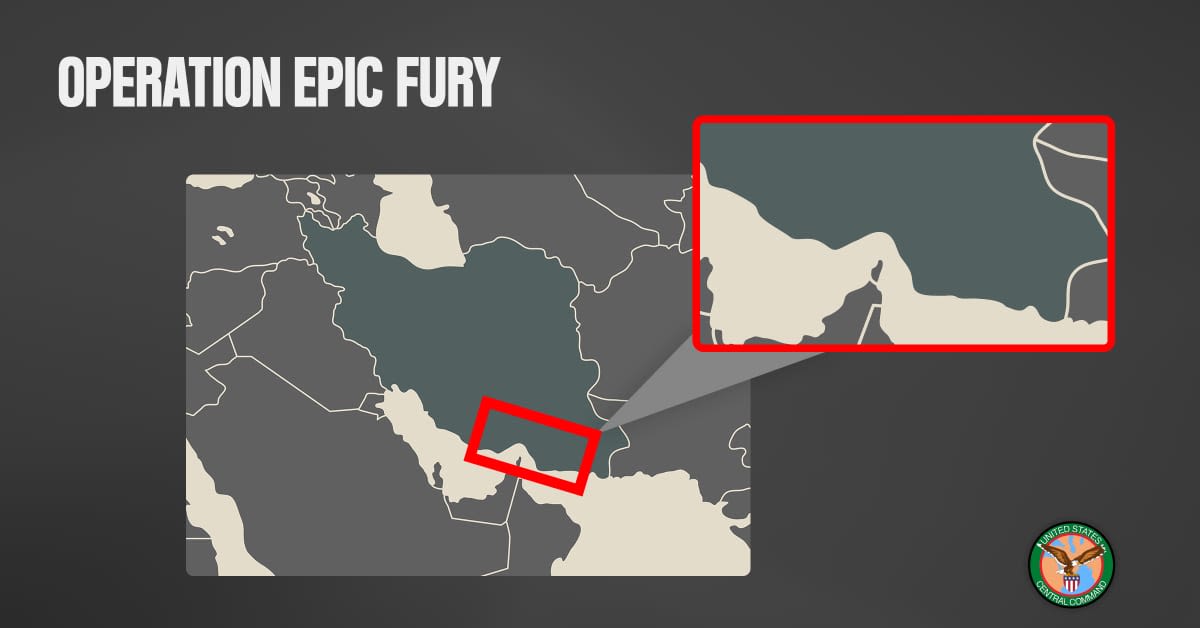
By controlling every ship entering or leaving Iranian ports, the US Navy is ensuring that Tehran cannot make the "500 Million Dollars a day" they require to sustain their proxy armies.
However, the "transaction" of the blockade is a double-edged sword. Trump’s team acknowledges that the longer the Strait remains a chokepoint, the more "lethal" the damage becomes to the world economy.
With 20% of global oil supplies and 80% of the Gulf region’s food intake disrupted, the pressure on the President to turn this "Maximum Pressure" into a "final deal" is reaching a breaking point in both Washington and London.
Friday breakthrough hinges on Islamabad talks
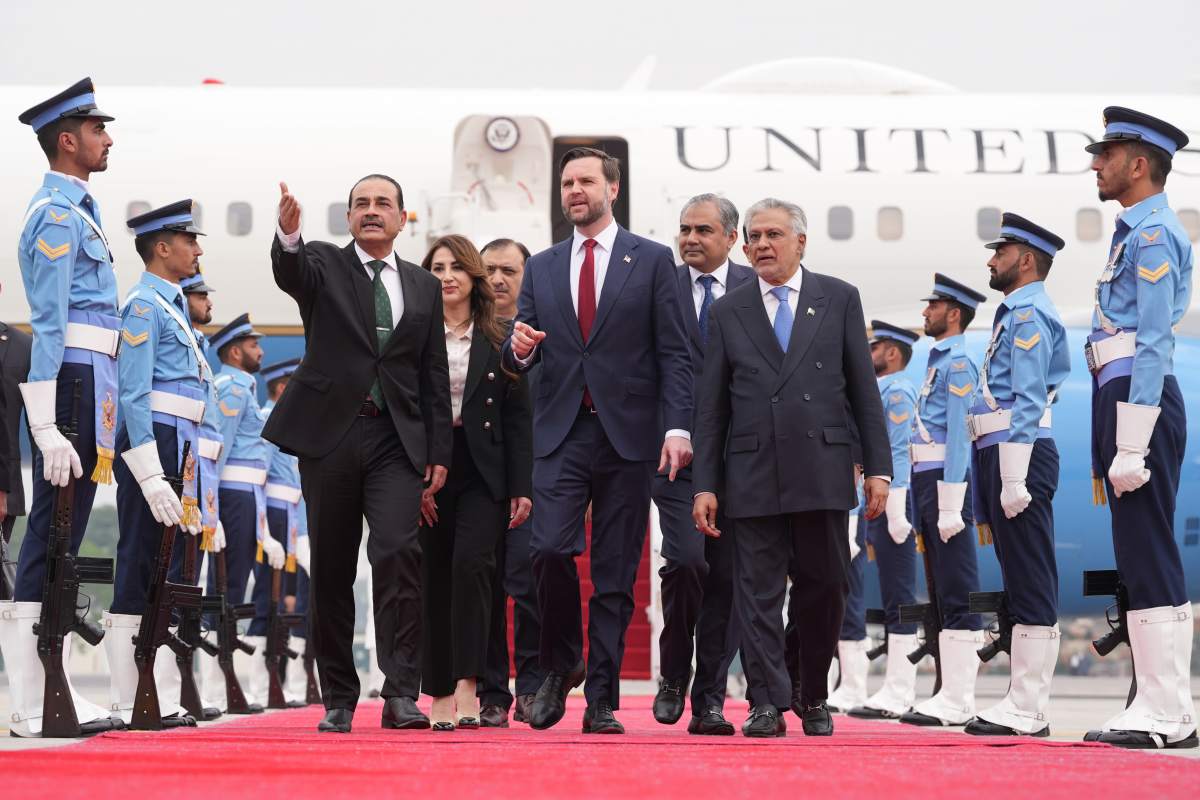
All eyes are now on the Jinnah Convention Centre in Islamabad, where the second round of talks is expected to commence.
The President’s message to the Iranians is a calculated blend of "peace through strength," submit a unified proposal, or face a return to the "Stone Age" of military strikes.
The administration is reportedly preparing for a Friday session that would see Vice President JD Vance return to the table to finalize the "nuclear reset."
"It’s possible!" Trump texted The Post, maintaining his "sensational" optimism as the world waits for Tehran’s response.