GOP warns of repeated funding showdowns as budget battles loom
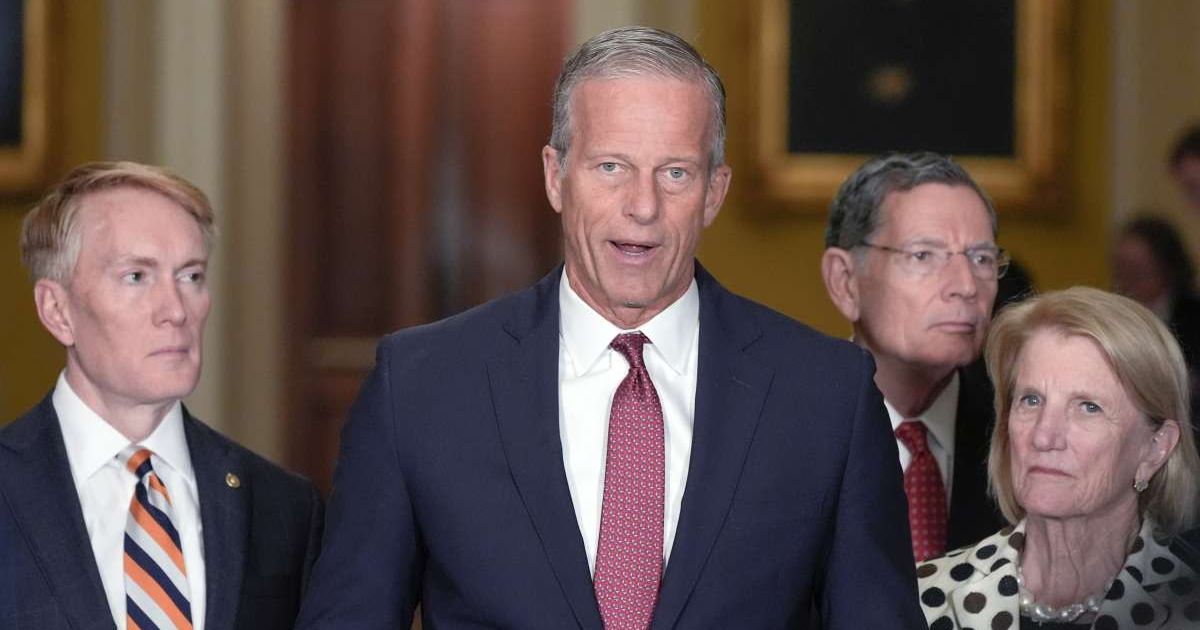
WASHINGTON, DC: Senate Republicans are increasingly worried that the ongoing shutdown of the Department of Homeland Security (DHS) may be followed by an even larger government funding crisis in October, potentially plunging Washington into a cycle of repeated shutdowns.
Led by Senate Majority Leader John Thune, GOP lawmakers are racing to pass a budget resolution this week that would lay the groundwork for a broader reconciliation package later this spring.
That plan aims to secure long-term funding for immigration enforcement agencies, including ICE and Border Patrol, through 2029, while sidestepping a Democratic filibuster.
Concerns over Democratic strategy
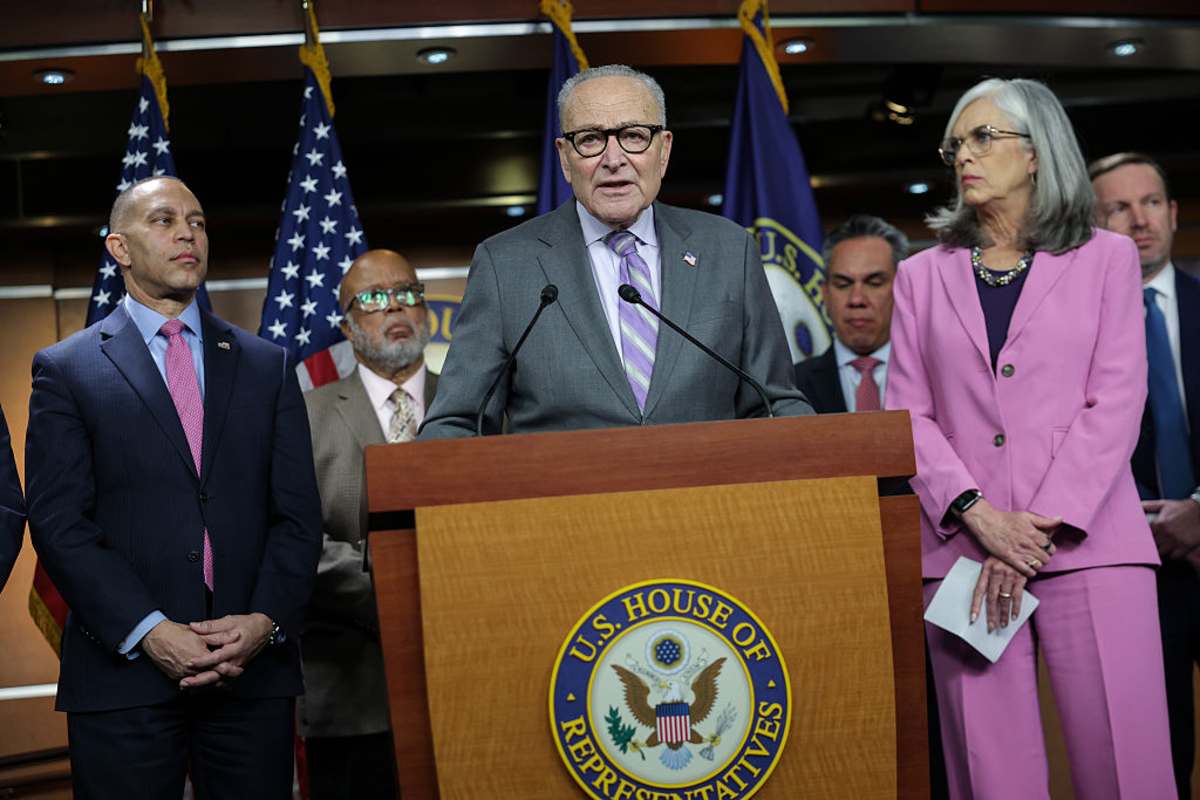
Despite these efforts, Republicans fear Democrats could force another funding showdown in September. GOP senators argue that such a move would maximize political pressure on the party controlling Congress and the White House.
Some Republicans have openly accused Senate Democratic Leader Chuck Schumer of preparing to leverage shutdown threats for political gain ahead of the elections.
Senators including Ted Cruz and Josh Hawley suggested Democrats may view disruption as advantageous in the run-up to Election Day.
Democrats, however, reject these claims, insisting they are using their limited leverage in a Republican-controlled Washington to push policy priorities such as healthcare subsidies and immigration reforms.
DHS shutdown, longest of its kind
The current DHS shutdown, already the longest of its kind, has deepened Republican concerns that the traditional appropriations process is no longer functioning effectively.
Thune warned that bipartisan agreement on funding immigration enforcement while President Donald Trump remains in office may be increasingly unlikely, signaling prolonged gridlock.
Legislative fixes under discussion
In response, GOP lawmakers are exploring proposals to mitigate the impact of future shutdowns. One proposal by Ron Johnson, dubbed the “Shutdown Fairness Act,” would guarantee pay for essential federal workers during funding lapses.
Another plan from James Lankford would automatically trigger short-term funding extensions if Congress fails to pass appropriations bills on time.
These ideas were discussed during a closed-door Senate Republican meeting, with some lawmakers suggesting attaching such measures to upcoming budget legislation, though procedural hurdles, including Senate rules, could complicate that strategy.
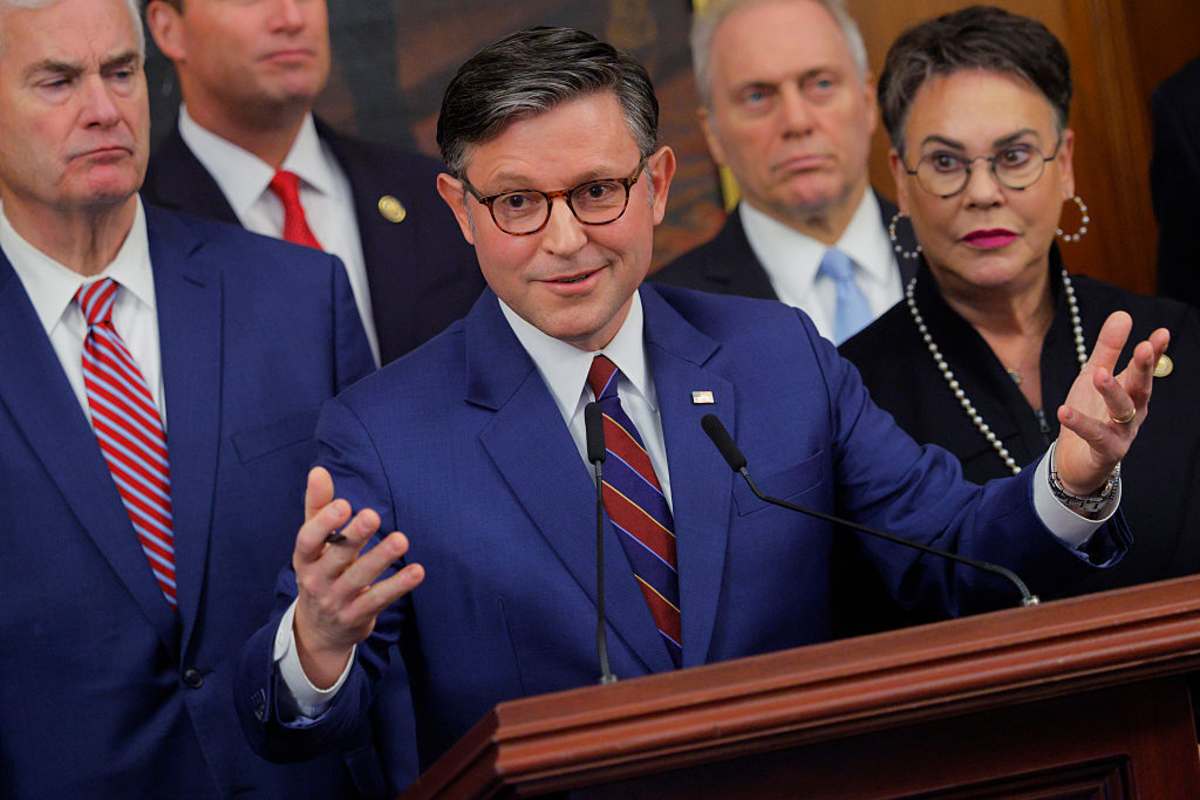
Meanwhile, tensions between the House and Senate continue to complicate the path forward. House Speaker Mike Johnson has declined to advance a Senate-passed DHS funding bill, preferring to wait for the broader reconciliation package.
Some Republicans are now proposing combining DHS funding with shutdown-prevention measures to win broader support in the House.