Trump deploys ‘A-Team’ to Islamabad as Kushner, Witkoff seek Iran nuclear breakthrough
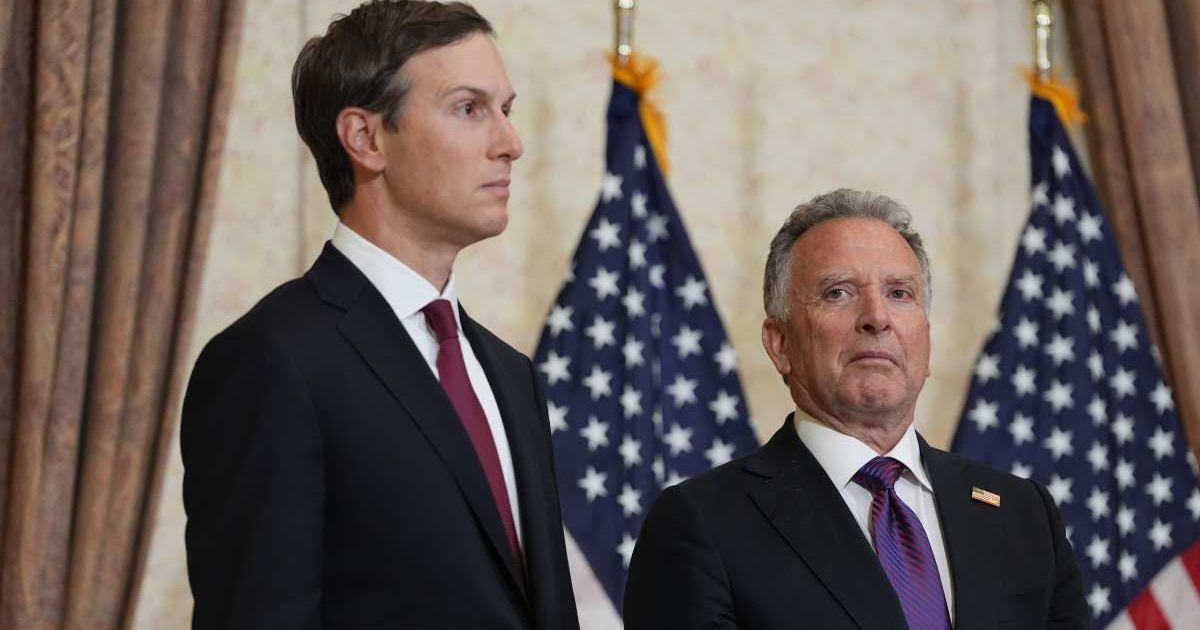
ISLAMABAD: President Donald J. Trump is dispatching senior adviser Jared Kushner and Special Envoy Steve Witkoff to Pakistan in an effort to revive stalled negotiations with Iran, as the current ceasefire enters a critical phase.
The move follows earlier rounds of talks that failed to produce a breakthrough, with the administration now recalibrating its approach amid rising pressure to secure an agreement.
The upcoming engagement is expected to focus on two central issues: Iran’s nuclear program and the security of maritime traffic through the Strait of Hormuz.
Vice President JD Vance, who led a 21-hour negotiating session earlier in April, will remain in Washington for this round, with Kushner and Witkoff taking the lead.
Tehran leadership fractures amid internal infighting
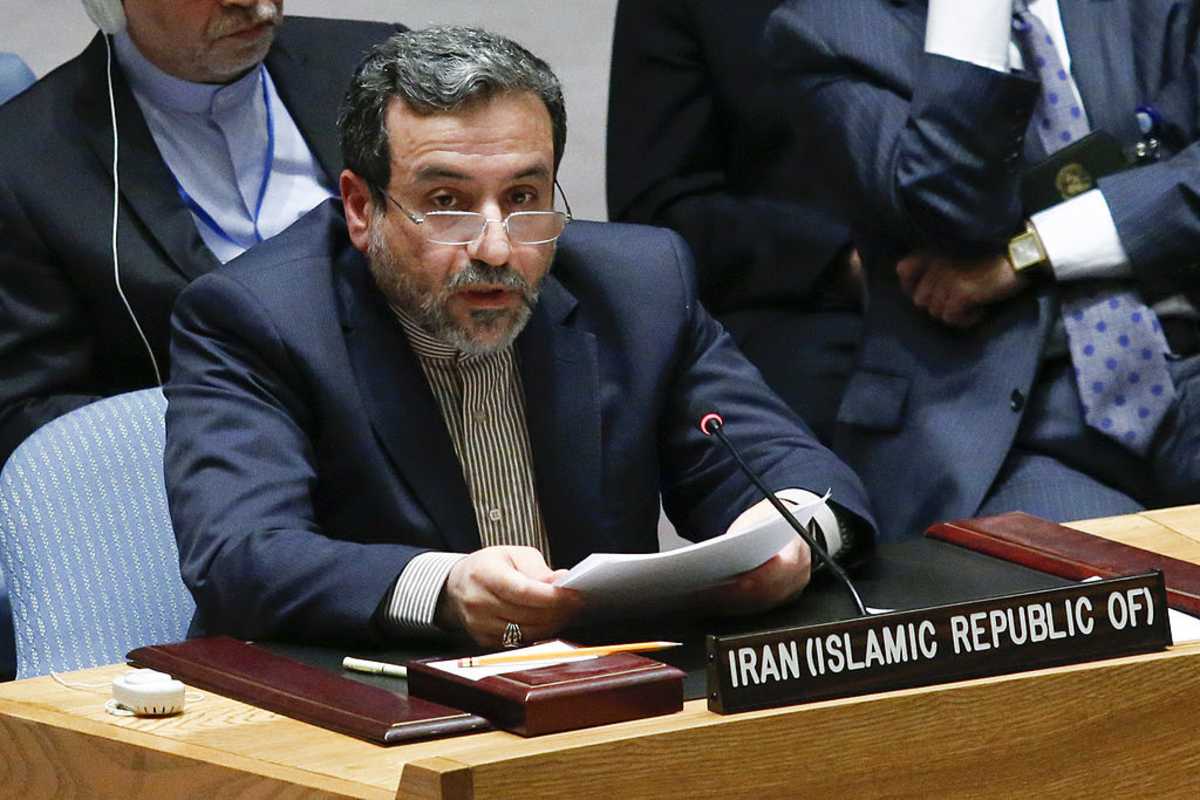
US officials indicate that internal divisions within Iran’s leadership remain a major hurdle. Mohammad Bagher Ghalibaf, the Speaker of Parliament who previously headed Iran’s delegation, is not expected to attend the Islamabad talks.
Reports suggest he has expressed frustration over disagreements within the leadership, raising concerns about consistency in Iran’s negotiating position.
In his place, Foreign Minister Abbas Araghchi is expected to lead the Iranian delegation.
Araghchi is scheduled to arrive in Islamabad on Friday night, following stops in Oman and Moscow, part of a broader regional outreach effort.
Officials familiar with the process say the absence of a unified negotiating stance from Tehran could complicate efforts to advance talks, particularly as both sides seek alignment on key terms before any formal agreement.
Zero-enrichment mandate remains the red line

The central point of contention remains the US demand for “zero enrichment,” which calls for a complete halt to Iran’s nuclear activity, including civilian enrichment.
This position has been consistently maintained by the Trump administration across earlier negotiations in Geneva and Islamabad.
Iranian officials, including Araghchi, have previously indicated that an agreement was close, but have not agreed to eliminate enrichment.
US officials continue to view this as a core requirement for any deal moving forward.
The renewed talks are expected to operate under a limited timeframe, with US officials pointing to ongoing economic pressure on Iran.
Estimates suggest the current restrictions are impacting Iran’s oil-related revenues by approximately $500 million per day, a factor the administration believes increases leverage at the negotiating table.
Pakistani mediators scramble to relaunch talks
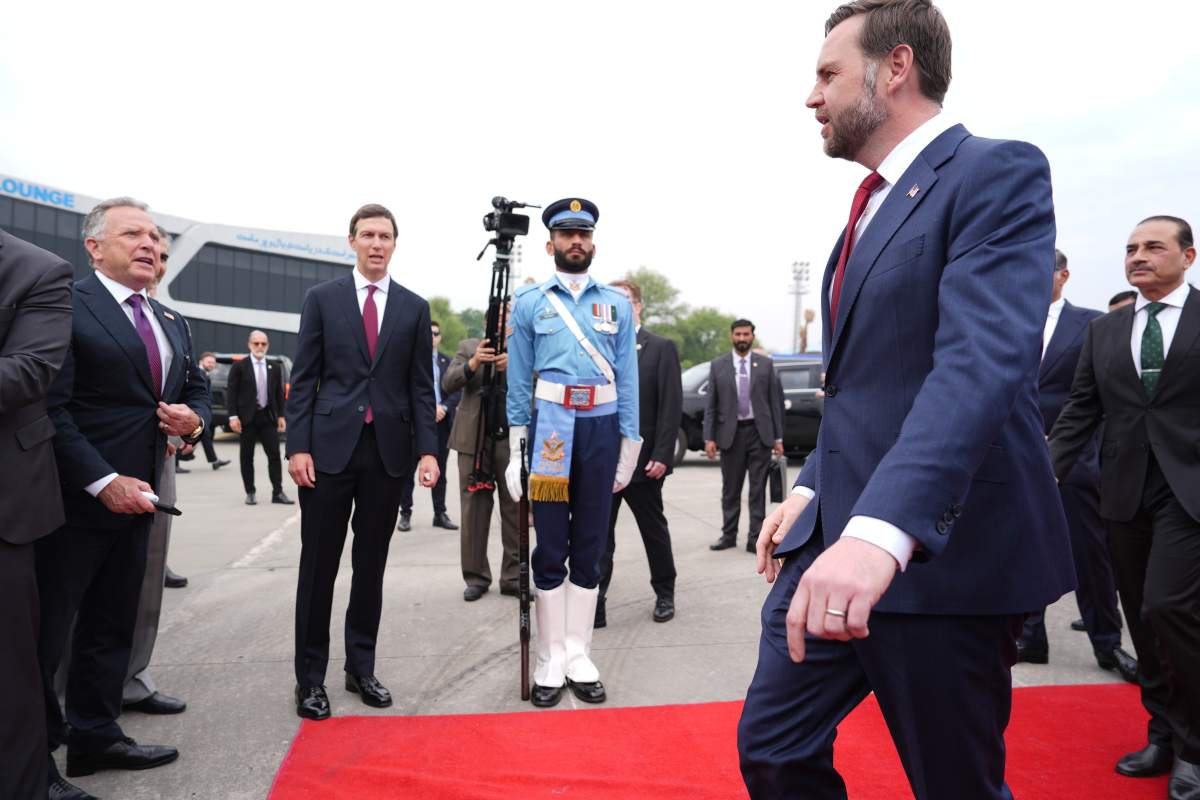
Pakistan continues to play a central role in facilitating dialogue between the two sides.
Prime Minister Shehbaz Sharif and Army Chief Field Marshal Asim Munir have been engaged in efforts to bring both delegations together for a potential trilateral meeting in Islamabad.
A Pakistani official confirmed that Araghchi’s visit will help determine whether direct talks with the US delegation are feasible during this round.
The outcome will likely shape whether negotiations can move beyond indirect engagement.
Kushner and Witkoff are expected to be accompanied by Vance’s chief of staff and a team of technical advisers.
Previous rounds have drawn attention for the absence of dedicated nuclear experts in some sessions, though the administration has continued to rely on its current negotiating structure.
With the ceasefire still holding but under strain, the Islamabad talks are seen as a key moment in determining whether both sides can move toward a framework agreement or face renewed escalation.