US troops rappel onto Iran-linked tanker in Indian Ocean as maritime standoff escalates
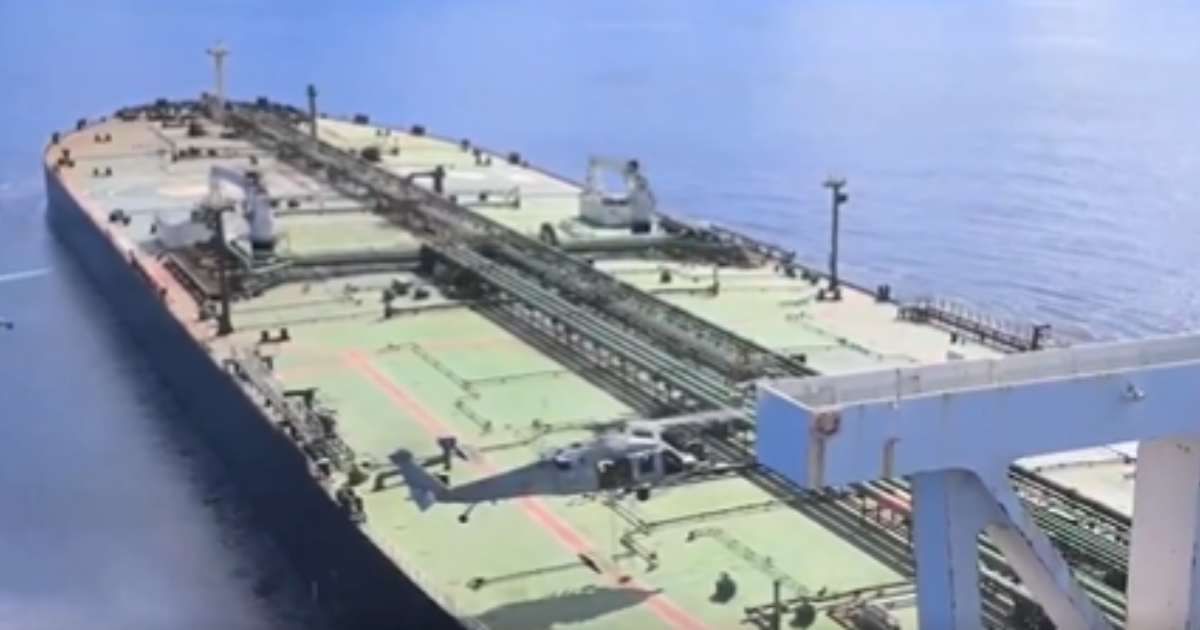
TEHRAN, IRAN: US forces boarded another Iran-linked oil tanker in the Indian Ocean, expanding maritime confrontations between Washington and Tehran.
The Pentagon said the vessel, identified as the sanctioned M/T Majestic X, was operating as a “stateless” ship transporting Iranian oil.
Overnight, U.S. forces carried out a maritime interdiction and right-of-visit boarding of the sanctioned stateless vessel M/T Majestic X transporting oil from Iran, in the Indian Ocean within the INDOPACOM area of responsibility.
— Department of War 🇺🇸 (@DeptofWar) April 23, 2026
We will continue global maritime enforcement to… pic.twitter.com/SWF6Jt9Ci4
In a statement, the United States Department of Defense said the operation was part of ongoing efforts to disrupt illicit shipping networks tied to Iran.
US intercepts tanker in Indian Ocean, expanding operational reach
Unlike previous incidents concentrated near the Strait of Hormuz, the latest interdiction took place in the wider Indian Ocean, signaling an expanded operational reach by US forces.
Footage released by the military showed troops rappelling from a helicopter onto the tanker before securing the vessel.
The move comes amid a sharp escalation in maritime tensions. Iranian forces, particularly the Islamic Revolutionary Guard Corps, seized two commercial ships a day earlier in the Strait of Hormuz, claiming they had violated a blockade.
The US had also intercepted another Iran-linked tanker, the M/T Tifani, earlier this week, underscoring the rapid cycle of retaliatory actions.
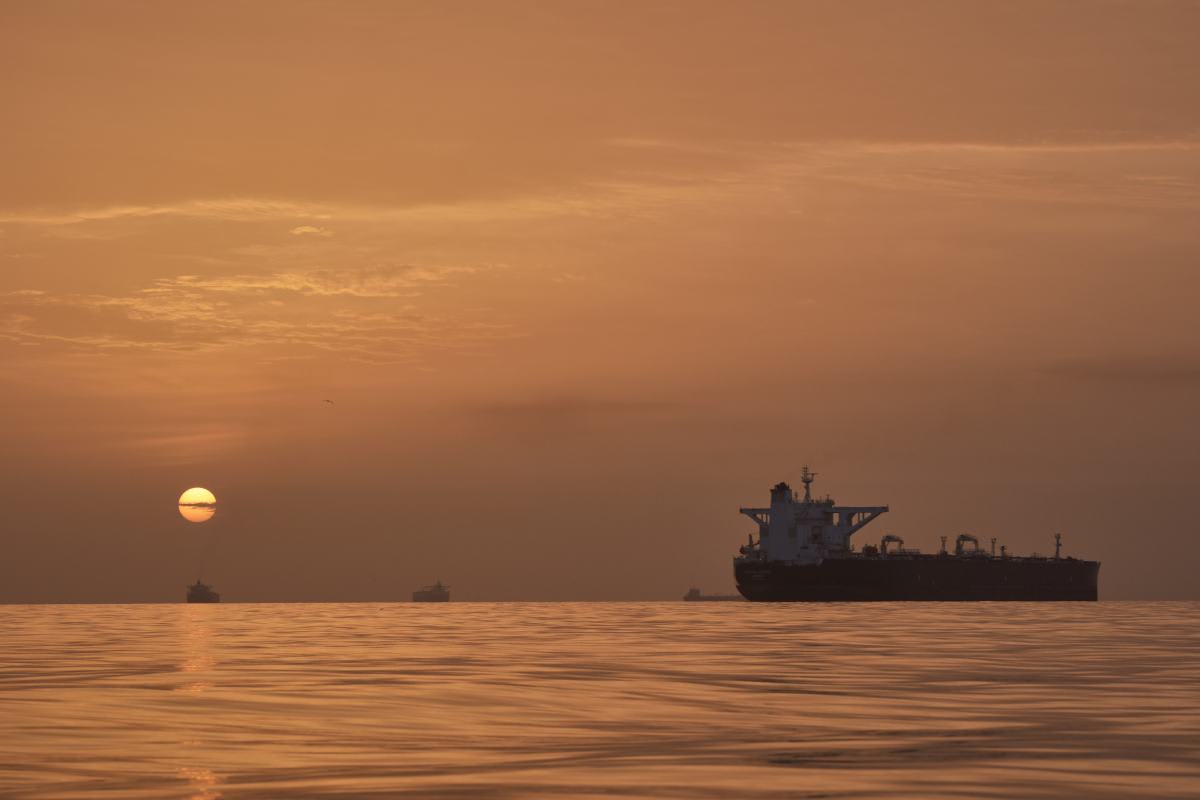
Tit-for-Tat escalation at sea
Amid concerns over crew welfare, Philippine authorities confirmed that 15 Filipino seafarers aboard the detained vessels, the Epaminondas and MSC Francesca, are safe.
According to the Department of Migrant Workers, the sailors remain near Iran’s coastline, with their families informed and receiving support.
A video released by Iranian forces appeared to show armed personnel approaching the vessels in speedboats and boarding them with weapons. The footage highlights the increasingly aggressive tactics being employed in the standoff.
The escalating confrontations come despite an extended ceasefire between the US and Iran. Tehran has refused to reopen the Strait of Hormuz, accusing Washington of violating the agreement through naval blockades of Iranian ports and affiliated vessels.
The developments mark a dangerous phase in US-Iran relations, with global shipping routes and energy supplies potentially at risk.
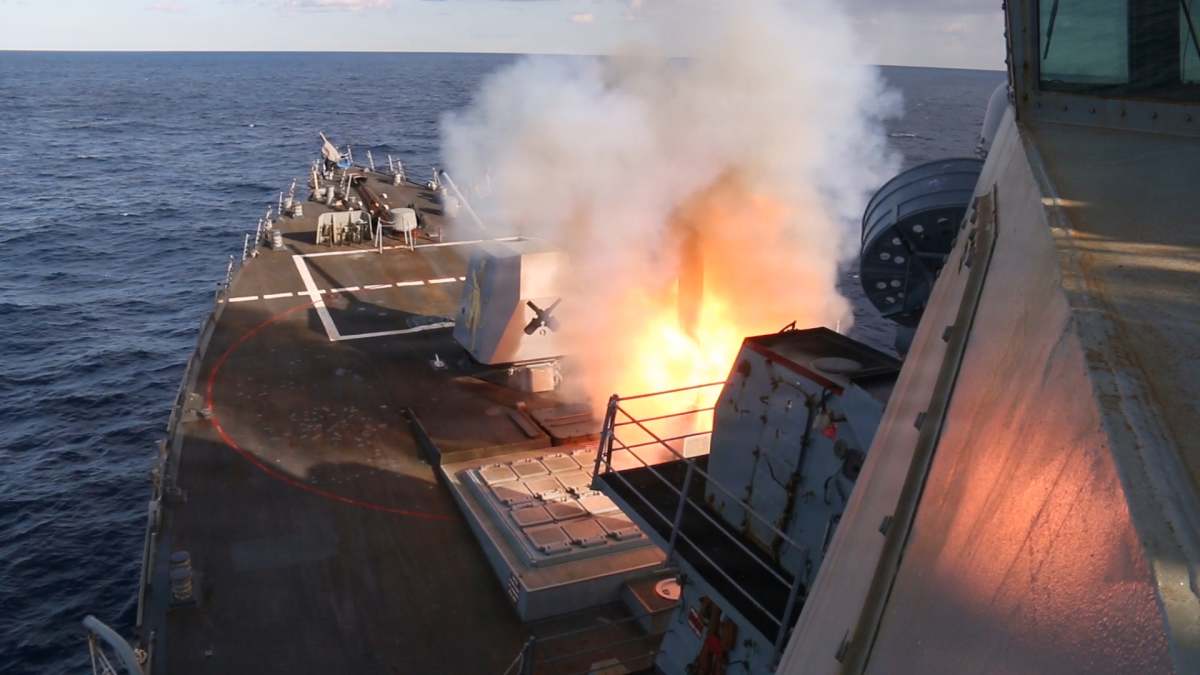
Rising risks to global shipping and energy markets
The escalation has raised fresh concerns about the safety of key maritime trade routes and the stability of global energy supplies.
The Strait of Hormuz handles a significant share of the world’s oil shipments, making any disruption a potential trigger for price volatility and supply chain shocks.
Analysts warn that continued interdictions by both sides could deter commercial shipping and drive up insurance costs for vessels operating in the region.
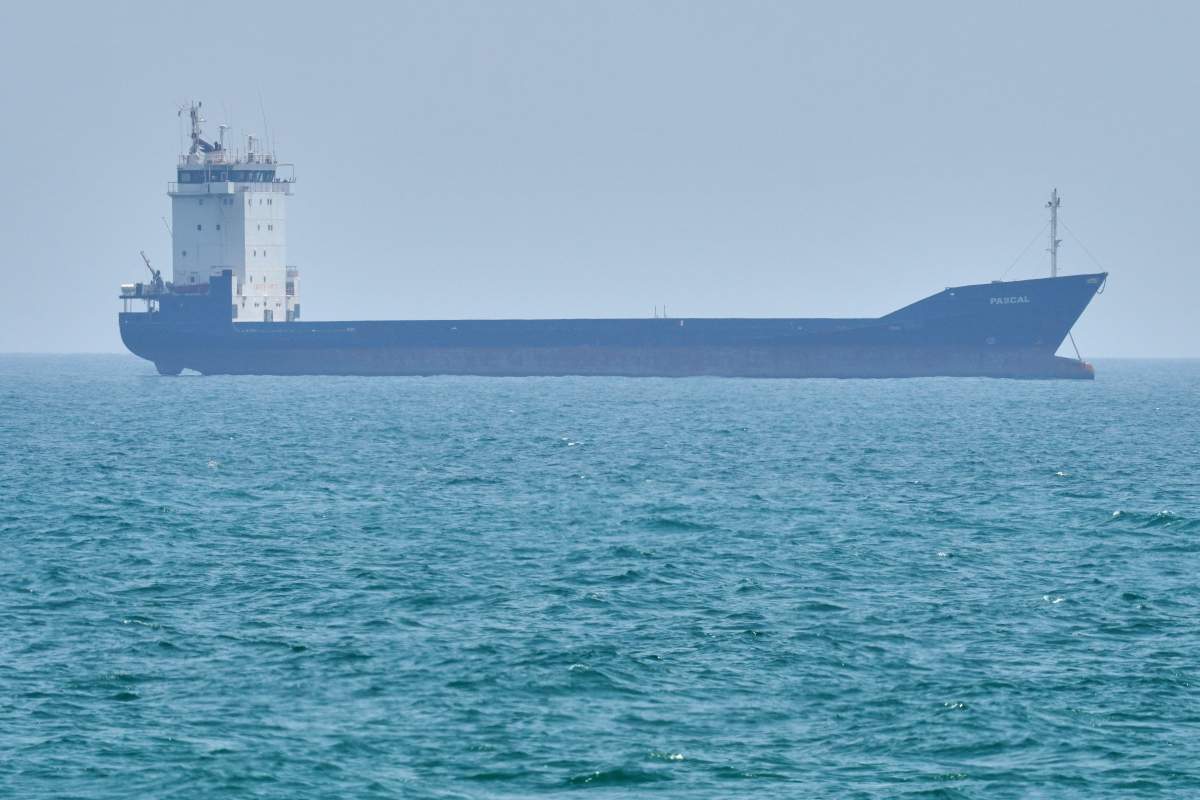
Maritime security experts say the widening geographic scope of operations, from the Strait of Hormuz to the Indian Ocean, suggests a more assertive enforcement posture by the United States, while Iran appears determined to challenge what it views as economic and military pressure.
As tensions persist, diplomatic efforts to de-escalate remain uncertain, leaving the situation highly fluid and increasingly unpredictable for global stakeholders.