Trump says he rejected Iran's overtures for talks after US–Israel strikes: 'Too late'
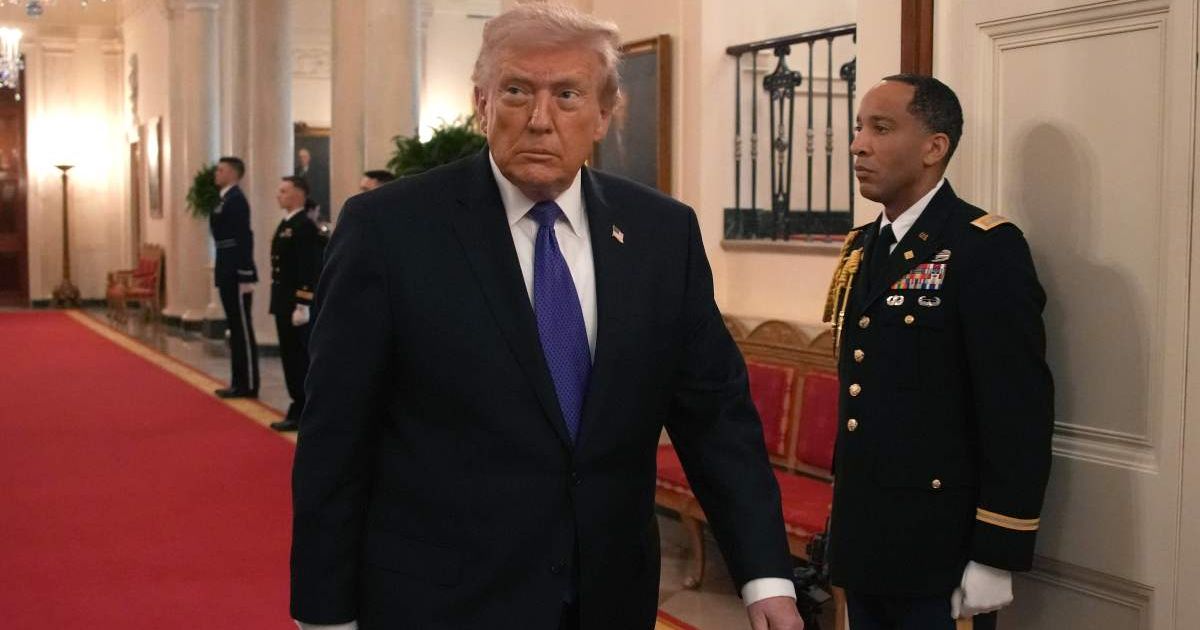
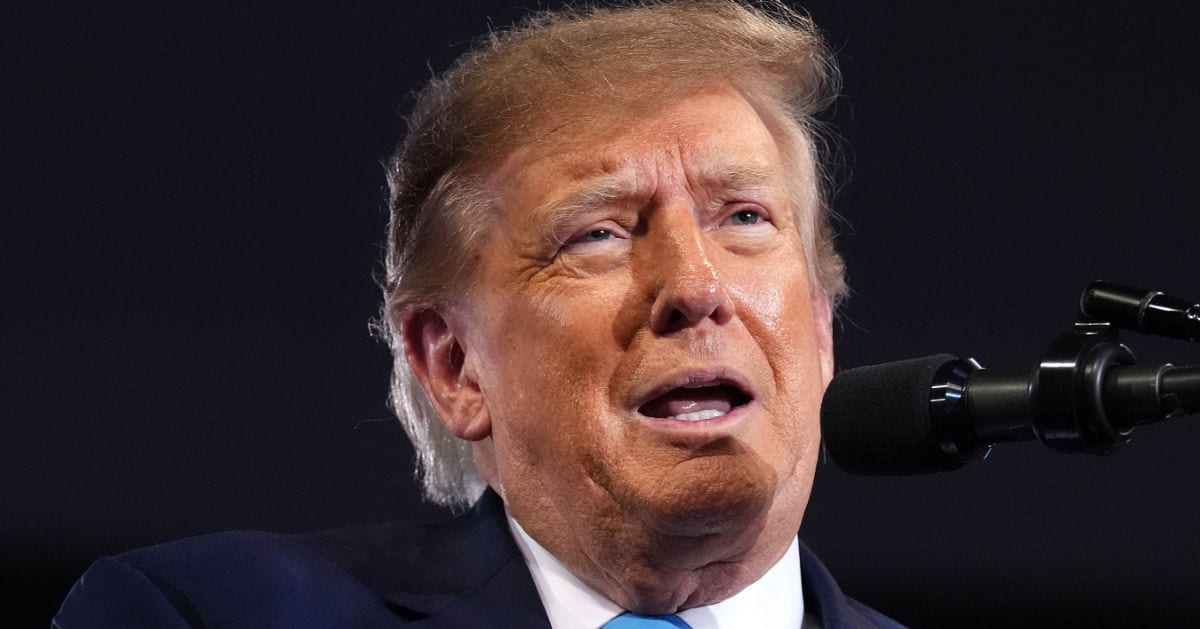
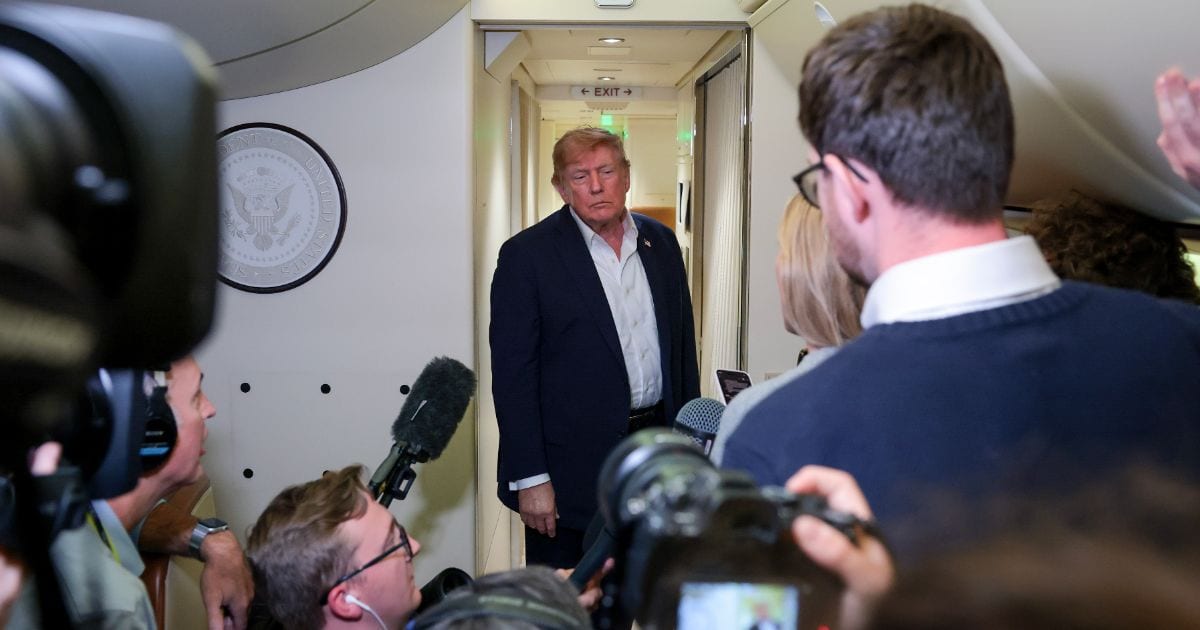
WASHINGTON, DC: President Donald Trump announced on Tuesday, March 3, that he has rejected an offer for dialogue from what remains of Iran’s ruling theocracy, declaring it is now "too late" for talks.
This marks a definitive shift from his position on Sunday, March 1, when he indicated a willingness to speak with interim Iranian leadership following the joint US–Israeli strikes that eliminated Iranian Supreme Leader Ayatollah Ali Khamenei.
The President used his Truth Social platform to confirm the change in posture, asserting that the Iranian regime’s ability to negotiate from a position of strength has been neutralized.
"Their air defense, Air Force, Navy, and Leadership is gone," Trump posted, signaling that the military objectives of the campaign have moved beyond the need for immediate diplomacy.
Trumps makes U-turn from diplomatic openness stand
Only two days ago, President Trump told The Atlantic that he had agreed to speak with Tehran’s new leadership team, which includes President Masoud Pezeshkian and head of the judiciary Gholam-Hossein Mohseni-Eje’i.
During that interview, Trump stated, "They want to talk, and I have agreed to talk".
The President had previously criticized the regime for waiting "too long" to engage in practical negotiations before the launch of Operation Epic Fury.
However, the latest declaration indicates that the window for any such "practical" deal has now closed as the US continues to carry out large-scale combat operations intended to permanently dismantle the regime’s nuclear and missile capabilities.
Decimation of Iranian military infrastructure

The administration’s "too late" stance is grounded in the success of US and Israeli strikes against Iranian high-value targets.
Beyond the death of Khamenei, the military has confirmed the elimination of Ali Shamkhani, leader of the national defense council, and Mohammad Pakpour, head of the Islamic Revolutionary Guard Corps (IRGC).
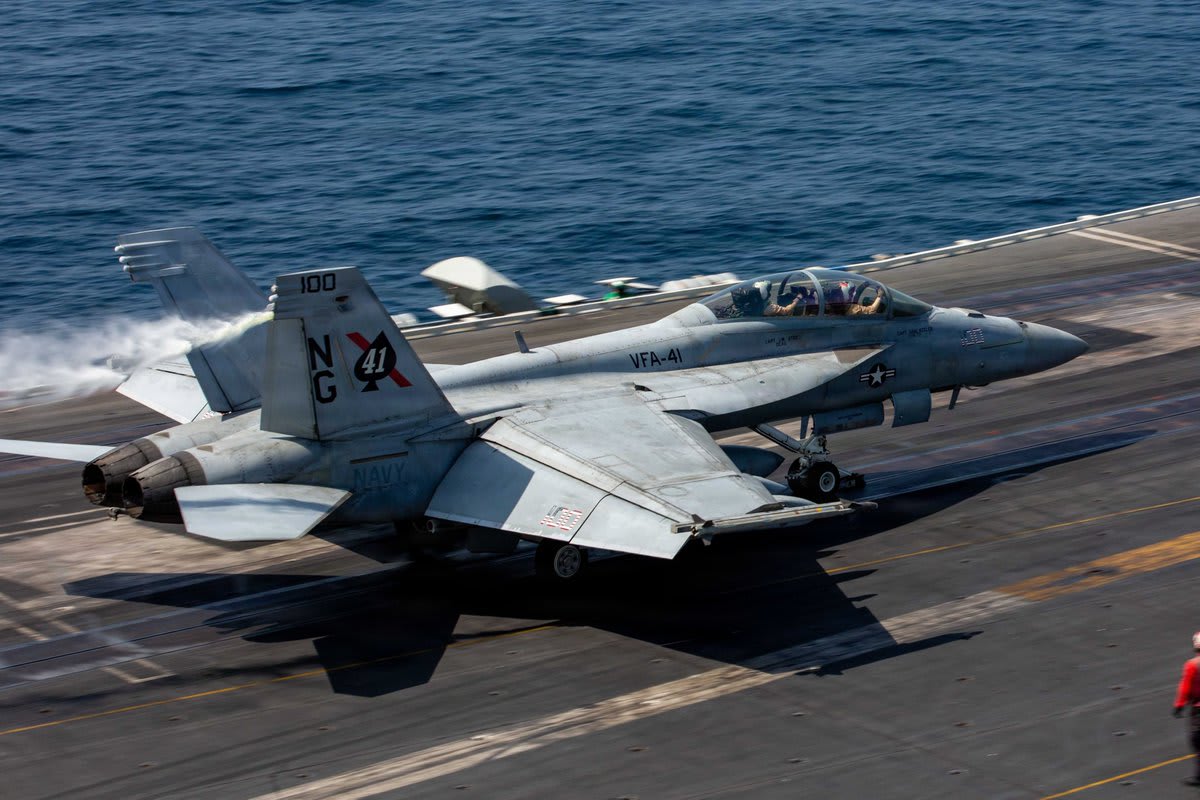
General Dan Caine, Chairman of the Joint Chiefs of Staff, reported that these strikes have secured "local air superiority," allowing the US to protect its personnel while continuing to destroy Iranian missile mounts and naval assets.
Trump’s latest update suggests that the degradation of these defenses, specifically the air force and navy, has progressed to a point where the administration no longer views the regime as a viable partner for talks.
High American and regional costs
The swift change in policy towards Iran has come amid rising casualties on both sides of the conflict.
US Central Command (CENTCOM) has confirmed that four American service members have died in action, with several others sustaining serious injuries or concussions during the ongoing offensive.
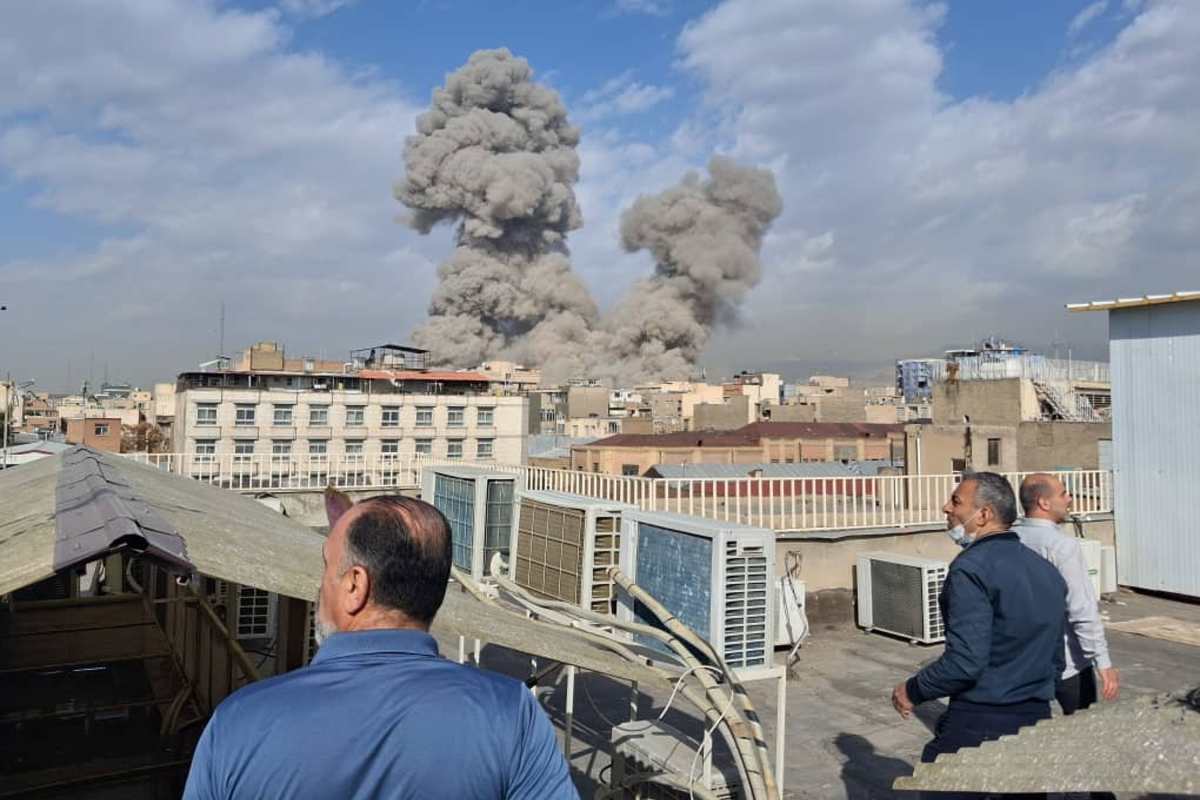
On the ground in Iran, the Red Crescent has reported at least 200 fatalities since the mission began early morning on Saturday, February 28.
Despite the heavy toll and the reported interception of "hundreds of ballistic missiles" targeting US assets, the President has vowed to continue the mission with "unyielding resolve" until the threat from the terrorist regime is crushed.
Congressional dissent over Trump's war powers
While the President maintains a "no abort" order on the battlefield, he faces significant opposition within the halls of Congress.
House Minority Leader Hakeem Jeffries and Representative Ro Khanna have slammed the administration for failing to provide adequate justification for the strikes, characterizing the conflict as an "unnecessary war".
Critics argue that by bypassing Article I of the Constitution, which grants Congress the authority to declare war, the President is acting like a "king".
Lawmakers are currently preparing to force a vote on a War Powers Resolution to restrict further military action, even as the President declares that the regime's leadership is "gone" and the mission is "substantially ahead" of projections.