Trump says there are 'no limits' to his power, then reveals what still worries him
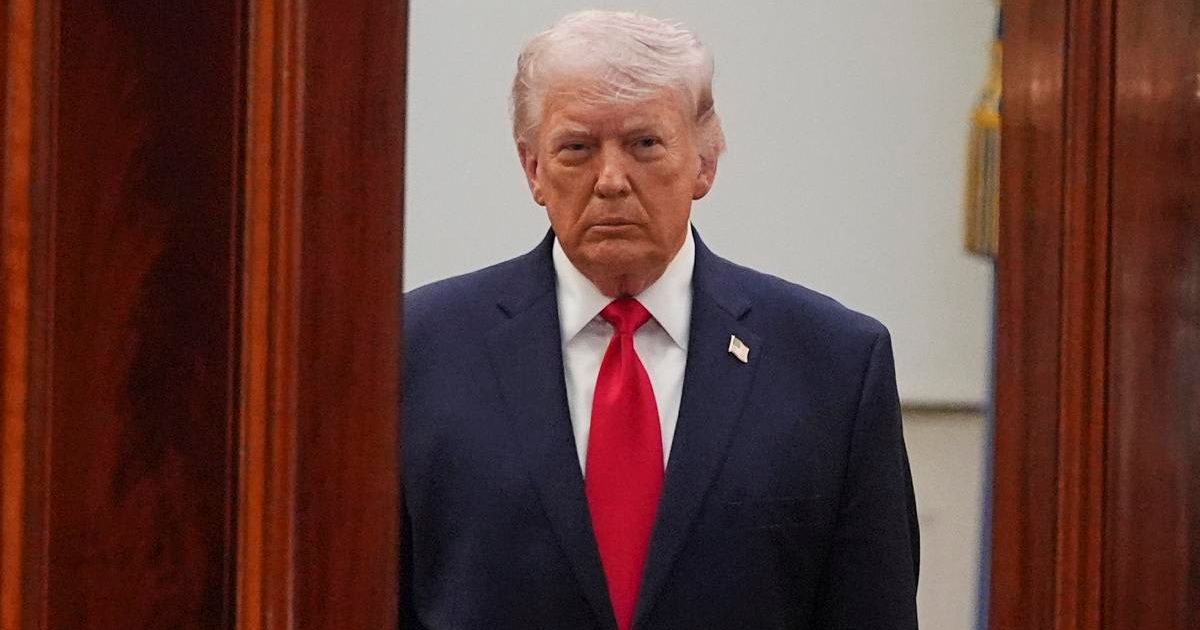
WASHINGTON, DC: President Donald Trump used a wide-ranging interview with Axios, following the US-Iran memorandum of understanding, to project confidence in the power of the presidency, arguing that the conflict had demonstrated American military strength and his administration's ability to shape events.
Yet later in the same conversation, the commander-in-chief pointed to a different consideration behind his decision to pursue a deal with Iran: the potential economic consequences of a prolonged war, stating that a continued conflict could have disrupted oil supplies and triggered wider economic turmoil.
Asked what he'd learned from the war about the limits to his power, Trump tells @MarcACaputo: "There are no limits…I haven't learned that lesson yet. I know there are, but there are no limits.”
— Alex Thompson (@AlexThomp) June 18, 2026
Via the @axios show. pic.twitter.com/F9BBPHOf4a
Trump says Iran conflict demonstrated the reach of presidential power
Throughout the interview, Trump portrayed the Iran conflict as evidence of American military strength and his administration's ability to achieve its objectives.
Reflecting on what he had learned about exercising power during the war, the Republican leader dismissed the notion that the conflict had exposed any meaningful constraints on presidential authority. “There are no limits,” Trump said.
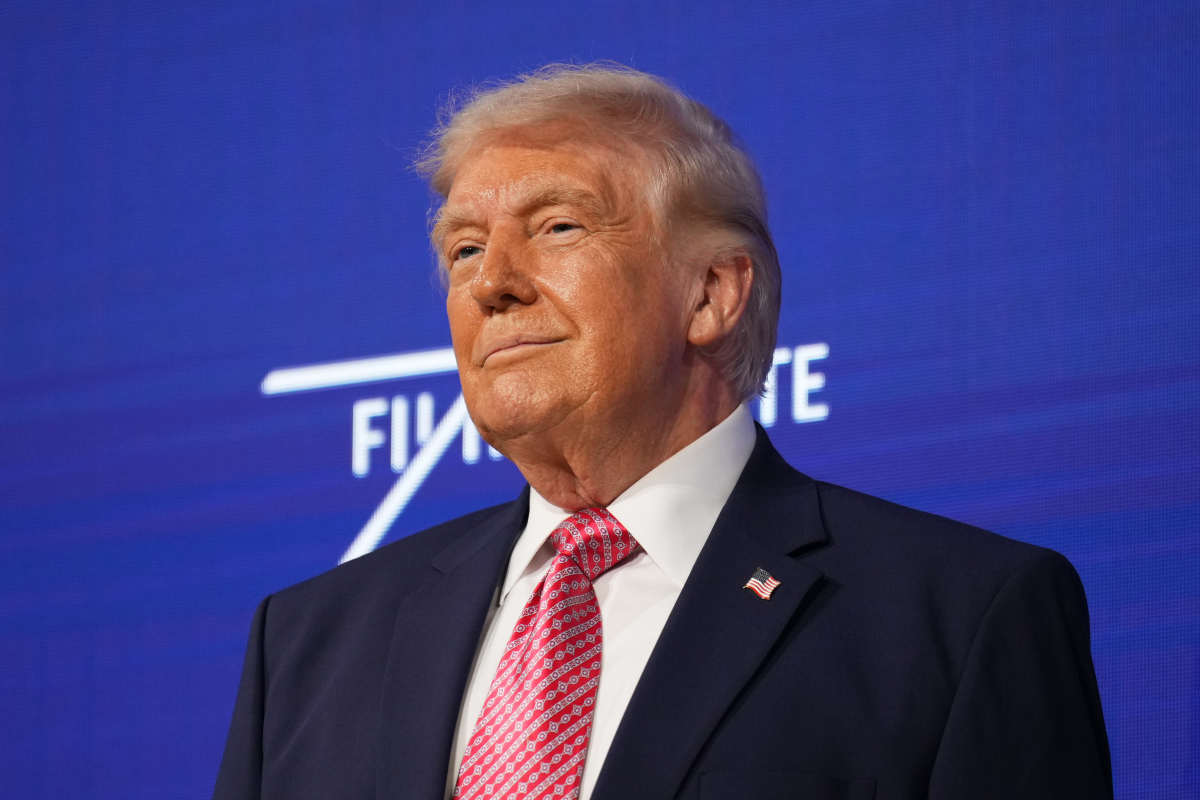
When pressed further, he added, “No, none. I haven’t learned that lesson yet. I know there are. But you know, there are no limits. We defeated them totally militarily.” Trump also defended the memorandum of understanding reached with Iran, arguing that it reflected American leverage following the conflict.
The POTUS also described his current administration as stronger than his first term and argued that the outcome of the conflict demonstrated American military dominance and negotiating leverage. “I feel that it's a very powerful administration right now,” Trump said.
Trump's Herbert Hoover warning offers a different measure of presidential limits
.@POTUS: "The only way I could get tougher is if I go in there for another two or three weeks and continue to bomb the hell out of them, but what does that get us?... As long as you're dropping bombs, the [Strait of Hormuz] is automatically closed." https://t.co/A4rwRsflsG pic.twitter.com/pT3ohR8o0i
— Rapid Response 47 (@RapidResponse47) June 19, 2026
Later in the conversation, Trump explained why he chose to pursue an agreement with Iran rather than extend military operations, pointing not to battlefield considerations but to the potential economic fallout of a prolonged conflict.
He argued that continuing strikes would likely have kept the Strait of Hormuz closed, disrupting oil supplies and putting pressure on global markets. He said, "We wouldn't have oil for months. As long as you're dropping bombs, that thing is automatically closed," referring to the strait.
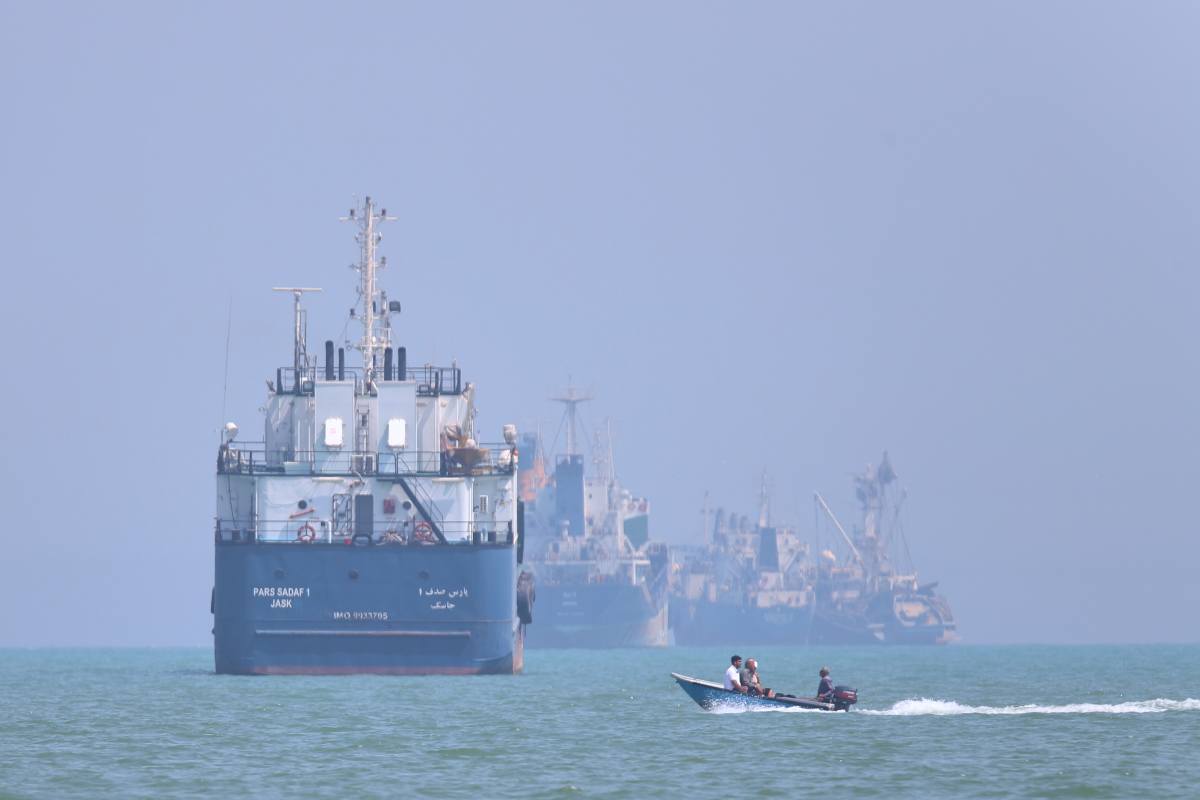
Trump then linked those concerns to a historical example he said he hopes to avoid as president.

"I have one primary wish as president, in terms of people, I never want to be the late, great Herbert Hoover," he said, referring to the former president whose tenure is closely associated with the onset of the Great Depression. According to Trump, a prolonged conflict with Iran could "cause a worldwide depression."
Trump said the agreement offered a way to reopen a critical shipping route, stabilize energy markets, and avoid a broader economic shock while preserving what he described as US gains from the conflict.