Trump's Gaza peace plan comes with a little-noticed $400M question
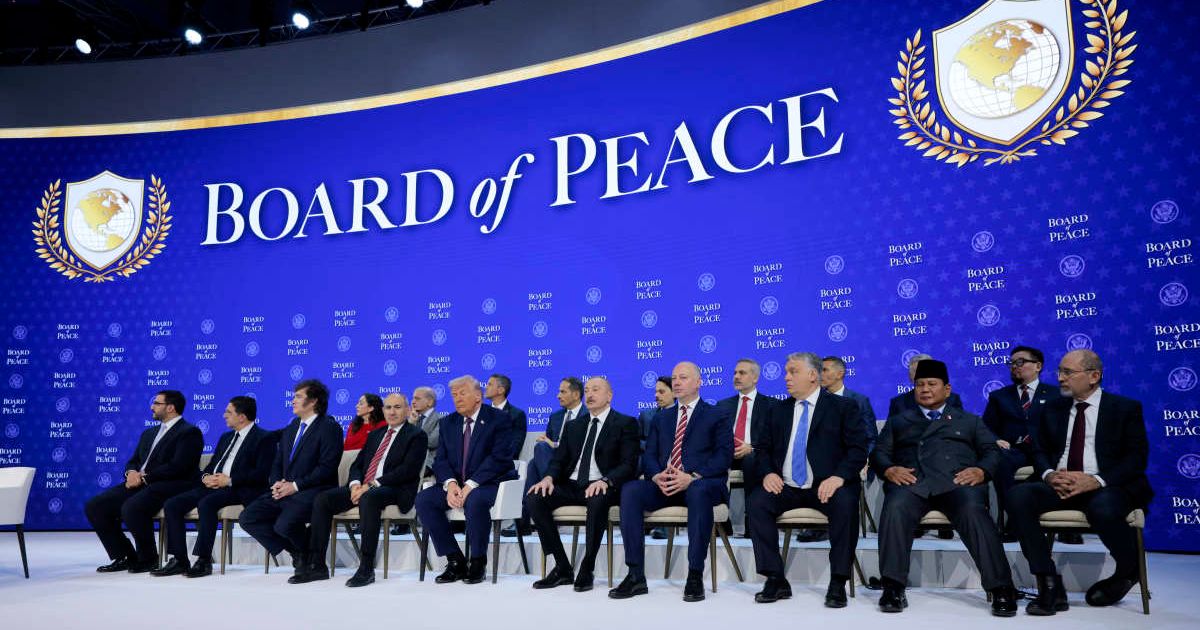
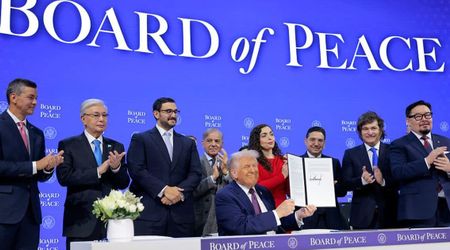
WASHINGTON, DC: President Donald Trump's Board of Peace has released a detailed roadmap for completing his Gaza peace plan, but buried beneath its provisions for Israeli withdrawal and H***s relinquishing control is a potentially consequential financial challenge.
The document says the National Committee for the Administration of Gaza (NCAG) will assess legitimate commitments to suppliers, contractors and other parties totaling up to $400 million, while auditing Gaza's finances and public assets as it assumes civilian authority.
A Roadmap for Completing the Implementation of President Trump’s Comprehensive Peace Plan in Gaza
— Board of Peace (@BoardOfPeace) July 31, 2026
Principles:
1. All parties reaffirm their commitment to President Trump’s Comprehensive Plan to achieve peace in Gaza, which constitutes, together with the UN Security Council…
The provision does not impose a new $400 million bill; rather, it establishes a ceiling for assessing existing obligations that the incoming administration could inherit.
The roadmap comes as H***s has agreed to a broad plan to give up its governing role and weapons under conditions that include an Israeli withdrawal.
New authority inherits financial baggage
The roadmap says NCAG, the Palestinian technocratic body created to administer postwar Gaza, will conduct a comprehensive audit with international support once it fully assumes responsibility.
That review will cover Gaza's financial and administrative affairs and identify, recover and protect damaged or missing public assets and resources.
But one provision stands out: NCAG must also assess legitimate commitments to suppliers, contractors and other parties, up to an aggregate $400 million, and determine how those obligations should be addressed.

That figure should not be confused with reconstruction costs or fresh American funding. It concerns existing commitments whose legitimacy must first be assessed.
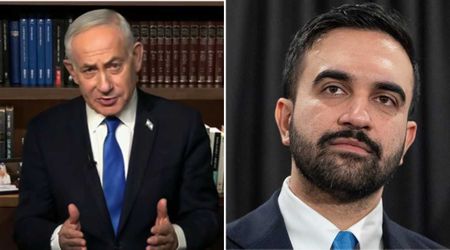
NCAG, led by Palestinian technocrat Ali Sha'ath, was established earlier this year to eventually oversee Gaza's public services, reconstruction and day-to-day administration under the Board of Peace framework.
Palestinian radical group to surrender governing powers

The financial transition is only one piece of a far more ambitious transfer of power.
Under the roadmap, Radical factions would relinquish civilian governance and security functions in Gaza and hand them to NCAG. They would also assist the new administration in carrying out its responsibilities during the transitional period.
H***s has agreed to a broad disarmament framework, according to US officials, although significant disagreements remain over precisely what that entails.
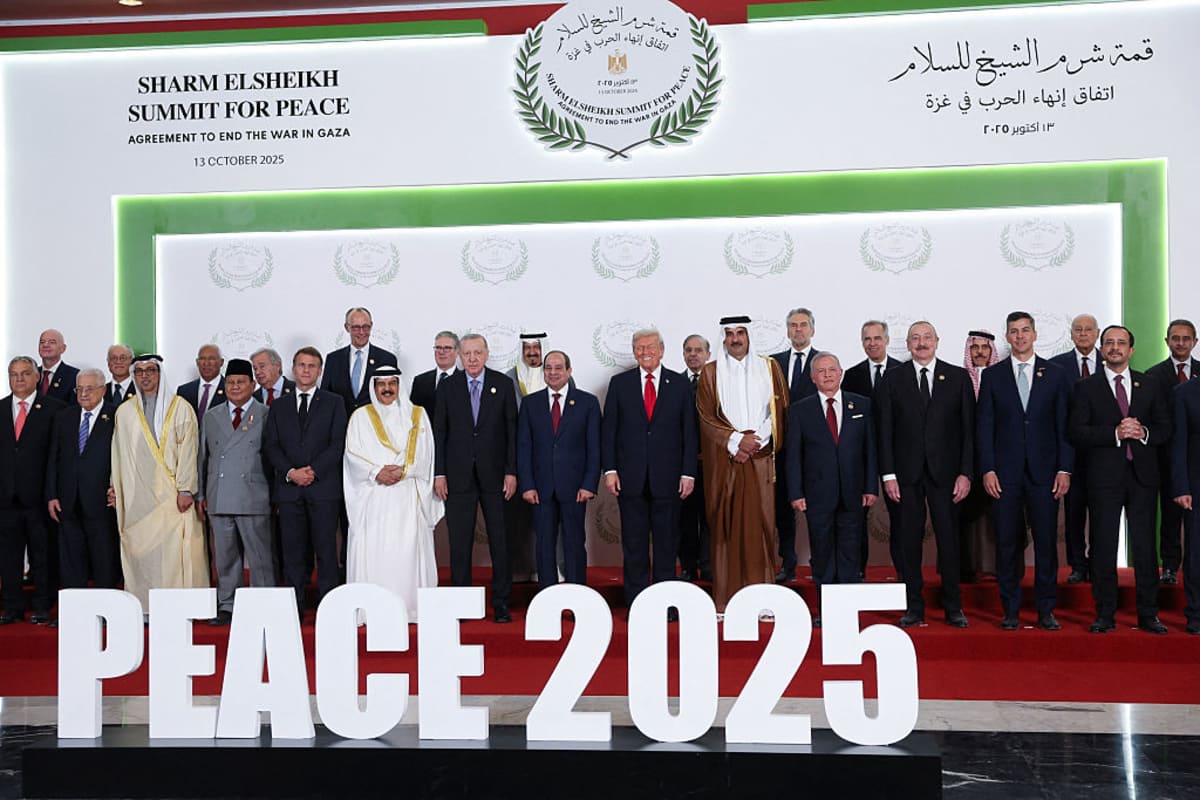
H***s negotiator Ghazi Hamad told the Wall Street Journal that weapons would be placed under NCAG oversight but disputed describing the arrangement as outright surrender of the weapons.
The roadmap also says Gaza's existing civil institutions and public services should continue operating as the transition unfolds.
Israeli withdrawal tied to compliance
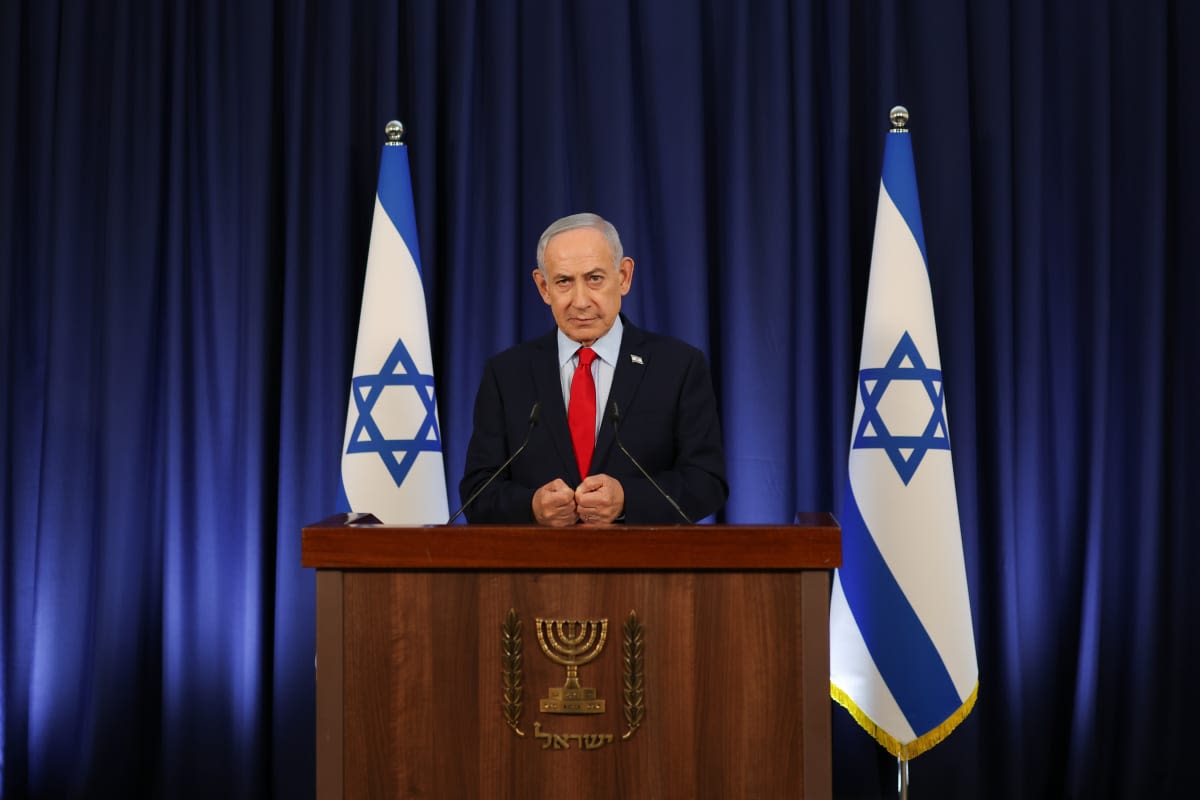
Israel, meanwhile, is expected to complete its remaining commitments under the Sharm Sheikh Protocol, including cessation of military operations.
But the transition is designed to proceed in stages rather than through one sweeping handover.
Progress from one phase to another depends on verified completion of the previous phase, with an International Verification Committee monitoring compliance and violations.
The roadmap says a detailed implementation mechanism for Phase 2 would be prepared within 14 days after all parties approve it.
Once implementation begins, NCAG would enter Gaza and gradually assume responsibilities while Israel completes the administration's demilitarization under the plan.
$400M question meets bigger challenge

The financial provision illustrates what happens after the diplomatic breakthrough: somebody still has to govern Gaza.
The Board of Peace has already outlined reconstruction ambitions stretching far beyond the $400 million in existing commitments. Earlier this year, it discussed infrastructure investments exceeding $30 billion and hundreds of thousands of new homes.
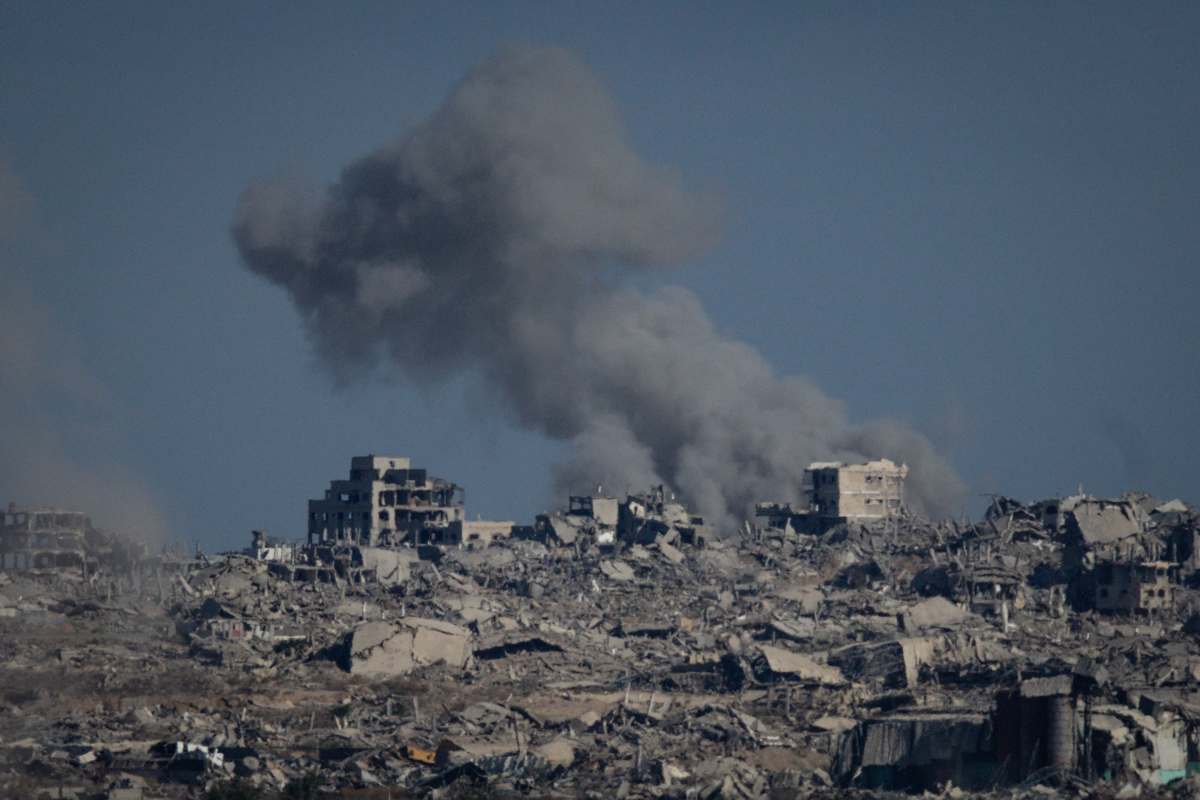
Yet before those projects can transform Gaza, NCAG would inherit a territory devastated by war while simultaneously reconstructing its bureaucracy, auditing its finances and determining which previous financial obligations remain legitimate.
That makes the overlooked $400 million clause important.