US economy misses expectations in Q2 as tariffs, Iran war weigh on growth
WASHINGTON, DC: The US economy expanded at a slower-than-expected pace in the second quarter as tariffs, a wider trade deficit and the prolonged conflict with Iran weighed on overall growth, according to new government data released on Thursday, July 30.
The Commerce Department's Bureau of Economic Analysis estimated that gross domestic product (GDP) grew at an annualized rate of 1.5% between April and June, below economists' expectations of 2.1%. The economy had grown at a 2.1% pace in the first quarter.

Consumer spending remains resilient
Despite geopolitical uncertainty and higher fuel prices, consumer spending accelerated sharply during the quarter, rising 3.2% after growing just 0.5% in the first three months of the year.
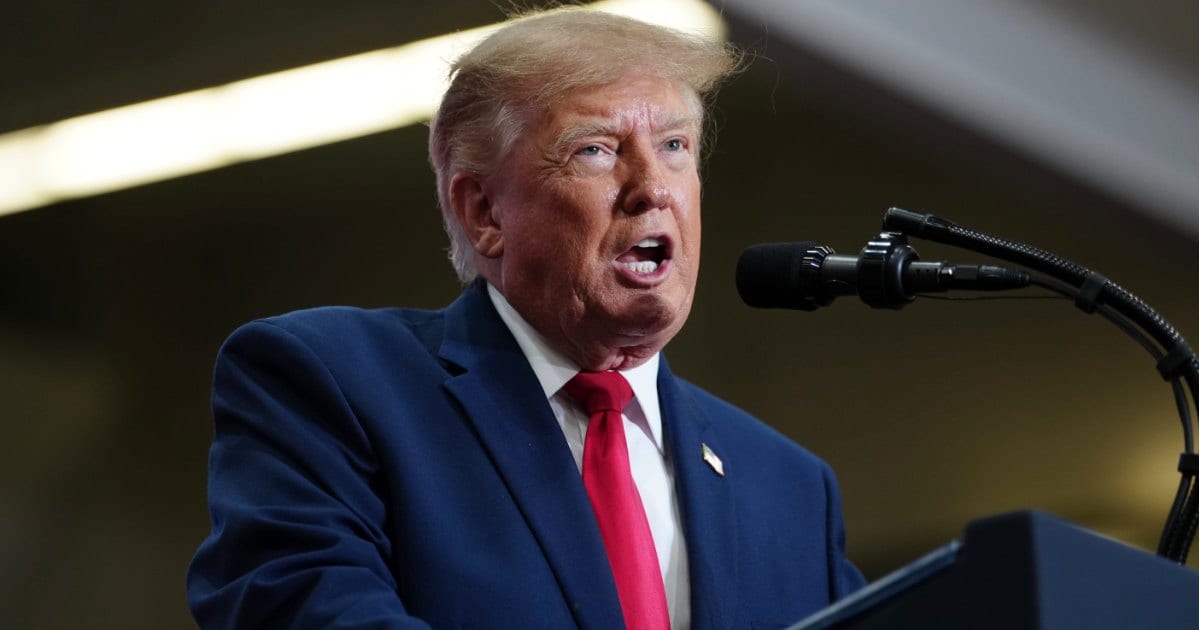
Economists attributed the stronger spending to larger tax refunds under President Donald Trump's "One Big Beautiful Bill," rising household wealth fueled by strong financial markets, and increased spending linked to the recently concluded FIFA World Cup and midterm election-related activities.
AI investment offsets trade weakness
Business investment remained a bright spot, with companies continuing to spend heavily on equipment supporting artificial intelligence infrastructure.
The ongoing AI investment boom helped offset weakness caused by a widening trade deficit and reinforced signs that domestic demand remains relatively healthy despite broader economic headwinds.

Iran conflict clouds outlook
Economists warned that the six-month-old US-Iran conflict could increasingly weigh on the economy in the second half of the year.
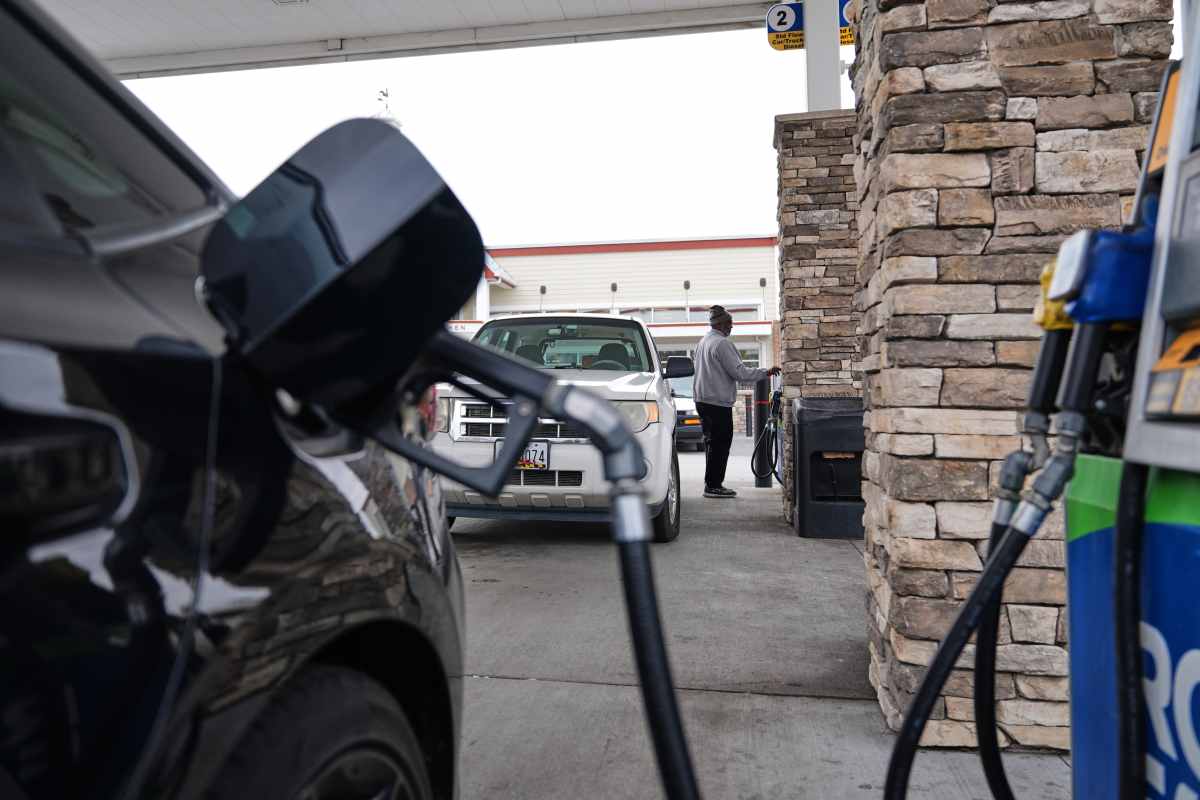
The war has pushed average US gasoline prices above $4 per gallon, adding pressure on household budgets. With wage growth struggling to keep pace with inflation, many Americans have relied on savings to sustain spending—a trend analysts say is unlikely to last.
The Federal Reserve left its benchmark interest rate unchanged at 3.50% to 3.75% this week, though three policymakers favored a quarter-point increase.
The central bank said the economy continues to expand at a solid pace despite heightened uncertainty, partly stemming from the Middle East conflict. Many economists still expect the Fed to raise rates as early as September to contain inflation.