US envoy Steve Witkoff meets Zelenskyy and EU leaders in Berlin for Ukraine peace talks
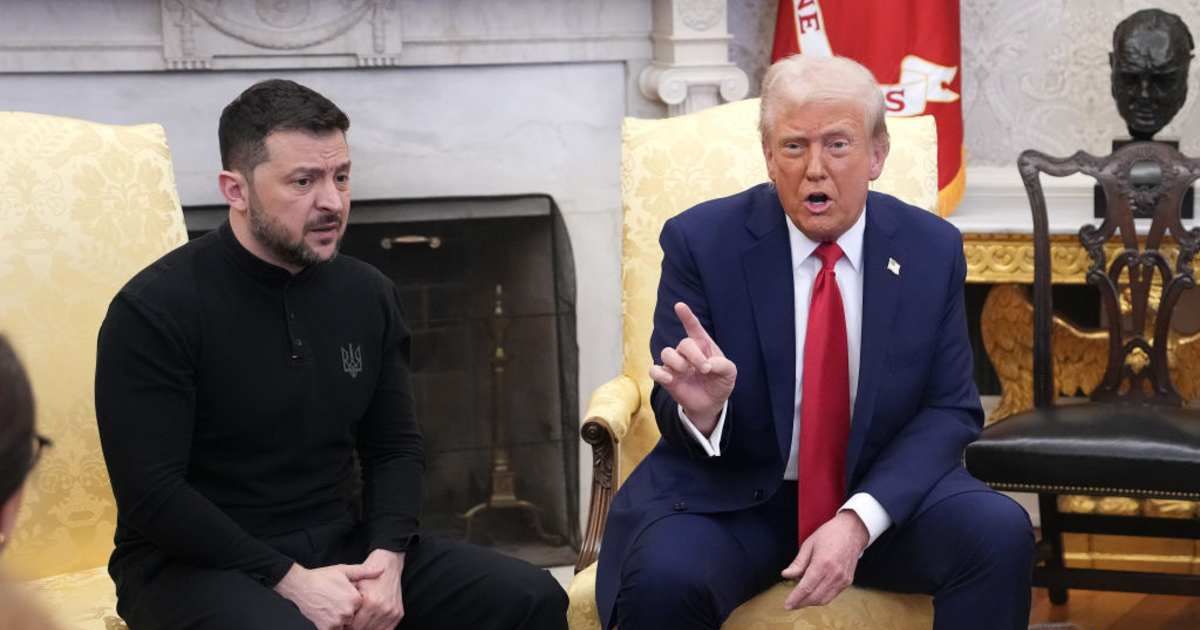
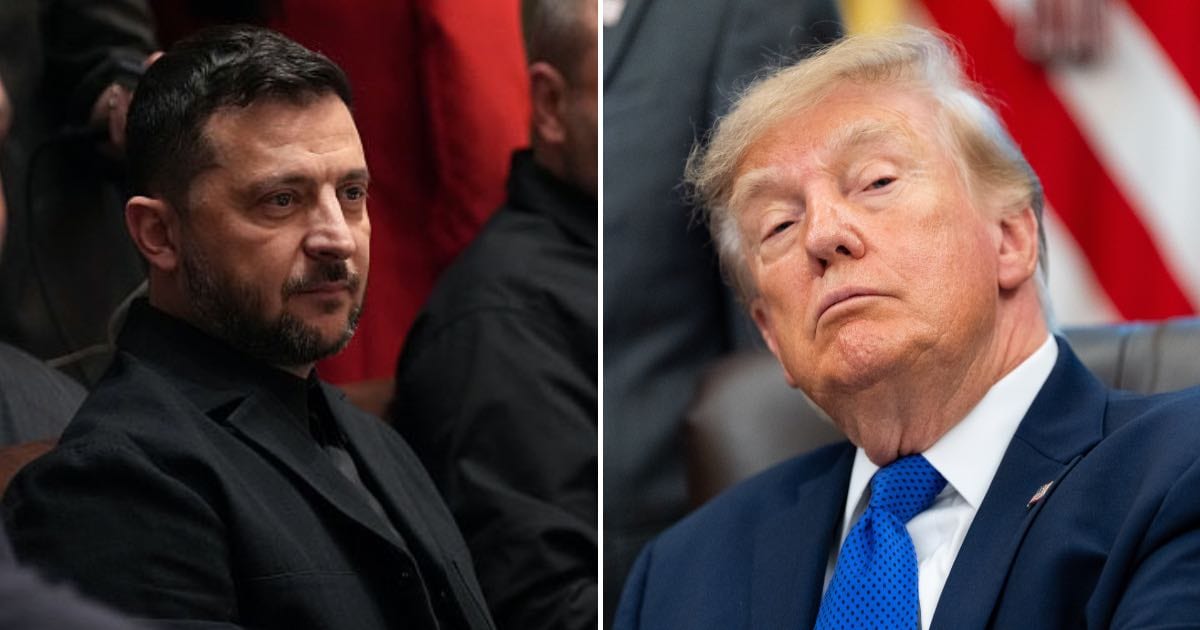
WASHINGTON, DC: US special envoy Steve Witkoff is traveling to Berlin for meetings with Ukrainian President Volodymyr Zelenskyy and senior European leaders as the Trump administration intensifies efforts to broker an end to the war in Ukraine.
NBC News reported on Saturday, December 13, quoting a senior White House official. Witkoff has been leading diplomatic engagement with both Kyiv and Moscow since President Donald Trump returned to office in January.
Despite a flurry of high-level contacts, negotiations have so far failed to yield a breakthrough, with sharp disagreements persisting over the terms of a potential peace plan.
Trump, who has publicly urged negotiators to reach an agreement by Christmas, has signaled growing frustration with the lack of progress.

Europe weighs guarantees as US pressure mounts
European leaders have been focused on how to support Ukraine in the event of a ceasefire or peace deal, including discussions on long-term security guarantees and financial assistance.
However, many of Washington’s closest allies remain wary of conceding to Russia’s hard-line demands, even as US pressure to finalize a deal intensifies.
Glory to Ukraine 🇺🇦🇺🇦🇺🇦
— Volodymyr Zelenskyy / Володимир Зеленський (@ZelenskyyUa) December 12, 2025
____
Слава Україні 🇺🇦🇺🇦🇺🇦 pic.twitter.com/PdqPFJCsYS
Zelenskyy said Ukraine submitted a 20-point proposal to the United States this week, intended to counterbalance a 28-point US-backed framework that Kyiv believes initially tilted too far in Moscow’s favor.
Ukraine’s submission includes separate documents addressing security guarantees to prevent renewed Russian aggression, as well as plans for rebuilding cities devastated by the war.
Territorial concessions remain a core dispute
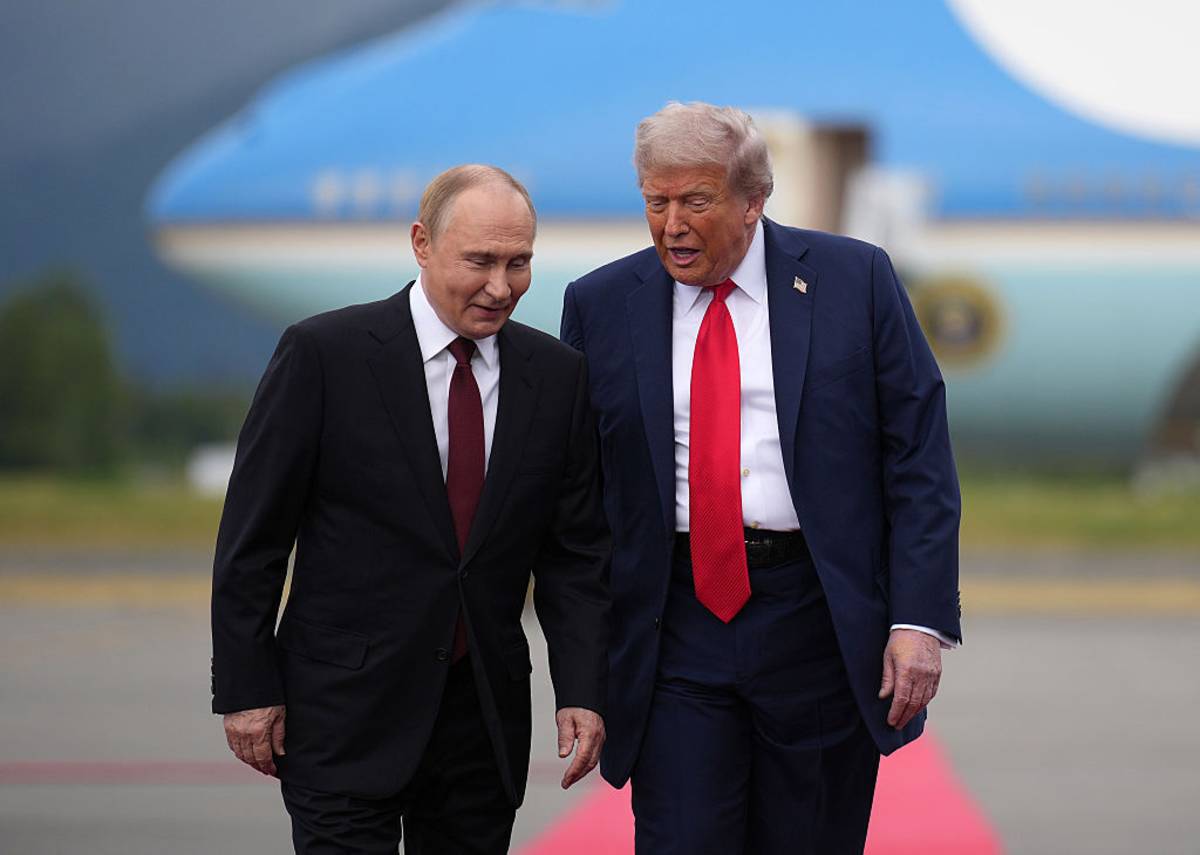
The question of territorial concessions continues to be the most contentious issue in negotiations. Russian President Vladimir Putin reiterated last week that Moscow aimed to seize eastern Ukraine “by force” unless its demands are met.
Zelenskyy said there was still no shared understanding on land issues and insisted that Ukrainians should have the final say on any territorial concessions through a national referendum.
Speaking later in Kyiv, Zelenskyy revealed that US-led talks have explored proposals involving eastern Ukraine’s Donbas region and the Russian-occupied Zaporizhzhia nuclear power plant.
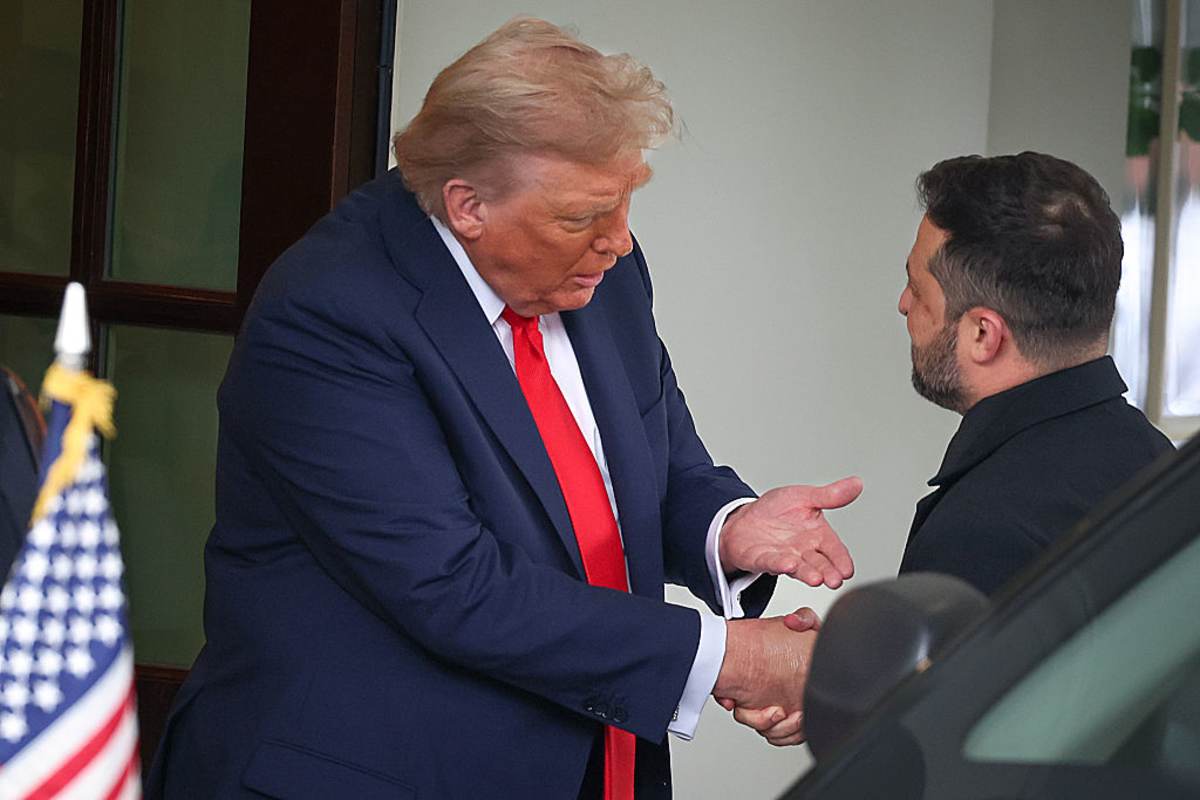
One idea floated by US negotiators would designate parts of Donbas under Ukrainian control as a “free economic zone.”
Under the proposal, Ukrainian forces would withdraw from parts of Donetsk, while Russia would refrain from advancing into areas it does not currently occupy.
Zelenskyy said governance of such a zone remained unclear, with Russia referring to it as a “demilitarized zone.”
“They see it as Ukrainian troops withdrawing from the Donetsk region,” Zelenskyy said, adding that Kyiv firmly opposed Russia’s demand to absorb the entire Donbas.
Russia allegedly presses attacks as diplomacy continues
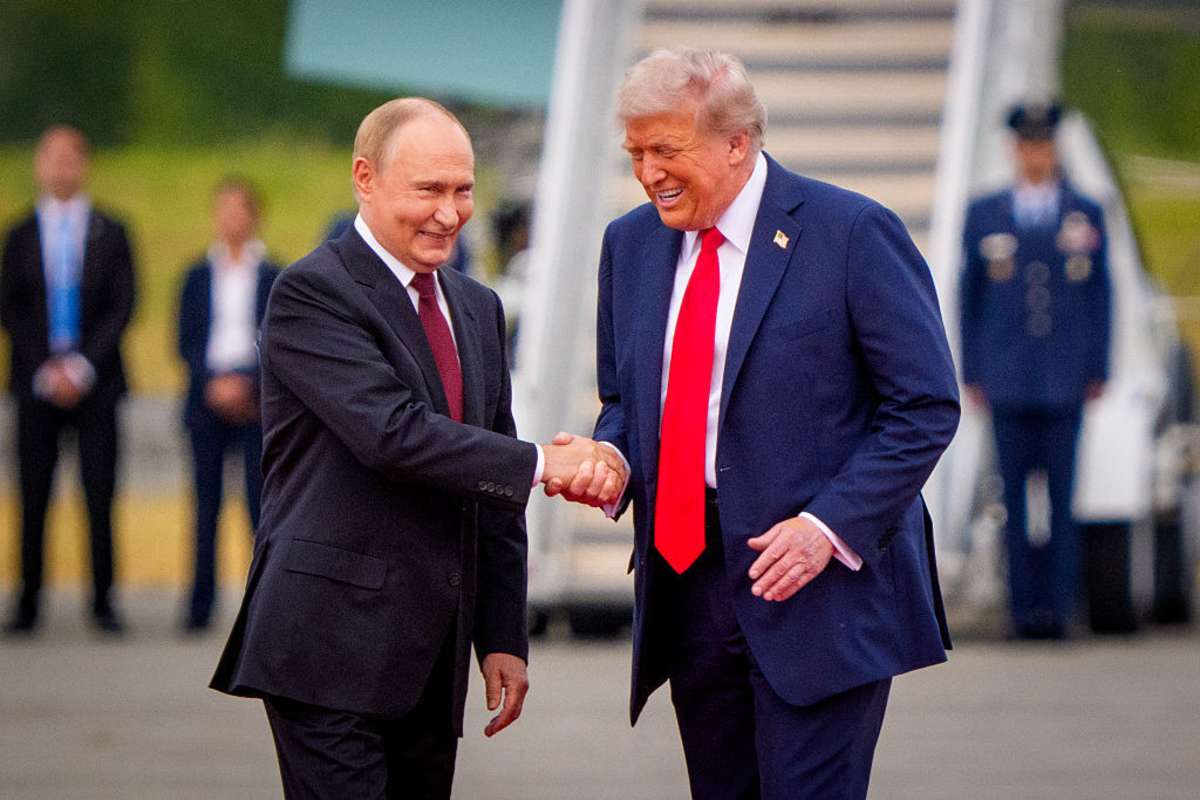
Even as talks continue, Russia has intensified its military campaign. Ukraine’s southern port city of Odesa and surrounding areas reportedly experienced widespread blackouts on Saturday following a major overnight strike on the country’s power grid.
Ukraine’s Zaporizhzhia nuclear power plant also temporarily lost all offsite power for the 12th time, according to the International Atomic Energy Agency.
All necessary services are currently working to restore electricity and water supply in our communities affected by Russia’s overnight attack. Once again, the main strike targeted our energy sector, the south of the country, and the Odesa region.
— Volodymyr Zelenskyy / Володимир Зеленський (@ZelenskyyUa) December 13, 2025
Two people have been wounded in… pic.twitter.com/F6ZhEMsEHy
IAEA Director General Rafael Mariano Grossi described the incident as another stark reminder of the risks posed by ongoing hostilities.
Zelenskyy condemned the attacks, saying Russia’s actions demonstrated that it has no genuine interest in ending the war. “They still aim to destroy our state and inflict maximum pain on our people,” he wrote on X.
EU freezes Russian assets in show of resolve
Witkoff’s Berlin visit comes as the European Union agreed on Friday to indefinitely freeze €210 billion ($246 billion) in Russian assets held in Europe.
The move is seen as a step toward potentially using those funds to support Ukraine’s military and civilian budgets in 2026 and 2027.
The agreement includes assurances aimed at addressing Belgium’s concerns about legal retaliation from Russia, which has denounced the asset freeze as theft. Much of the frozen money is held in a Belgium-based financial services firm, Euroclear.