US turns back 78 ships amid Hormuz blockade, Central Command says
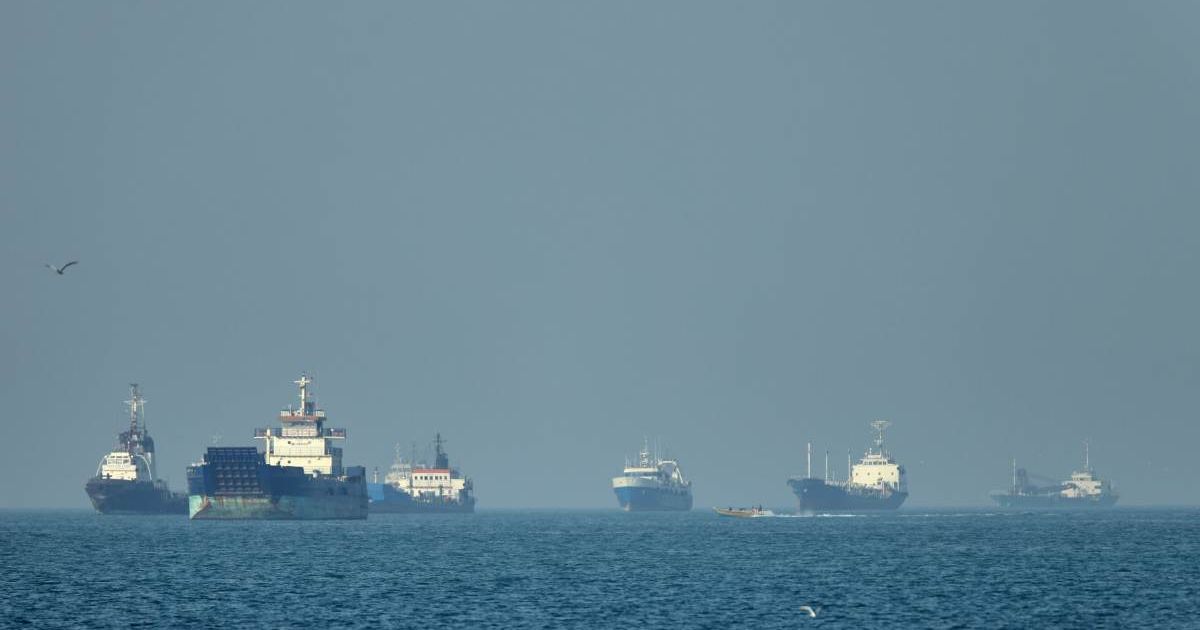
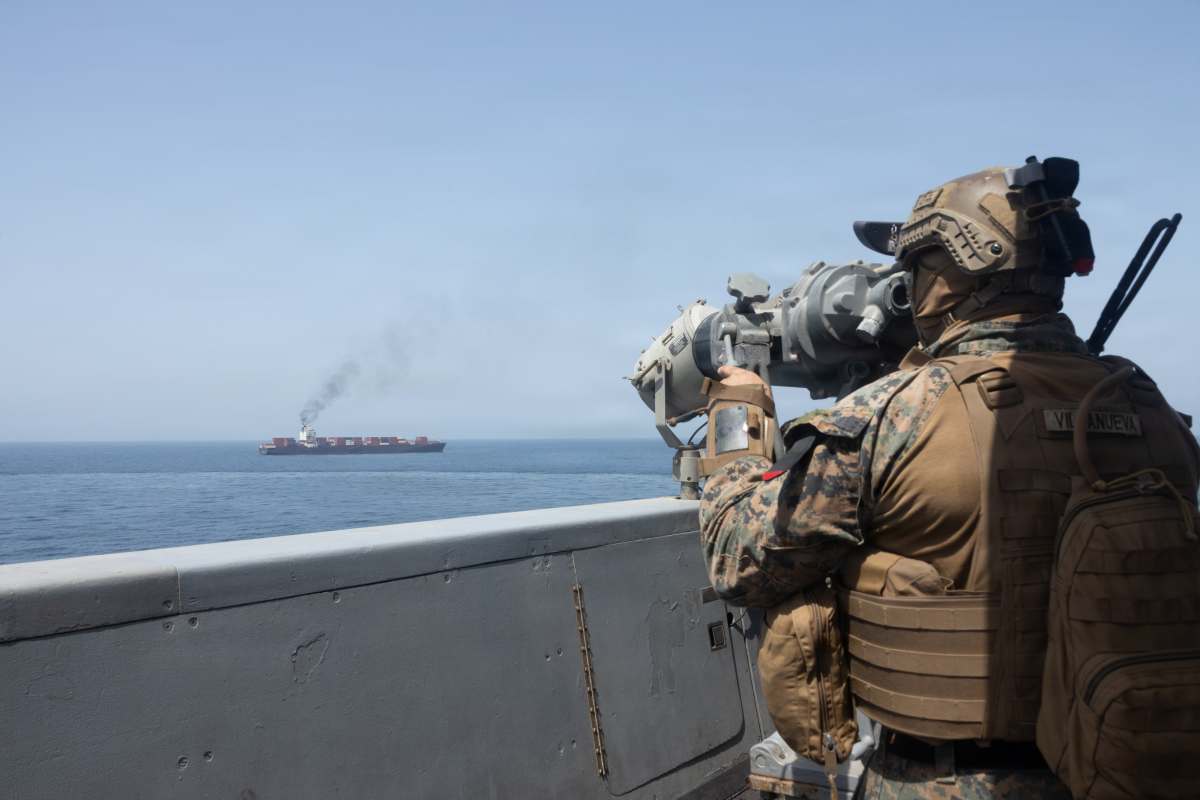
WASHINGTON, DC: The United States has now turned back 78 ships attempting to enter or leave Iranian ports under its ongoing blockade around the Strait of Hormuz, the US Central Command said on Saturday, May 16.
The latest figures mark an increase from Friday’s tally of 75 redirected vessels, indicating that three additional ships were stopped over the past 24 hours since the blockade began on April 13.
The maritime blockade has emerged as one of the biggest obstacles in negotiations between the United States and Iran over securing a long-term ceasefire in the region.
President Donald Trump has maintained that the blockade will remain in force as leverage for future talks, while Iran has condemned the move as a direct violation of the ceasefire understandings.
The Strait of Hormuz remains one of the world’s most strategically vital shipping lanes, carrying a significant share of global oil exports.
Ceasefire talks remain fragile
The blockade has further strained already fragile diplomatic efforts between Washington and Tehran.
Iranian officials have repeatedly argued that restricting commercial shipping linked to Iranian ports undermines confidence-building measures necessary for broader negotiations.
The standoff has intensified fears of wider regional instability, particularly as military tensions continue to flare in Lebanon and along Israel’s northern border.
Israel launches fresh strikes in southern Lebanon
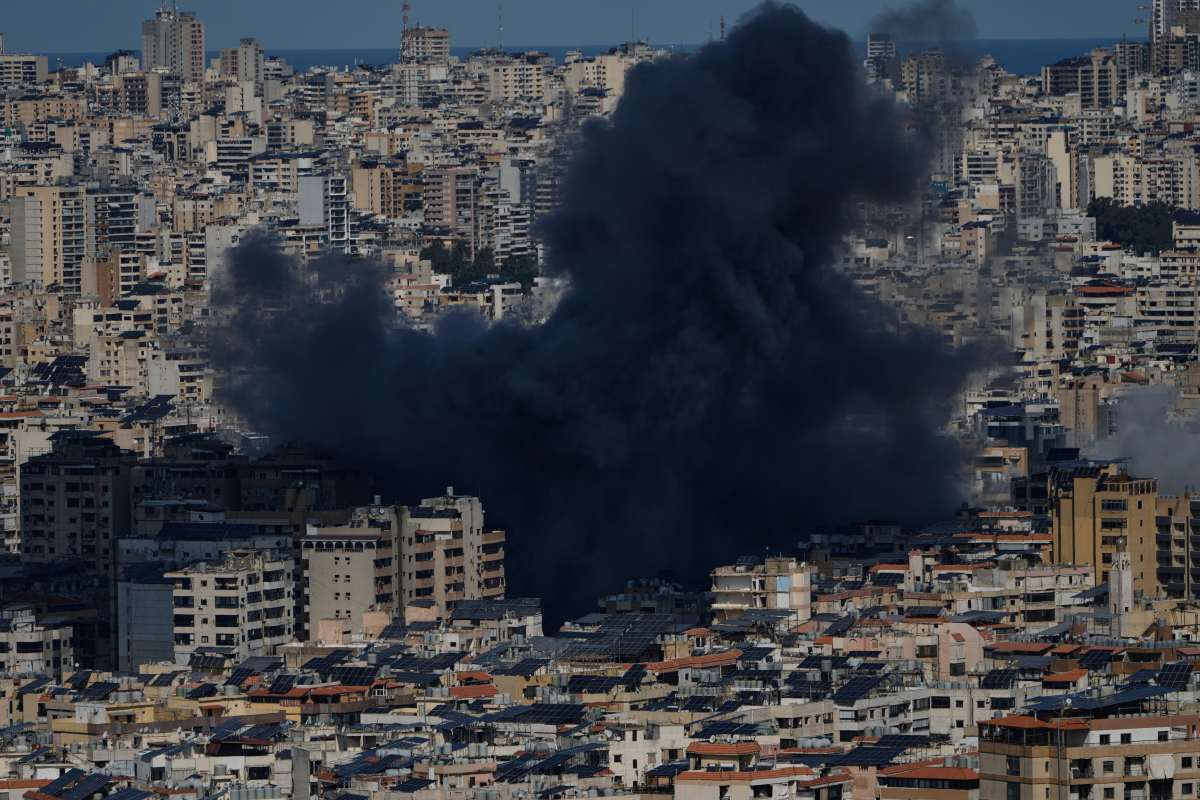
Amid the maritime tensions, Israel carried out a new wave of airstrikes against Hezbollah positions in southern Lebanon on Saturday.
“The IDF has begun striking Hezbollah infrastructure sites in several areas in southern Lebanon,” the Israeli military said in a statement.
Lebanon’s state-run National News Agency reported strikes targeting at least five villages in the south. The attacks reportedly triggered an exodus of civilians toward the southern city of Sidon and the capital, Beirut.
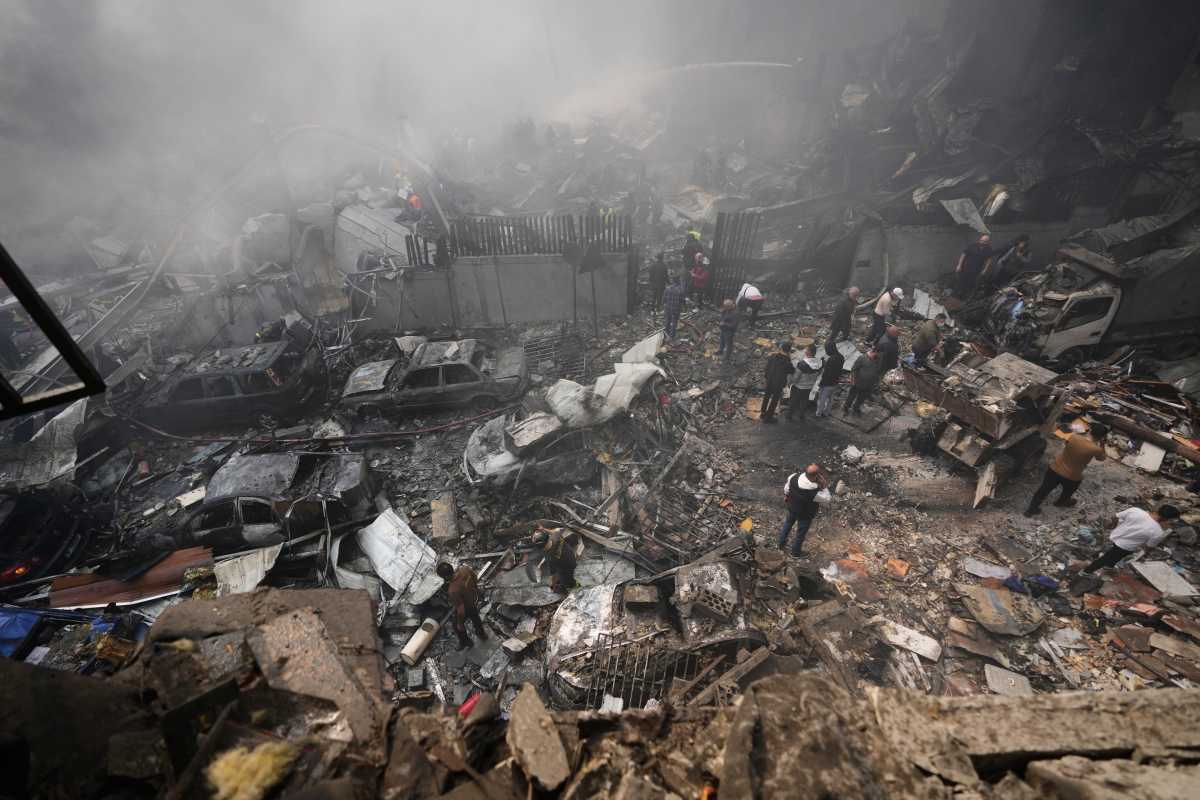
Earlier in the day, the Israeli military had warned residents in nine villages across the Sidon and Nabatieh regions to evacuate ahead of the strikes.
The latest escalation comes just a day after Israel and Lebanon agreed to extend a truce following negotiations held in Washington.
The talks followed the first direct negotiations between the two countries in decades, despite the absence of formal diplomatic relations between them.
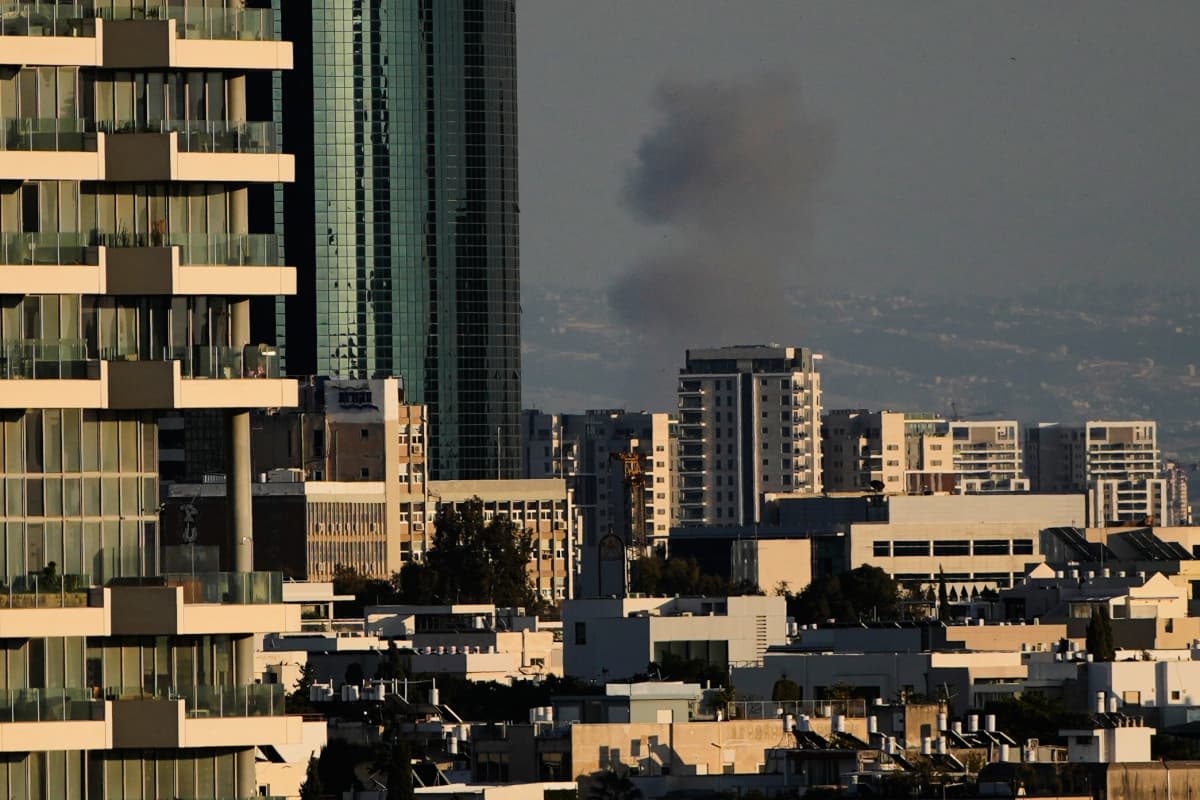
However, the ceasefire has remained fragile, with Iran-backed Hezbollah continuing to claim attacks on northern Israel and Israeli military positions in southern Lebanon since the truce took effect on April 17.
Israel has accused Hezbollah of exploiting the ceasefire to regroup militarily near the border, while Hezbollah has denounced Israel’s continued military presence in parts of southern Lebanon.