Vance defends Trump’s ‘I love inflation’ remark, saying he meant prices will drop after Iran war
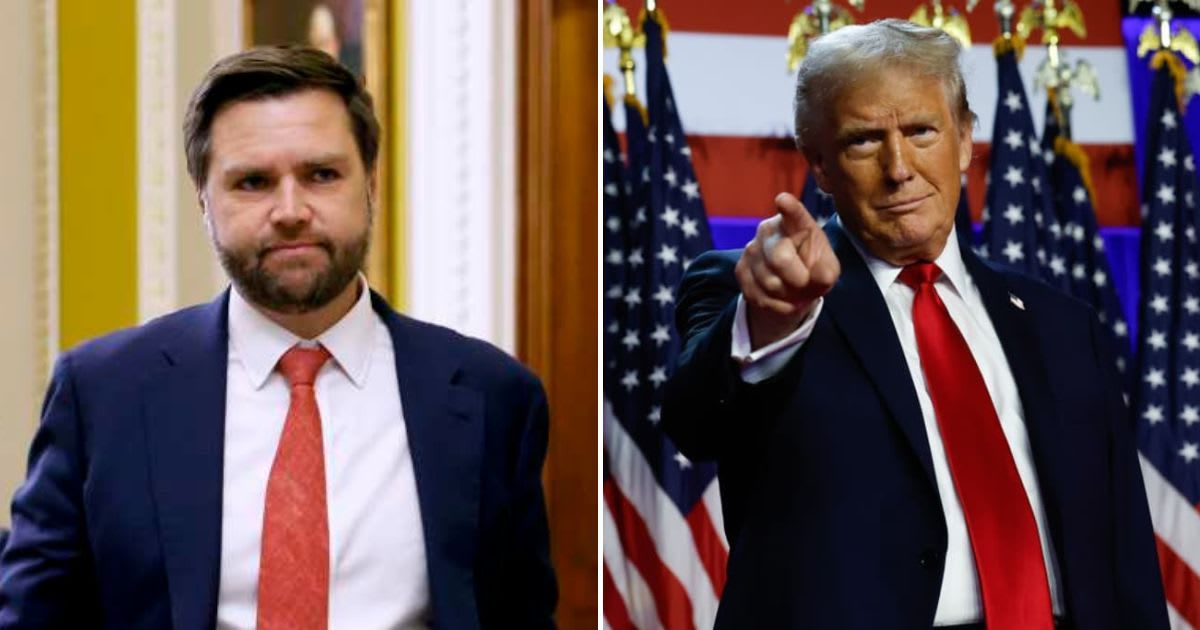
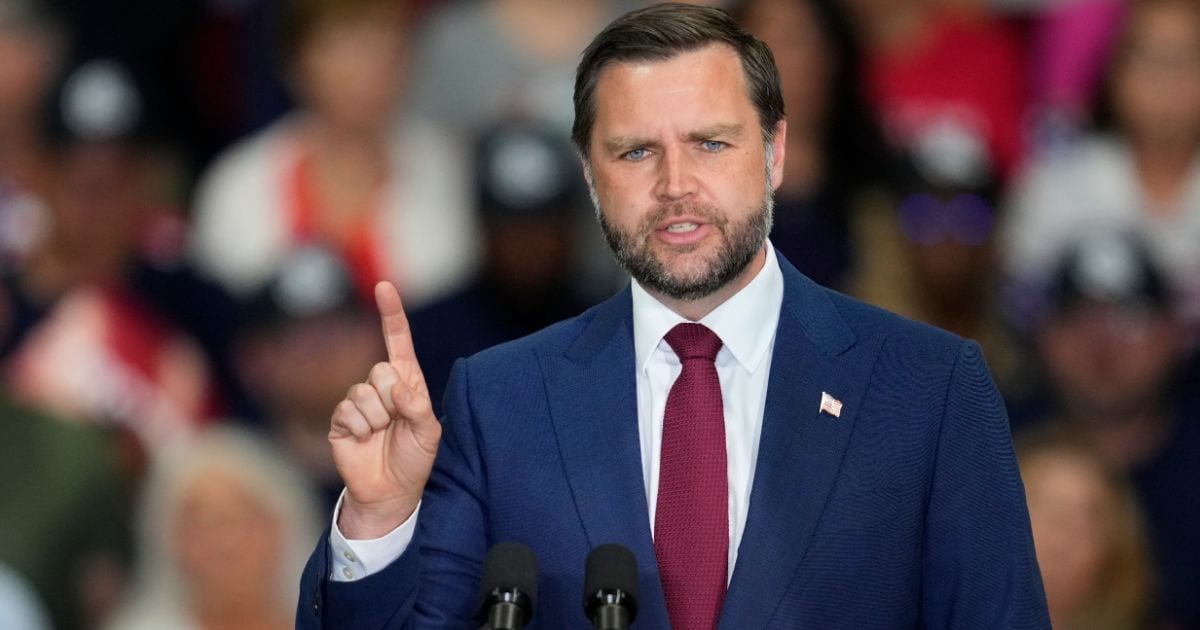
WASHINGTON, DC: Vice President JD Vance defended President Donald Trump's recent remark that he "loves inflation," arguing that the president was referring to his expectation that prices would fall once the conflict with Iran ends.
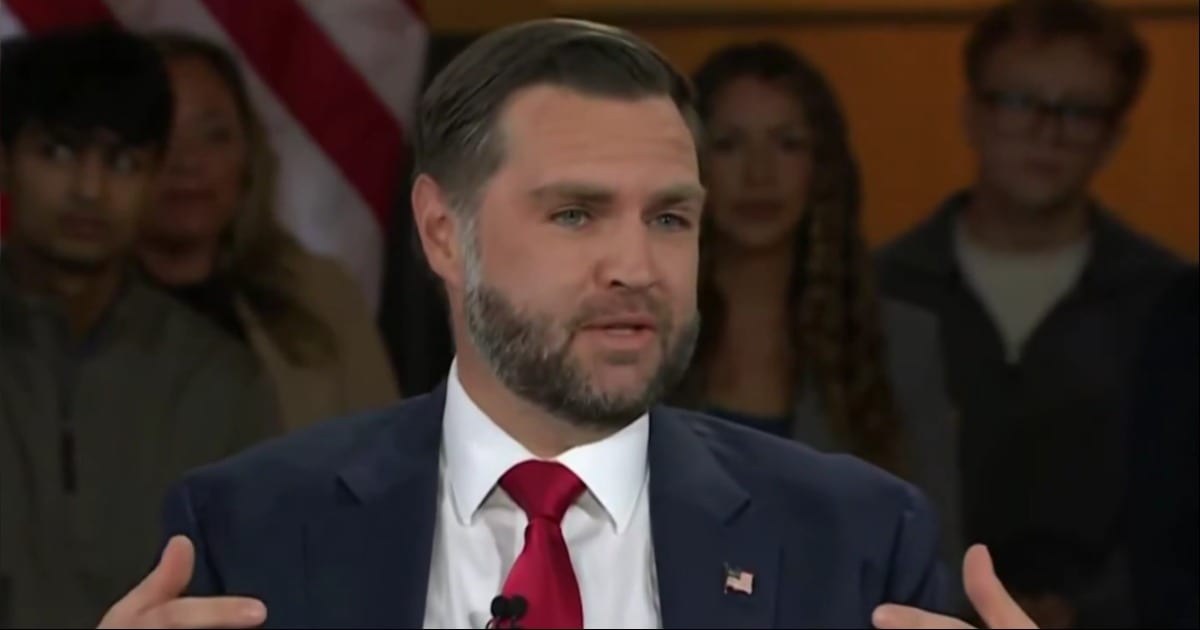
Appearing on ‘The View’, Vance said Trump was responding to questions about inflation and the cost of living and was expressing optimism that economic pressures would ease after the war.
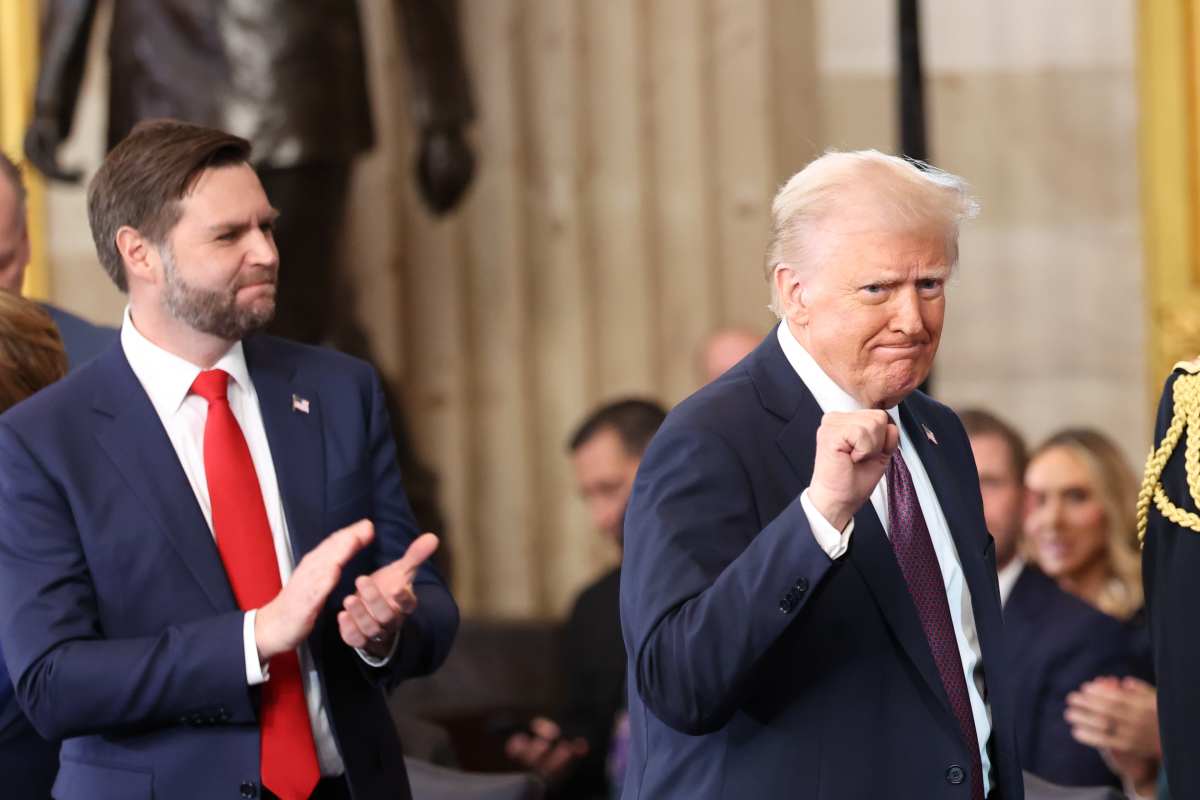
Exchange turns contentious on live television
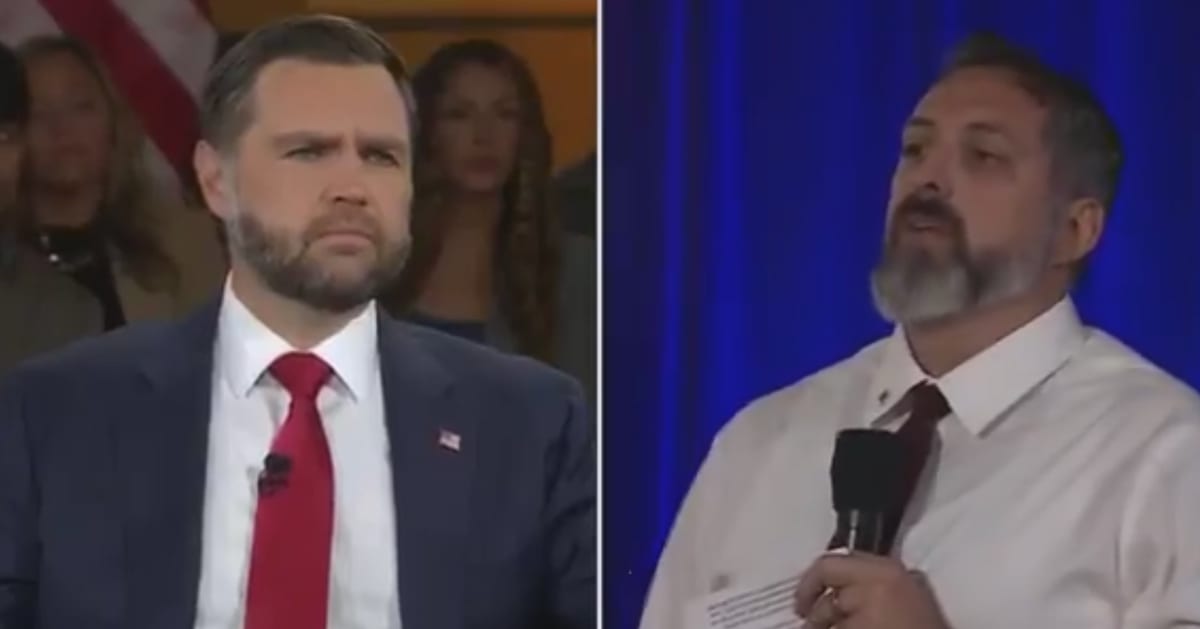
The discussion became heated when co-host Joy Behar challenged Vance's interpretation of Trump's remarks.
"That's not what he said," Behar responded. "Are you his interpreter, or are you his vice president?"
Vance maintained that Trump's comments were being misunderstood and insisted the president was focused on future improvements in inflation rather than celebrating rising prices.
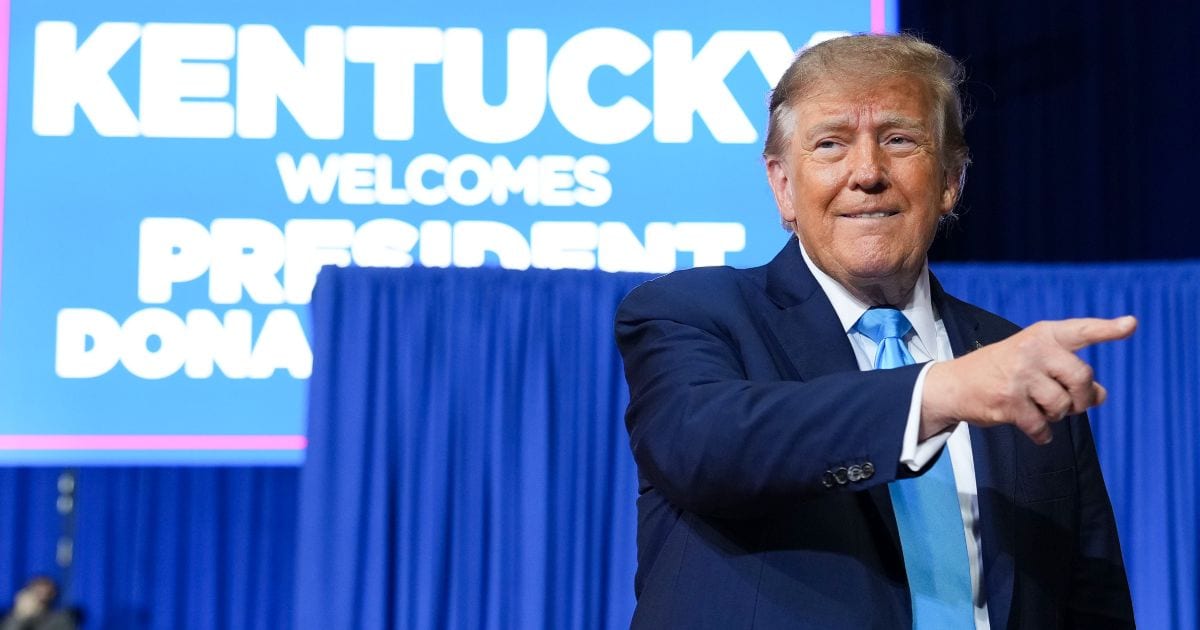
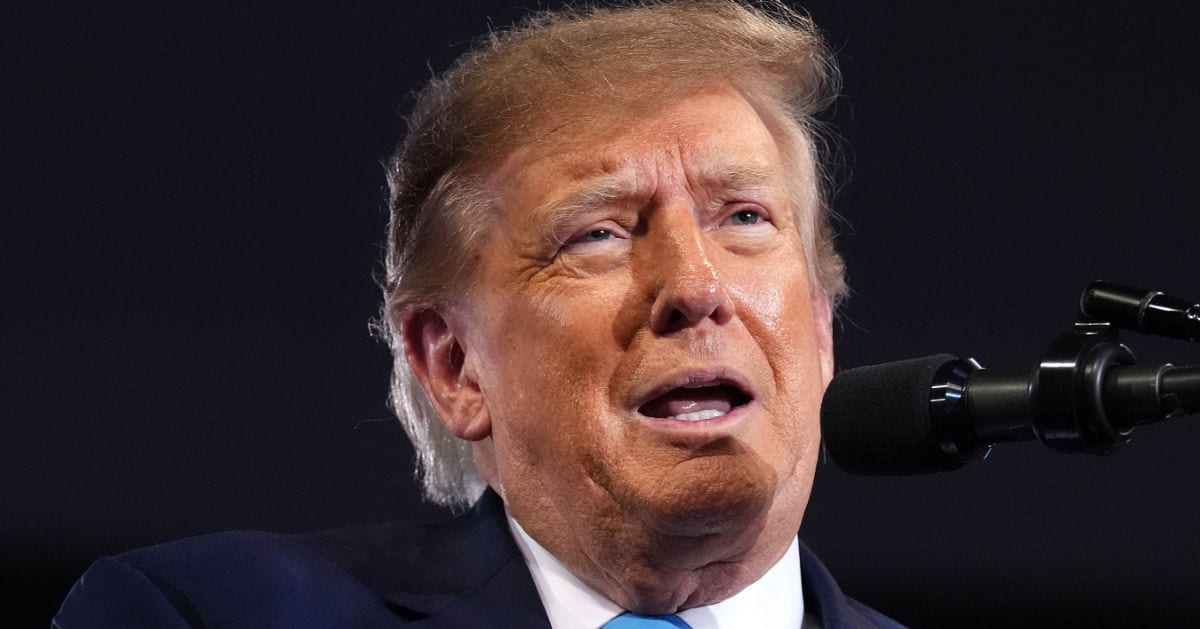
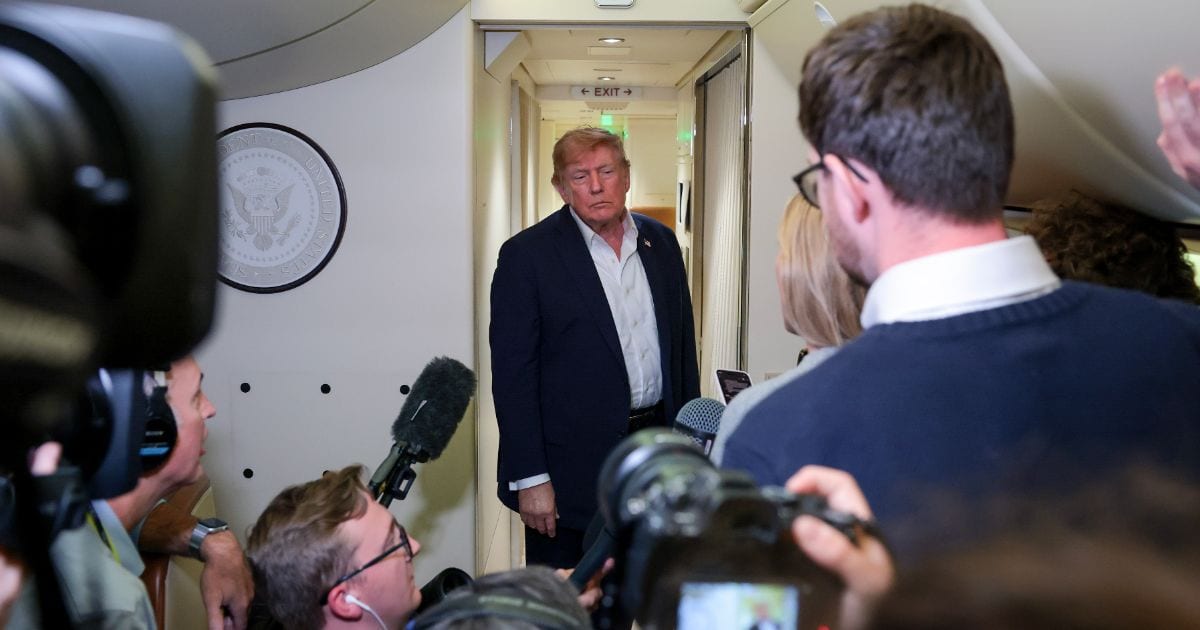
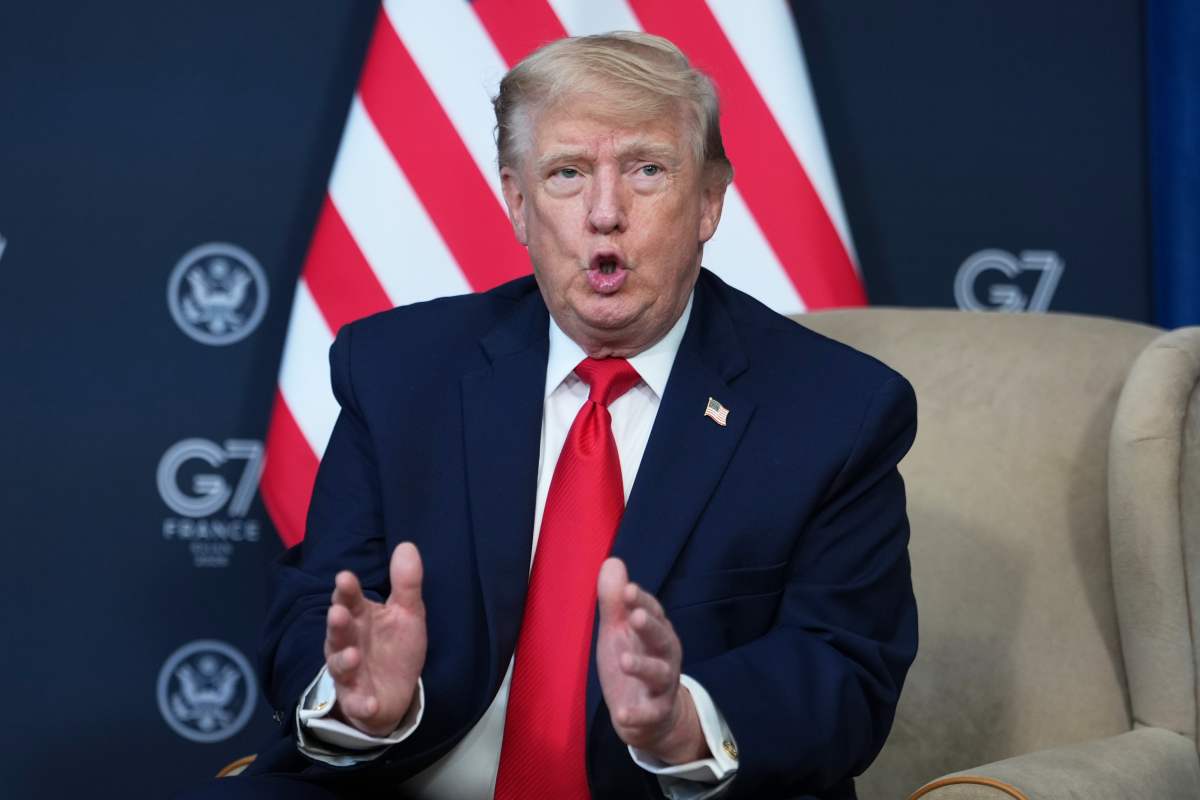
Last week, Trump told reporters, "I love the inflation. No, I love it, the numbers were great."
When questioned again, the president linked inflation trends to the conflict in the Middle East, saying, "When the war is over? It's coming down. It's going to come down like a rock."
Trump has repeatedly argued that inflation and gasoline prices will decline rapidly once hostilities involving Iran come to an end.
Inflation remains a challenge for administration
Despite defending the president, Vance acknowledged that many Americans continue to struggle with rising costs.
He said affordability remains a real concern and admitted that gasoline prices are currently "way too high."
The vice president argued, however, that new investments and manufacturing projects promoted by the administration would strengthen the economy over time and eventually ease financial pressures on households.
The controversy comes as inflation remains a major political issue. Recent data showed consumer prices rising 4.2% in May, marking the highest inflation rate in three years.
The debate comes at a time when inflation and household affordability remain among the most important concerns for American voters. While the administration argues that geopolitical stability could help ease pressure on energy markets and consumer prices, critics contend that inflation is being driven by broader economic factors.
Trump's comments quickly drew attention across social media and political circles, prompting questions about how the White House views recent inflation data.
Vance's defense reflects the administration's broader effort to reassure voters that economic conditions will improve over time, even as many families continue to grapple with higher costs for fuel, food and everyday necessities.