White House says sign language interpreters interfere with Trump’s image control amid lawsuit
WASHINGTON, DC: The Trump administration is facing a lawsuit over its decision to stop providing live sign language interpreters at White House events, arguing that requiring them would interfere with the president’s ability to control his public image.
According to disability advocates, the move denies deaf and hard-of-hearing Americans access to government information.
Trump admin defends ending sign language services
According to the administration, requiring real-time American Sign Language interpretation of events like White House press briefings “would severely intrude on the President’s prerogative to control the image he presents to the public.”
Department of Justice attorneys have not explained how providing sign language interpreters would affect the image Trump wants to project. However, rolling back policies on diversity, equality, and inclusion has become a hallmark of his second administration, starting with his very first week back in the White House.
The National Association for the Deaf sued the Trump administration in May, arguing that the cessation of American Sign Language interpretation, which the Biden administration had used regularly, represented “denying hundreds of thousands of deaf Americans meaningful access to the White House’s real-time communications on various issues of national and international import.”
Previously, the group sued during Trump’s first term, demanding ASL interpretation for Covid-19 briefings.
Justice Department's legal argument
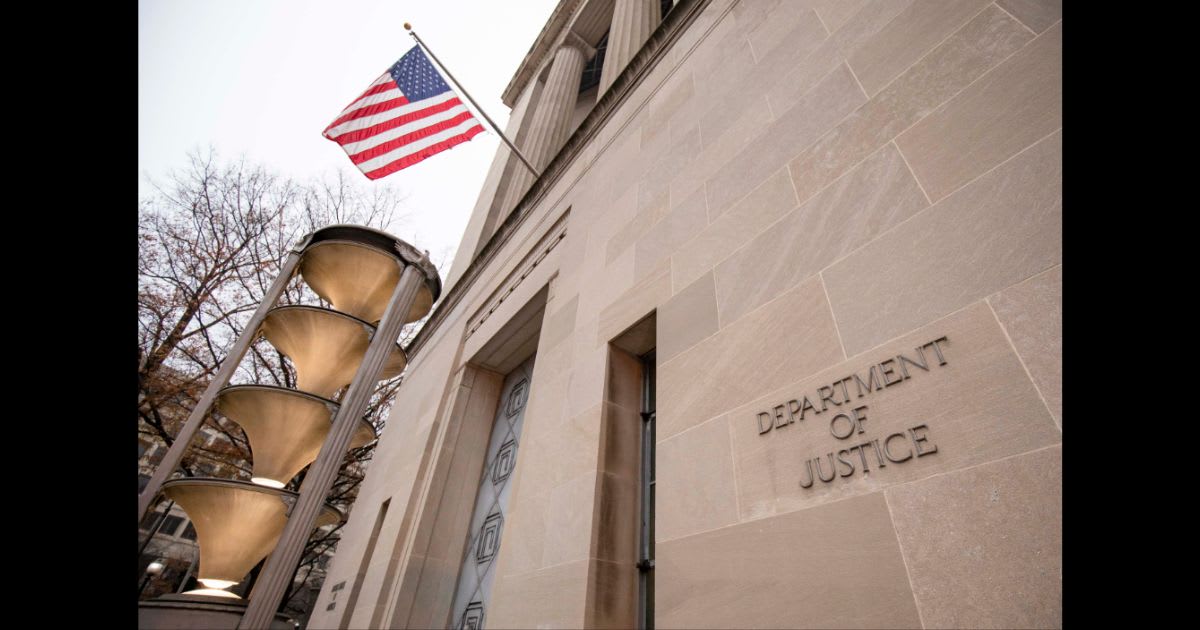
In a June court filing opposing the association’s request for a preliminary injunction, attorneys for the Justice Department argued that being required to provide sign language interpretation for news conferences “would severely intrude on the President’s prerogative to control the image he presents to the public.”
They argued that the president has “the prerogative to shape his Administration’s image and messaging as he sees fit.”
According to government attorneys, it provides the hard-of-hearing or deaf community with other ways to access the president’s statements, like online transcripts of events or closed captioning.
According to the administration, it would be difficult to wrangle such services if Trump spontaneously took questions from the press, rather than at a formal briefing.
Crackdown on DEI policies

Trump, in his first week back in office, signed a sweeping executive order putting an end to diversity, equity, and inclusion programs across the US government.
In putting his own imprint on the Pentagon, Defense Secretary Pete Hegseth in January issued an order stating that DEI policies were “incompatible” with the department’s mission.
Secretary of State Marco Rubio this week ordered diplomatic correspondence to return to the more traditional Times New Roman font, arguing that the Biden administration’s 2023 shift to the sans serif Calibri font had emerged from misguided diversity, equity, and inclusion policies pursued by his predecessor.